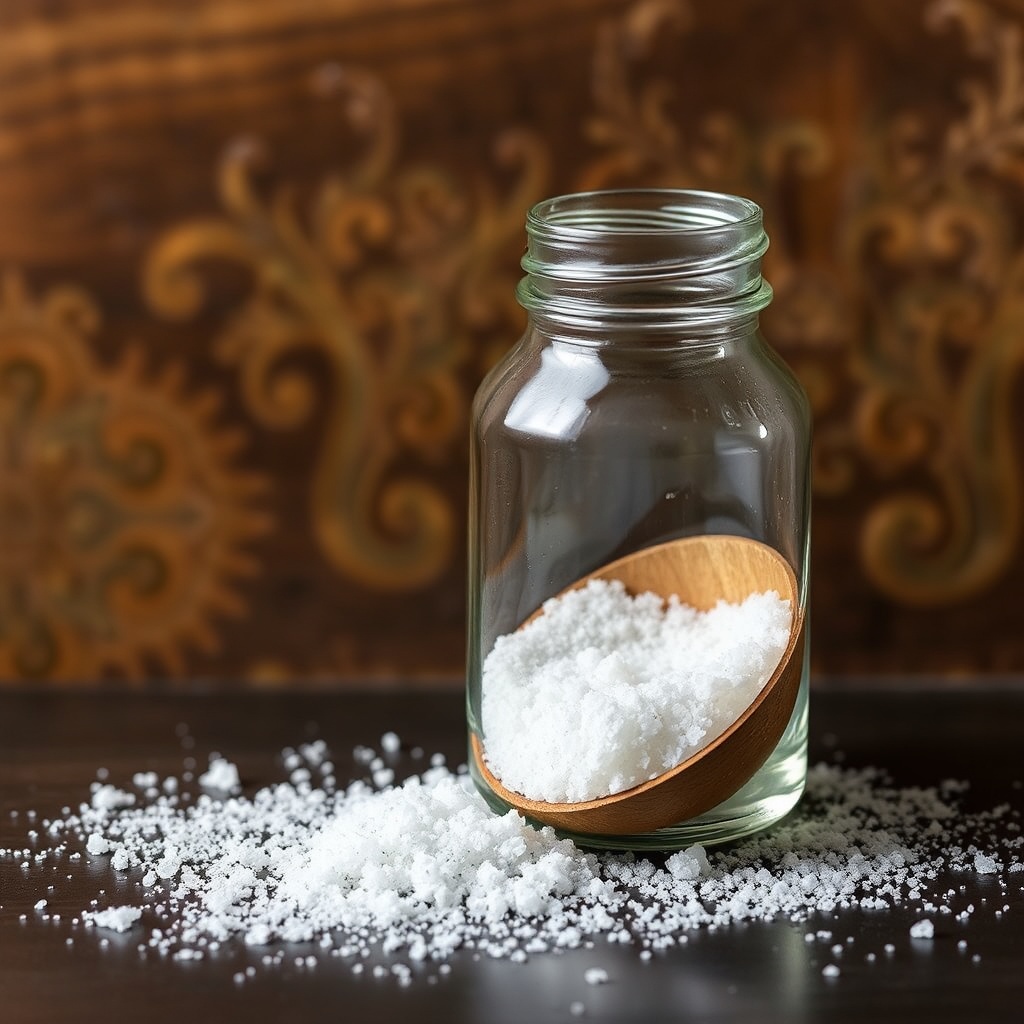
11+ Best Vegan Salt Recipes & Ultimate Guide (Healthy & Flavorful)
Discover the essential role of salt in vegan cooking. Learn about health benefits, selection tips, storage, and how to use different types of salt to enhance yo
About salt
Salt, often considered the most fundamental seasoning, plays an indispensable role in nearly every culinary tradition worldwide, and vegan cooking is no exception. Far from being a mere flavor enhancer, salt is a master at balancing, brightening, and amplifying the natural tastes of plant-based ingredients, transforming simple dishes into extraordinary meals. In vegan cuisine, where fresh vegetables, legumes, and grains often take center stage, a thoughtful application of salt is crucial for creating depth and complexity, preventing dishes from tasting bland or underdeveloped. It’s the secret weapon that awakens flavors, tenderizes, preserves, and even helps with fermentation, making it a cornerstone in any vegan kitchen.
Health Benefits of Salt in a Vegan Diet
While often cautioned against in excessive amounts, salt in moderation is an essential mineral vital for numerous bodily functions. For vegans, who prioritize whole, plant-based foods, understanding the role of salt beyond just taste is important. Sodium, the primary component of salt, is crucial for nerve impulse transmission, muscle contraction, and maintaining proper fluid balance. Unrefined salts, such as sea salt and Himalayan pink salt, contain a spectrum of trace minerals like magnesium, potassium, and calcium, which are often present in smaller quantities in a purely plant-based diet. When used judiciously, salt not only ensures these essential functions but also makes healthy vegan meals incredibly enjoyable, encouraging a sustained adherence to a nutritious lifestyle by making plant-forward dishes more appealing.
Selecting the Best Salt for Vegan Cooking
The world of salt is surprisingly diverse, each type offering unique characteristics. For everyday vegan cooking, a good quality unrefined sea salt or kosher salt is excellent. Fine sea salt is versatile for seasoning, baking, and finishing. Flaky sea salt like Maldon is perfect as a finishing salt, adding texture and a burst of clean salinity to dishes. Himalayan pink salt provides a mild, slightly mineral flavor and is rich in trace minerals. Kosher salt, with its larger flakes, is preferred by many chefs for its ease of handling and consistent seasoning. Avoid iodized table salt where possible, as it often contains anti-caking agents and has a harsher, less nuanced flavor. Experiment with different varieties to discover how each can elevate your vegan creations.
Storing Salt for Optimal Freshness
Salt is incredibly stable and does not spoil, but proper storage is key to preventing clumping and maintaining its integrity. Store salt in an airtight container in a cool, dry place away from humidity. Moisture is the biggest enemy of salt, as it can cause crystals to stick together, making it difficult to measure and use. Ceramic crocks, glass jars with tight-fitting lids, or salt cellars (for everyday use of finishing salts) are ideal. While salt's flavor won't degrade over time, a well-stored salt will always be easy to access and distribute evenly, ensuring your vegan dishes are perfectly seasoned every time.
Frequently Asked Questions
<p>Salt should be added in layers throughout the cooking process for best results. Start by seasoning vegetables and proteins (like tofu or tempeh) lightly during sautéing or roasting. Add more salt to sauces, soups, and stews towards the end of cooking, tasting as you go. For baked goods, add salt with dry ingredients. Finishing salts (like flaky sea salt) are best sprinkled on dishes just before serving to add texture and a bright pop of flavor.</p>
salt Recipes
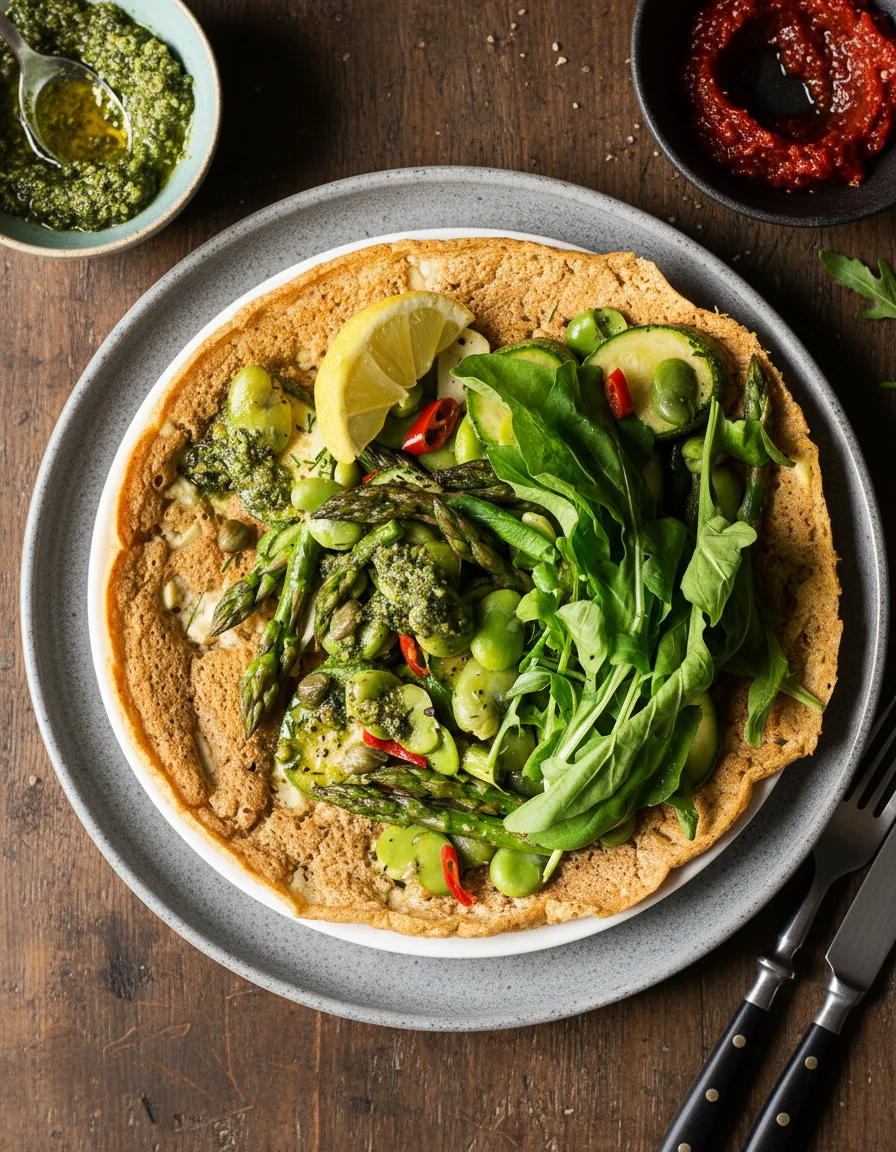
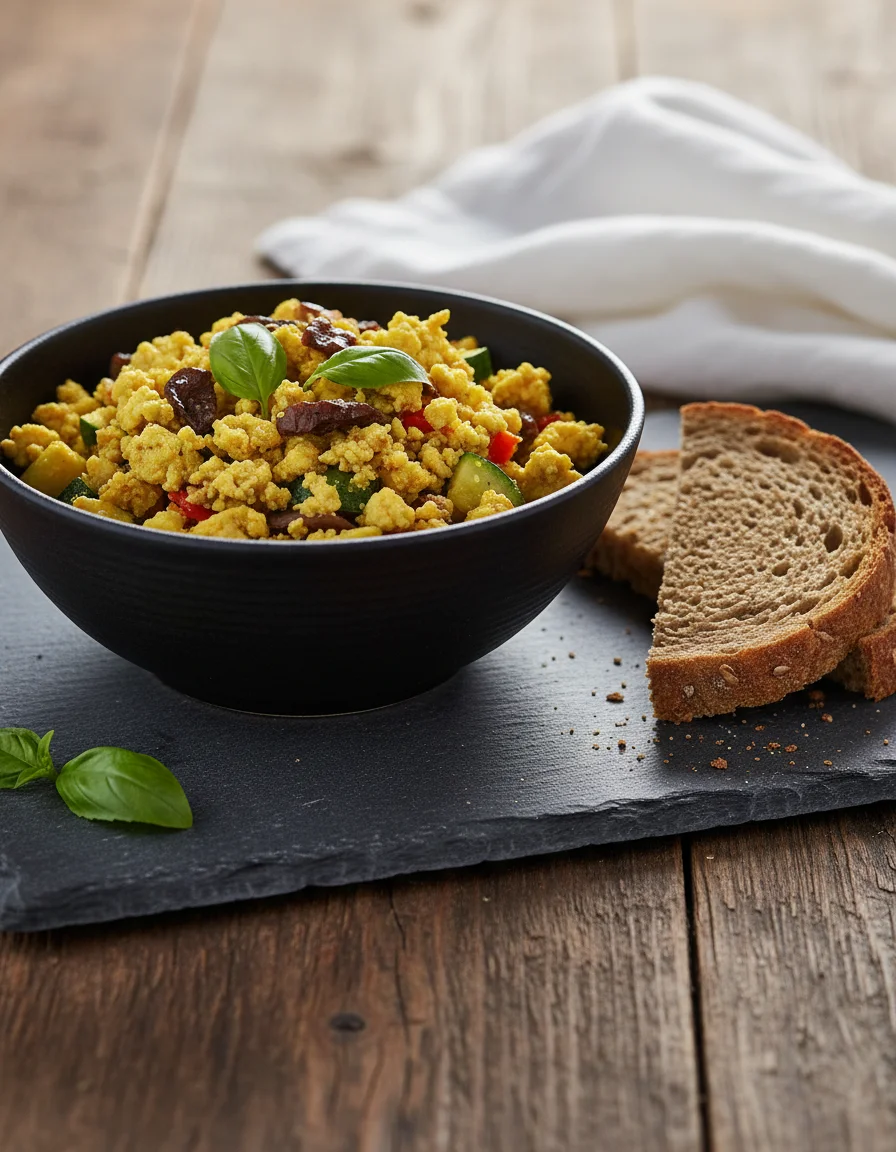
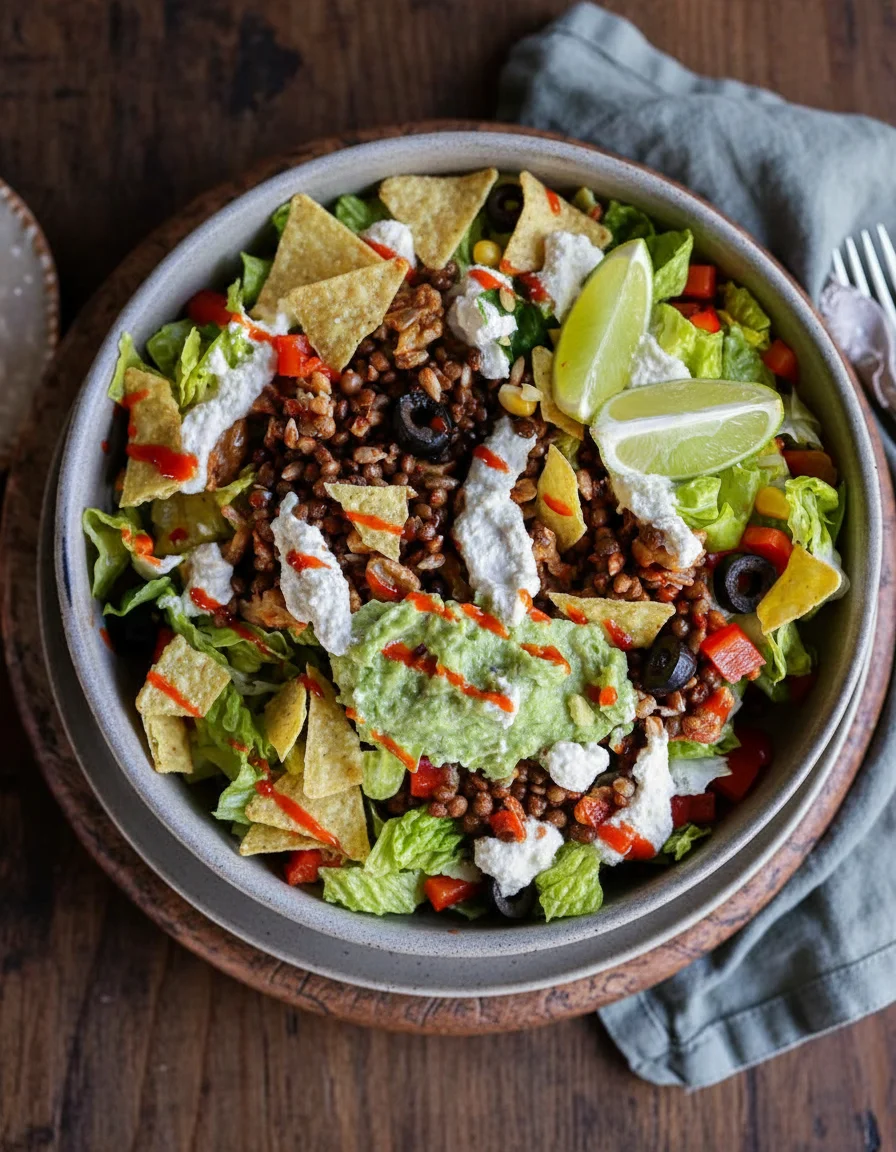

Showing 20 of 507 recipes