20+ Best Vegan Chickpea Flour Recipes (Healthy & Easy)
Discover the magic of chickpea flour! Explore healthy and easy vegan recipes from savory omelets to crispy fritters. A gluten-free, protein-packed pantry staple
About chickpea flour
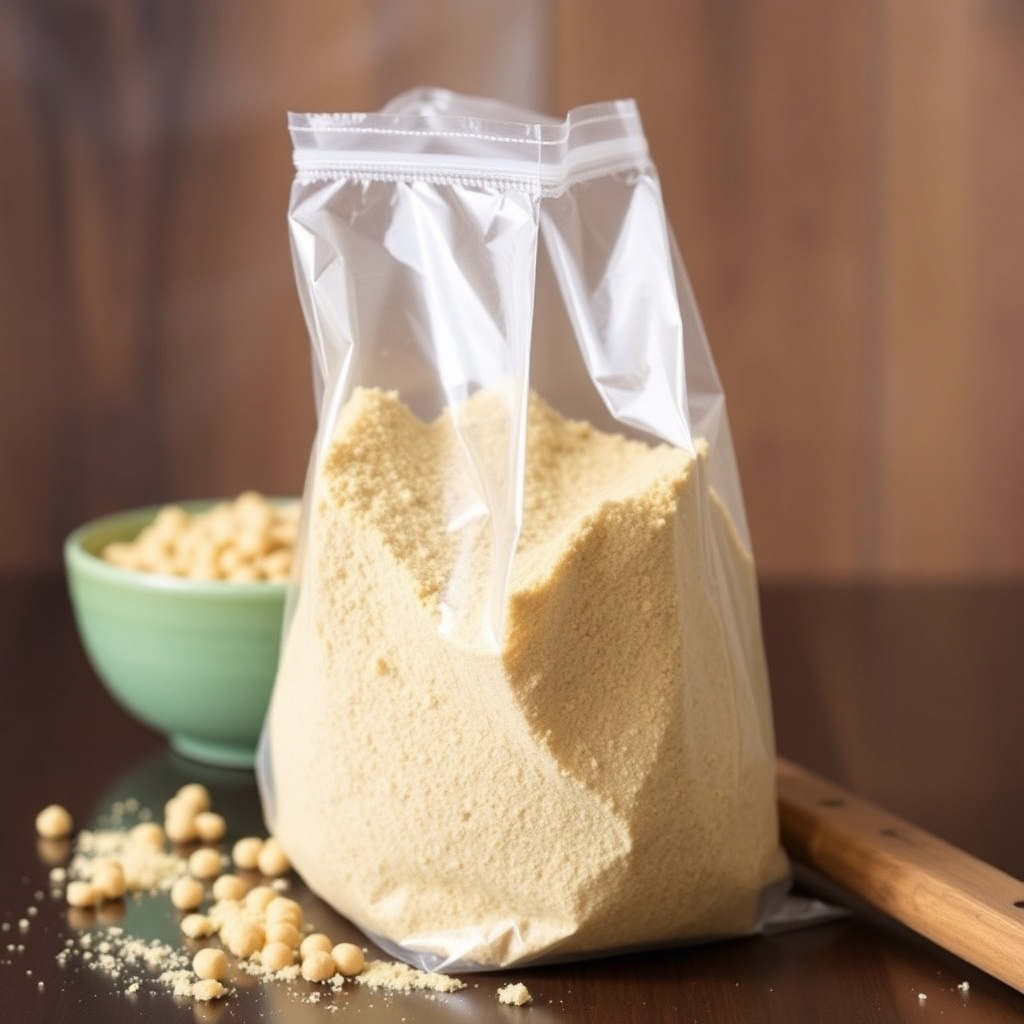
Welcome to the wonderful world of chickpea flour, a versatile and nourishing ingredient that's a true hero in vegan cooking! Also widely known as besan or gram flour, this finely ground flour made from dried chickpeas is naturally gluten-free and a staple in Indian, Middle Eastern, and Mediterranean cuisines. Its unique properties make it an incredible binder, thickener, and even an egg replacer, opening up a realm of delicious possibilities for plant-based dishes.
Health Benefits of Chickpea Flour
Chickpea flour isn't just versatile; it's packed with impressive health benefits, making it an excellent addition to any vegan diet:
- Rich in Plant-Based Protein: With approximately 22.39g of protein per 100g, chickpea flour is a fantastic source of plant protein, essential for muscle repair, growth, and sustained energy.
- High in Dietary Fiber: Providing about 10.8g of fiber per 100g, it supports digestive health, helps regulate blood sugar levels, and promotes a feeling of fullness, aiding in weight management.
- Abundant in Essential Minerals: It's a powerhouse of minerals vital for numerous bodily functions. A single serving can contribute significantly to your daily intake of Iron (4.86mg), Magnesium (166mg), Potassium (846mg), Phosphorus (318mg), and Zinc (2.81mg), supporting everything from blood oxygen transport to bone health and immune function.
- Good Source of Folate and B Vitamins: Chickpea flour contains an impressive 437µg of Folate per 100g, crucial for cell growth and development. It also offers B vitamins like Thiamin (0.486mg) and Vitamin B-6 (0.492mg), which are important for energy metabolism and nervous system health.
- Naturally Gluten-Free: For those with gluten sensitivities or celiac disease, chickpea flour is an excellent, naturally gluten-free alternative to wheat-based flours.
Selection Tips
Choosing high-quality chickpea flour ensures the best flavor and texture in your dishes. Look for:
- Fine, Consistent Texture: The flour should be finely ground and free of clumps, indicating freshness and proper processing.
- Fresh, Nutty Aroma: A good quality chickpea flour will have a mild, earthy, slightly nutty scent. Avoid any flour that smells stale or bitter, as this can indicate rancidity.
- Airtight Packaging: Purchase flour in well-sealed, opaque packaging to protect it from light and air, which can degrade its quality.
- Reputable Brands: Opt for brands known for their quality control and fresh products, especially those specializing in Indian or Middle Eastern ingredients. Organic options are also widely available.
Storage Tips
Proper storage is key to maintaining chickpea flour's freshness and extending its shelf life:
- Airtight Container: Always transfer chickpea flour from its original packaging to an airtight container. This protects it from moisture, pests, and absorbing odors from other pantry items.
- Cool, Dark, Dry Place: Store the container in a cool, dark, and dry pantry or cupboard, away from direct sunlight and heat sources.
- Refrigeration or Freezing for Longevity: For longer storage, especially in warmer climates or if you buy in bulk, chickpea flour can be stored in the refrigerator for up to six months or frozen for up to a year. Ensure it's in a freezer-safe, airtight container to prevent freezer burn and moisture absorption.
From creating crispy fritters and savory pancakes to thickening curries and baking gluten-free delights, chickpea flour is an indispensable ingredient for any vegan kitchen. Dive in and explore its incredible versatility!
Vegan Substitutions
Plant-based alternatives for chickpea flour in your recipes
| Original Ingredient | Replace with | Vegan Alternative | Notes |
|---|---|---|---|
| Egg | Chickpea Flour | For binding in savory recipes like burgers or fritters, mix 2 tablespoons of chickpea flour with 2-3 tablespoons of water to form a thick paste or 'flax egg' like consistency. For a savory 'omelet' base, use a higher ratio of water to flour to create a pourable batter, seasoned to taste. |
Substitution ratios may vary by recipe. Start with a 1:1 ratio and adjust to taste.
Frequently Asked Questions
Chickpea flour is incredibly versatile! It's often whisked with water to create a batter for savory pancakes (like Indian 'chilla' or French 'socca'), binding ingredients in vegan burgers or fritters, or making a 'vegan omelet'. It can also be used as a gluten-free thickener for soups and stews, or lightly roasted before adding to dishes to enhance its nutty flavor and aid digestion. For baking, it can replace a portion of wheat flour in gluten-free recipes, adding protein and a unique texture.
chickpea flour Recipes
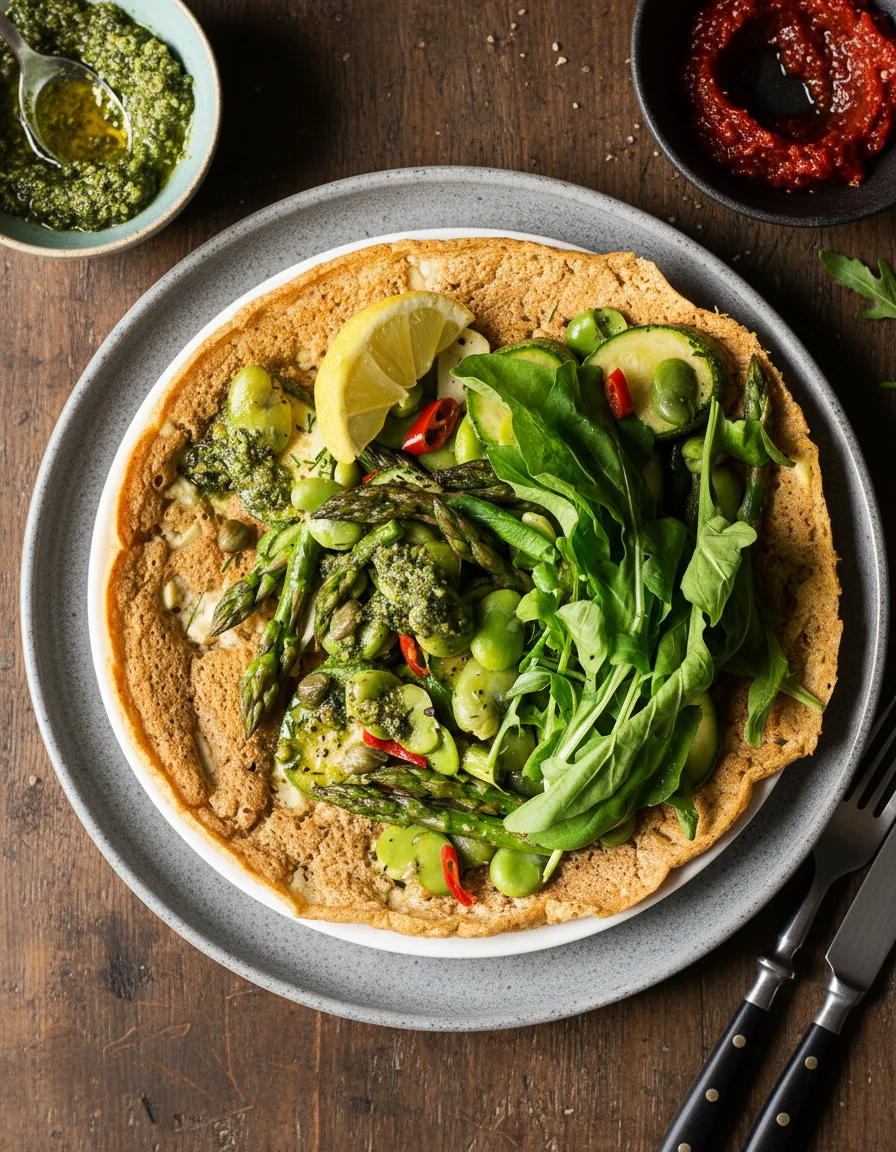
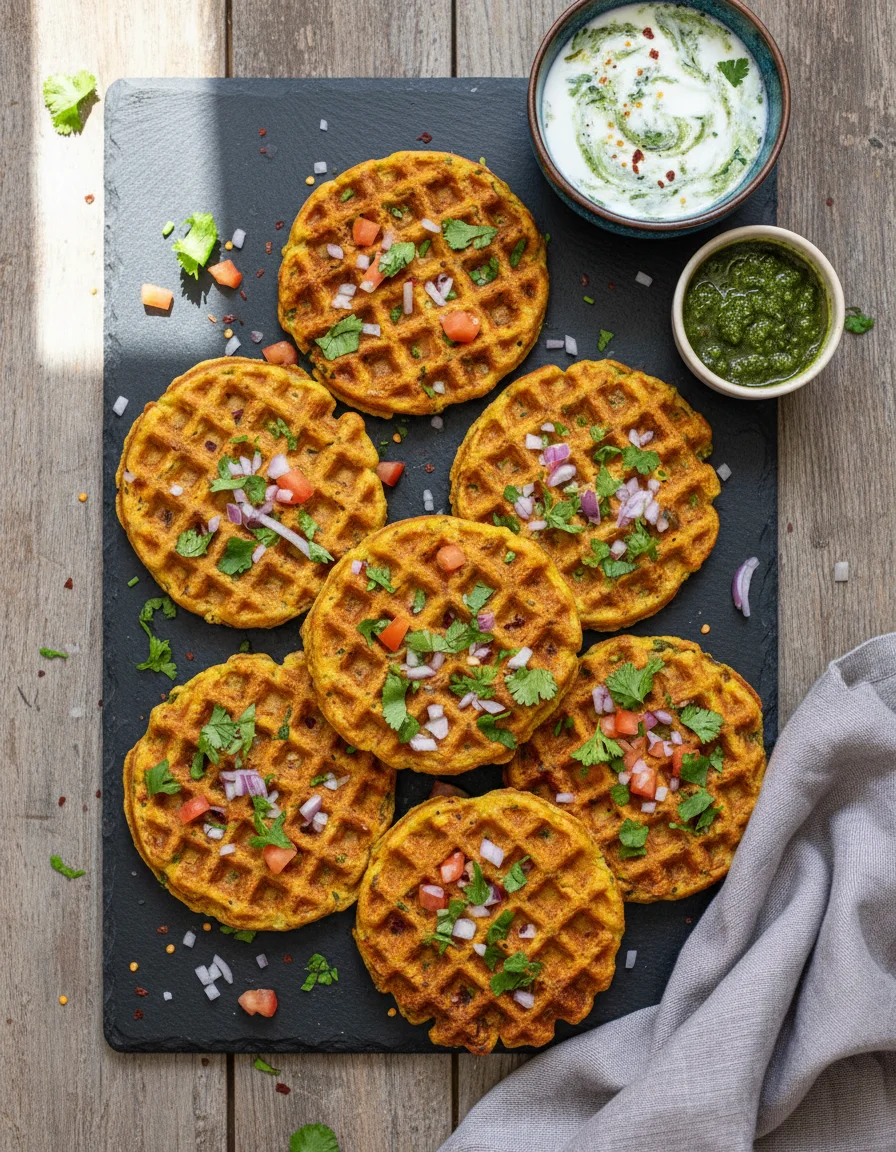


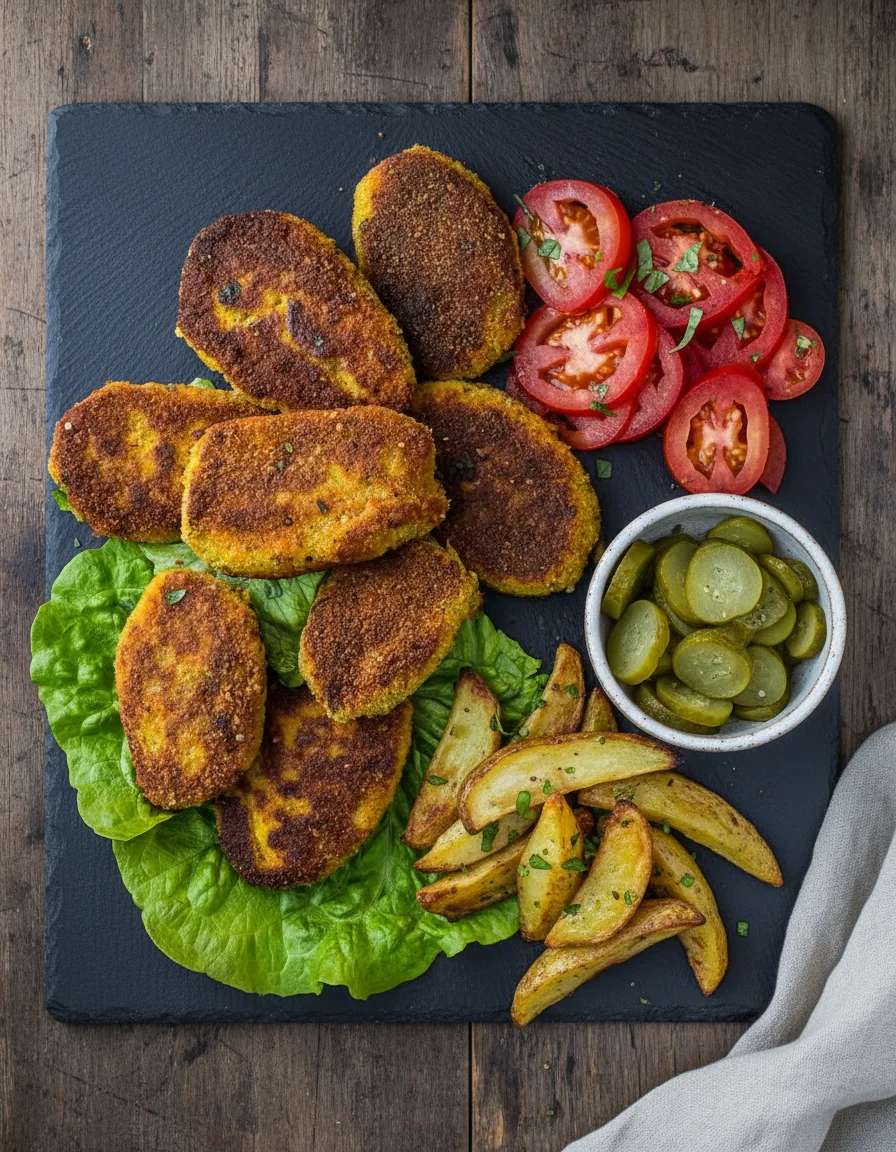



Showing 20 of 57 recipes