
26+ Best Vegan White Wine Recipes (Healthy & Easy)
Enhance your vegan cooking with white wine! Discover how this versatile ingredient adds acidity and depth to sauces, risottos, and more. Find vegan-friendly opt
About white wine
White wine is an indispensable ingredient in many cuisines, celebrated for its ability to add acidity, depth, and a nuanced layer of flavor to dishes. For vegan cooks, it’s a secret weapon for elevating everything from rich pasta sauces to delicate sautés, providing a complexity that’s hard to achieve with other ingredients. From deglazing pans to building flavor in soups and stews, a good dry white wine can transform simple vegetables and legumes into gourmet meals.
Health Benefits in Vegan Cooking
While white wine is an alcoholic beverage and not typically consumed for direct nutritional benefits, its role in cooking can indirectly contribute to healthier vegan dishes. By imparting a vibrant acidity and deep flavor, white wine allows you to reduce the need for excessive salt or oil, helping to keep your meals lighter and more balanced. It contains trace amounts of minerals like potassium and magnesium, and some antioxidants, which are naturally present in grapes. When cooked, most of the alcohol evaporates, leaving behind the concentrated flavors and aromatic compounds that enhance your plant-based creations.
Selection Tips for White Wine
Choosing the right white wine for cooking is crucial. Always opt for a dry white wine rather than a sweet one, unless a recipe specifically calls for sweetness (which is rare in savory dishes). Good choices include:
- Sauvignon Blanc: Crisp, herbaceous, and acidic.
- Pinot Grigio/Gris: Light, dry, and clean with citrus notes.
- Unoaked Chardonnay: Buttery and fruity without being overly sweet.
- Dry Vermouth: An excellent and often more affordable substitute for dry white wine in cooking, offering similar flavor and acidity.
Avoid
Vegan Substitutions
Plant-based alternatives for white wine in your recipes
| Original Ingredient | Replace with | Vegan Alternative | Notes |
|---|---|---|---|
| White wine | Vegetable broth | Use a good quality vegetable broth for a savory, umami flavor. It's the most common and versatile non-alcoholic substitute. You might add a splash of lemon juice or apple cider vinegar to replicate some of the wine's acidity. | |
| White wine | Non-alcoholic white wine | If you want to maintain the specific flavor profile of white wine without the alcohol, non-alcoholic versions are a direct substitute. Ensure it's a dry, unsweetened variety for savory cooking. | |
| White wine | Apple cider vinegar + water | For recipes where acidity is the primary goal (like deglazing or in vinaigrettes), a mix of apple cider vinegar and water (or vegetable broth) can work. Use 1 part vinegar to 2-3 parts water/broth, adjusting to taste. It won't replicate the depth of wine but provides a good tartness. |
Substitution ratios may vary by recipe. Start with a 1:1 ratio and adjust to taste.
Frequently Asked Questions
The vegan status of white wine can be tricky. While made from grapes, many wines use animal-derived products during the fining process, which clarifies the wine. Common fining agents include isinglass (fish bladder protein), gelatin (from animal bones/hooves), casein (milk protein), and albumin (egg whites). These agents bind to undesirable particles, making them easier to remove. To ensure your white wine is vegan, look for labels that specifically state 'vegan-friendly,' 'unfined,' or 'unfiltered.' Websites like Barnivore.com are also excellent resources for checking the vegan status of specific brands.
white wine Recipes









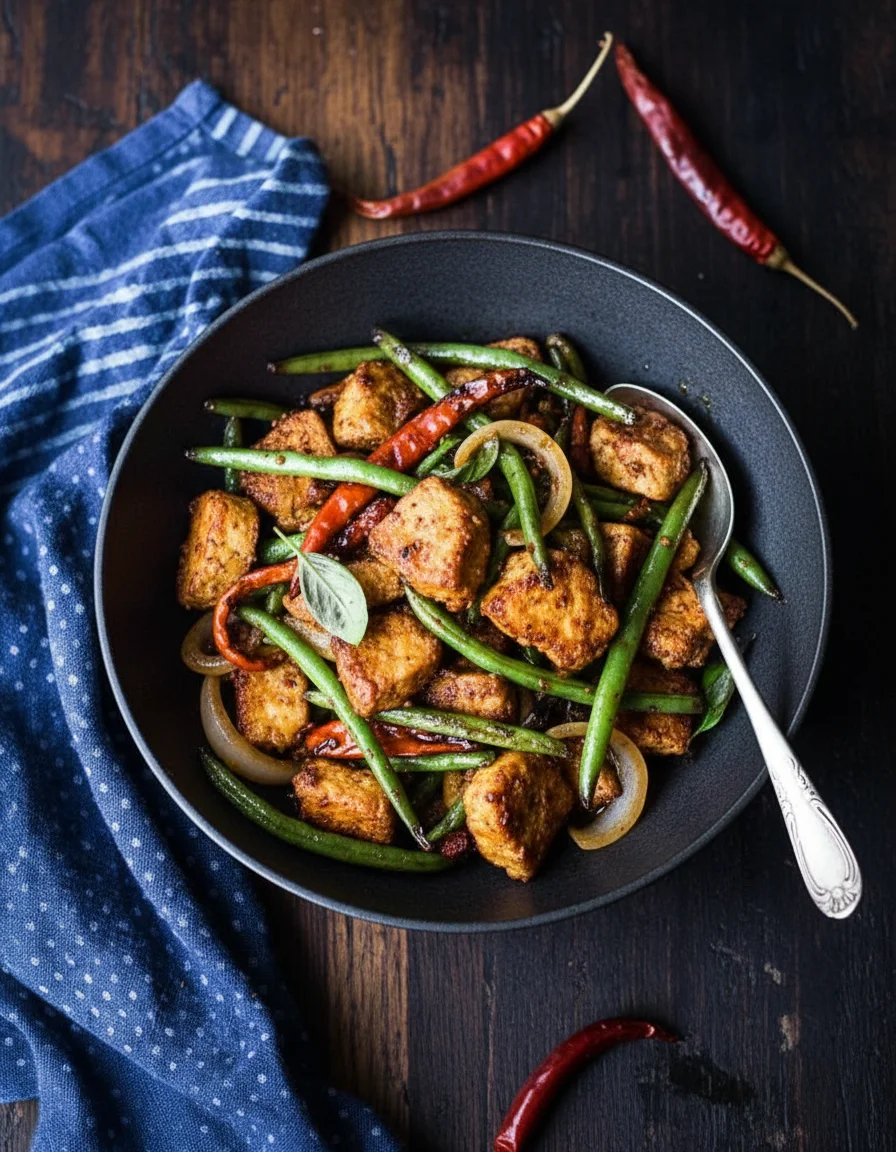

Showing 20 of 46 recipes