13+ Best Vegan Thai Basil Recipes (Healthy & Easy)
Elevate your vegan dishes with Thai basil! Discover its unique flavor profile, health benefits, and tips for selecting, storing, and cooking this aromatic herb
About thai basil
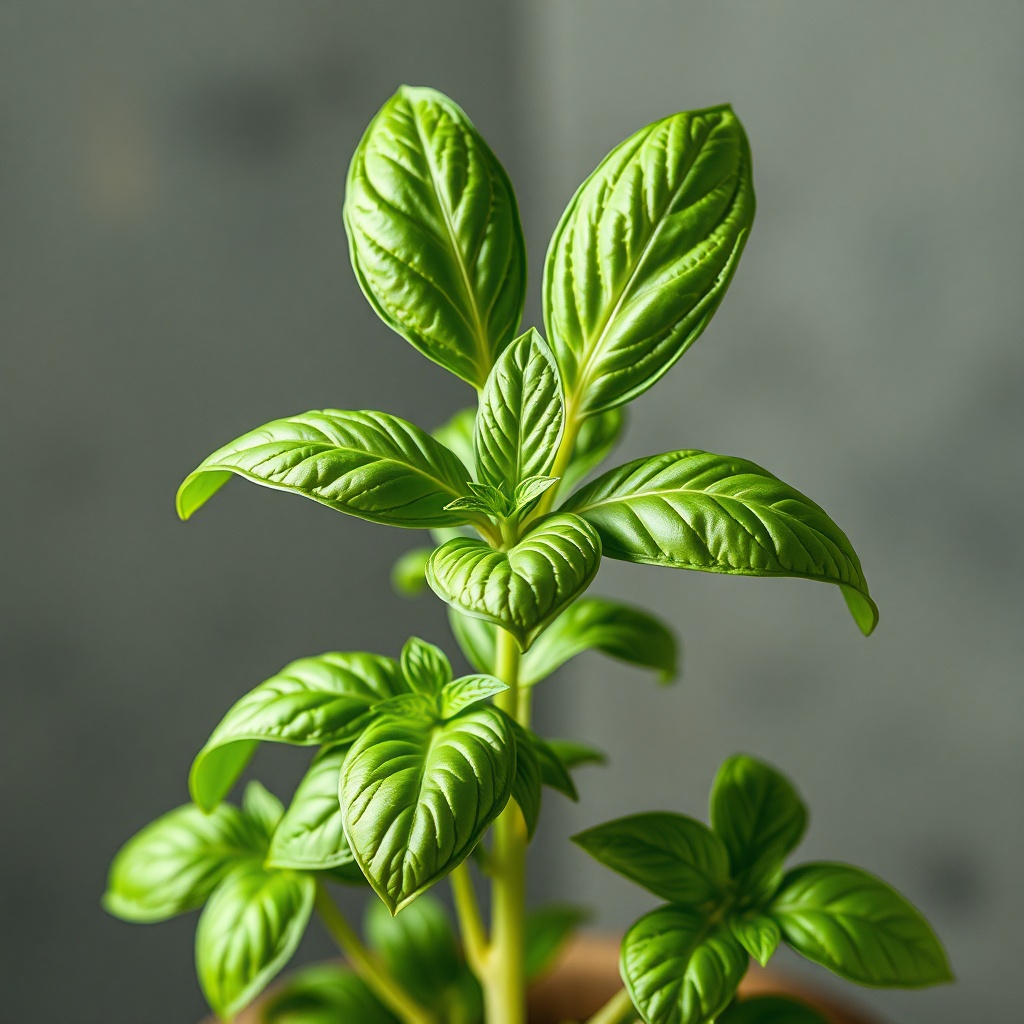
Welcome to the vibrant world of Thai basil, an aromatic herb that's an absolute must-have in your vegan kitchen! Distinct from its sweet Italian cousin, Thai basil (Ocimum basilicum var. 'Thyrsiflora') boasts a unique flavor profile characterized by notes of anise, licorice, and a subtle peppery spice. Its sturdy leaves and striking purple stems add both incredible taste and visual appeal to a wide array of dishes, particularly in Southeast Asian cuisine. If you're looking to infuse your plant-based meals with authentic, exotic flavors, Thai basil is your secret weapon.
Health Benefits of Thai Basil for a Vegan Diet
Incorporating Thai basil into your vegan diet isn't just about flavor; it's also a smart nutritional choice. This leafy green herb is packed with beneficial vitamins and minerals, making it a healthy addition to any meal. A single cup of fresh Thai basil (approximately 20.1g) is an excellent source of Vitamin K, providing a remarkable 414.8 µg, which is crucial for blood clotting and bone health. It's also rich in Vitamin A (264 µg RAE), essential for vision and immune function.
Furthermore, Thai basil offers a good dose of vital minerals, including Manganese (1.148 mg), which plays a role in bone development and metabolism, and Iron (3.17 mg), important for energy and oxygen transport, especially valuable for those on a plant-based diet. You'll also find notable amounts of Calcium (177 mg), Potassium (295 mg), and Magnesium (64 mg). With its low calorie count and rich nutrient profile, Thai basil enhances your vegan dishes without adding unnecessary fats or sugars, while also contributing antioxidants to your diet.
How to Select and Store Thai Basil
To ensure the best flavor and longevity, selecting high-quality Thai basil is key. Look for bunches with vibrant, deep green leaves and purple stems that are firm and unblemished. Avoid any basil with wilting, yellowing, or black spots, as these are signs of age or improper storage. The herb should have a strong, distinct aroma even before you crush the leaves.
Proper storage will help keep your Thai basil fresh for longer. Treat it much like a bouquet of flowers: trim the bottoms of the stems and place the bunch in a glass of water on your kitchen counter, away from direct sunlight. Cover loosely with a plastic bag to create a mini-greenhouse effect. This method can keep it fresh for a few days. Alternatively, you can wrap the basil in a slightly damp paper towel, place it in an airtight container or a resealable plastic bag, and store it in the refrigerator's crisper drawer. This method can extend its freshness up to a week.
Versatility in Vegan Cooking
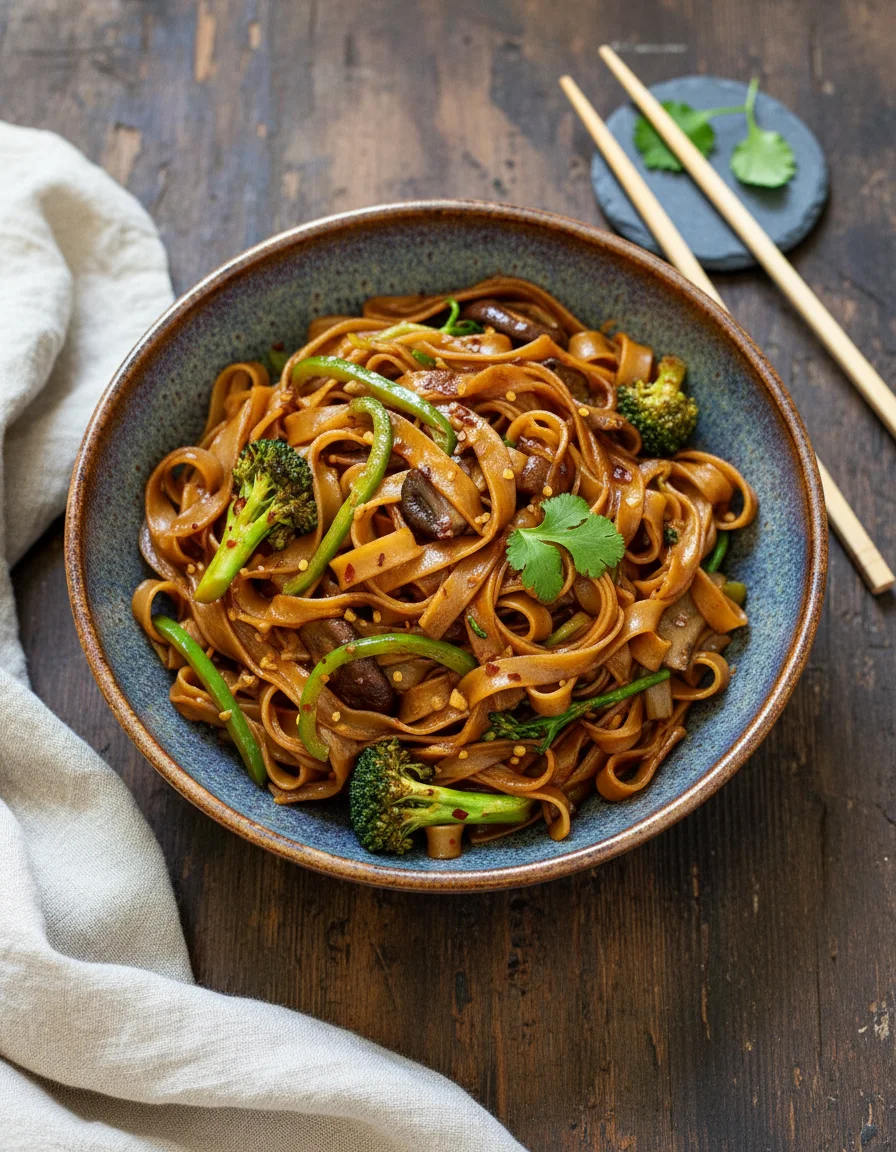
Thai basil's robust flavor stands up well to heat, making it perfect for dishes where it's cooked briefly. It's a staple in vegan Thai curries, stir-fries, and noodle dishes like Pad Kee Mao (Drunken Noodles) or Pad See Ew. Its peppery kick also makes it fantastic in fresh applications such as spring rolls, vibrant salads, or as a garnish for pho and other aromatic soups. Its versatility ensures it can elevate a simple tofu scramble or become the star of a complex plant-based curry, truly transforming your vegan culinary creations.
Frequently Asked Questions
To get the most flavor from Thai basil, it's generally best to add it towards the very end of the cooking process, often just before serving, or even stir it in right after the heat is turned off. This preserves its aromatic oils and vibrant flavor. For fresh uses like garnishes or salads, simply tear the leaves by hand instead of chopping with a knife, as tearing helps release more of its essential oils and prevents bruising.
thai basil Recipes





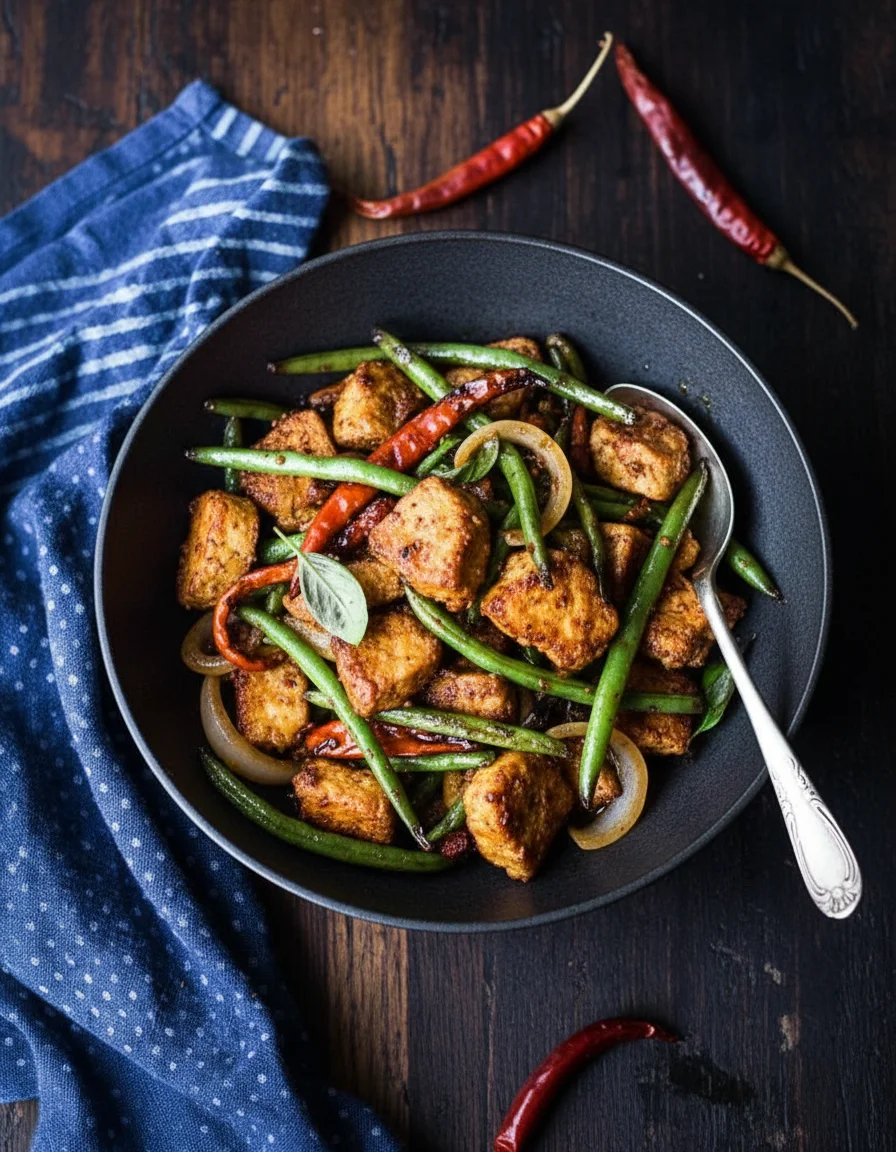
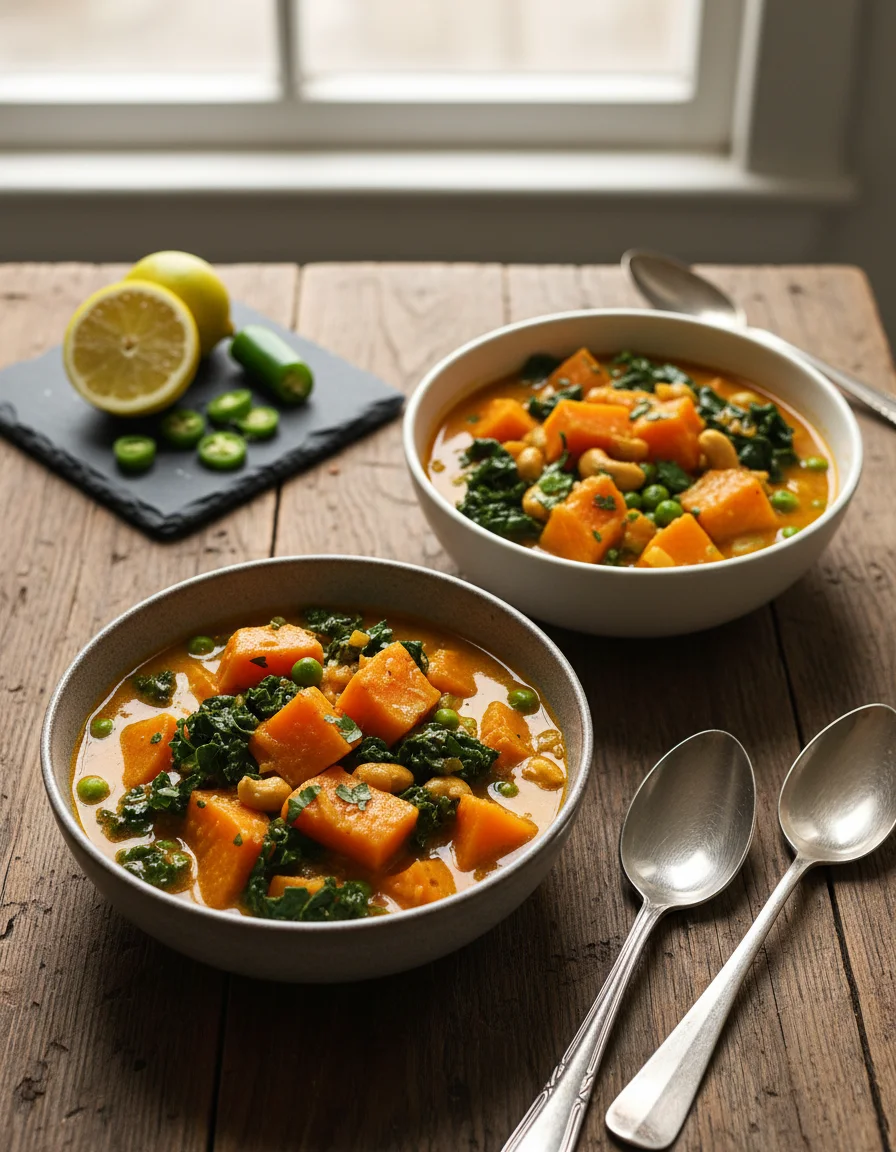
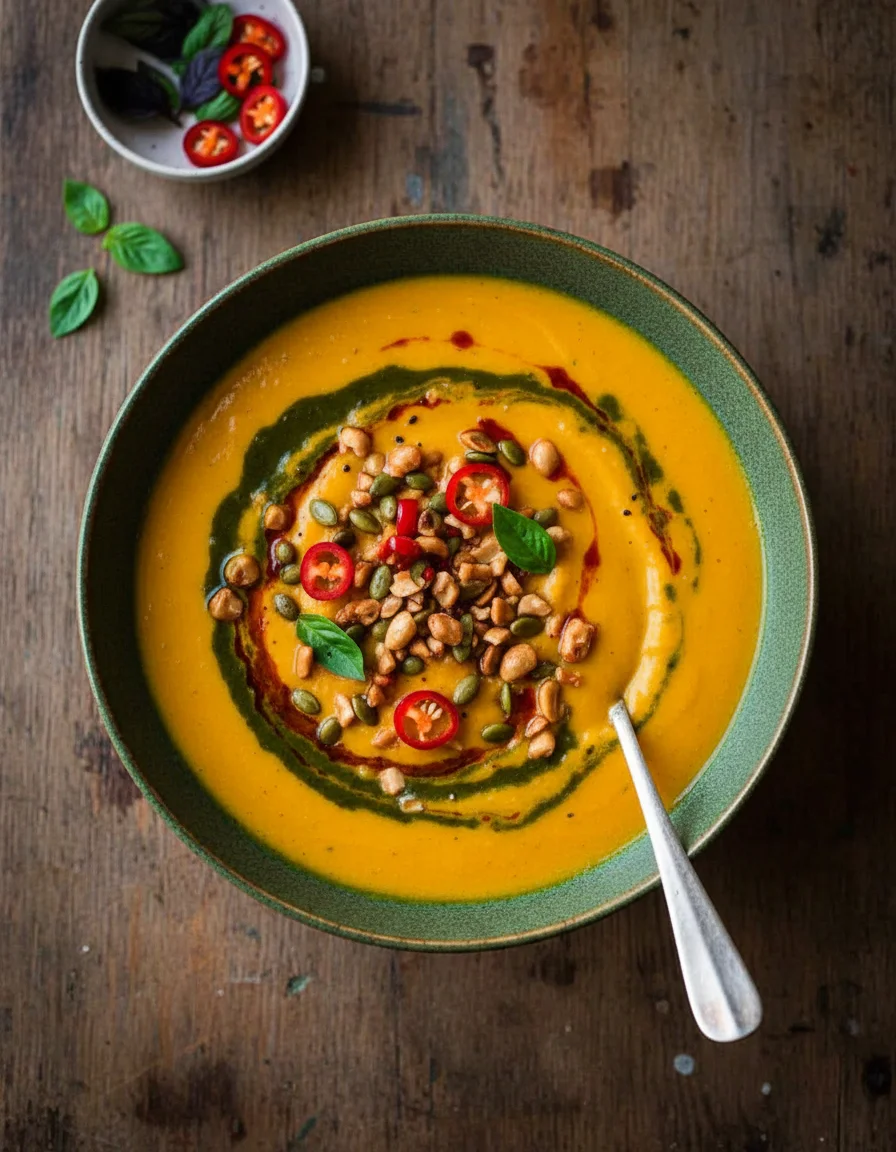
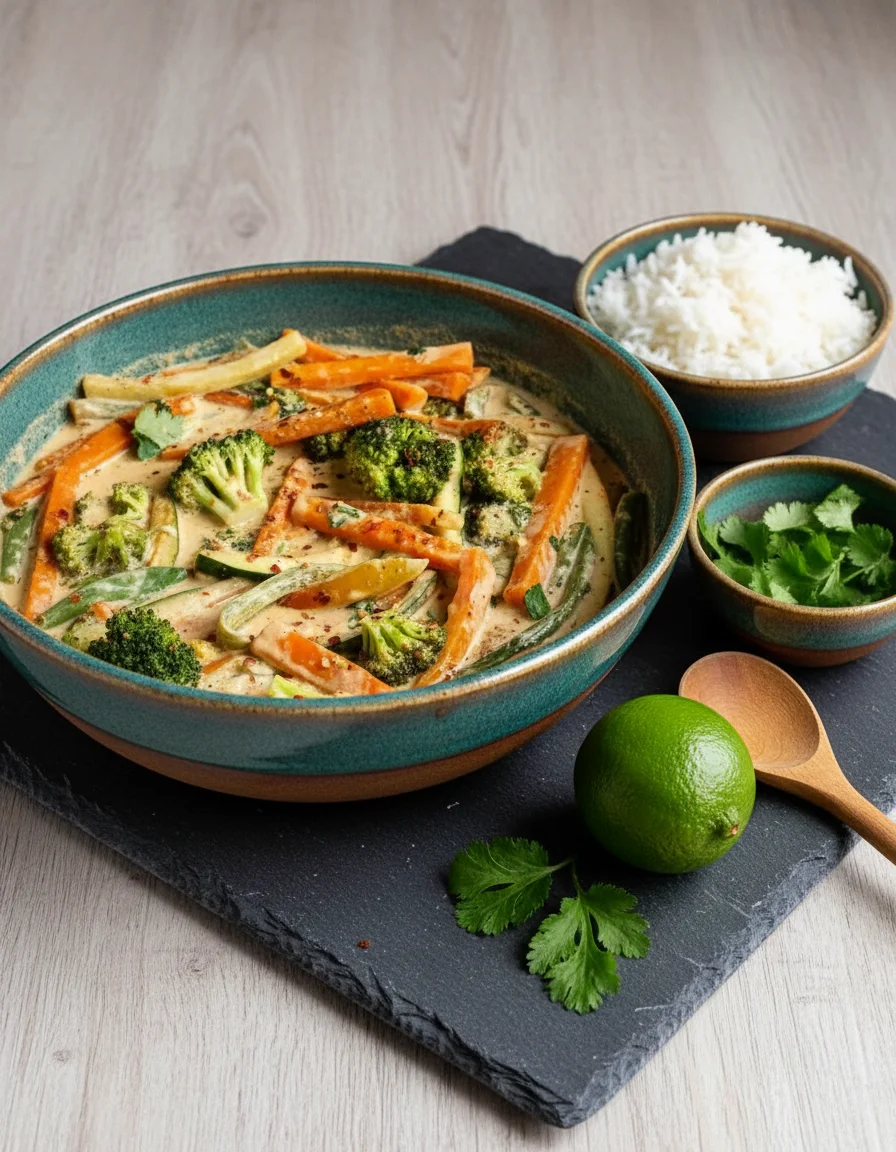



Showing 19 of 19 recipes