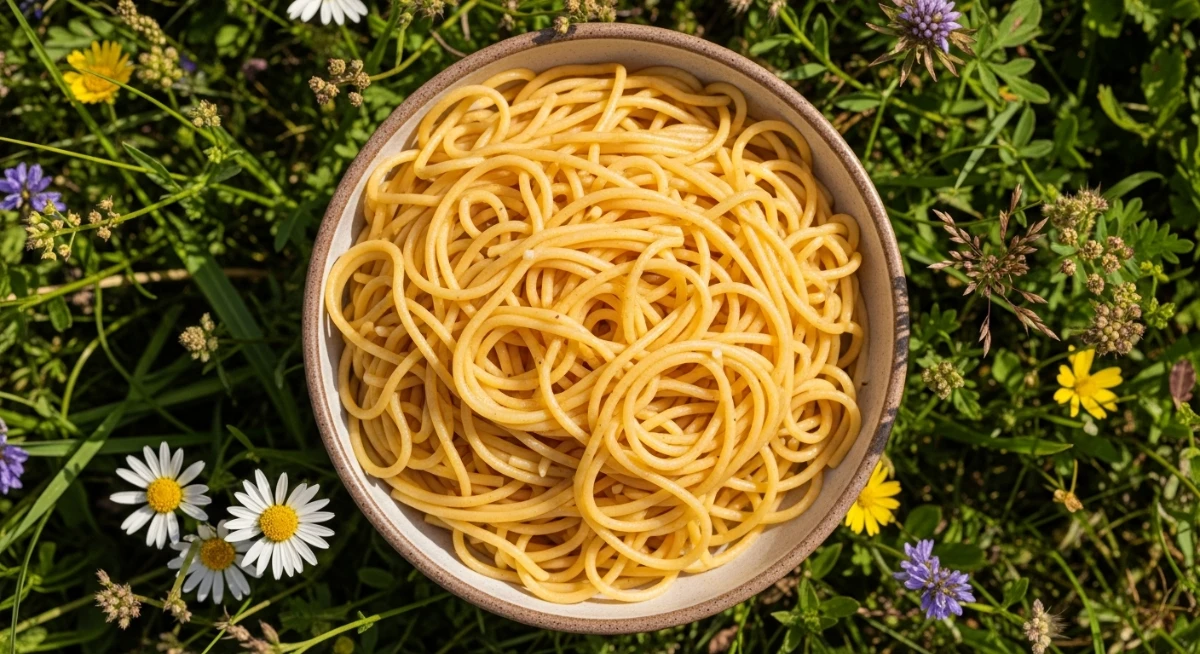
21+ Best Vegan Spaghetti Recipes (Healthy & Easy Dinners)
Discover over 21 delicious and easy vegan spaghetti recipes! Learn about health benefits, how to select and store spaghetti, and creative ways to enjoy this ver
About spaghetti
Ah, spaghetti! Just the word conjures images of comforting, slurpable meals, often drenched in rich, flavorful sauces. For vegans, spaghetti is more than just a pantry staple; it's a blank canvas for countless plant-based culinary creations. While traditionally associated with meat-based sauces, spaghetti shines brilliantly in the vegan kitchen, offering a hearty and satisfying base for everything from vibrant tomato sauces to creamy, cheesy alternatives and fresh veggie tosses. It’s no wonder we feature it in over 21 incredible vegan recipes on our site!
Health Benefits of Spaghetti for Vegans
Often misunderstood, spaghetti, especially whole wheat varieties, offers significant nutritional value, making it a valuable component of a balanced vegan diet. Made primarily from durum wheat semolina, standard spaghetti is naturally vegan and provides essential energy in the form of complex carbohydrates. Here’s what makes it a healthy choice:
- Plant-Based Protein: With around 13 grams of protein per 100 grams, spaghetti contributes to your daily protein intake, crucial for muscle maintenance and repair, particularly for those on a vegan diet.
- Dietary Fiber: A good source of fiber (around 3.2 grams per 100 grams), particularly in whole wheat versions, spaghetti aids digestion, promotes gut health, and helps you feel fuller for longer, assisting in weight management.
- Essential Minerals: Spaghetti provides several vital minerals. It contains Magnesium (53 mg), Phosphorus (189 mg), Potassium (223 mg), Iron (1.3 mg), Zinc (1.41 mg), Manganese (0.917 mg), and Selenium (63.2 µg). These minerals play roles in everything from bone health and energy metabolism to immune function and antioxidant defense.
- B Vitamins: It also offers some B vitamins like Thiamin (B1), Riboflavin (B2), Niacin (B3), and Vitamin B6, which are essential for converting food into energy and maintaining nervous system health.
Selecting the Best Spaghetti
Choosing the right spaghetti can elevate your dish. Here are a few tips:
- Check Ingredients: Most dry spaghetti is simply durum wheat semolina and water, making it naturally vegan. Always double-check labels, especially for fresh pasta, which might contain eggs.
- Whole Wheat vs. White: Whole wheat spaghetti offers more fiber and nutrients. If you're new to it, try a mix or gradually transition.
- Shape and Texture: Look for spaghetti with a rougher, porous texture. This allows sauces to cling better, enhancing flavor.
- Gluten-Free Options: For those with gluten sensitivities, excellent gluten-free spaghetti made from corn, rice, or legumes are widely available and perform beautifully.
Storage Tips for Freshness
Proper storage ensures your spaghetti is always ready for your next culinary adventure:
- Dry Spaghetti: Store unopened packages in a cool, dry, dark pantry away from direct sunlight or heat. It can last for 1-2 years beyond its "best by" date if stored correctly. Once opened, keep it in an airtight container to protect it from moisture and pantry pests.
- Cooked Spaghetti: Allow cooked spaghetti to cool completely. Toss it with a tiny bit of olive oil to prevent sticking, then store it in an airtight container in the refrigerator for 3-5 days. For longer storage, you can freeze cooked spaghetti in freezer-safe bags or containers for up to 2-3 months. Thaw in the refrigerator before reheating.
Whether you're crafting a quick weeknight meal or an elaborate vegan feast, spaghetti offers unparalleled versatility and a satisfying foundation. Get ready to explore its endless possibilities!
Frequently Asked Questions
To achieve perfectly al dente spaghetti, bring a large pot of salted water to a rolling boil. Add the spaghetti, stirring occasionally to prevent sticking. Cook according to package directions, typically 8-12 minutes, but start testing a minute or two before the suggested time. The pasta should be firm to the bite but not hard or crunchy. Drain immediately, reserving some pasta water if your recipe calls for it.
spaghetti Recipes
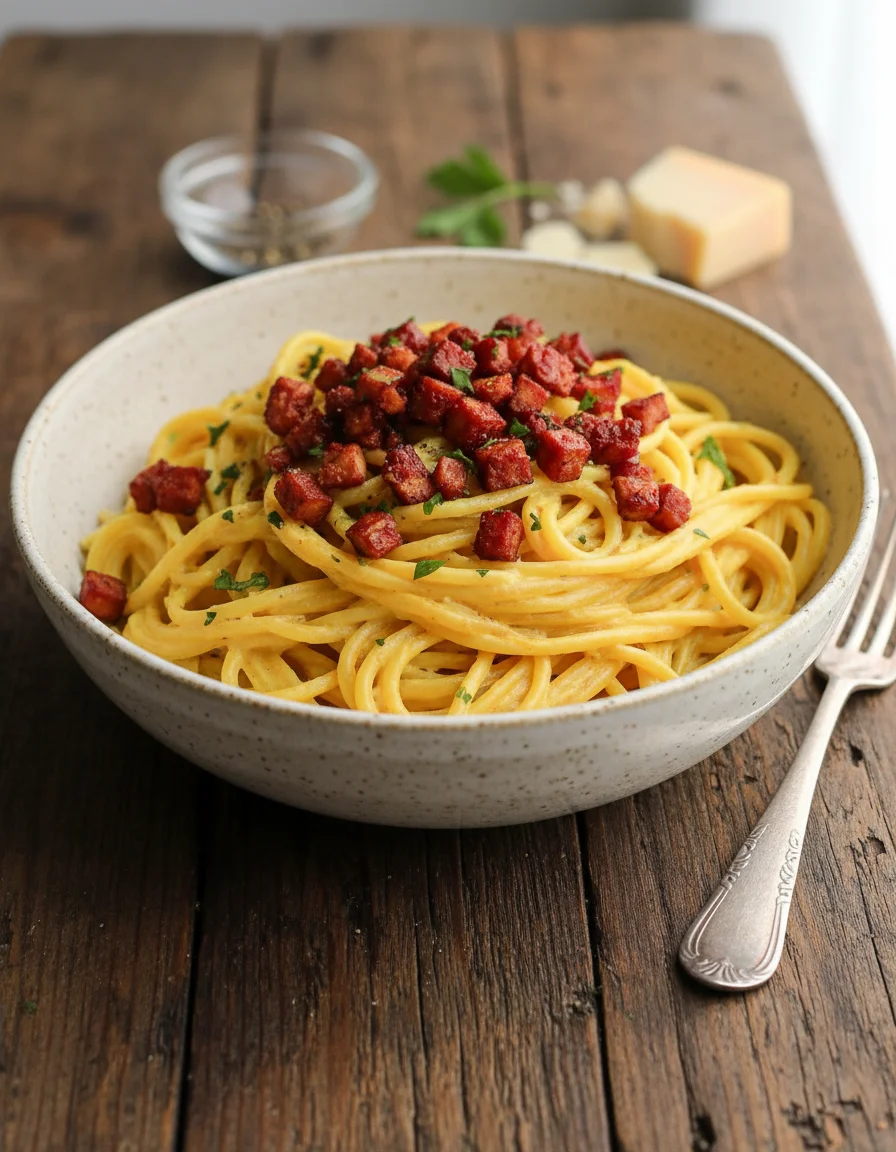
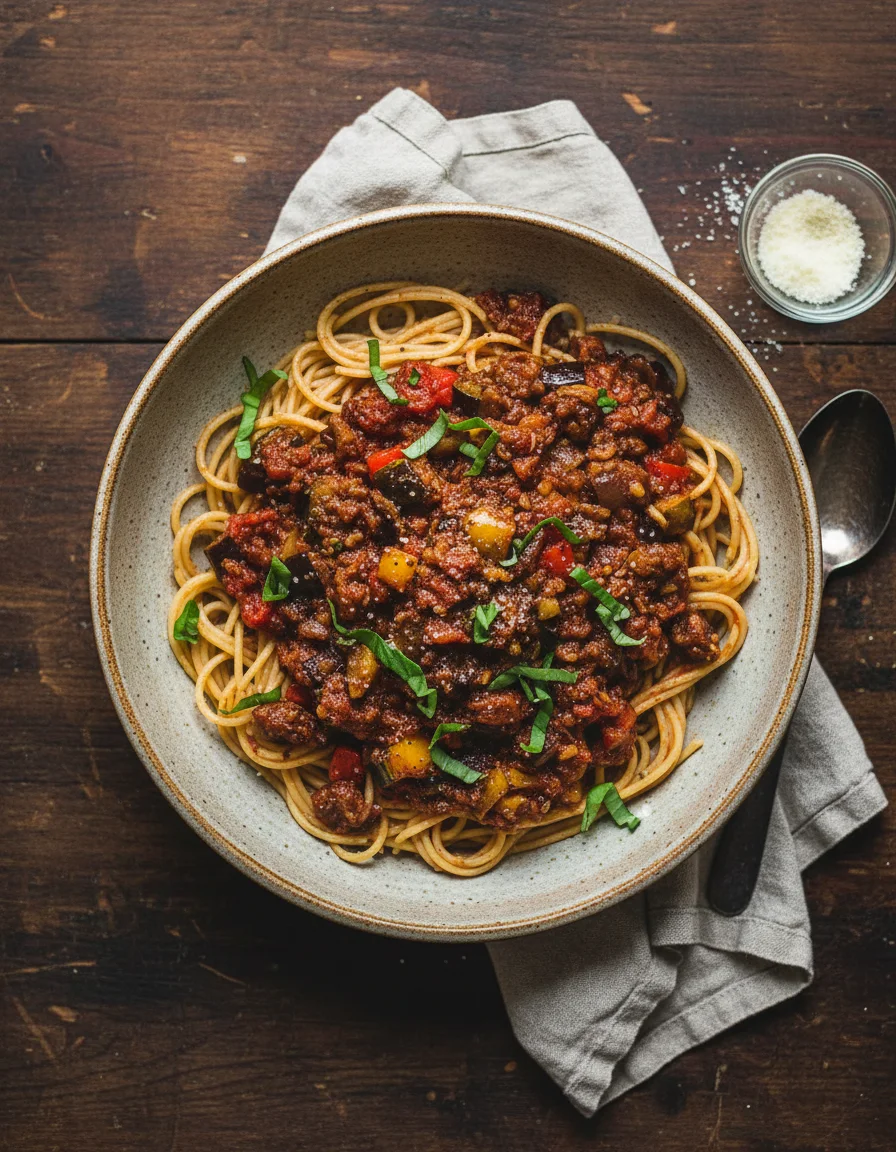
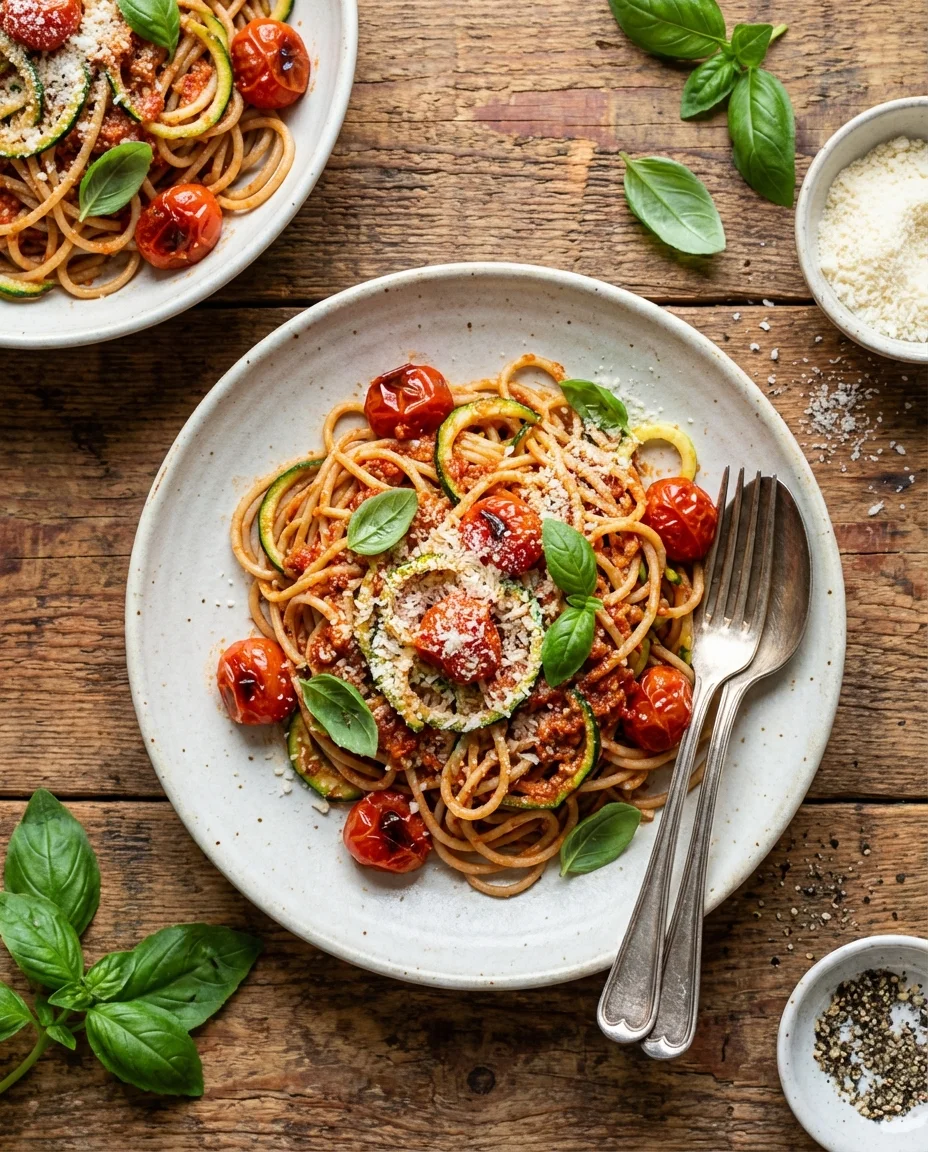






Showing 20 of 30 recipes