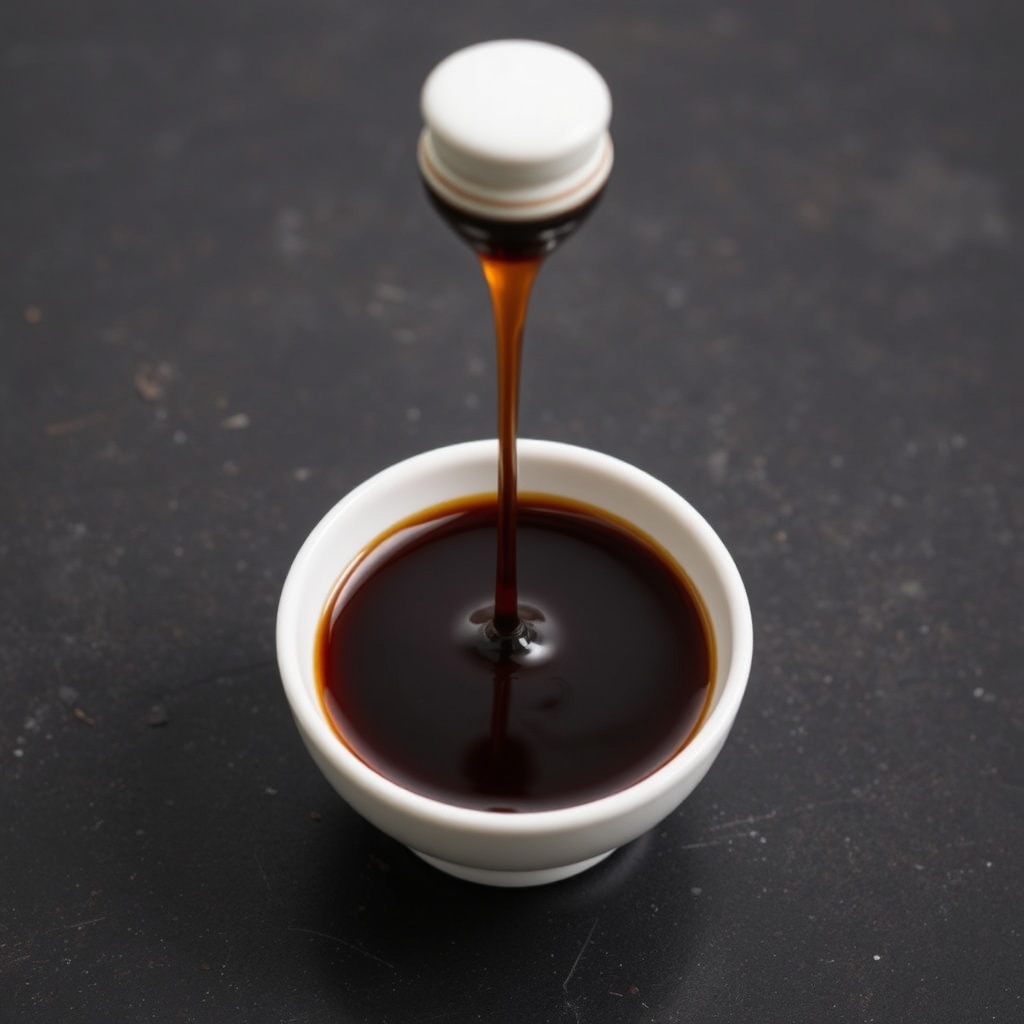
230+ Best Vegan Soy Sauce Recipes: Umami-Rich Dishes for Every Meal
Unleash the umami power of soy sauce! Explore 230+ healthy & easy vegan recipes, from savory stir-fries to flavorful marinades. Find your new favorite dish!
About soy sauce
Welcome to the ultimate guide to soy sauce in vegan cooking! This seemingly simple condiment is a cornerstone of flavor in plant-based cuisine, revered for its ability to impart a profound umami depth that elevates dishes from ordinary to extraordinary. With over 230 vegan recipes on our site featuring this versatile ingredient, you’re about to discover how soy sauce can transform your kitchen.
The Umami Powerhouse: Health Benefits for Vegans
For vegans, soy sauce isn't just about taste; it's a strategic flavor enhancer that makes plant-based meals incredibly satisfying. Its rich, savory profile can often replace the need for added fats or excessive salt in recipes, helping you create healthier dishes without sacrificing flavor. While typically used in small quantities, naturally brewed soy sauce offers a fermented food benefit, contributing to a balanced diet. Opting for low-sodium varieties is a great way to manage sodium intake while still enjoying its distinctive taste. It's a fantastic way to bring a complex, meaty flavor to vegetables, tofu, tempeh, and grains, making your vegan journey even more delicious.
Selecting the Best Soy Sauce
- Naturally Brewed: Always look for "naturally brewed" on the label. This indicates a traditional fermentation process, yielding a more complex and authentic flavor compared to chemically produced versions.
- Types: Understand the differences:
- Light Soy Sauce (Koikuchi Shoyu): The most common all-purpose soy sauce, balanced in flavor and saltiness.
- Dark Soy Sauce (Tamari Shoyu): Thicker, darker, and slightly sweeter, often used for color and less for saltiness.
- Tamari: A gluten-free alternative to traditional soy sauce, often darker and richer. Ideal for those with gluten sensitivities.
- Shoyu: A general term for Japanese soy sauce, often referring to naturally brewed varieties.
- Low-Sodium Options: Many brands offer reduced-sodium versions, which are excellent for health-conscious cooking.
- Organic: Consider organic options for non-GMO ingredients and sustainable practices.
Storage Tips for Freshness
Proper storage ensures your soy sauce maintains its quality and flavor for a long time:
- Cool, Dark Place: Unopened soy sauce can last for years in a pantry.
- Refrigerate After Opening: While not strictly necessary for safety, refrigerating opened soy sauce, especially naturally brewed types, helps preserve its flavor and aroma, preventing degradation and extending its optimal taste profile for several months, often up to two years.
- Airtight Seal: Always ensure the cap is tightly sealed to prevent oxidation and evaporation.
From marinades and dressings to stir-fries and dipping sauces, soy sauce is an indispensable ingredient in the vegan pantry. Its ability to unlock deep, savory notes in plant-based ingredients makes it a true culinary hero. Get ready to explore its endless possibilities!
Vegan Substitutions
Plant-based alternatives for soy sauce in your recipes
| Original Ingredient | Replace with | Vegan Alternative | Notes |
|---|---|---|---|
| Soy Sauce (Gluten-Free) | Tamari | Tamari is a naturally brewed soy sauce that is typically gluten-free (check labels to confirm). It offers a similar, often richer, umami flavor profile and can be used in a 1:1 ratio as a direct substitute for regular soy sauce. | |
| Soy Sauce (Soy-Free) | Coconut Aminos | Made from the sap of coconut blossoms, coconut aminos are a fantastic soy-free and gluten-free alternative. They are slightly sweeter and less salty than soy sauce, so you might need to adjust quantities or add a pinch of salt to taste. | |
| Soy Sauce (General replacement for those avoiding soy/gluten) | Liquid Aminos (Bragg Liquid Aminos) | Liquid Aminos are a protein concentrate derived from soybeans, delivering a savory, umami flavor. While not fermented like traditional soy sauce, they are gluten-free and can be used as a 1:1 substitute, though the flavor is often milder and slightly less complex. |
Substitution ratios may vary by recipe. Start with a 1:1 ratio and adjust to taste.
Frequently Asked Questions
Soy sauce is incredibly versatile in vegan cuisine, serving as a primary source of umami. It's excellent for marinades for tofu, tempeh, and mushrooms, adding depth to stir-fries, flavoring soups and broths, creating savory dipping sauces, and enhancing salad dressings. It can also be drizzled over steamed vegetables or grains for an instant flavor boost.
soy sauce Recipes

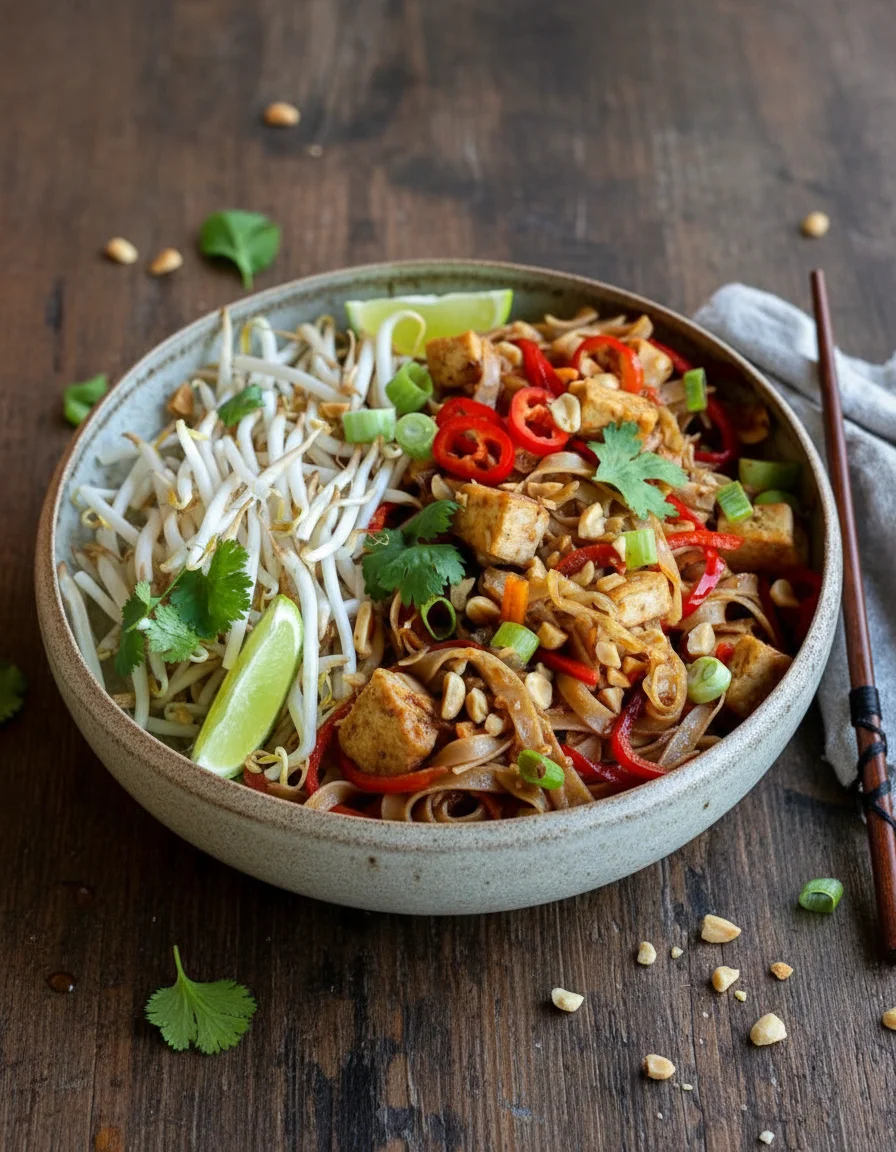


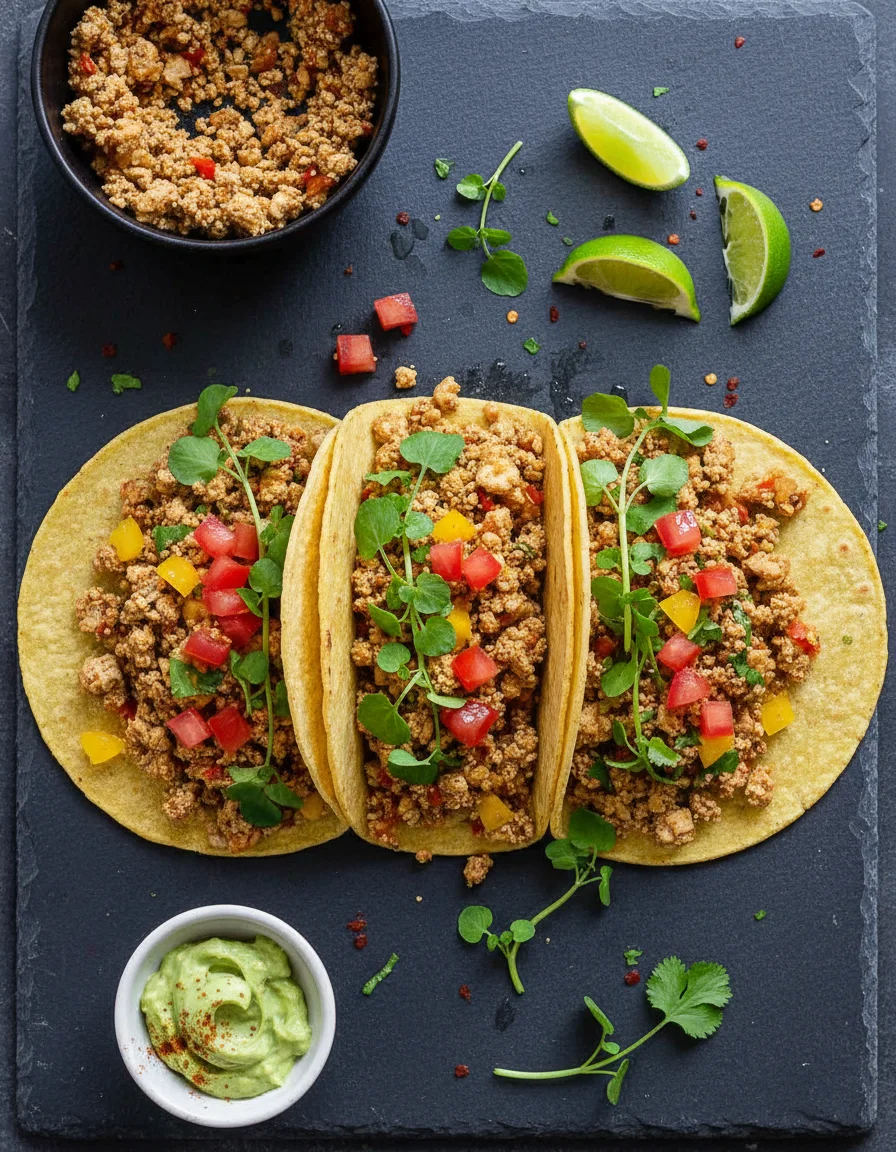
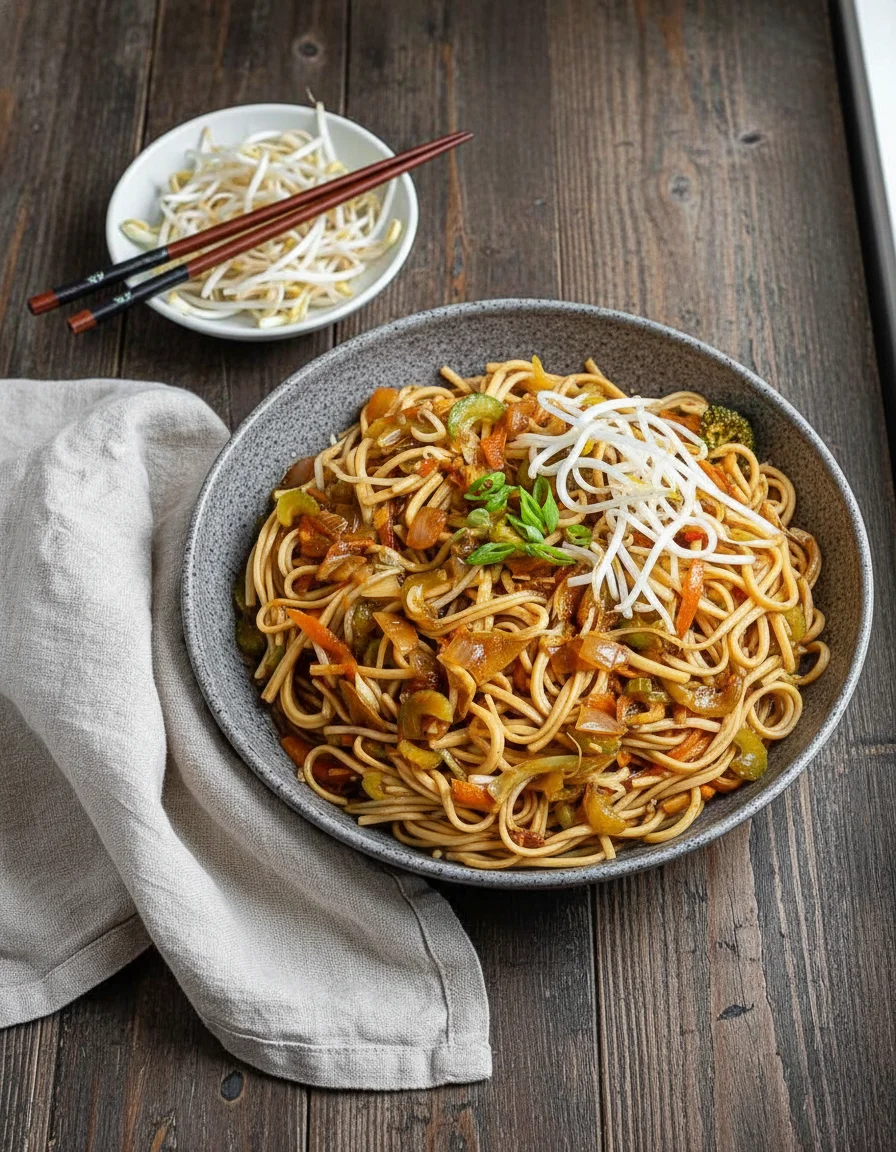





Showing 20 of 338 recipes