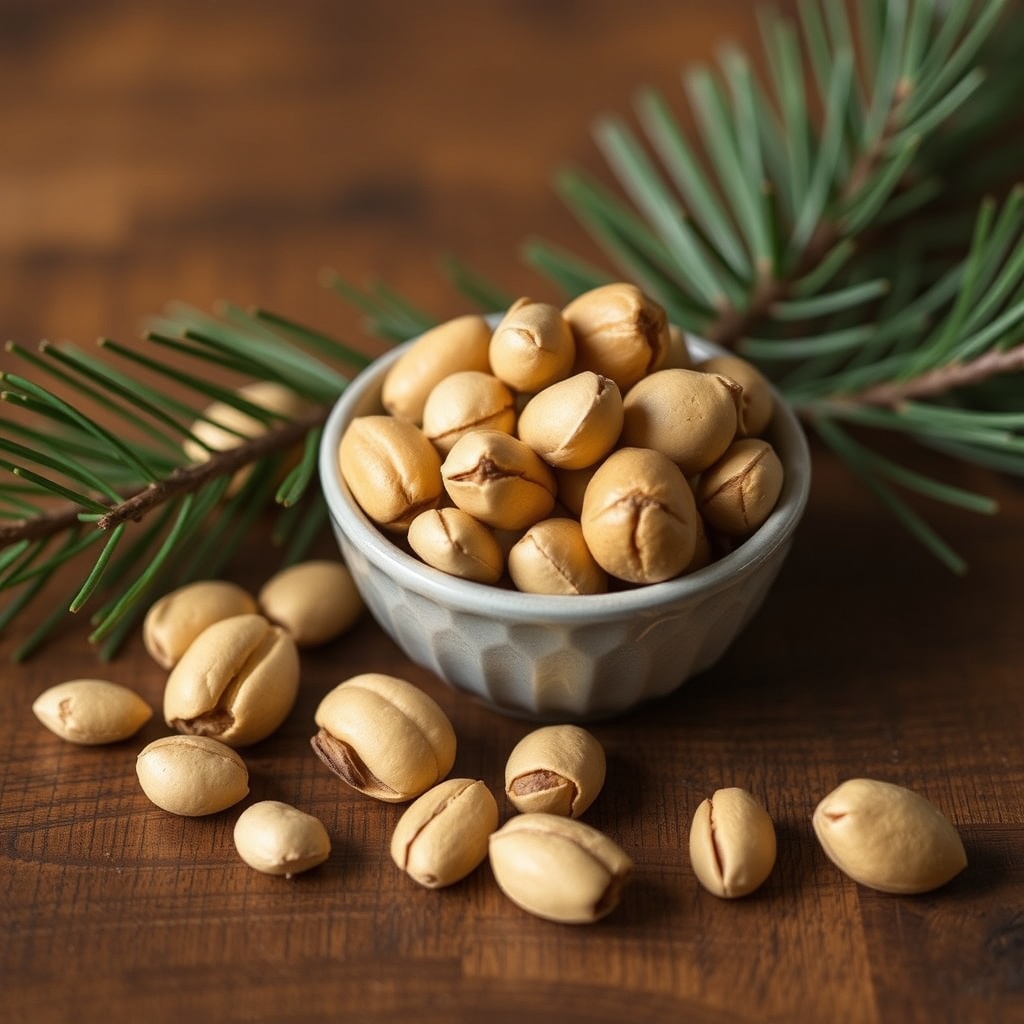
31+ Best Vegan Pine Nut Recipes (Healthy & Easy)
Discover the best vegan pine nut recipes, from creamy pestos to crunchy salads. Learn about their health benefits, how to select and store them, and much more!
About pine nuts
Welcome to the versatile world of pine nuts, tiny powerhouses that add a delightful buttery crunch and a subtle, resinous flavor to a myriad of vegan dishes. These small, elongated nuts, harvested from various species of pine trees, are a staple in many cuisines, from Mediterranean to Asian, and are especially beloved in vegan cooking for their ability to add richness and texture. Whether you're making a classic pesto, a vibrant salad, or a hearty main course, pine nuts elevate the flavor profile and nutritional value of any meal.
Health Benefits for Vegans
Pine nuts are more than just delicious; they're packed with essential nutrients, making them a fantastic addition to a plant-based diet. They are an excellent source of healthy fats, including polyunsaturated and monounsaturated fatty acids (68.37g total fat per 100g, with 34.071g polyunsaturated and 18.764g monounsaturated), which are crucial for heart health and nutrient absorption. For vegans, pine nuts offer a valuable plant-based protein boost (13.69g per 100g), helping you meet your daily requirements. They're also rich in essential minerals like magnesium (251mg), phosphorus (575mg), potassium (597mg), iron (5.53mg), and zinc (6.45mg), all vital for energy production, bone health, and immune function. Furthermore, pine nuts provide a good dose of Vitamin E (9.33mg), an antioxidant, and Vitamin K (53.9µg), important for blood clotting.
Selection Tips for Quality Pine Nuts
Choosing high-quality pine nuts ensures the best flavor and freshness for your recipes. Look for nuts that are plump, uniform in color, and have a fresh, slightly sweet aroma. Avoid any that appear shriveled, discolored, or have a rancid smell, as this indicates they are old or have not been stored properly. Many pine nuts are sold in airtight packaging, which helps preserve their freshness. If buying from bulk bins, make sure the store has a high turnover to ensure freshness.
Storage Tips to Keep Them Fresh
Due to their high oil content, pine nuts can go rancid quickly if not stored correctly. To maximize their shelf life and maintain their delicate flavor:
- Pantry: Store unopened packages in a cool, dark, dry place.
- Refrigerator: Once opened, transfer pine nuts to an airtight container or a heavy-duty freezer bag and store them in the refrigerator. This can extend their freshness for several weeks to a few months.
- Freezer: For long-term storage, the freezer is your best friend. Stored in an airtight container or freezer bag, pine nuts can remain fresh for up to a year. Freezing also helps prevent them from absorbing odors from other foods.
Before using frozen pine nuts, allow them to come to room temperature or toast them directly from frozen; no thawing is usually required.
Frequently Asked Questions
Pine nuts are incredibly versatile and often best when lightly toasted to enhance their flavor and crunch. To toast, spread them in a single layer on a dry skillet over medium-low heat. Cook for 3-5 minutes, stirring frequently, until they turn golden brown and fragrant. Watch them closely as they can burn quickly! Once toasted, remove them immediately from the hot pan to cool. You can also use them raw in pestos or for a softer texture.
pine nuts Recipes




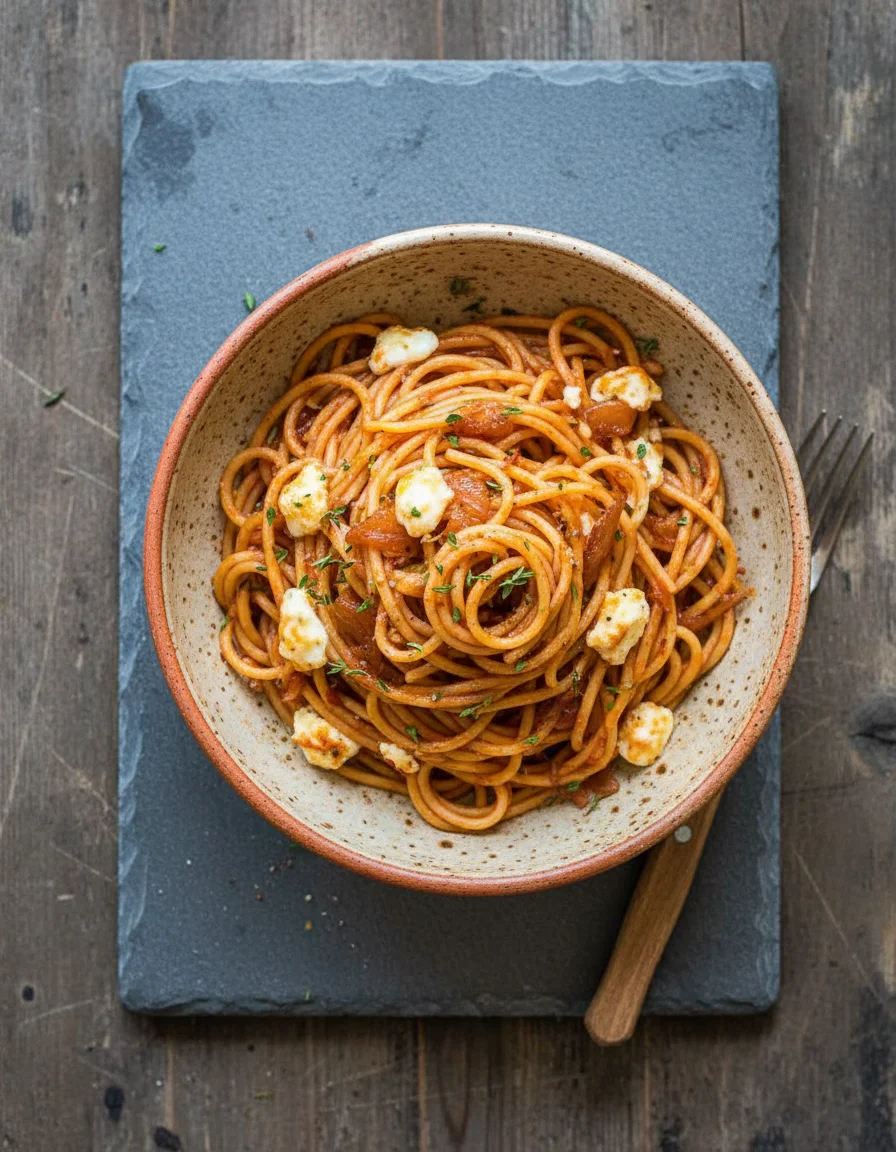
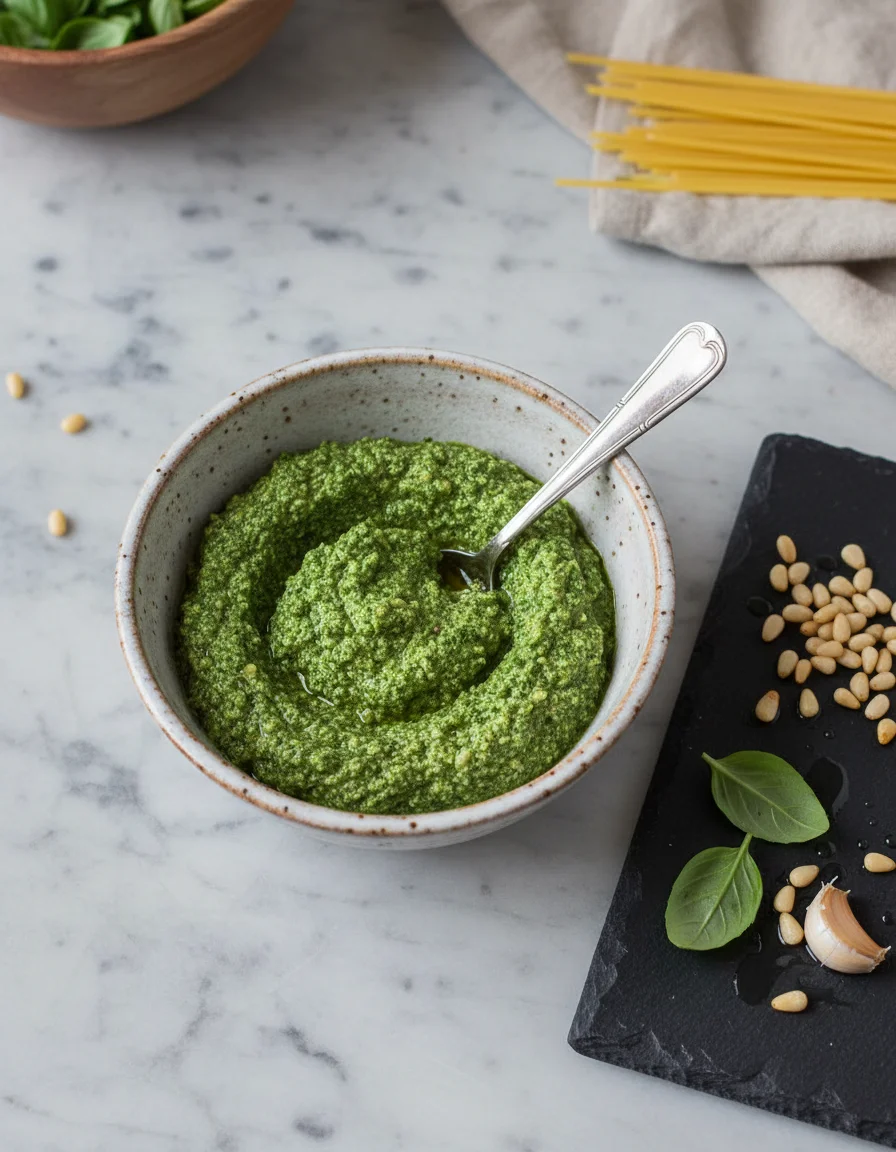

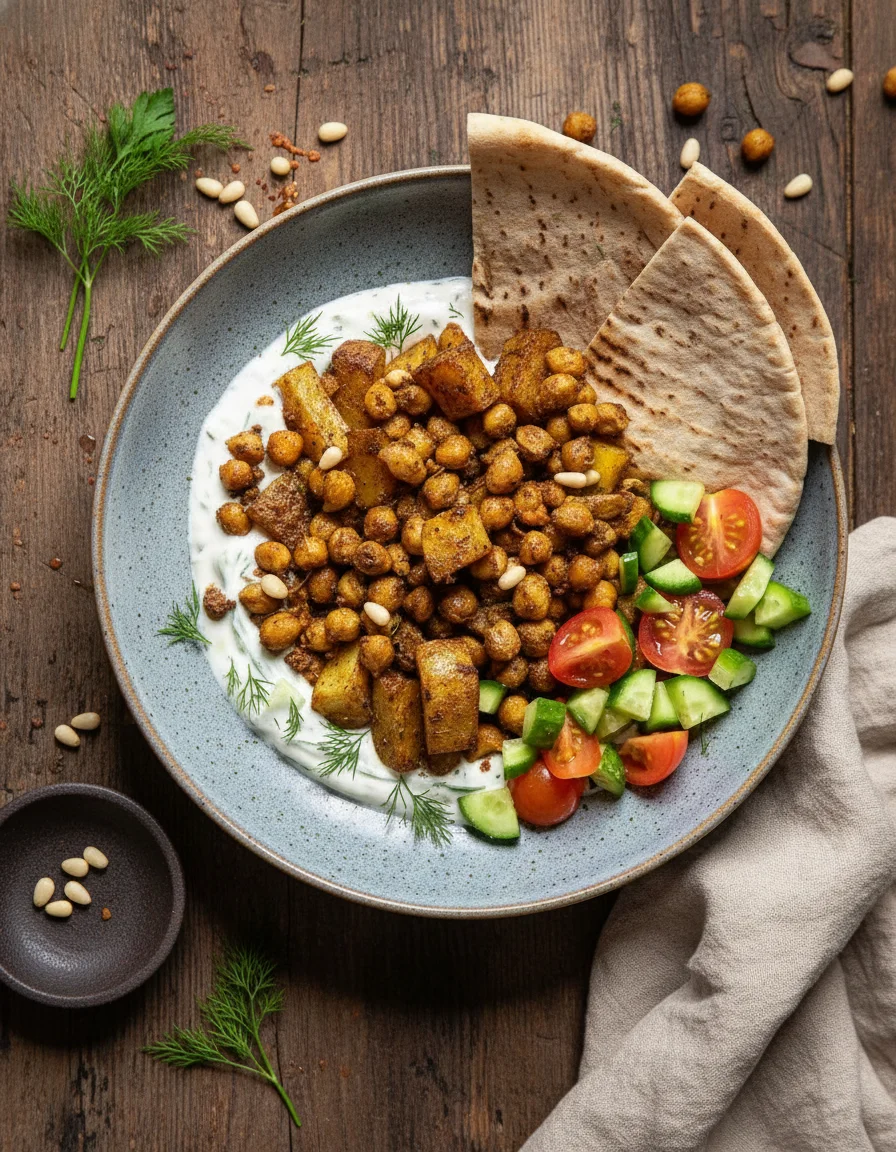
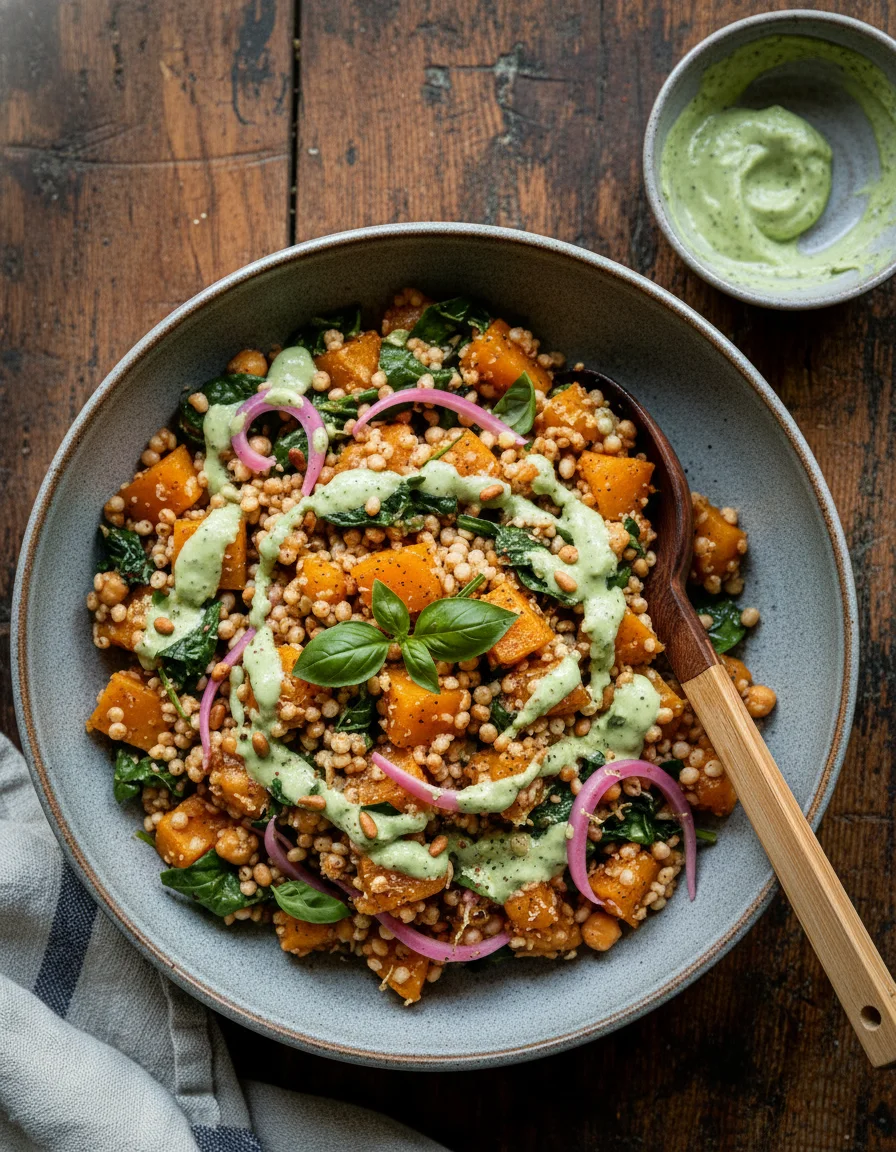

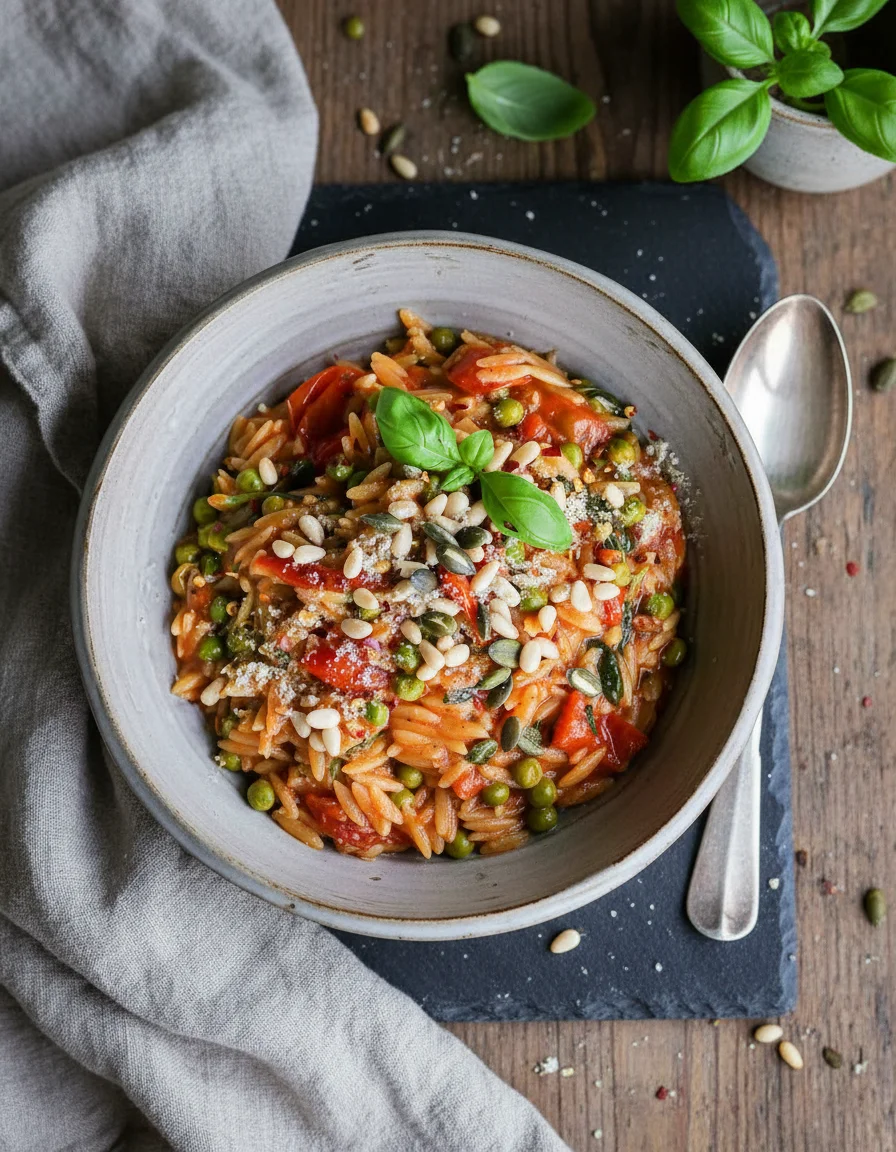
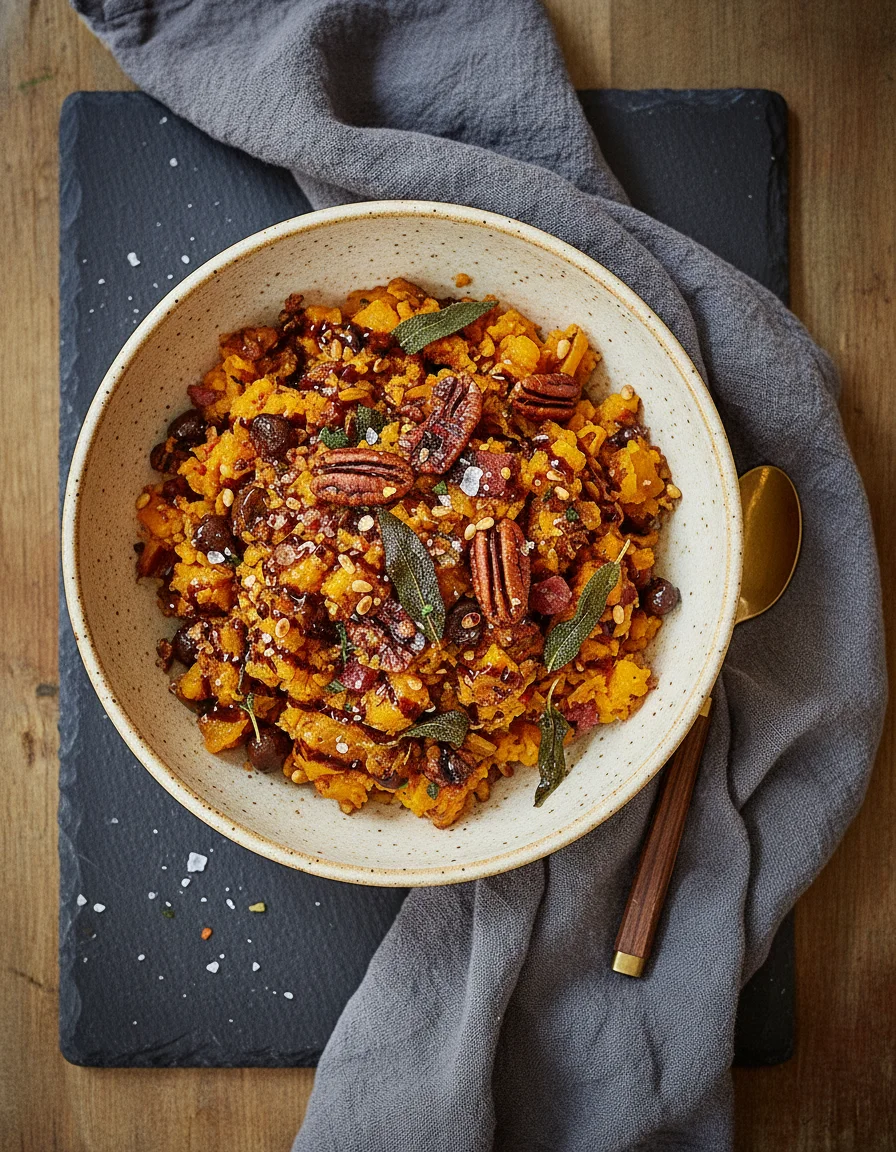
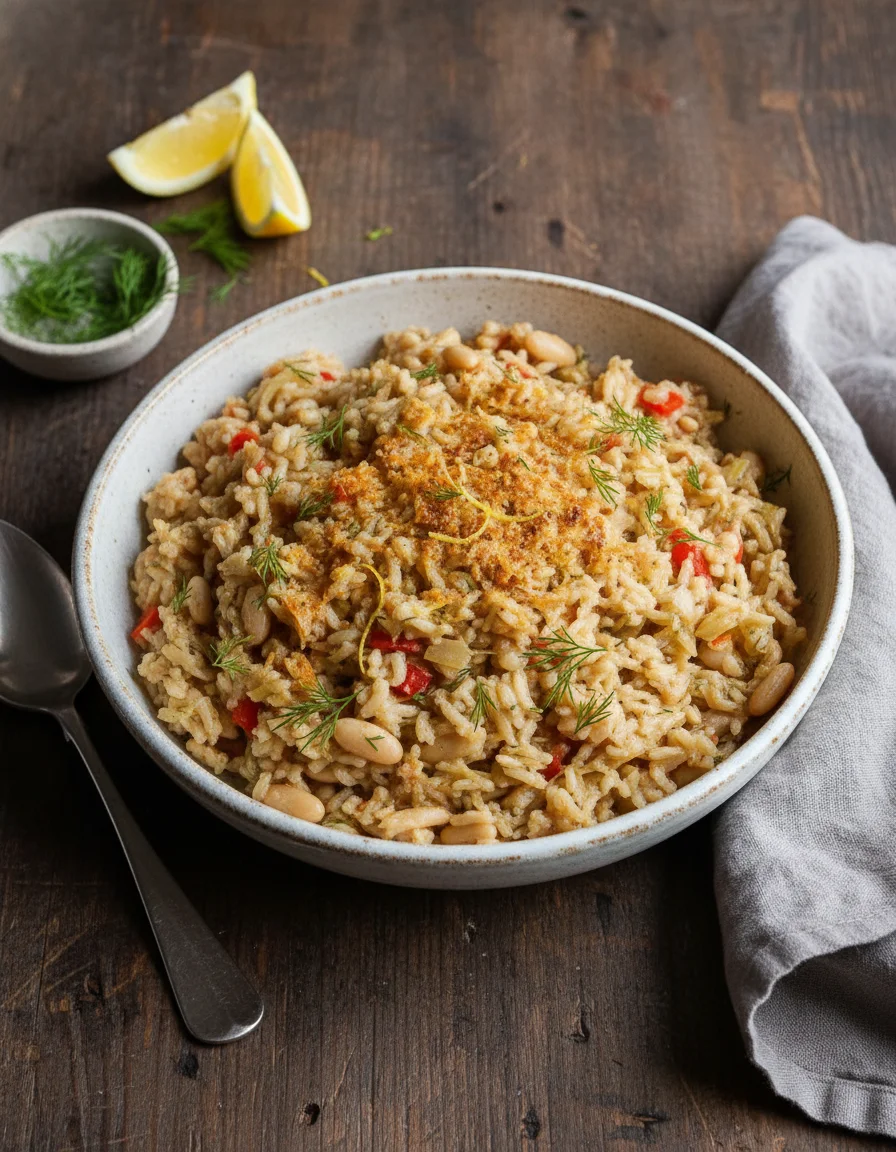

Showing 20 of 51 recipes