19+ Best Vegan Peanut Recipes (Healthy & Easy)
Discover the versatility of peanuts in 19+ delicious vegan recipes! From savory stir-fries to creamy sauces, explore healthy ways to cook with this plant-based
About peanuts
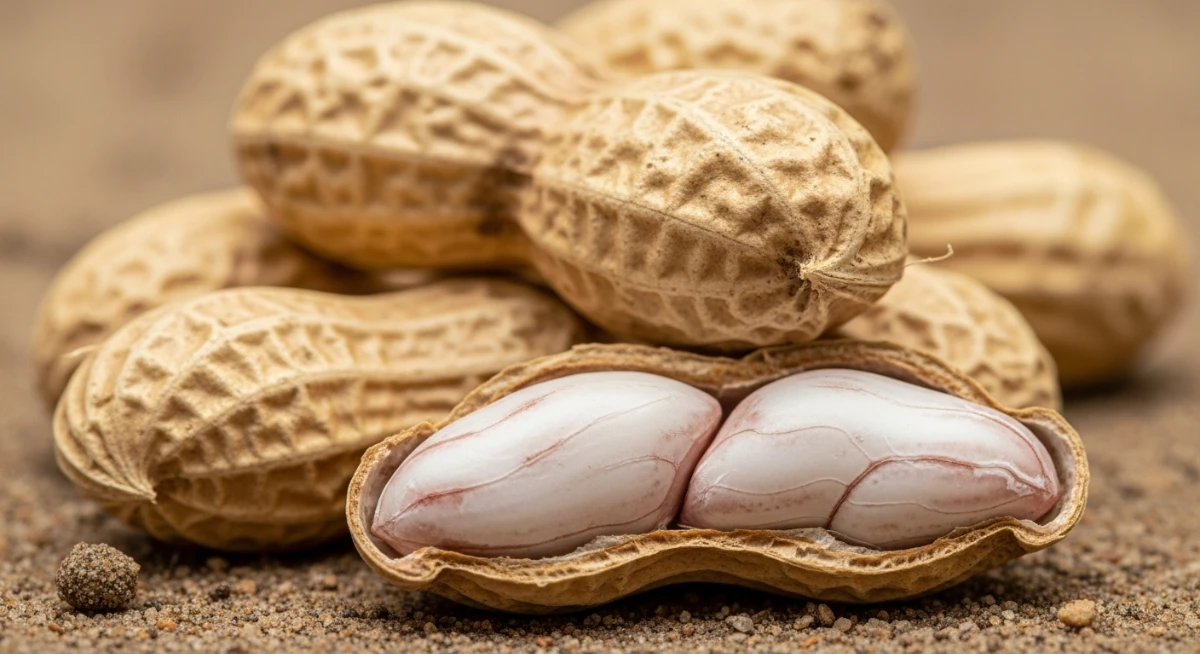
Often mistaken for nuts, peanuts are actually versatile and delicious legumes that hold a cherished spot in cuisines worldwide, especially in vibrant vegan cooking. From their satisfying crunch as a snack to their rich, creamy contribution to sauces and stir-fries, peanuts bring a unique depth of flavor and texture to countless plant-based dishes. Our site boasts over 19 vegan recipes featuring this incredible ingredient, proving just how essential peanuts are to a wholesome and flavorful vegan diet.
The Remarkable Health Benefits of Peanuts
For those following a vegan lifestyle, peanuts are a true nutritional powerhouse, offering a concentrated source of essential nutrients. They are an excellent source of plant-based protein, providing approximately 26 grams per 100 grams, making them invaluable for muscle repair, growth, and overall satiety. Beyond protein, peanuts are rich in healthy fats, particularly monounsaturated and polyunsaturated fatty acids, which are beneficial for heart health and can help manage cholesterol levels. They also pack a significant amount of dietary fiber (around 9.5 grams per 100 grams), aiding digestion, promoting gut health, and contributing to a feeling of fullness.
Peanuts are also brimming with essential vitamins and minerals. They are particularly high in Niacin (Vitamin B3), vital for energy metabolism and nerve function, and Folate (Vitamin B9), crucial for cell growth and development. Other notable nutrients include Thiamin (Vitamin B1), Magnesium, Phosphorus, Potassium, Zinc, Copper, Manganese, and Selenium. This impressive nutrient profile means that incorporating peanuts into your vegan diet can support everything from bone health and immune function to sustained energy levels and antioxidant protection.
Selecting the Best Peanuts
- Unshelled vs. Shelled: Opting for unshelled peanuts can be a good indicator of freshness, as their protective shell keeps them better preserved. Look for shells that are intact, clean, and free from cracks or discoloration.
- Appearance and Smell: If buying shelled peanuts, choose ones that look plump and evenly colored. Avoid any that appear shriveled, discolored, or have an off, musty, or rancid smell.
- Raw or Roasted: For cooking versatility, raw shelled peanuts are often preferred as they can be roasted, boiled, or used as a base for sauces. If buying roasted, choose dry-roasted and unsalted options when possible to control the sodium content in your dishes.
Storing Peanuts for Maximum Freshness
- Unshelled: Store unshelled peanuts in a cool, dry, dark place, such as a pantry or cupboard. They can last for several months this way.
- Shelled (Raw or Roasted): Place shelled peanuts in an airtight container to protect them from moisture and odors. Store them in the refrigerator for up to 6 months or in the freezer for up to a year. Freezing is an excellent option for extending their shelf life significantly.
- Peanut Butter: Store commercially processed peanut butter in a cool, dark pantry. Natural peanut butter, especially varieties that separate, should be refrigerated after opening to maintain freshness and prevent oil separation.
Peanuts are incredibly versatile in vegan cuisine, perfect for creating rich sauces, adding crunch to stir-fries, enriching curries, or even starring in desserts and baked goods. Their robust flavor and satisfying texture make them a fundamental ingredient for elevating any plant-based meal.
Frequently Asked Questions
Raw shelled peanuts can be dry-roasted on a baking sheet at 350°F (175°C) for 15-20 minutes, stirring occasionally, until fragrant and lightly browned. They can also be boiled for specific dishes, or used raw in some recipes. Roasting enhances their nutty flavor and crispness.
peanuts Recipes





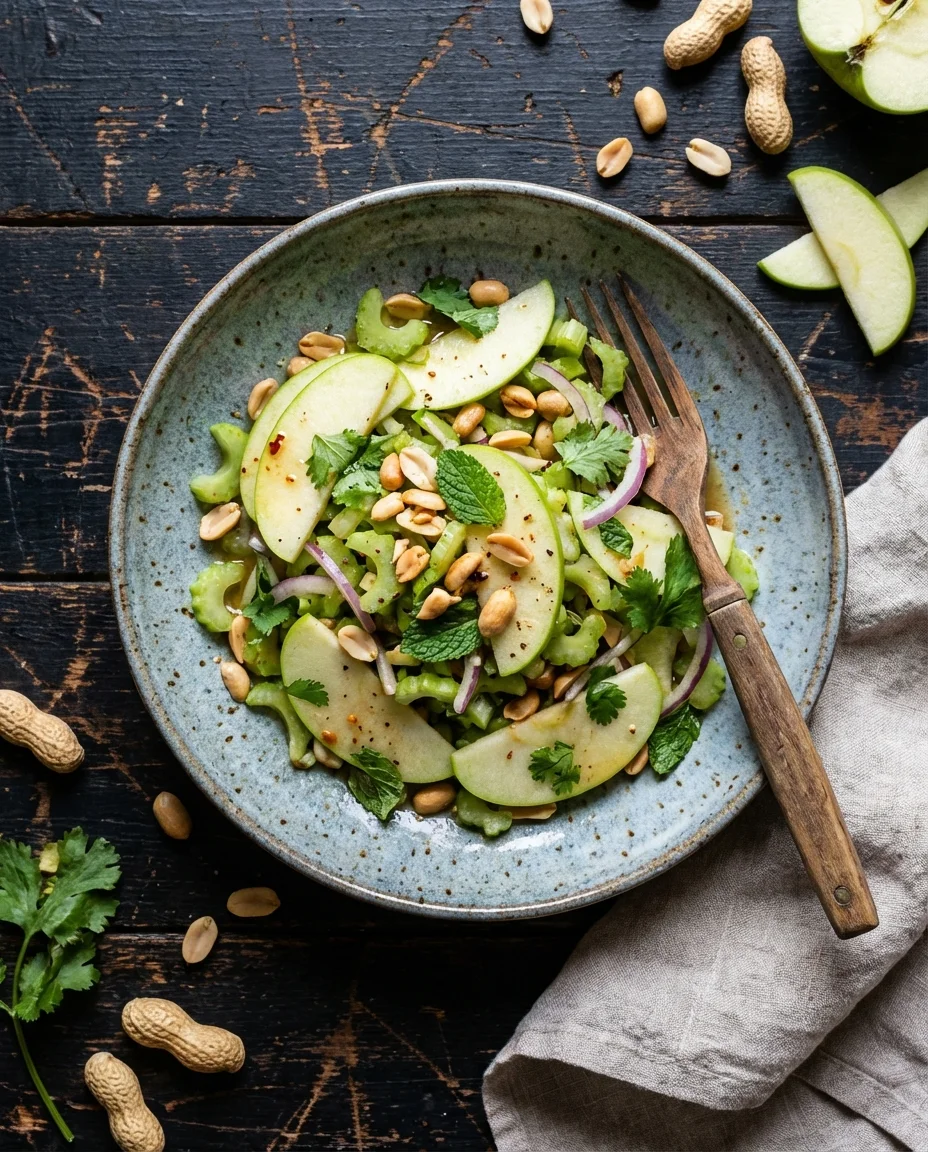
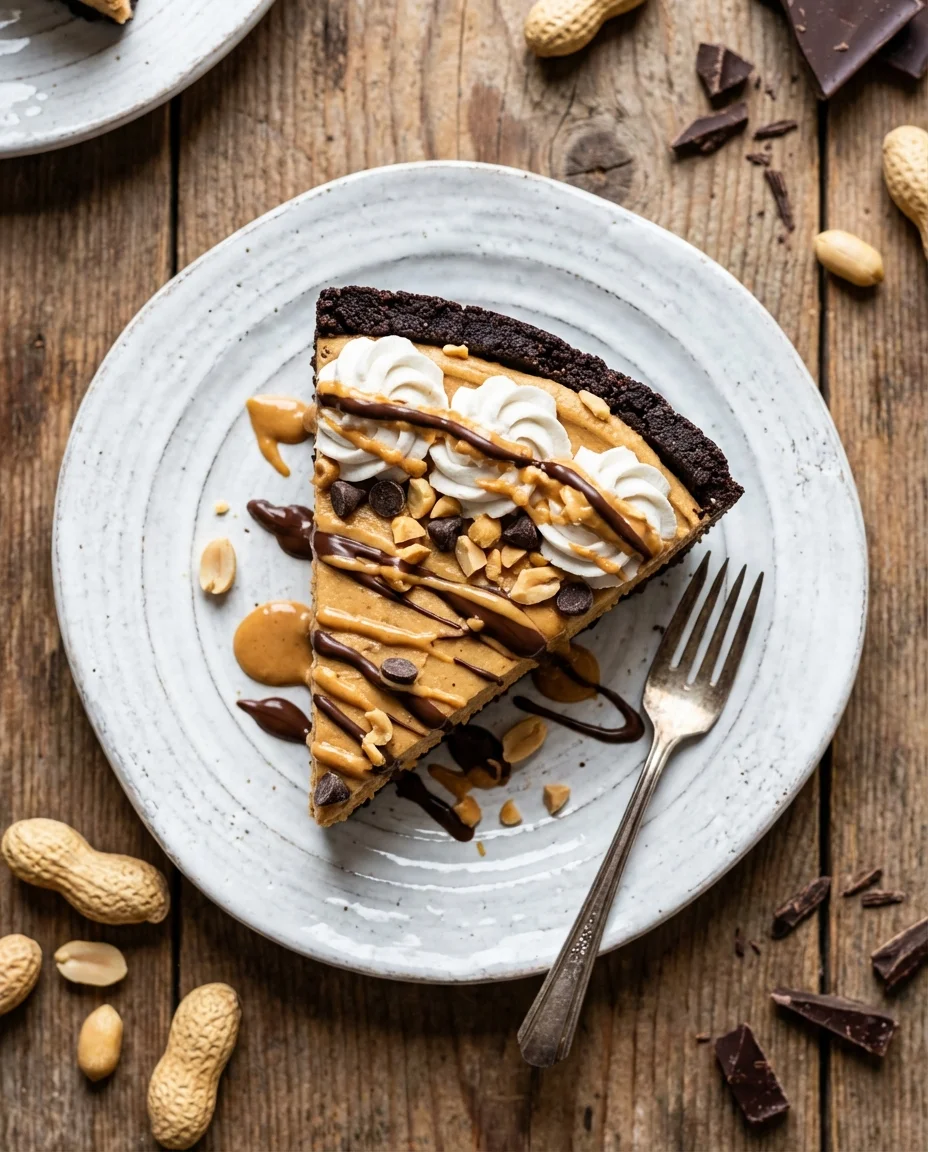


Showing 20 of 24 recipes