18+ Best Vegan Mango Recipes (Healthy & Easy)
Craving the tropical sweetness of mango? Discover 18+ delicious and healthy vegan mango recipes! From vibrant smoothies to savory salsas, explore how to enjoy t
About mango
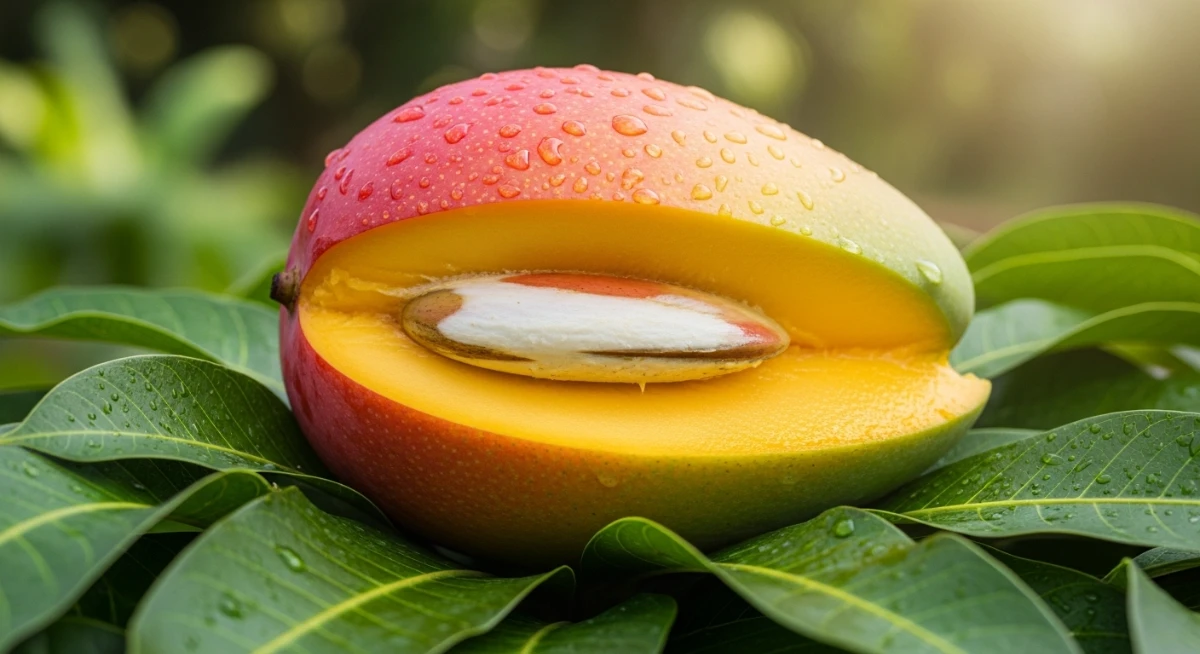
Welcome to the luscious world of mangoes, a truly magnificent tropical fruit that brings a burst of sunshine to any dish! Known for its vibrant color, sweet fragrance, and incredibly juicy, tender flesh, mango is a beloved ingredient in vegan kitchens worldwide. Whether you're blending it into a creamy smoothie, dicing it for a fresh salsa, or starring it in a vibrant curry, this stone fruit offers an unparalleled taste experience. Originating from South Asia, mangoes have been cultivated for thousands of years, celebrated not just for their delightful flavor but also for their impressive nutritional profile.
Health Benefits of Mangoes for Vegans
Mangoes are not only delicious but also packed with nutrients, making them a fantastic addition to any vegan diet. A single cup (about 165g) of raw mango provides a significant boost of vitamins and minerals. They are an excellent source of Vitamin C, offering around 36.4mg, which is crucial for immune function and skin health, and acts as a powerful antioxidant. Mangoes are also rich in Vitamin A (324.6 µg RAE), essential for vision, immune system support, and cell growth. You'll also find a good amount of dietary fiber (1.6g per cup), which aids in healthy digestion and can help regulate blood sugar levels. Beyond these, mangoes contribute essential minerals like potassium (168mg per cup) for heart health, magnesium, and small amounts of B vitamins, copper, and Vitamin E, all vital for overall well-being.
How to Select the Perfect Mango
Choosing a ripe mango can sometimes feel like a mystery, as color alone isn't always the best indicator. Here’s what to look for:
- Feel for Firmness: Gently squeeze the mango. A ripe mango should yield slightly, similar to a ripe avocado or peach. Avoid rock-hard mangoes (under-ripe) or overly soft, mushy ones (over-ripe).
- Smell the Stem: A ripe mango will have a fragrant, sweet, and fruity aroma near the stem end. If it smells sour or alcoholic, it's likely over-ripe.
- Check for Blemishes: Look for smooth, unblemished skin. Small black spots are normal and can indicate ripeness, but avoid mangoes with large bruises or shriveled skin.
- Consider the Variety: Different varieties have different skin colors when ripe (e.g., Ataulfo mangoes turn golden yellow, while Tommy Atkins remain reddish-green). Focus on the feel and smell.
Storing Your Mangoes
Proper storage ensures you get the most out of your tropical treasure:
- Unripe Mangoes: Store unripe mangoes at room temperature on your counter. To speed up ripening, you can place them in a paper bag.
- Ripe Mangoes: Once ripe, mangoes can be stored in the refrigerator for up to five days to slow down the ripening process.
- Freezing Mangoes: For longer storage, peel and cube your ripe mango. Lay the pieces in a single layer on a baking sheet lined with parchment paper and freeze until solid. Then, transfer the frozen cubes to an airtight freezer-safe bag or container. They can be stored for up to six months and are perfect for smoothies, sorbets, or frozen desserts.
From sweet to savory, the versatility of mango in vegan cuisine is truly remarkable. Get ready to explore our 18+ vegan mango recipes and discover new ways to enjoy this incredible fruit!
Frequently Asked Questions
A ripe mango will typically yield slightly to gentle pressure, similar to a peach. It should also have a sweet, fruity aroma near the stem. Don't rely solely on color, as different varieties ripen to different hues.
mango Recipes





Showing 20 of 27 recipes