36+ Best Vegan Bread Recipes (Healthy & Easy)
Discover delicious and easy vegan bread recipes for every meal! Learn how to select, store, and enjoy plant-based bread options that are healthy and versatile.
About bread
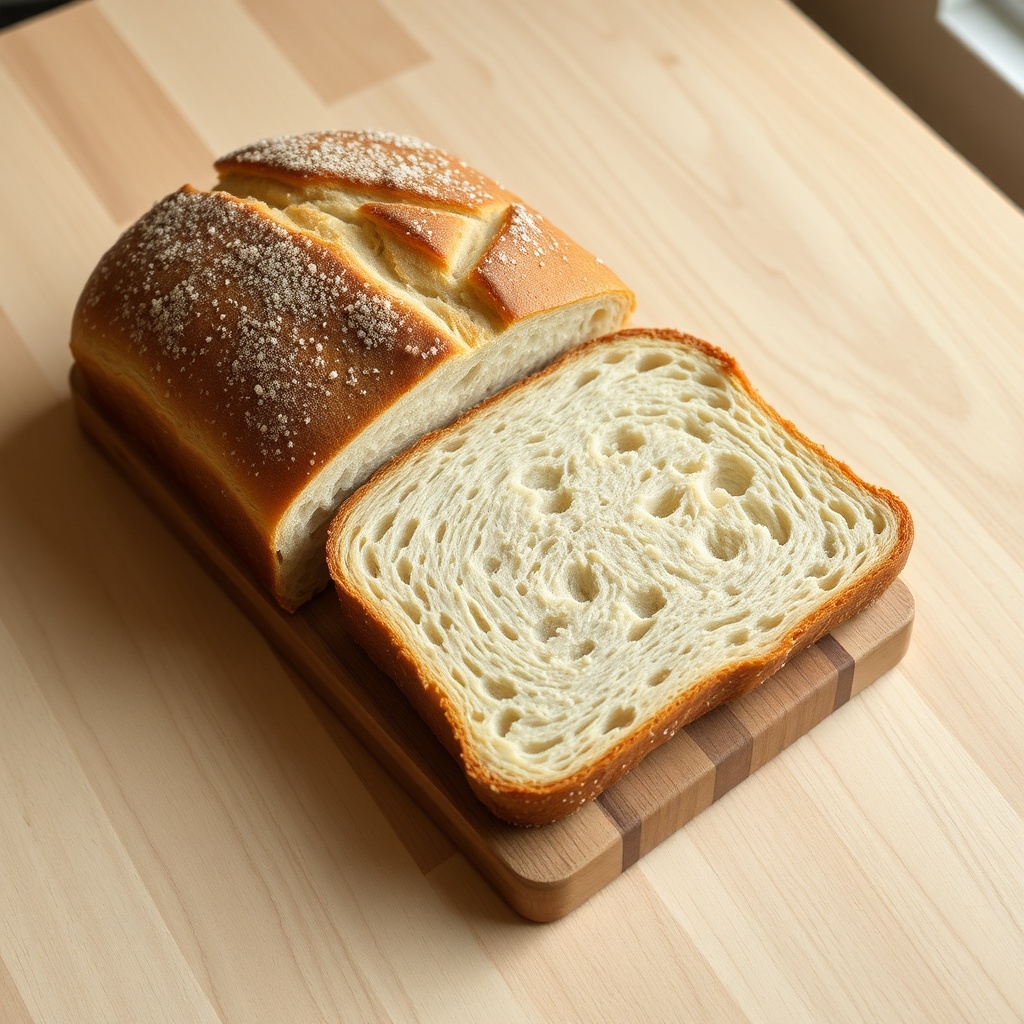
Bread, in its myriad forms, is a global staple and a comforting presence on countless tables. For vegans, it’s a foundational ingredient that often sparks a common question: Is my bread truly plant-based? While many traditional breads contain animal products like dairy, eggs, or honey, the good news is that the world of vegan bread is vast, delicious, and ever-expanding. From artisanal loaves perfect for dipping in olive oil to soft sandwich slices for your favorite plant-based fillings, bread offers incredible versatility and a satisfying bite in any vegan kitchen.
The Nutritional Power of Vegan Bread
Beyond its delicious taste, bread, especially whole-grain varieties, offers significant nutritional benefits that are valuable for a vegan diet. It's a fantastic source of carbohydrates, providing essential energy to fuel your day. Based on typical nutritional data, a single slice can offer a good contribution of carbohydrates, along with some plant-based protein (around 1.4g per 25g slice), which is vital for muscle repair and growth. Furthermore, bread contains dietary fiber (around 0.7g per 25g slice), which aids digestion, promotes gut health, and helps you feel fuller for longer. Many breads are also fortified with iron (around 0.77mg per 25g slice), an important mineral for energy metabolism that vegans need to pay attention to. Choosing whole wheat or sprouted grain breads amplifies these benefits, adding more fiber, vitamins, and minerals to your diet.
Selecting the Best Vegan Bread
Navigating the bread aisle as a vegan requires a keen eye. The primary rule is always to read the ingredient label carefully. Look out for common non-vegan culprits such as milk (including milk powder, whey, casein), eggs, and honey. Beyond these obvious animal products, some less apparent ingredients to watch for include L-Cysteine (a dough conditioner often derived from animal sources, though plant-based versions exist) and certain mono- and diglycerides, which can also be animal-derived emulsifiers. Your safest bet is to look for breads explicitly labeled "vegan" or "plant-based" by reputable brands. Artisan bakeries are often happy to disclose ingredients or may have clearly marked vegan options. Prioritize whole-grain options for maximum nutritional impact.
Optimal Storage for Freshness
Keeping your vegan bread fresh ensures every bite is as enjoyable as the first. For short-term storage (a few days), an airtight container or bread box at room temperature is usually sufficient. Avoid refrigerating bread, as this can actually make it stale faster by accelerating starch retrogradation, leading to a dry texture. If you don't plan to finish the loaf within a few days, freezing is your best option. Slice the bread before freezing, then store it in an airtight, freezer-safe bag. This allows you to pull out individual slices as needed, simply toasting or warming them up for instant freshness. Frozen bread can last for several months without significant loss of quality.
Unleashing Bread's Vegan Versatility
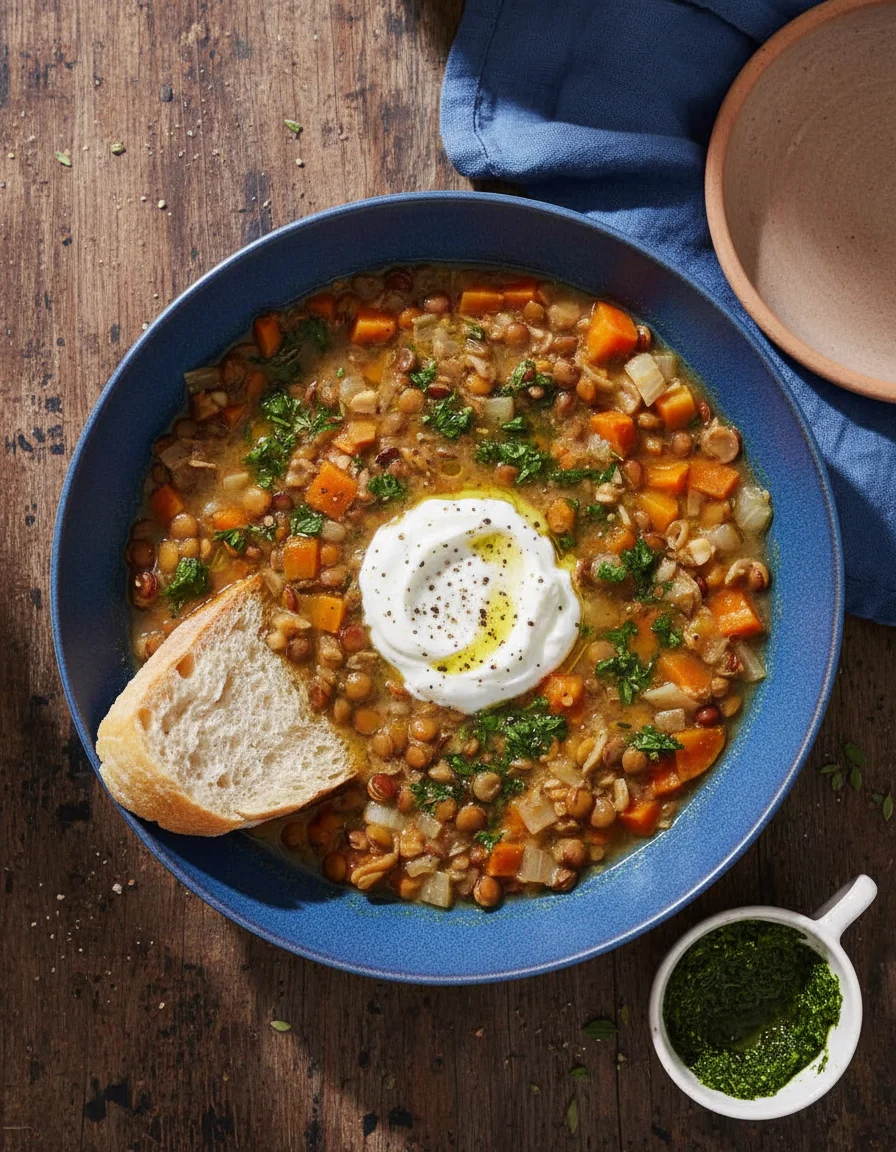
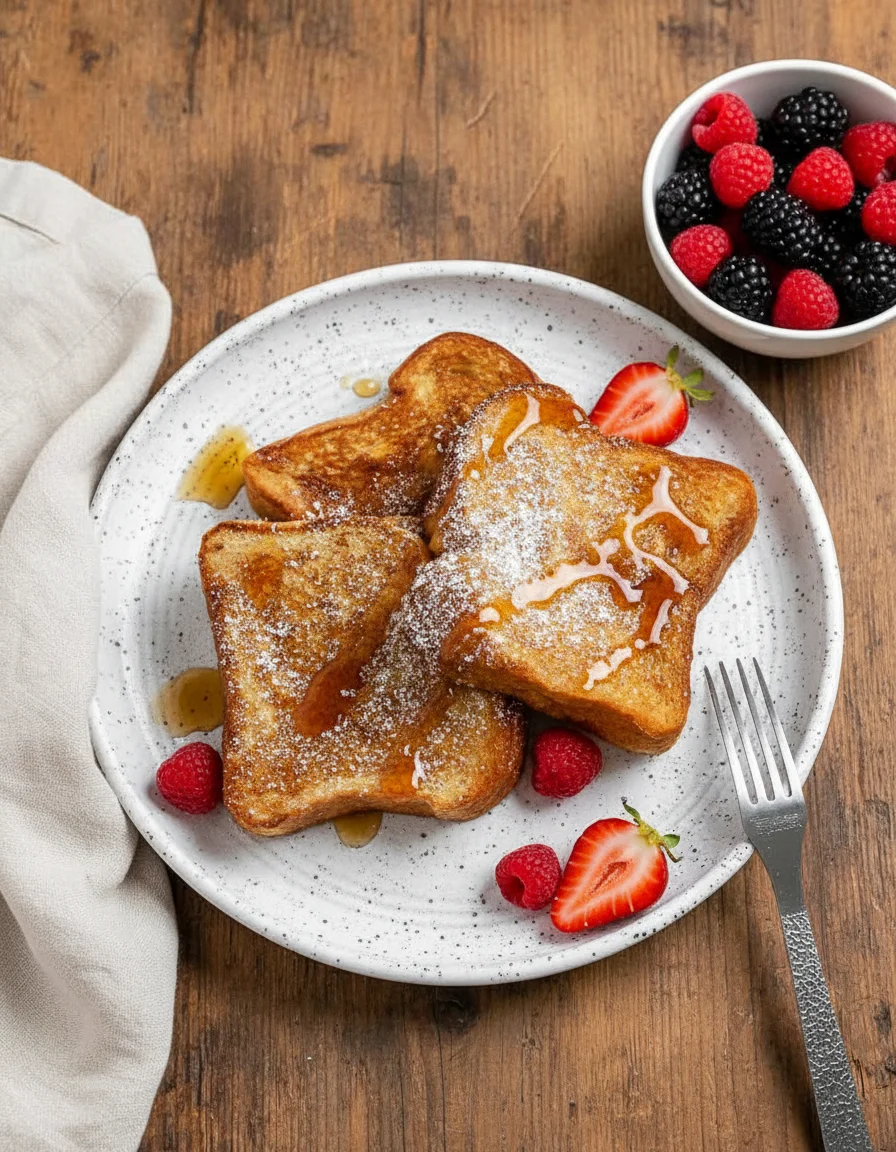
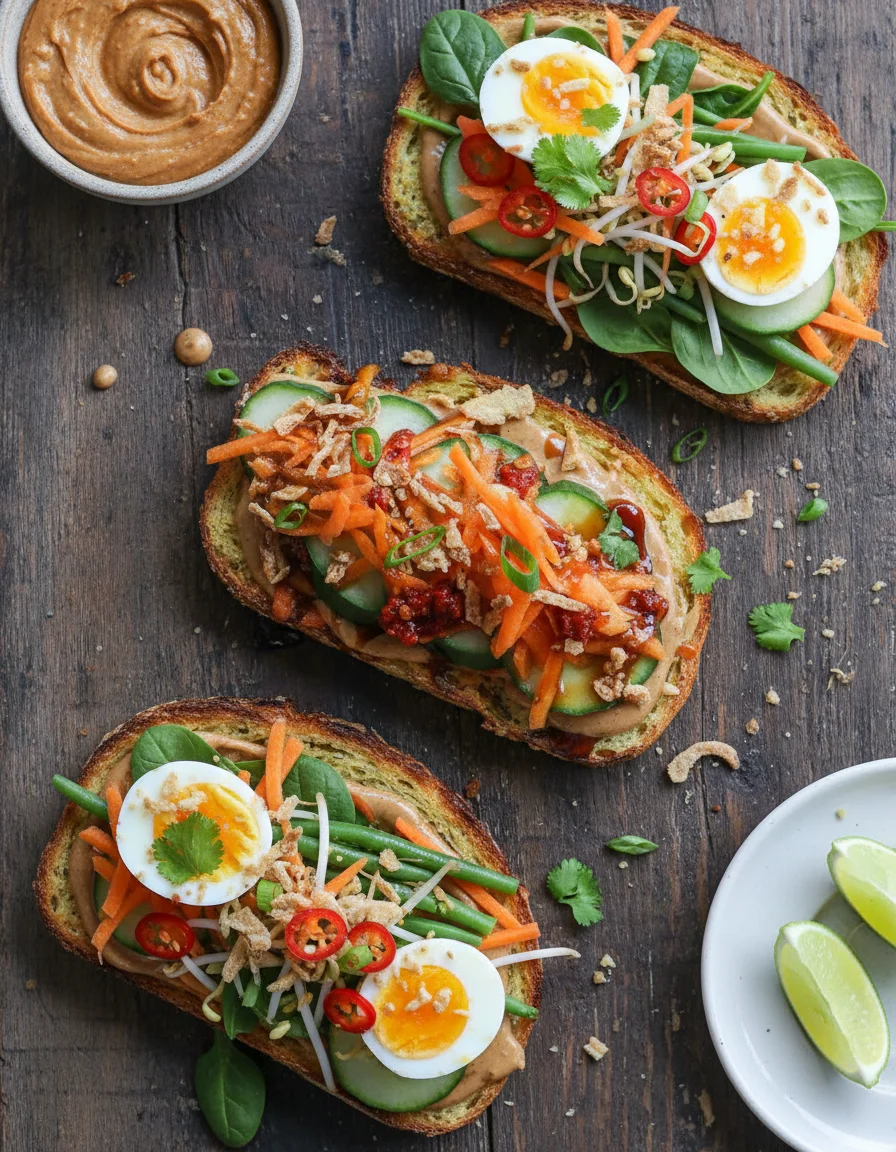
From the simplest toast to complex culinary creations, vegan bread is incredibly versatile. It's the perfect base for avocado toast, hearty sandwiches, or grilled plant-based cheese. Transform stale bread into crispy croutons for salads or blend it into flavorful breadcrumbs for coatings or binding agents. Use it to sop up rich curries and stews, or as the star of a sweet vegan French toast. With so many types available—sourdough, rye, whole wheat, ciabatta, baguettes—there's a vegan bread for every occasion and every recipe on our site, making it an indispensable part of your plant-based pantry.
Vegan Substitutions
Plant-based alternatives for bread in your recipes
| Original Ingredient | Replace with | Vegan Alternative | Notes |
|---|---|---|---|
| Non-vegan bread | Certified vegan bread or homemade vegan bread | Always check ingredient labels thoroughly for hidden animal products like dairy, eggs, honey, L-Cysteine, and certain emulsifiers (mono- and diglycerides). Many brands now clearly label their products as 'vegan' or 'plant-based'. |
Substitution ratios may vary by recipe. Start with a 1:1 ratio and adjust to taste.
Frequently Asked Questions
Not all bread is vegan, so it's essential to check ingredient labels carefully. Common non-vegan ingredients found in bread include dairy (milk, milk powder, whey, casein), eggs, and honey. Less obvious animal-derived ingredients can also be present, such as L-Cysteine (a dough conditioner, sometimes from animal sources) and certain mono- and diglycerides (emulsifiers that can be animal-derived). Even some sugars can be processed using bone char, though this is less common in bread itself and more for general sugar production. Always look for breads explicitly labeled 'vegan' or 'plant-based,' or choose brands you trust that disclose all their ingredients.
bread Recipes







Showing 20 of 62 recipes