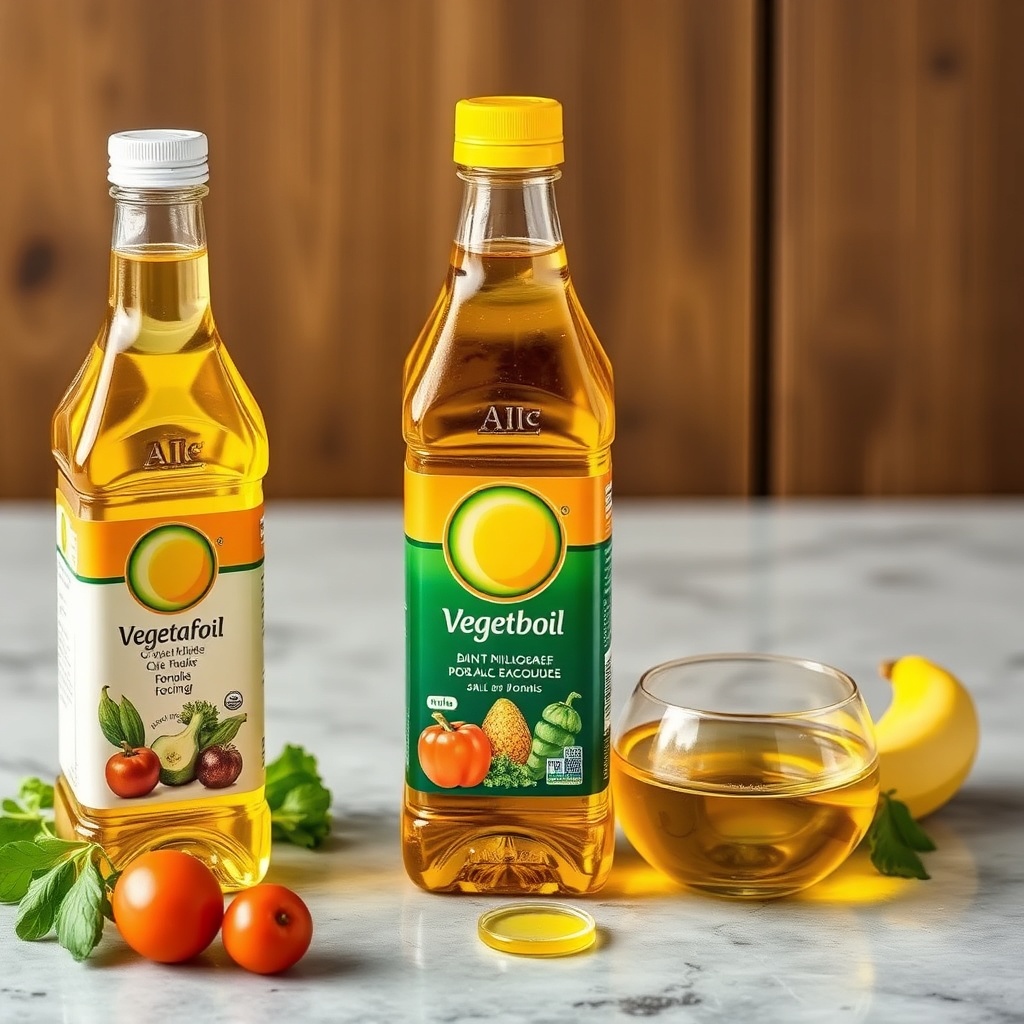
205+ Best Vegan Vegetable Oil Recipes (Healthy & Easy)
Unlock the culinary potential of vegetable oil in vegan cooking! Discover 205+ healthy and easy plant-based recipes, perfect for everything from crispy stir-fri
About vegetable oil
Welcome to the ultimate guide to vegetable oil in vegan cooking! Often overlooked but undeniably essential, vegetable oil is a cornerstone in countless plant-based recipes. From sautéing aromatic vegetables to achieving perfectly crispy pan-fried tofu, creating fluffy baked goods, or crafting creamy dressings, its versatility knows no bounds. With over 205 vegan recipes on our site utilizing this kitchen staple, it's clear that understanding how to best select, use, and store vegetable oil is key to elevating your vegan culinary skills.
Health Benefits of Vegetable Oil in a Vegan Diet
While "vegetable oil" is a broad term encompassing many different types (like canola, sunflower, soybean, corn, and blends), many offer significant health benefits, especially when chosen wisely. As naturally plant-based fats, they are cholesterol-free and contain varying amounts of unsaturated fats, including monounsaturated and polyunsaturated fats, which are known to support heart health when consumed in moderation as part of a balanced diet. Certain vegetable oils, like sunflower and corn oil, are good sources of Vitamin E, an antioxidant. They also provide essential fatty acids that the body cannot produce on its own. Integrating healthy fats from vegetable oils is crucial for nutrient absorption, particularly for fat-soluble vitamins (A, D, E, K), ensuring you get the most out of your nutrient-rich vegan diet. Always consider the specific type of vegetable oil for its nutritional profile and cooking application.
Selecting the Best Vegetable Oil
Choosing the right vegetable oil depends on your cooking needs:
- For high-heat cooking (frying, sautéing, roasting): Opt for oils with a high smoke point, such as canola oil, sunflower oil, grapeseed oil, or refined avocado oil. These oils can withstand higher temperatures without breaking down and producing unhealthy compounds.
- For neutral flavor: Canola, sunflower, and corn oils are excellent choices for baking or dishes where you don't want the oil to impart a strong flavor.
- For specific flavors: While technically vegetable oils, olive oil (fruity) and coconut oil (tropical) are often chosen for their distinct flavors, though they have lower smoke points than some other options.
- Quality matters: Look for cold-pressed or expeller-pressed varieties when possible, as these methods extract oil without chemical solvents. Organic options can also be a good choice for those prioritizing purity.
Storage Tips for Freshness
Proper storage is vital to prevent vegetable oils from going rancid, which can negatively impact flavor and health benefits. Here's how to keep them fresh:
- Cool, dark place: Store oils away from direct sunlight and heat sources (like the stove). A pantry or cupboard is ideal.
- Tightly sealed: Always ensure the cap is securely fastened to prevent exposure to air, which can accelerate oxidation and rancidity.
- Avoid refrigeration (mostly): While some oils (like flaxseed) benefit from refrigeration, most common vegetable oils like canola or sunflower can become cloudy and solidify, though this doesn't typically affect quality once returned to room temperature. Olive oil, however, is best kept at room temperature.
- Check the expiration date: Most oils have a "best by" date, but pay attention to any off smells (like crayons or stale nuts) which indicate rancidity, regardless of the date.
Embrace the versatility of vegetable oil in your vegan kitchen! It's an indispensable ingredient for achieving delicious textures and flavors in everything from savory main courses to delightful desserts.
Vegan Substitutions
Plant-based alternatives for vegetable oil in your recipes
| Original Ingredient | Replace with | Vegan Alternative | Notes |
|---|---|---|---|
| Butter | Vegetable Oil (various types) | Use neutral-flavored vegetable oils (like canola or sunflower) for sautéing, frying, and many baked goods where butter’s specific flavor isn't crucial. Use a 1:1 ratio by volume for melted butter, but adjust for solid butter texture. | |
| Lard | Vegetable Oil | Vegetable oil is a direct and effective substitute for lard in deep-frying and pan-frying due to its high smoke point. For baking applications like pie crusts, vegan shortening may yield a more similar texture. |
Substitution ratios may vary by recipe. Start with a 1:1 ratio and adjust to taste.
Frequently Asked Questions
Vegetable oil is incredibly versatile! It's perfect for sautéing vegetables, frying plant-based proteins like tofu and tempeh, roasting root vegetables, and preparing stir-fries. It’s also a key ingredient in many vegan baked goods for moisture and richness, and forms the base for homemade salad dressings and marinades.
vegetable oil Recipes
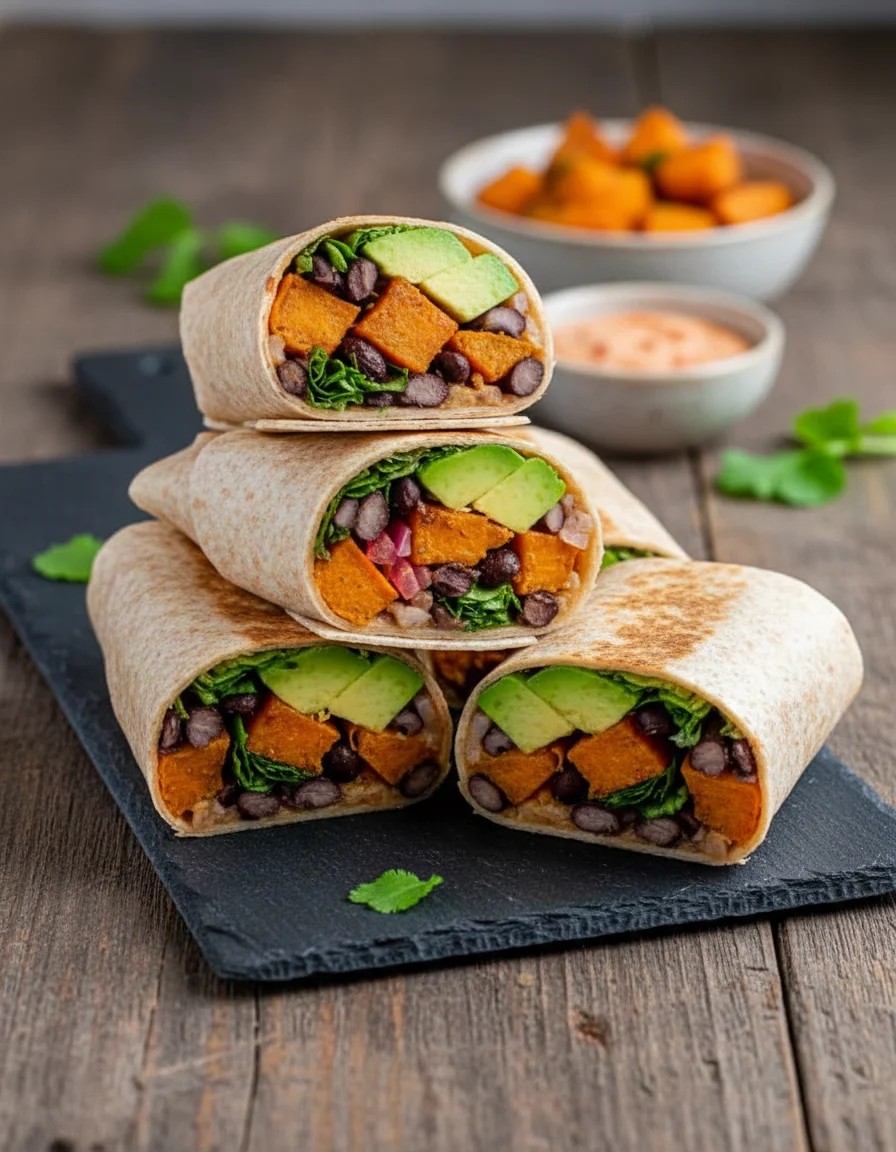

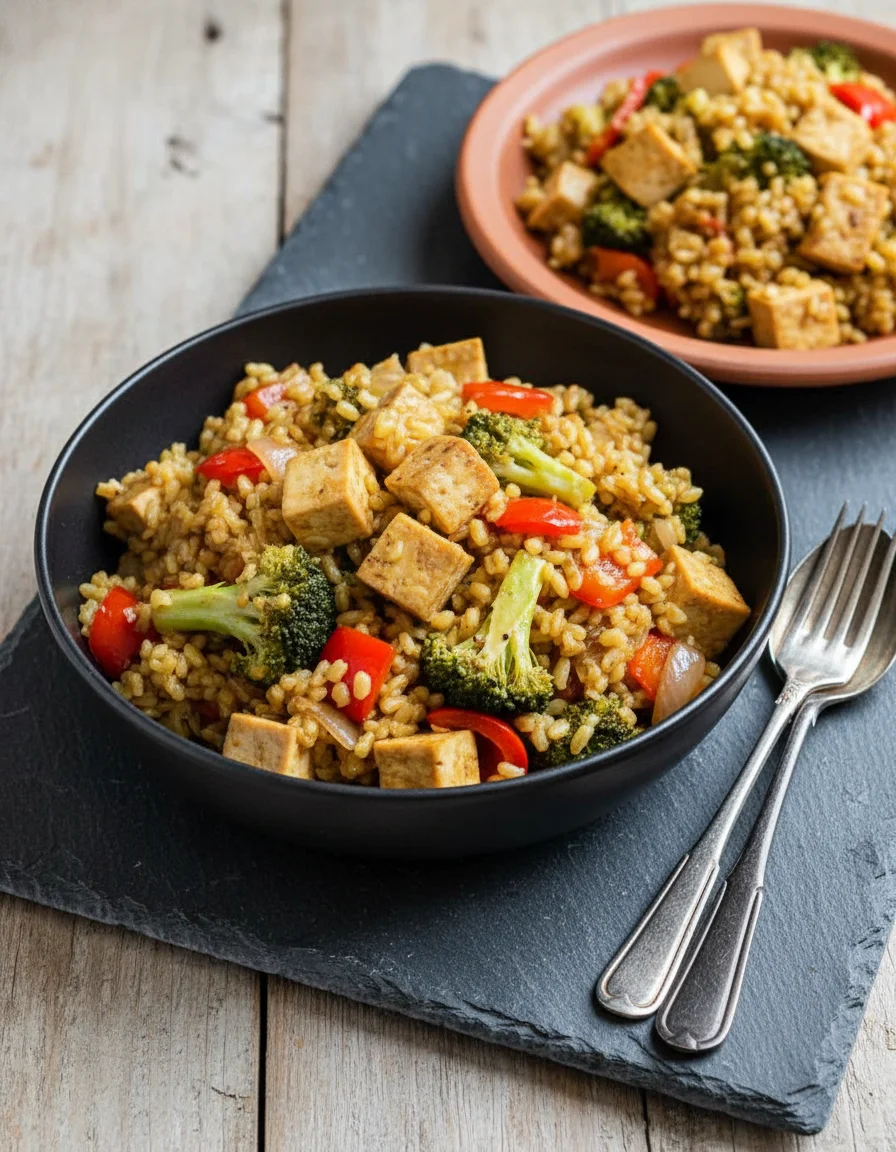

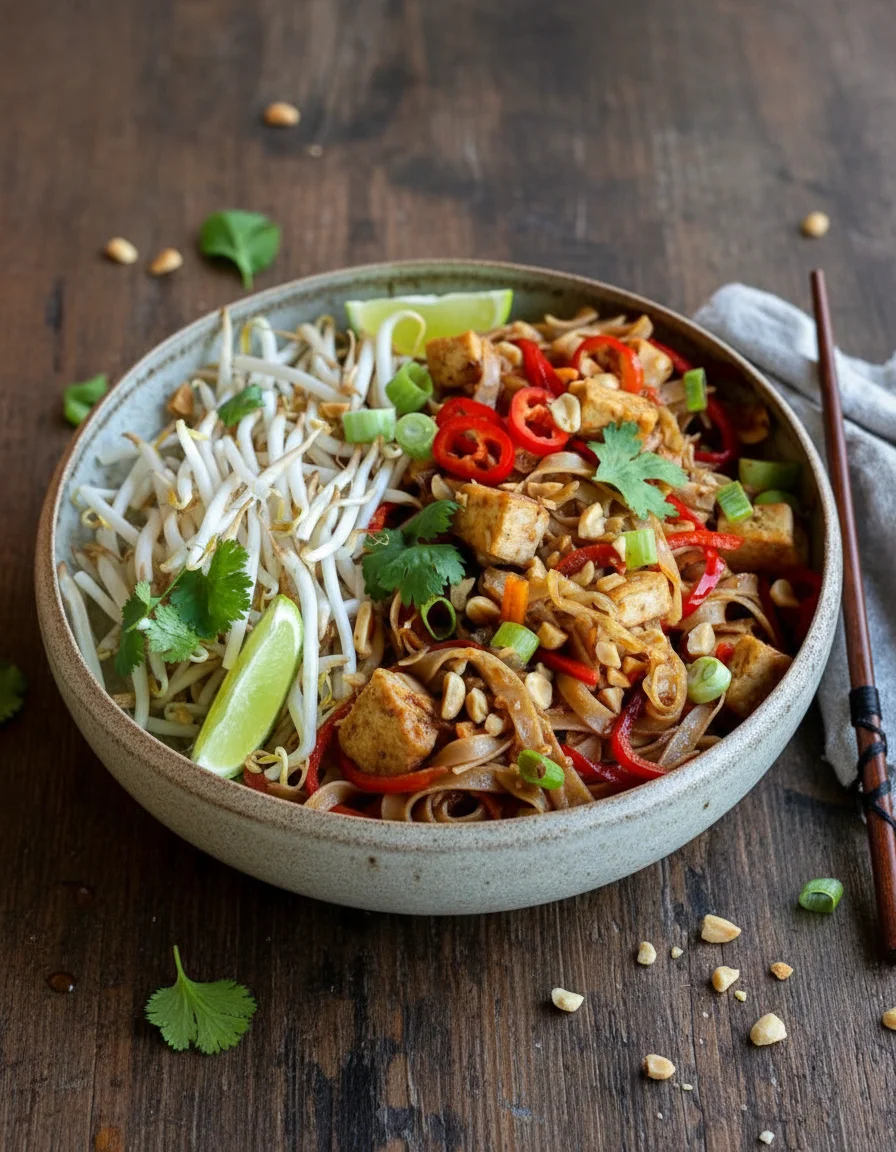



Showing 20 of 238 recipes