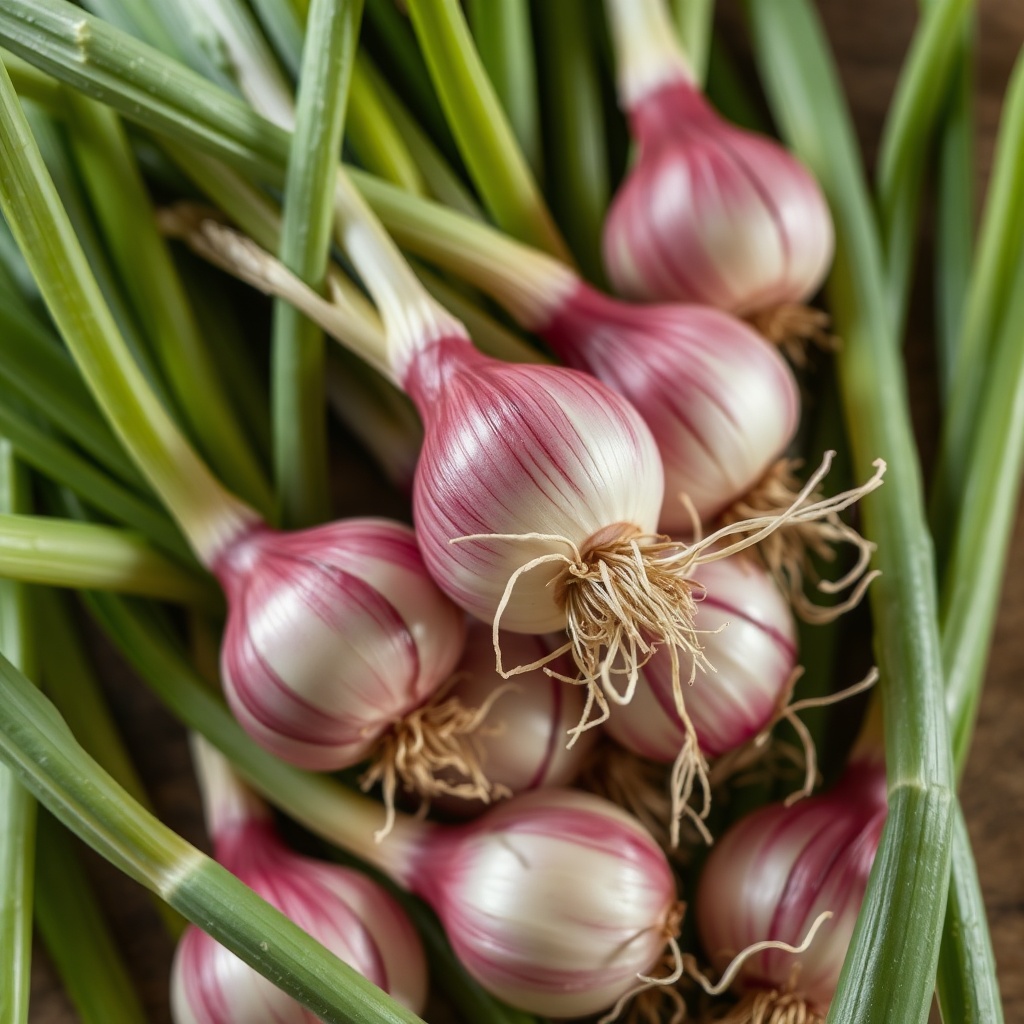
57+ Best Vegan Shallot Recipes (Healthy & Flavorful Plant-Based Meals)
Discover 57+ incredible vegan shallot recipes! Elevate your plant-based meals with the delicate flavor of shallots, from savory sautés to aromatic sauces. Find
About shallots
Welcome to the ultimate guide for cooking with shallots in your vegan kitchen! Often considered the sophisticated cousin to the common onion, shallots offer a nuanced, delicate flavor profile that is less pungent than an onion but more complex than garlic. Their mild sweetness and aromatic qualities make them an indispensable ingredient for elevating a wide range of plant-based dishes, transforming simple ingredients into gourmet experiences. With over 57 vegan recipes featuring shallots on our site, you’re about to unlock a world of culinary possibilities, from deeply savory main courses to light and bright dressings.
Health Benefits of Shallots for a Vegan Diet
Shallots are not just flavor powerhouses; they are also packed with impressive health benefits, making them a fantastic addition to any vegan diet. As a member of the allium family, they are rich in powerful antioxidants, particularly flavonoids like quercetin, which are known for their anti-inflammatory and immune-boosting properties. They are a good source of vitamins, including Vitamin A, Vitamin C, and Vitamin B6, essential for vision, immune function, and metabolism, respectively. Shallots also provide important minerals such like potassium and folate. The sulfur compounds found in shallots, similar to those in garlic, contribute to their unique flavor and have been studied for their potential cardiovascular benefits. Incorporating shallots regularly into your vegan meals can support overall wellness and add a delicious, nutrient-dense kick.
Selecting the Best Shallots
To ensure the best flavor and quality in your cooking, choose shallots that are firm and heavy for their size. Look for smooth, dry outer skin free from any soft spots, blemishes, or sprouts. Avoid any shallots that feel squishy or appear to have mold. Smaller to medium-sized shallots often have a more concentrated and sweeter flavor, while larger ones can sometimes be slightly more onion-like. The skin color can vary from reddish-brown to golden, all indicating good quality.
Storing Shallots to Maximize Freshness
Proper storage is key to keeping your shallots fresh and flavorful for weeks, or even months. Store whole, unpeeled shallots in a cool, dark, and dry place with good air circulation, such as a mesh bag in your pantry or a basket in a cupboard. Avoid storing them in plastic bags, as this can trap moisture and lead to spoilage. It's also best to keep them away from potatoes, as both release gases that can accelerate spoilage in the other. Once peeled or chopped, shallots should be stored in an airtight container in the refrigerator and used within a few days to maintain their pungent flavor and crisp texture.
The Versatility of Shallots in Vegan Cuisine
Shallots are incredibly versatile and can be used in countless ways to enhance vegan dishes. They shine when thinly sliced raw in vinaigrettes and salads, offering a delicate crunch and mild bite. When sautéed, they become tender and sweet, forming the aromatic base for soups, stews, sauces, and curries. Caramelized shallots are a delightful topping for roasted vegetables, grain bowls, or vegan burgers, bringing a rich, deep sweetness. Their elegant flavor makes them perfect for creamy vegan risottos, savory tarts, and delicate stir-fries. Explore our collection of 57+ vegan recipes to see just how many delicious ways you can incorporate shallots into your plant-based cooking!
Vegan Substitutions
Plant-based alternatives for shallots in your recipes
| Original Ingredient | Replace with | Vegan Alternative | Notes |
|---|---|---|---|
| Shallots | Yellow Onion or Red Onion | If shallots are unavailable, a yellow or red onion can be used as a substitute. Use approximately 1/2 of a small yellow onion or 1/3 of a small red onion for every two shallots, adjusting to taste as onions have a stronger, more pungent flavor. Red onions are slightly milder when raw, while yellow onions caramelize beautifully like shallots. |
Substitution ratios may vary by recipe. Start with a 1:1 ratio and adjust to taste.
Frequently Asked Questions
Preparing shallots is simple. First, trim off both the root and stem ends. Then, gently peel away the papery outer skin. For most recipes, you'll either thinly slice, dice, or mince the shallot. To mince, slice it in half lengthwise, make several horizontal cuts (not all the way through the root end), then make vertical cuts before dicing finely.
shallots Recipes
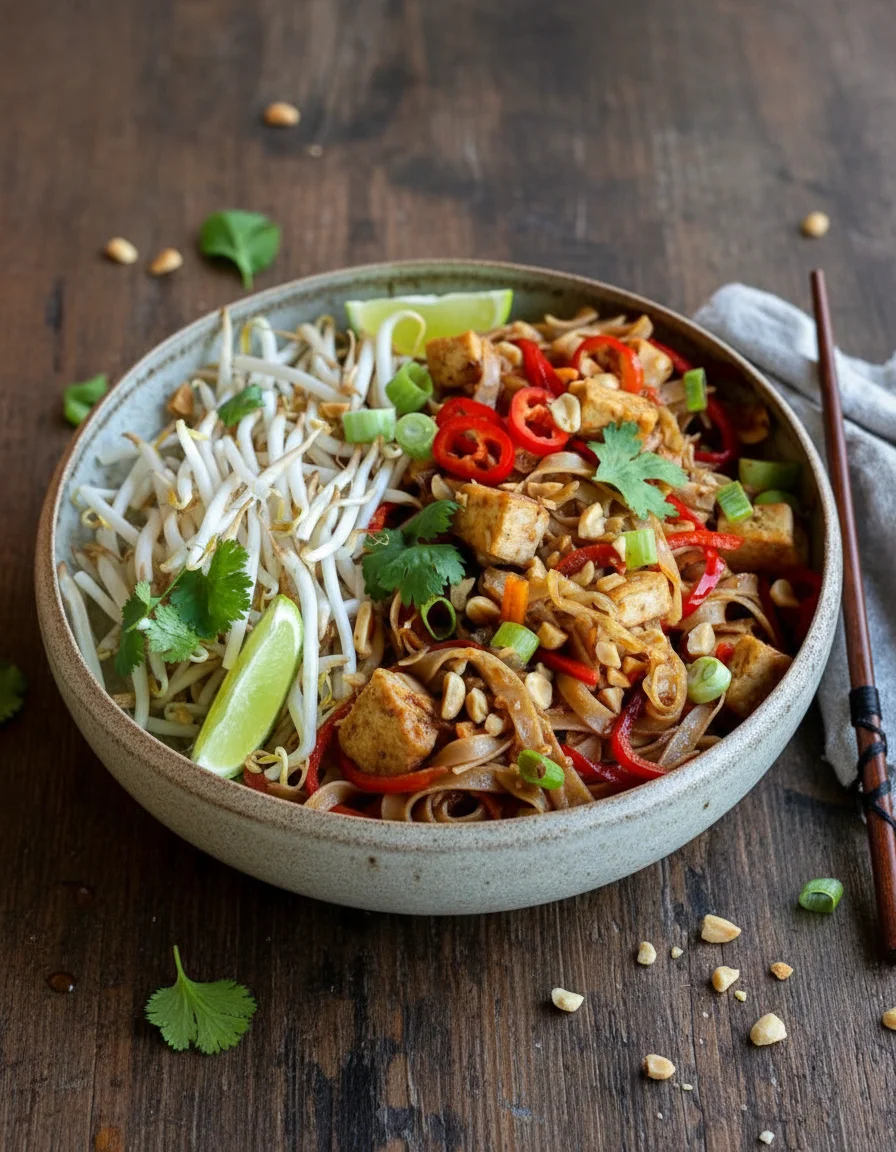
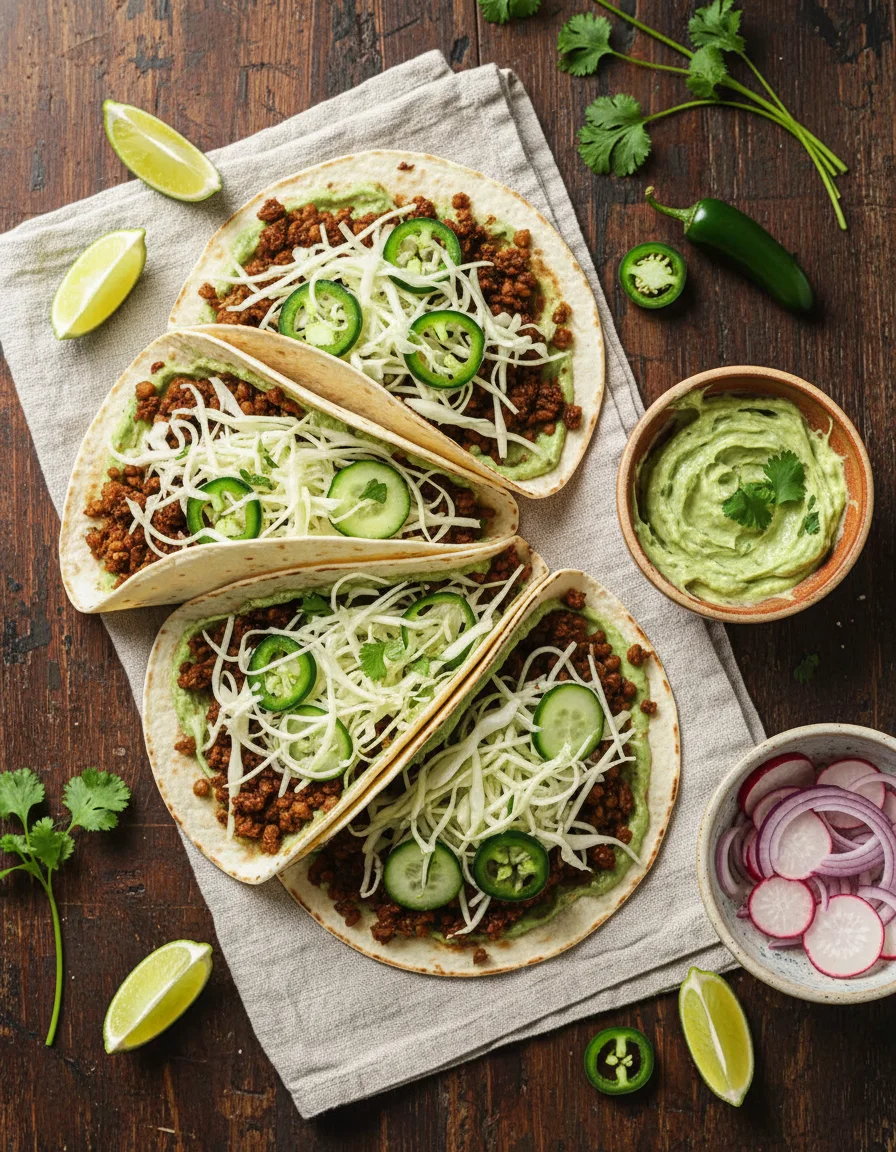

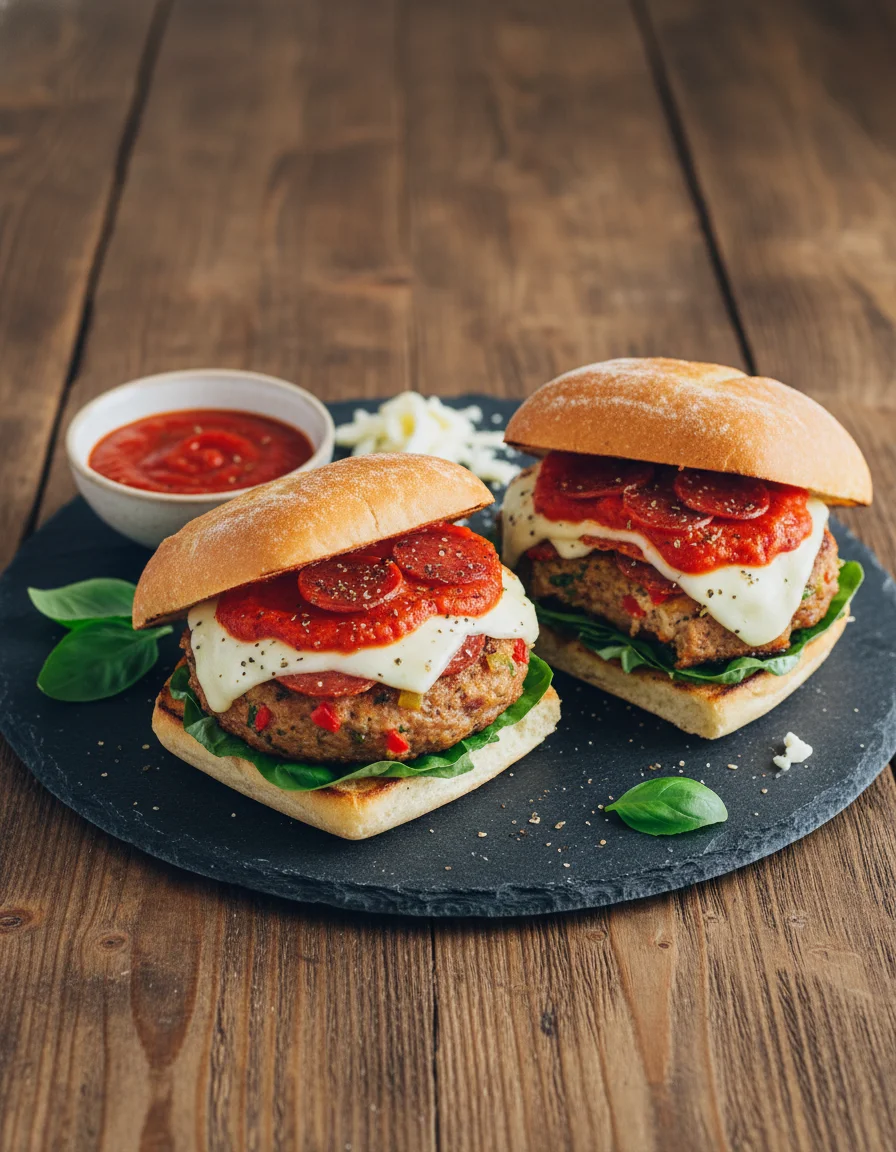



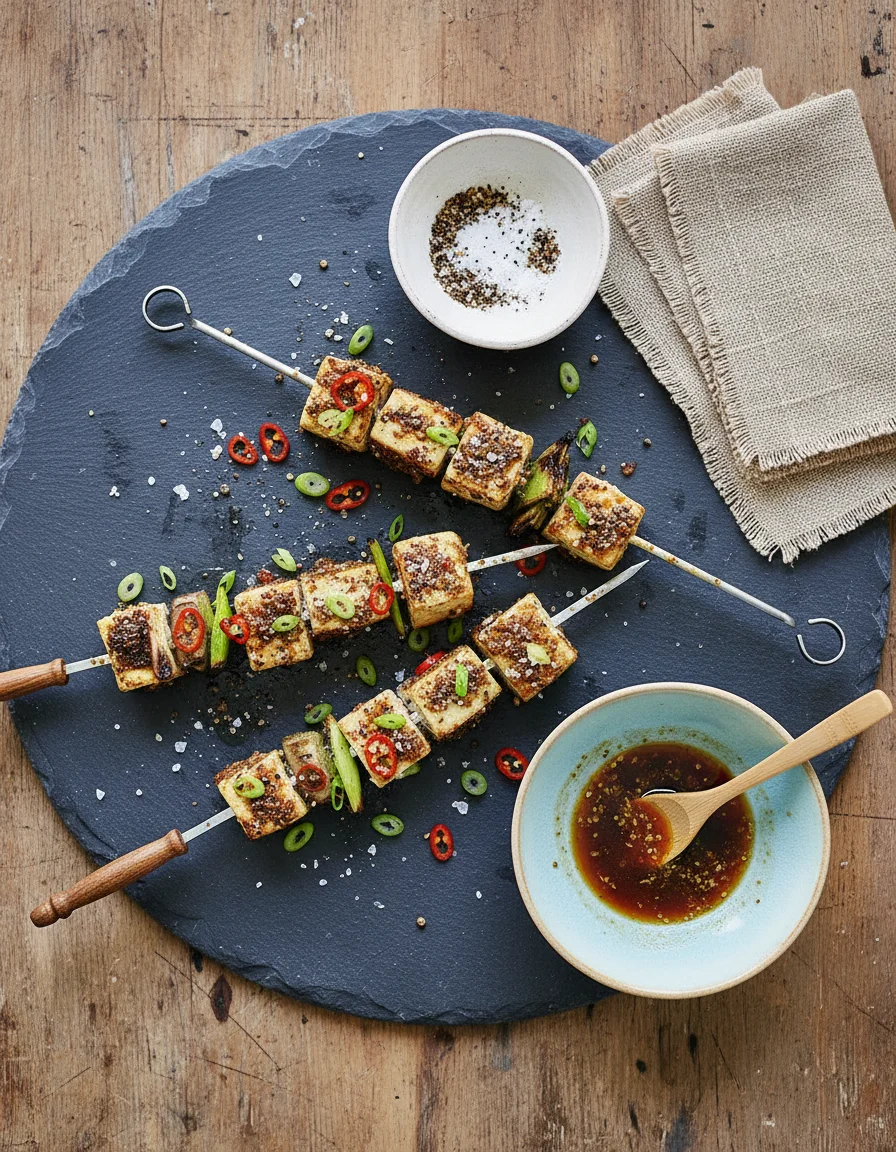
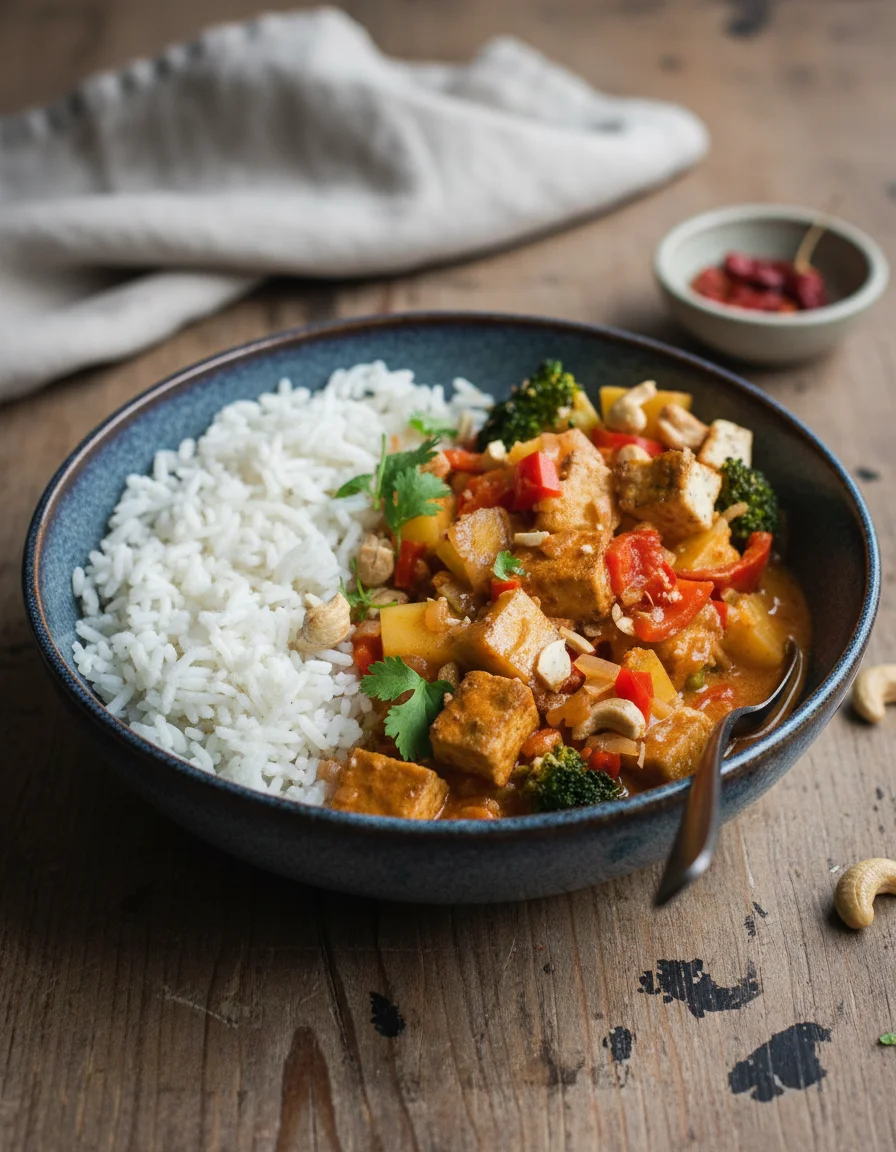
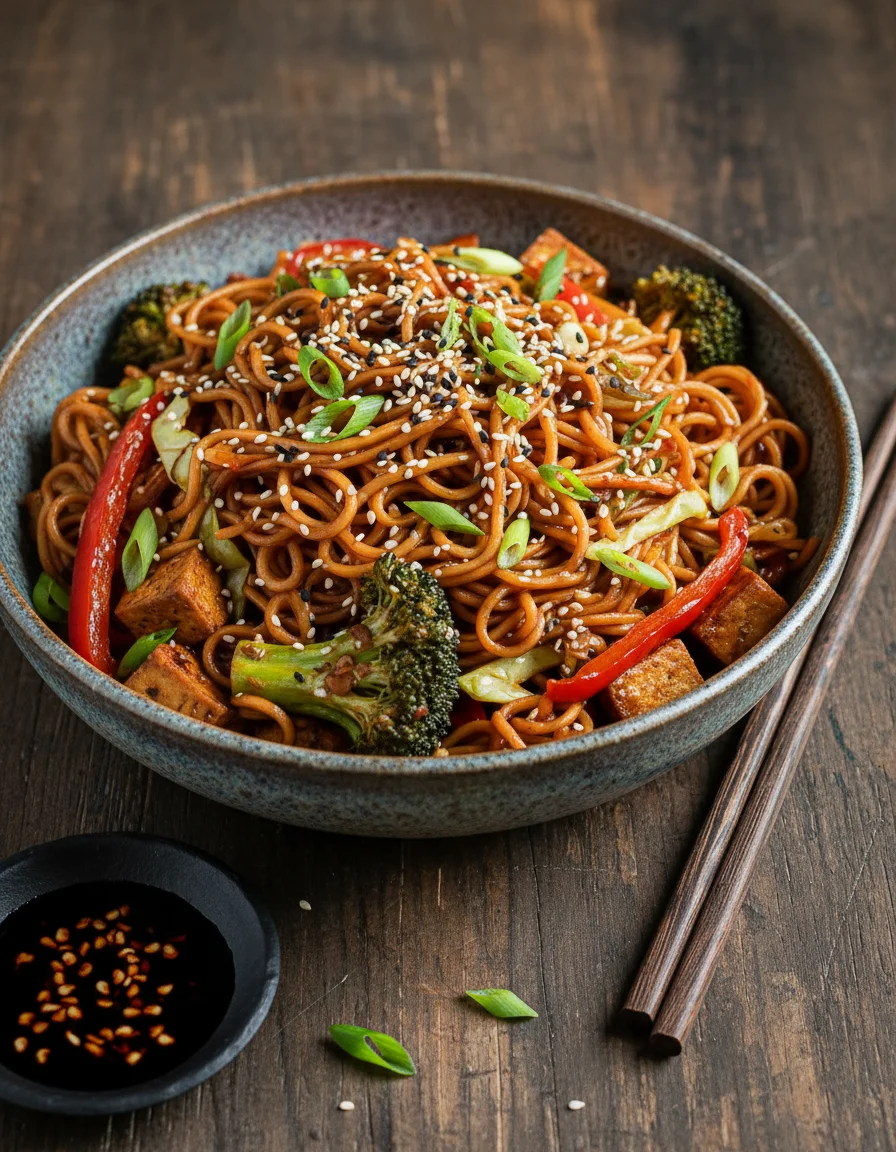
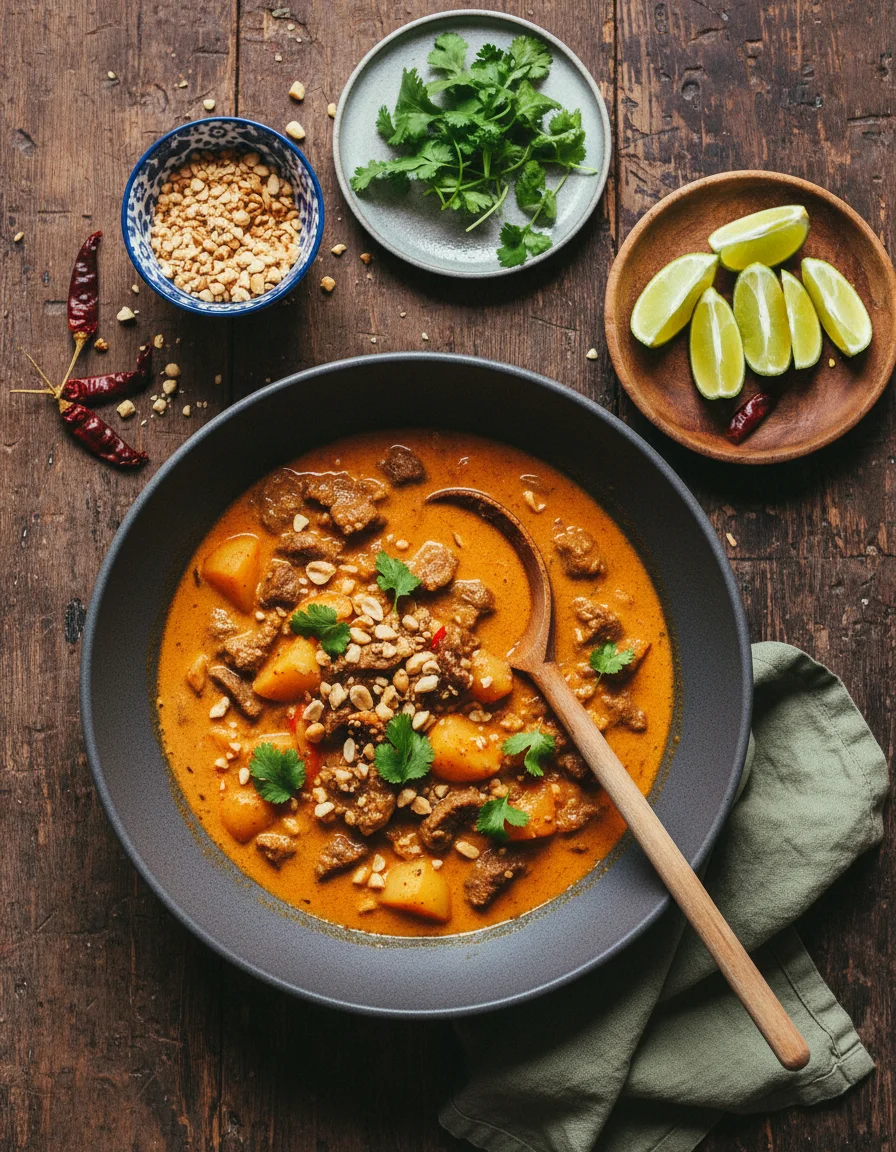
Showing 20 of 74 recipes