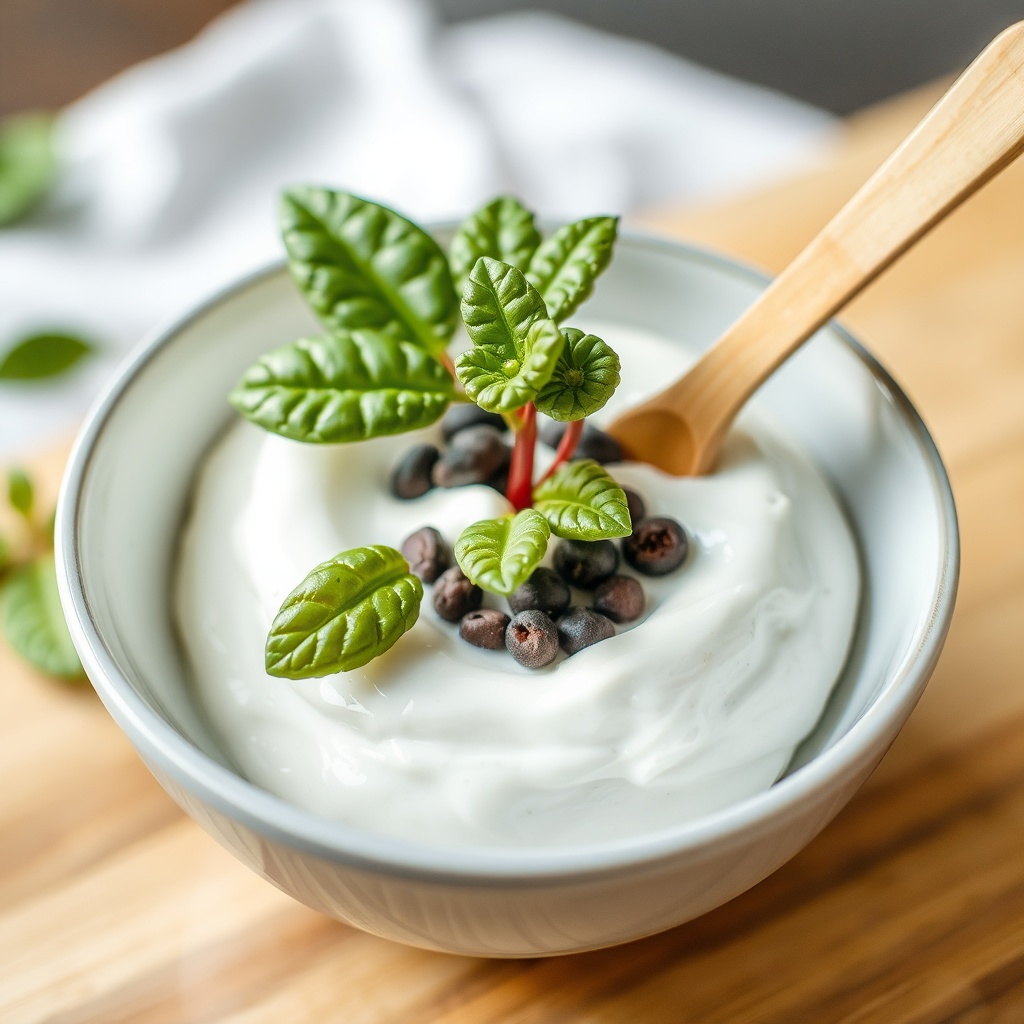
30+ Best Vegan Plant Yogurt Recipes (Healthy & Versatile)
Discover the delicious world of vegan plant yogurt! From creamy breakfast bowls to savory sauces, explore 30+ healthy & easy recipes that embrace this versatile
About plant yogurt
Welcome to the world of plant yogurt! A true dairy-free hero, plant yogurt has revolutionized vegan cuisine, offering a creamy, tangy, and versatile ingredient for countless dishes. Whether you're a seasoned vegan or just exploring plant-based options, this cultured delight, made from a variety of plant milks like soy, almond, oat, coconut, or cashew, provides a fantastic alternative to traditional dairy yogurt. Its smooth texture and subtle tang make it an indispensable staple in modern kitchens, proving that going dairy-free never means sacrificing flavor or creaminess.
Health Benefits of Plant Yogurt
Plant yogurt is more than just a delicious treat; it's packed with benefits that support a healthy vegan lifestyle. Per 245-gram serving, typical plant yogurt contains approximately 1.33g of plant-based protein, contributing to muscle repair and satiety. It also offers about 0.7g of dietary fiber, which is crucial for digestive health and maintaining a healthy gut. Furthermore, you'll find around 117mg of potassium, an essential electrolyte that aids in blood pressure regulation and overall cellular function. Many varieties also contain live active cultures, which are beneficial probiotics that support a thriving gut microbiome, enhancing digestion and potentially boosting immunity. Unlike dairy yogurt, plant yogurt is naturally cholesterol-free and lactose-free, making it an excellent choice for those with dietary sensitivities or a preference for heart-healthy options. Look for unsweetened versions to minimize added sugars and maximize its inherent nutritional value.
Selecting the Best Plant Yogurt
Choosing the right plant yogurt can elevate your culinary creations. When selecting, consider the following:
- Base Ingredient: Plant yogurts come from various sources (soy, almond, oat, coconut, cashew, etc.), each offering a slightly different flavor profile and texture. Soy yogurt is often robust and high in protein, while coconut yogurt tends to be creamier and richer. Almond and oat yogurts are typically lighter.
- Unsweetened & Plain: Opt for unsweetened, plain varieties whenever possible, especially for savory dishes or when you want to control the sweetness yourself. This allows for maximum versatility.
- Live Active Cultures: Look for labels that explicitly state "contains live active cultures" or "probiotics." These are the beneficial bacteria that give yogurt its characteristic tang and provide gut health benefits.
- Fortification: Many plant yogurts are fortified with vitamins and minerals like calcium, vitamin D, and B12, which can be beneficial additions to a vegan diet. Check the nutrition label.
Storage Tips for Freshness
To keep your plant yogurt fresh and delicious:
- Refrigeration: Always store plant yogurt in the refrigerator at or below 40°F (4°C).
- Sealed Container: Keep the container tightly sealed after opening to prevent spoilage and absorption of other odors.
- Check Expiration Date: Consume by the "best by" or "use by" date printed on the container for optimal freshness and quality.
- After Opening: Once opened, most plant yogurts are best consumed within 5-7 days, depending on the brand. Always trust your senses – if it smells or looks off, it’s best to discard it.
From vibrant smoothie bowls to tangy dips, creamy sauces, and even baking, plant yogurt's versatility knows no bounds. Get ready to explore a world of flavor and health with this incredible plant-based ingredient!
Vegan Substitutions
Plant-based alternatives for plant yogurt in your recipes
| Original Ingredient | Replace with | Vegan Alternative | Notes |
|---|---|---|---|
| Dairy Yogurt (e.g., Greek yogurt, plain yogurt) | Plant Yogurt (e.g., made from soy, almond, oat, coconut, cashew milk) | Use a 1:1 ratio. For savory applications, choose plain, unsweetened varieties. For baking, ensure the plant yogurt has a similar consistency to the dairy yogurt it's replacing; thicker varieties like cashew or soy yogurt work well for Greek yogurt substitutions. |
Substitution ratios may vary by recipe. Start with a 1:1 ratio and adjust to taste.
Frequently Asked Questions
Plant yogurt offers several nutritional advantages, especially for those following a vegan diet. Per 245g serving, it provides around 1.33g of plant-based protein, 0.7g of dietary fiber for digestive health, and 117mg of potassium. Many varieties also contain live active cultures which are beneficial for gut health. It is naturally cholesterol-free and lactose-free.
plant yogurt Recipes
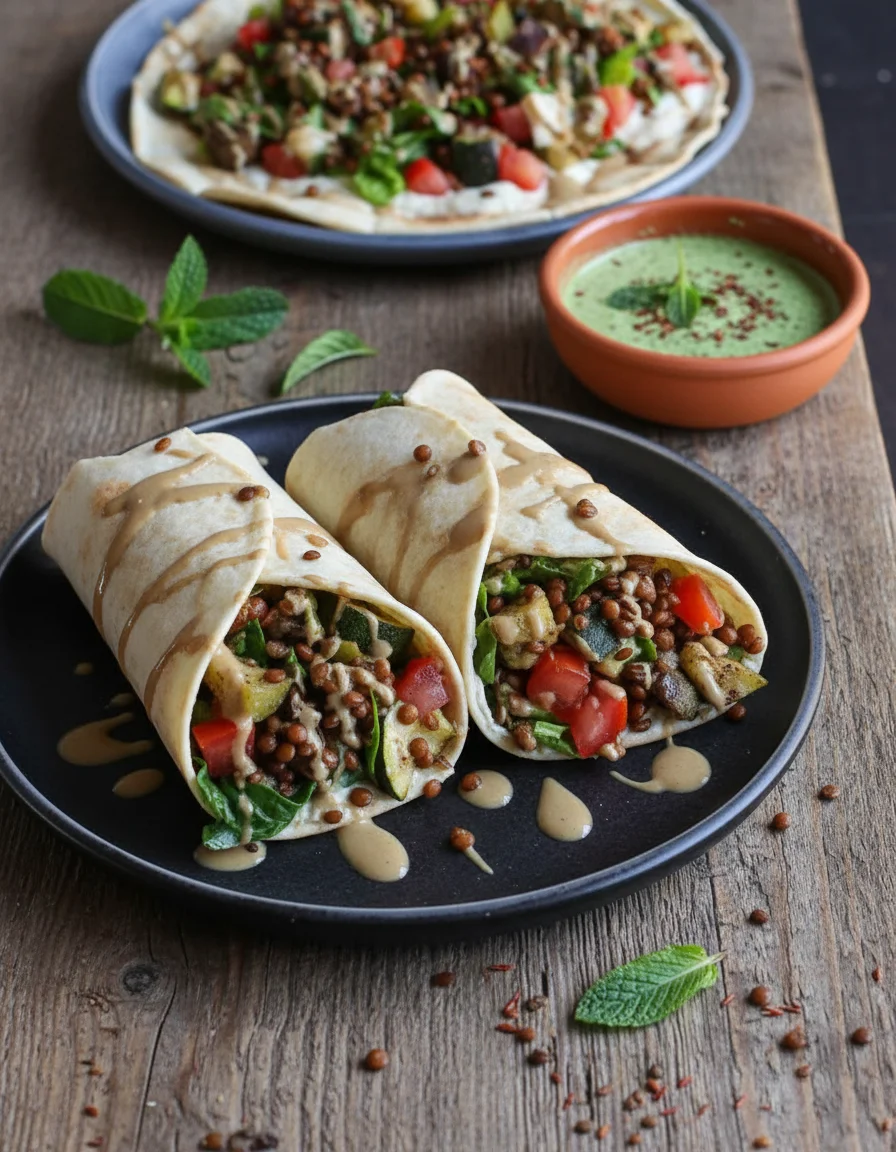
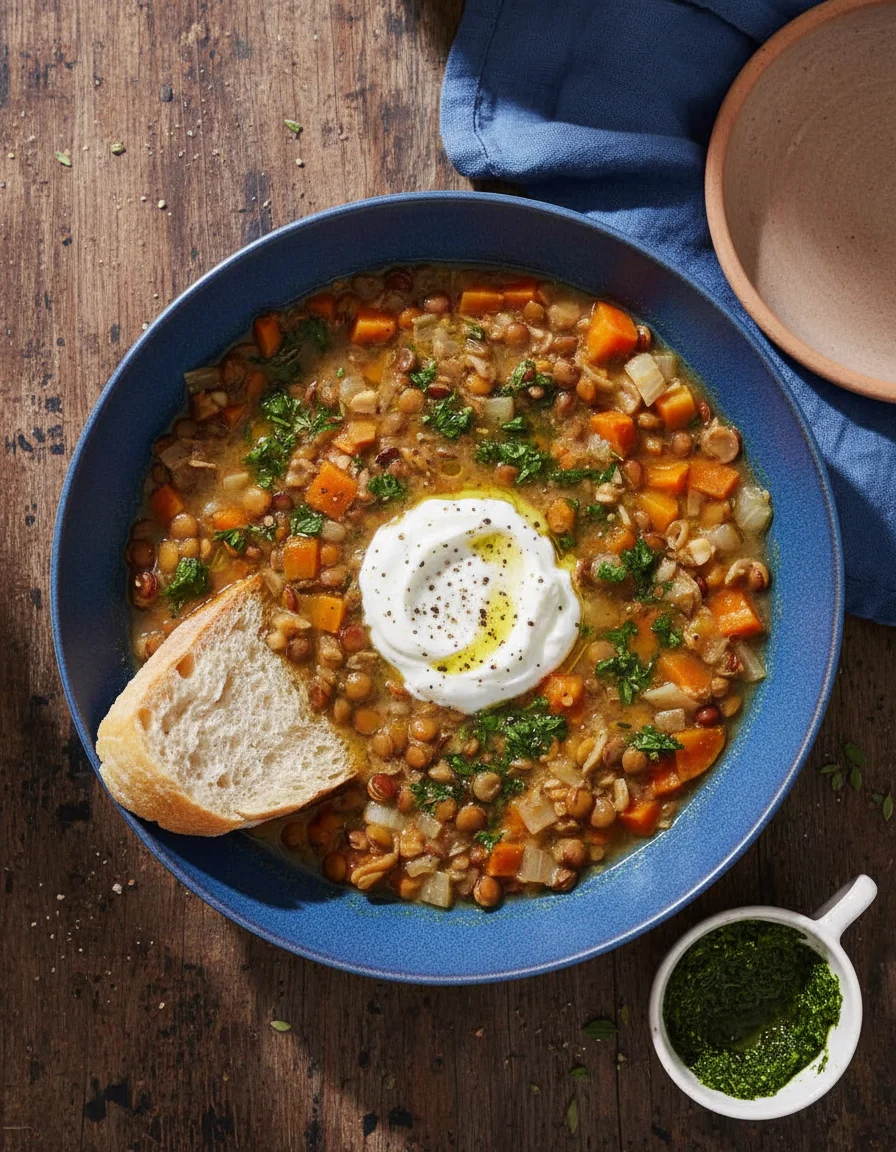








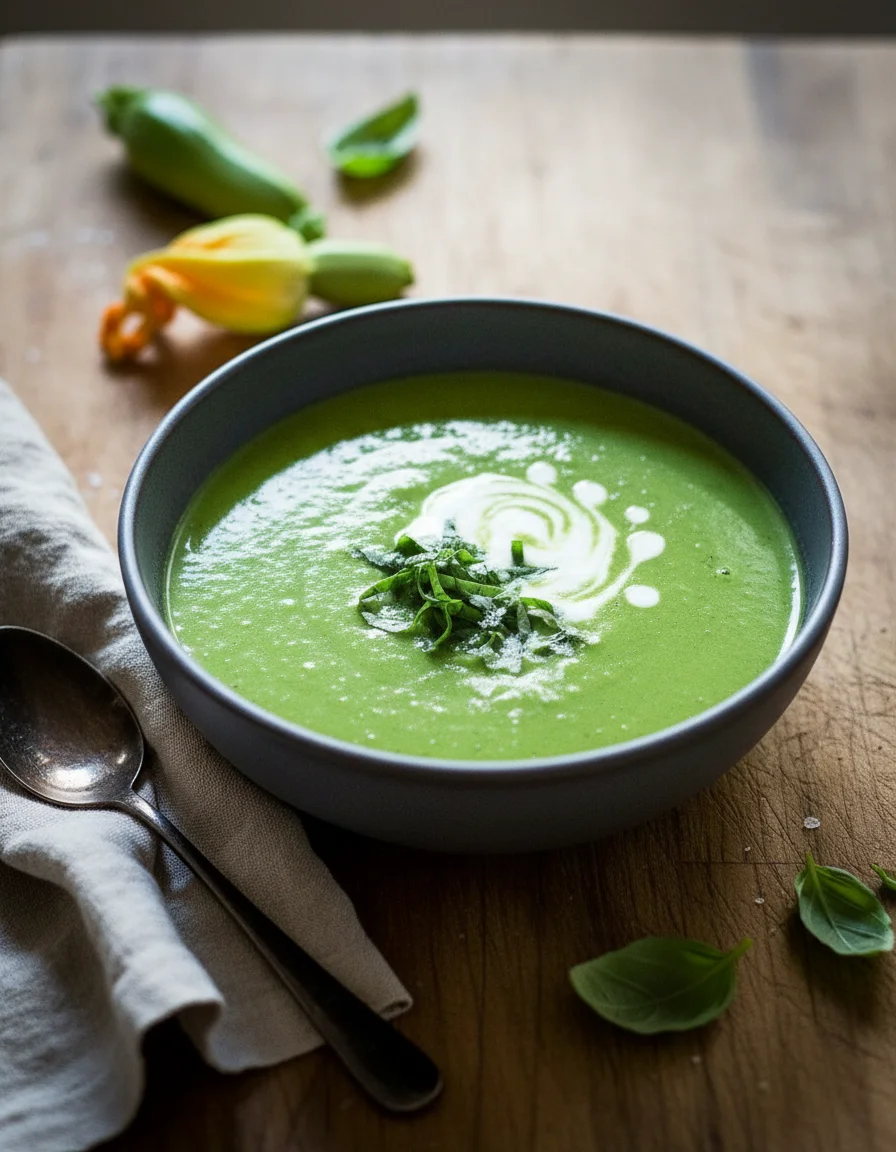






Showing 20 of 51 recipes