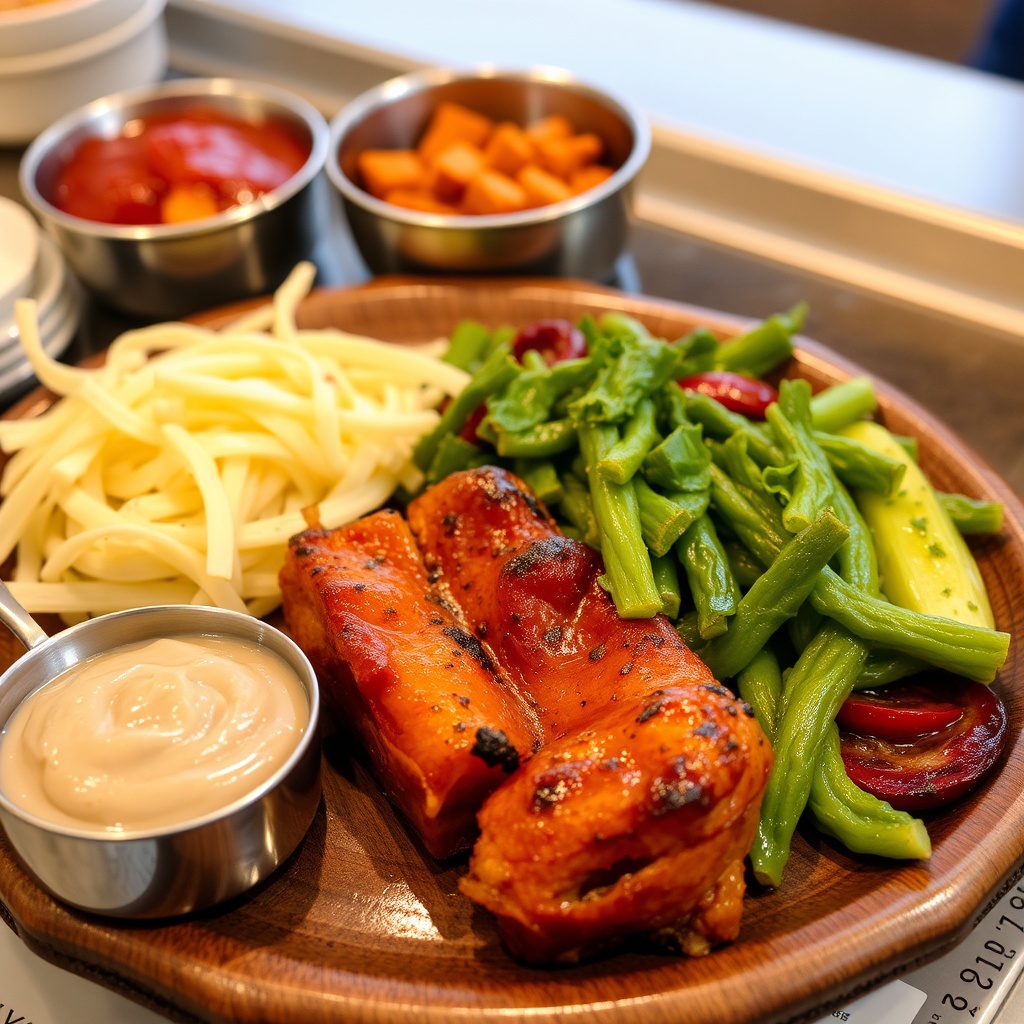
29+ Flavorful Vegan Recipes Using Kosher Salt (Essential Seasoning)
Unlock incredible flavor in your plant-based dishes with kosher salt! Discover its unique qualities, expert cooking tips, and explore 29+ delicious vegan recipe
About kosher
Often hailed as a chef's secret weapon, kosher salt is an indispensable ingredient in any kitchen, especially in the vibrant world of vegan cooking. Unlike fine-grained table salt, kosher salt boasts larger, irregular crystals that make it easier to pinch and sprinkle, offering greater control over seasoning. Its pure, clean taste enhances the natural flavors of vegetables, legumes, and plant-based proteins without imparting the metallic aftertaste sometimes associated with iodized table salt. For vegans, mastering the use of kosher salt is key to transforming simple ingredients into extraordinary meals, ensuring every dish is perfectly balanced and bursting with flavor.
The Role of Kosher Salt in a Healthy Vegan Diet
While salt is primarily known for its flavor-enhancing properties, it's also an essential mineral required for various bodily functions, including fluid balance and nerve transmission. In a vegan diet rich in whole foods, the judicious use of kosher salt can make healthy eating more enjoyable and sustainable. By expertly seasoning plant-based dishes, you elevate their taste profile, making nutritious options like roasted vegetables, hearty lentil stews, and grilled tofu irresistible. This encouragement to consume more whole, plant-based foods is a significant 'health benefit' in itself, supporting a well-rounded and delicious vegan lifestyle. Remember, moderation is key, and kosher salt's coarse texture helps you feel more in control of the amount you're adding.
Selecting the Best Kosher Salt
Choosing kosher salt might seem straightforward, but there are subtle differences between brands that can impact your cooking. The two most prominent brands, Morton and Diamond Crystal, have distinct crystal structures and densities. Morton's kosher salt has a denser, more uniform crystal, meaning a teaspoon of Morton's will be saltier than a teaspoon of the fluffier, lighter Diamond Crystal. For consistent results, many chefs recommend weighing salt. When measuring by volume, be aware of these differences; if a recipe doesn't specify the brand, it's often a good practice to start with less and add more to taste. Generally, opt for pure kosher salt without anti-caking agents, ensuring the cleanest flavor profile for your vegan creations.
Optimal Storage Tips
To keep your kosher salt in prime condition, proper storage is crucial. Because it's hydroscopic, meaning it readily absorbs moisture from the air, kosher salt can clump and harden if not stored correctly. The best method is to keep it in an airtight container in a cool, dry place, away from direct sunlight or humidity (like above the stove). Many home cooks prefer to store it in a small ceramic salt cellar or 'salt pig' for easy access while cooking, though for long-term storage, a completely sealed container is best. This ensures your salt remains free-flowing and ready to season your next delicious vegan meal.
Frequently Asked Questions
Kosher salt typically has larger, coarser crystals compared to fine table salt. It usually doesn't contain iodine or anti-caking agents, giving it a purer taste. Due to its larger crystal size, a given volume (e.g., a teaspoon) of kosher salt will contain less sodium than the same volume of table salt, requiring adjustments when substituting.
kosher Recipes
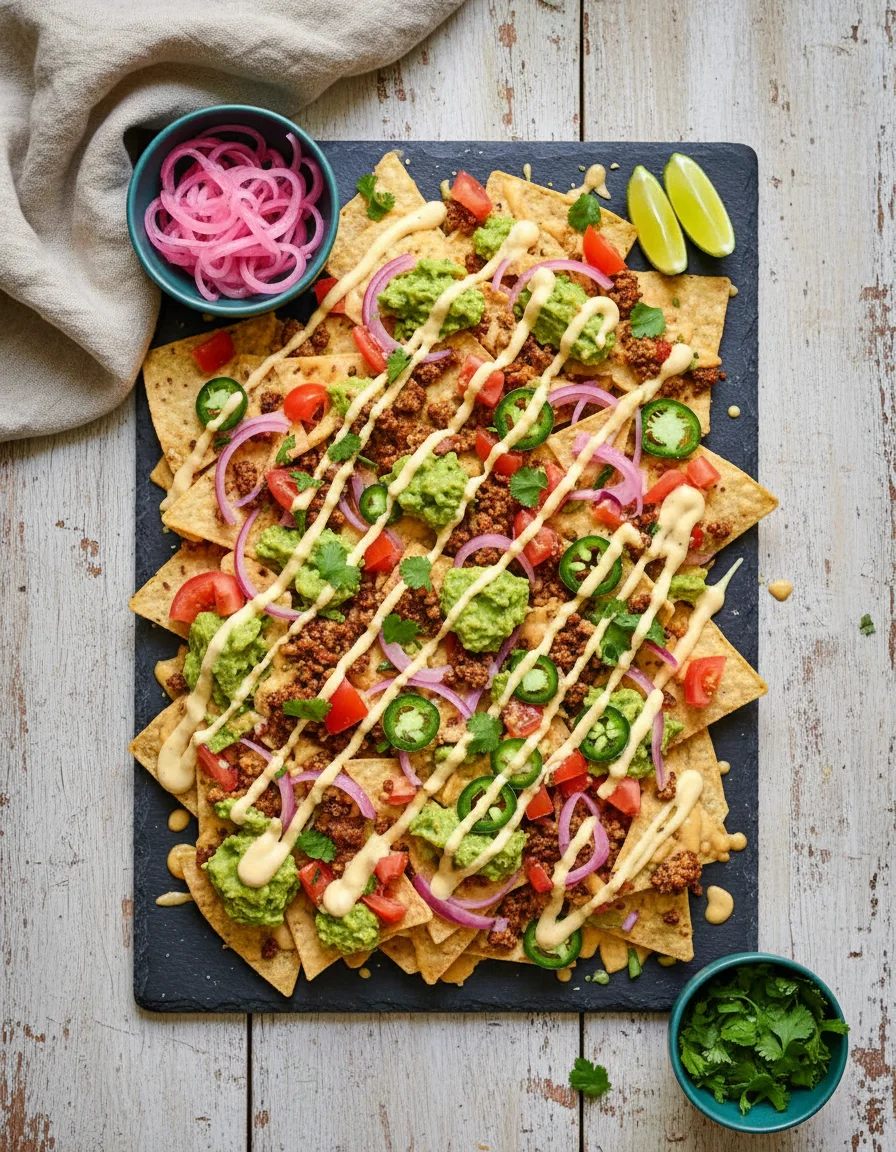


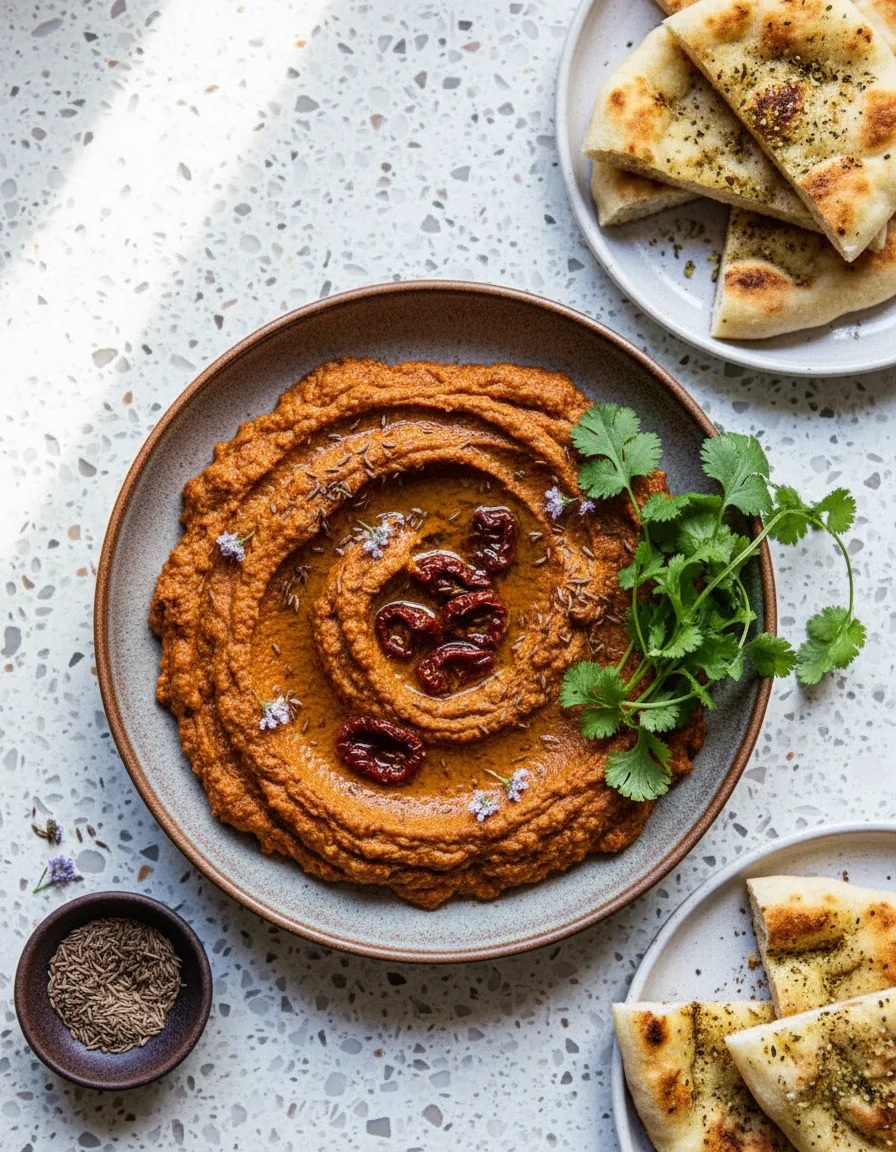
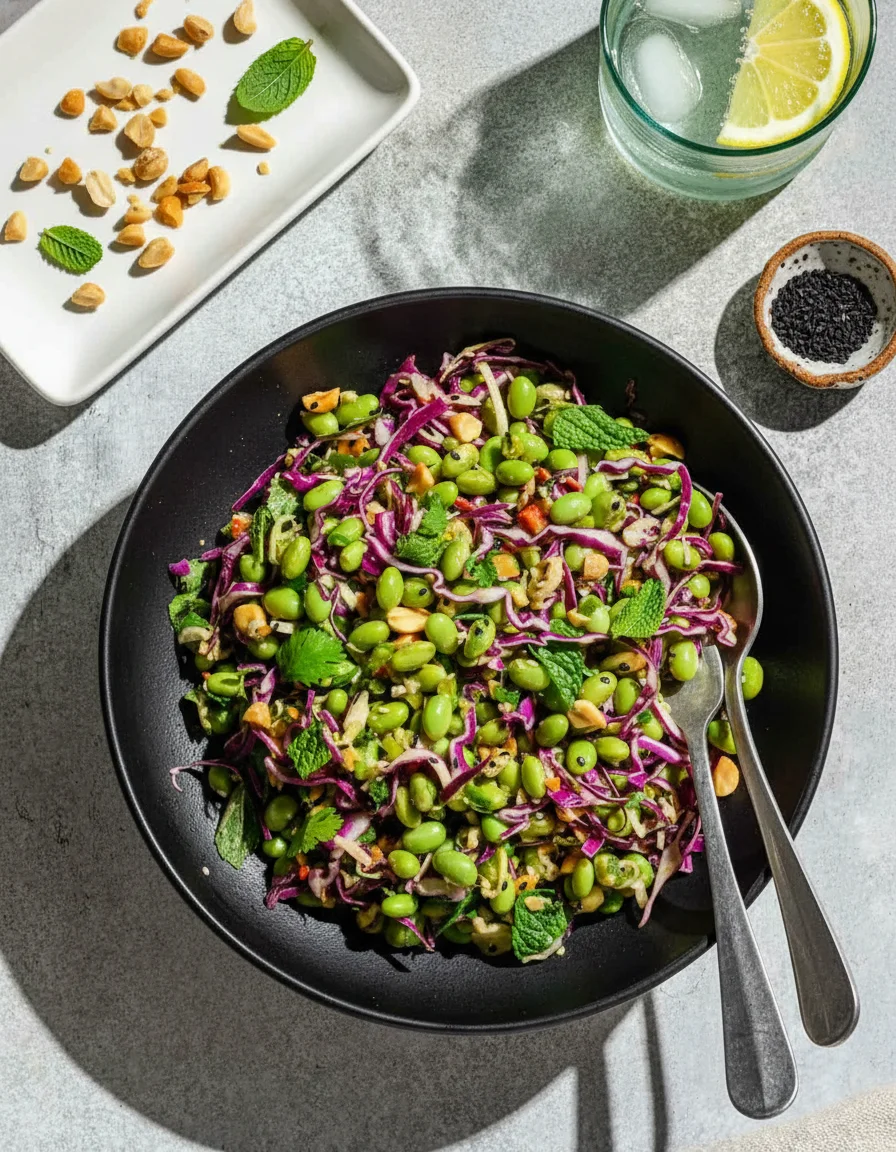




Showing 20 of 33 recipes