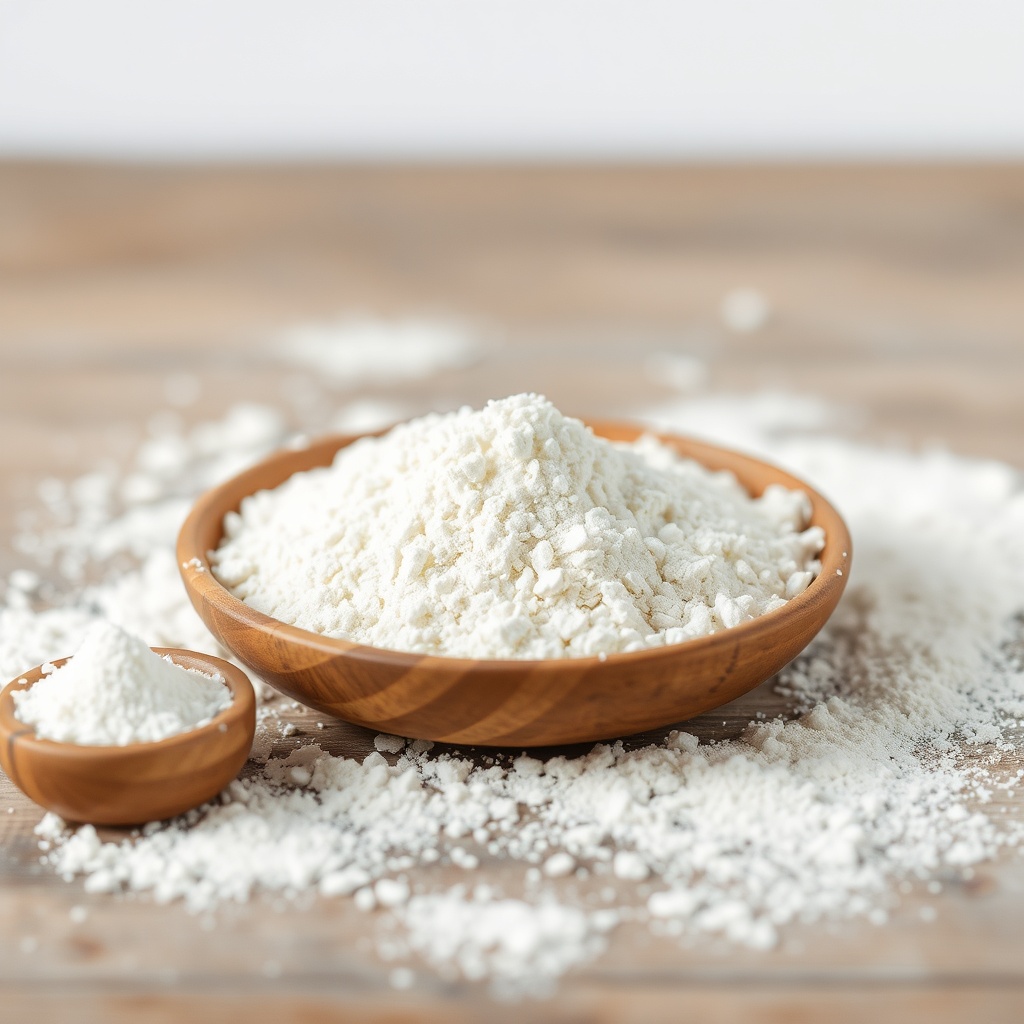
30+ Best Vegan Flour Recipes (Healthy & Easy)
Unlock the versatility of vegan flour! Discover how to use various flours in baking, cooking, and savory dishes. Find healthy, easy, and delicious plant-based r
About flour
Welcome to the wonderful world of flour, a true cornerstone of vegan cooking and baking! From creating fluffy breads and delicate pastries to thickening rich sauces and coating savory dishes, flour is an indispensable ingredient in a plant-based kitchen. But 'flour' isn't just one thing; it's a diverse category encompassing a spectrum of grains, legumes, and nuts, each offering unique textures, flavors, and nutritional profiles. Whether you're a seasoned vegan chef or just starting your plant-based journey, understanding the different types of flour and how to use them will unlock a world of culinary possibilities.
Health Benefits of Flour in a Vegan Diet
Flour, particularly whole grain varieties, contributes significantly to a healthy vegan diet. It's an excellent source of complex carbohydrates, providing sustained energy for your day. Whole wheat flour, for instance, is rich in dietary fiber (approximately 3.5g per 50g serving of whole wheat flour), which is crucial for digestive health, blood sugar regulation, and promoting a feeling of fullness. Many flours also offer a good amount of plant-based protein (e.g., vital wheat gluten is almost pure protein, while all-purpose flour has around 8.2g per 100g). Additionally, flours can be a source of essential minerals like iron (3.63mg per 100g) and magnesium (22mg per 100g), and B vitamins (Thiamin, Riboflavin, Niacin), especially if fortified. These nutrients play vital roles in energy metabolism, red blood cell formation, and nerve function, making flour a surprisingly nutrient-dense component of many vegan meals.
Selection Tips for Vegan Flours
- All-Purpose Flour: Opt for unbleached versions. If baking, consider the protein content – higher protein (around 12-14%) is better for chewy bread, while lower protein (8-10%) is ideal for tender cakes.
- Whole Wheat Flour: Always choose 100% whole wheat for maximum fiber and nutrients. Look for stone-ground varieties for potentially better flavor.
- Gluten-Free Flours: For gluten-free baking, a blend is often best (e.g., rice, oat, tapioca, potato starch, xanthan gum). Ensure it's certified gluten-free if allergies are a concern.
- Specialty Flours: Chickpea flour for savory dishes, almond flour for tender baked goods, oat flour for added fiber – explore different types to find your favorites. Always check for freshness; rancid flour can ruin a dish.
Storage Tips to Keep Flour Fresh
Proper storage extends the shelf life of your flour and prevents spoilage.
- Airtight Containers: Transfer flour from its paper bag into an airtight container (glass or plastic) immediately after opening. This prevents moisture absorption, pest infestation, and odor absorption.
- Cool, Dark Place: Store most flours in a cool, dark pantry. Heat and light can degrade flour quality.
- Refrigeration/Freezing: Whole grain flours (like whole wheat, oat, or rye) and nut flours (like almond or coconut) have higher oil content, making them more prone to rancidity. Store these in the refrigerator or freezer for extended freshness. Label with the date of purchase.
- Check for Freshness: Always smell your flour before using it. Fresh flour has a neutral, slightly sweet smell. If it smells sour, musty, or like old nuts, it's best to discard it.
Flour's versatility in vegan cuisine is truly remarkable. It forms the base for classic baked goods like artisan breads, soft cookies, and decadent cakes. Beyond baking, flour acts as a reliable thickener for creamy gravies, hearty stews, and luscious sauces. It's perfect for creating crispy coatings for vegan fried 'chicken' or tofu, and a binding agent for plant-based burgers, meatballs, and savory patties. With so many types available, flour empowers you to create an endless array of delicious, plant-powered meals.
Vegan Substitutions
Plant-based alternatives for flour in your recipes
| Original Ingredient | Replace with | Vegan Alternative | Notes |
|---|---|---|---|
| Wheat Flour (All-Purpose) | Gluten-Free All-Purpose Blend | Ensure the gluten-free blend contains xanthan gum or add 1/2 tsp per cup of flour for structure. You may need to adjust liquid content as gluten-free flours absorb differently. |
Substitution ratios may vary by recipe. Start with a 1:1 ratio and adjust to taste.
Frequently Asked Questions
Flour is incredibly versatile in vegan cooking! It's primarily used for baking (breads, cakes, cookies), thickening sauces, gravies, and soups, creating crispy coatings for fried foods like tofu or vegetables, and as a binding agent for vegan burgers, patties, and meat substitutes.
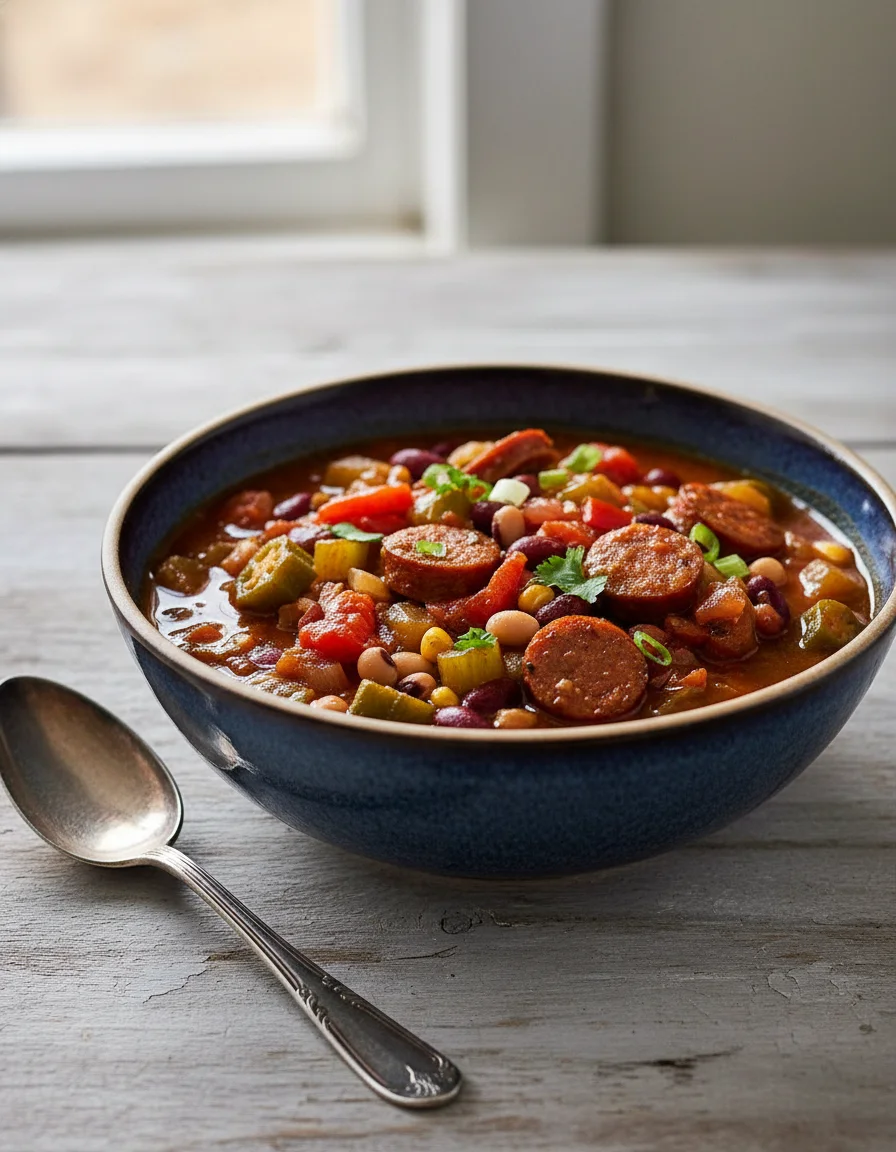
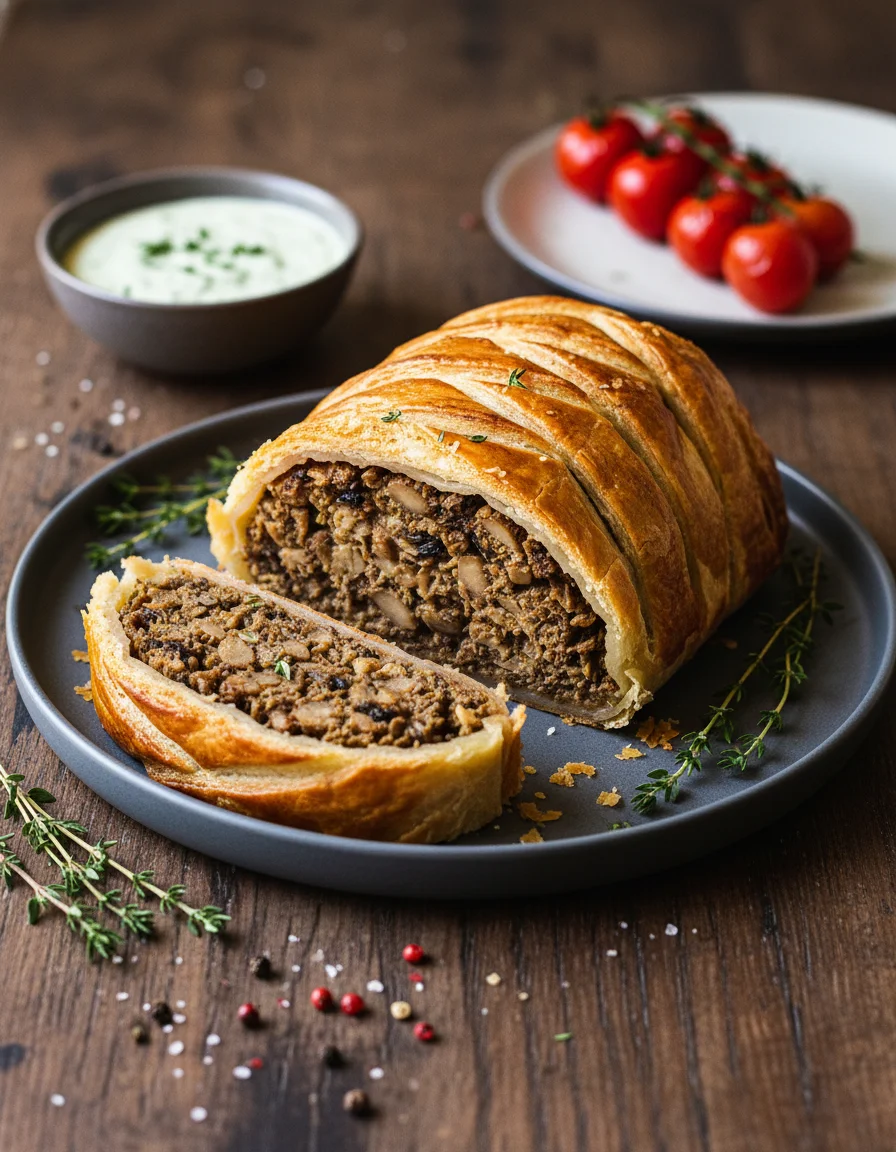
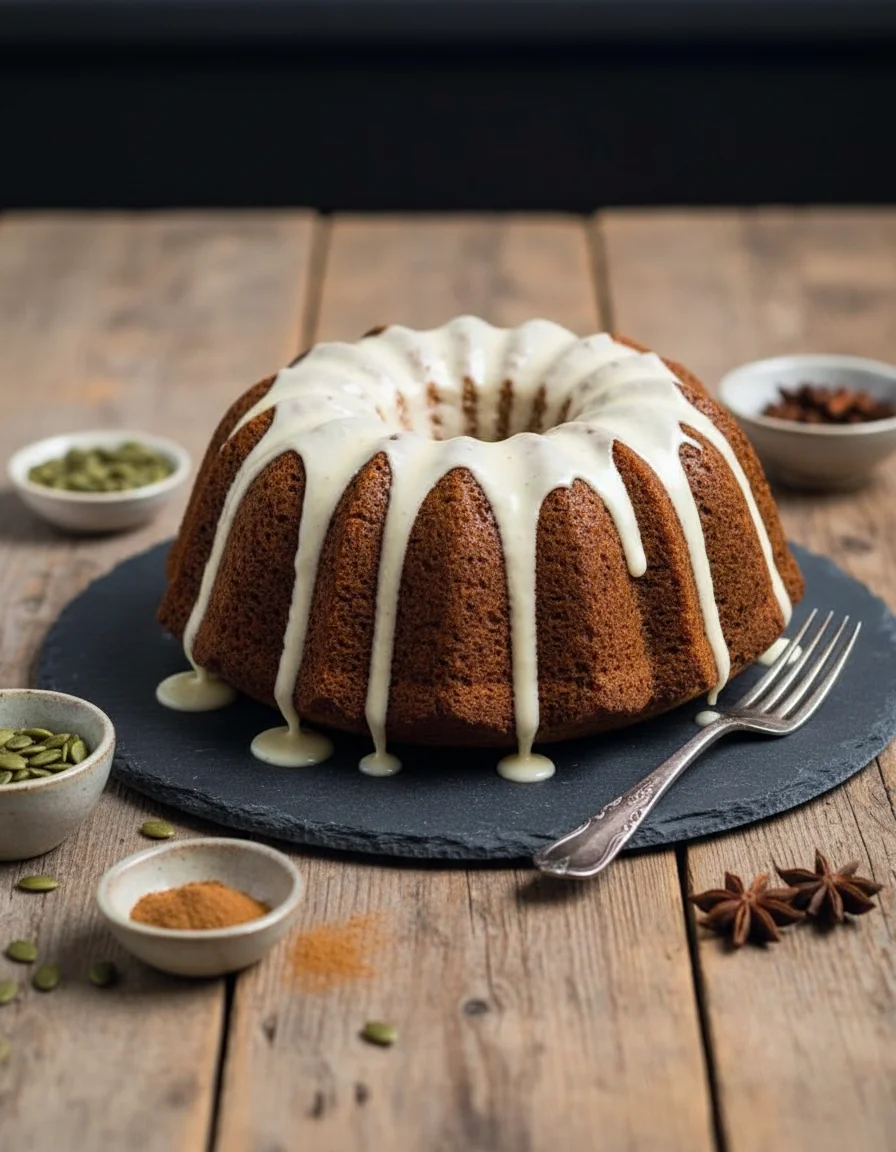
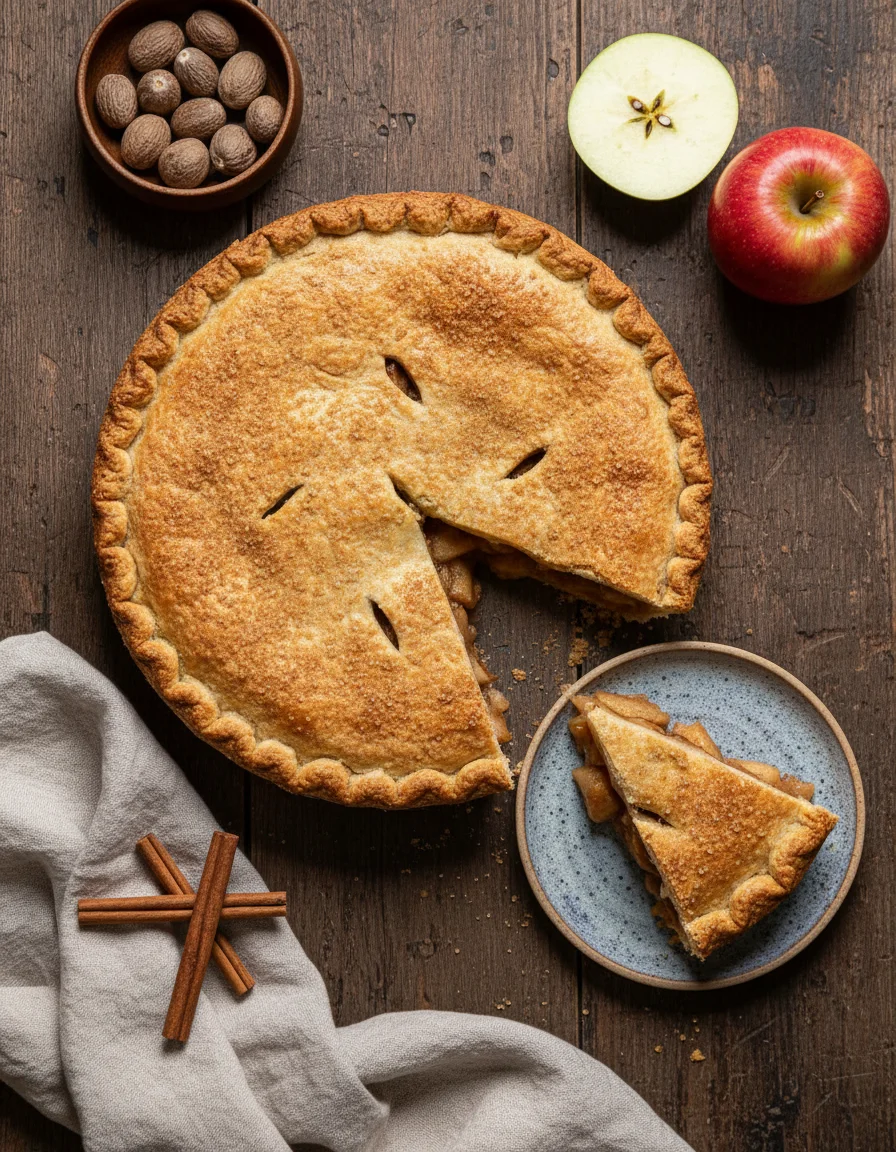
flour Recipes
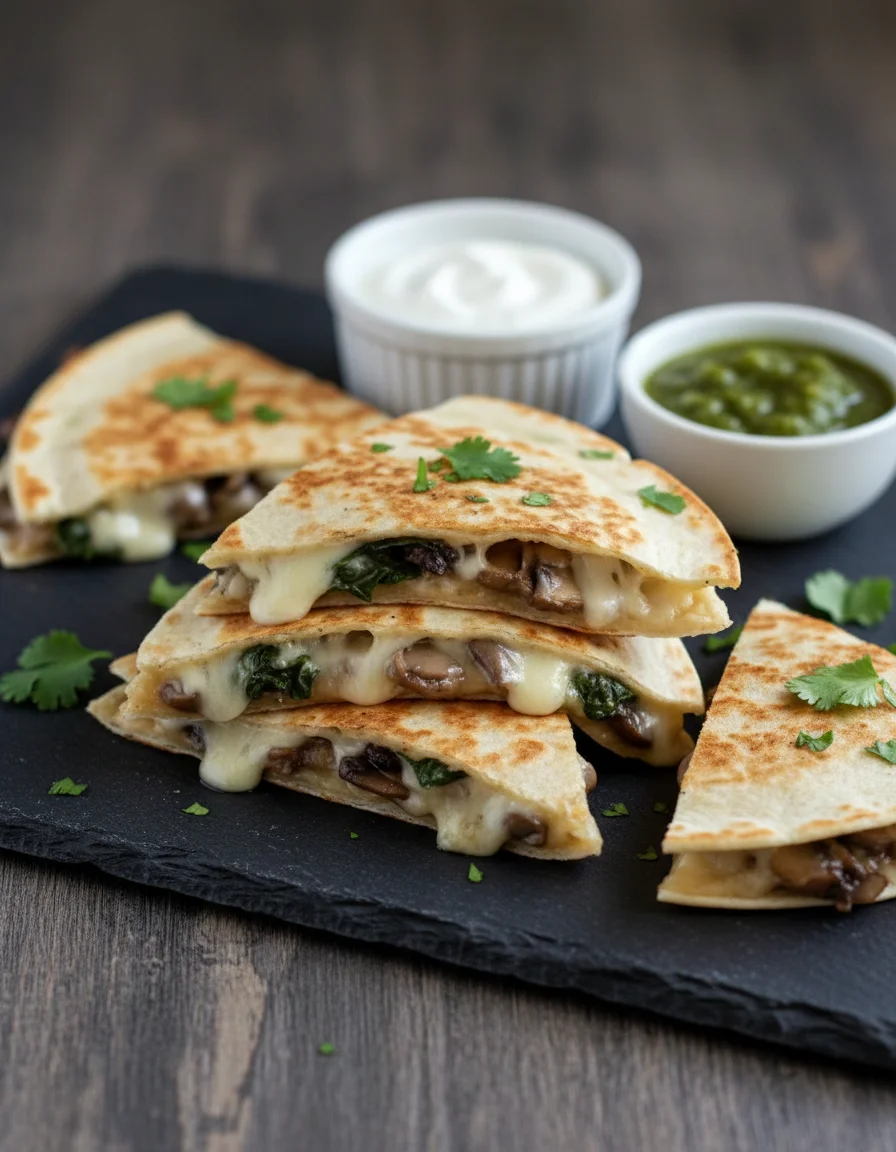
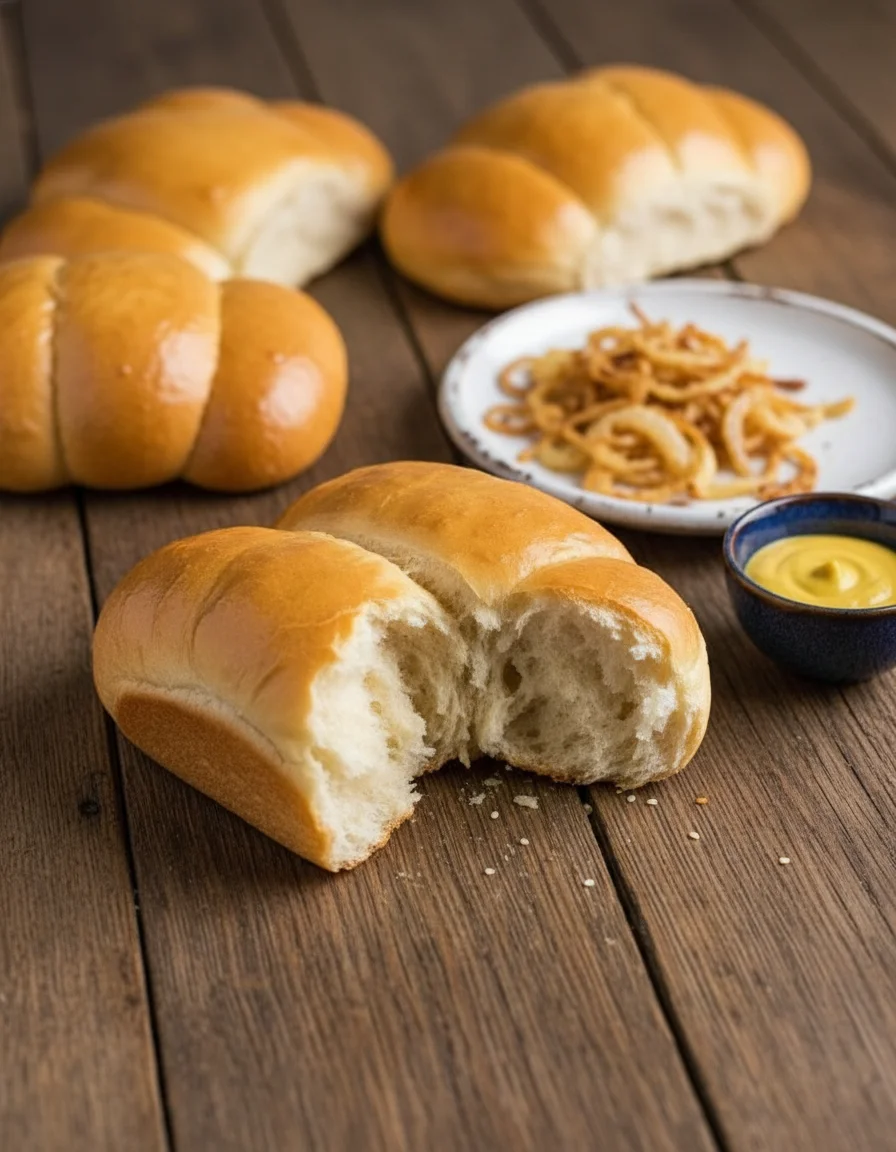
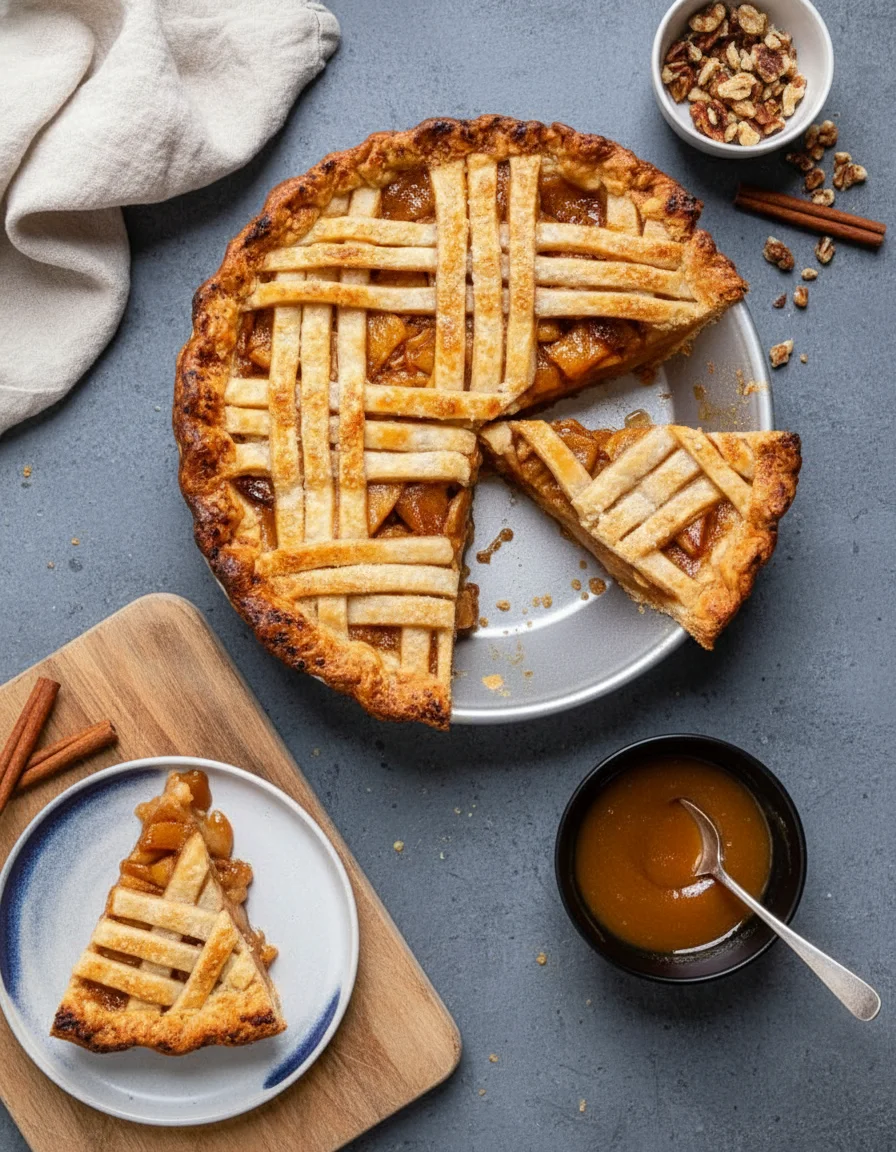
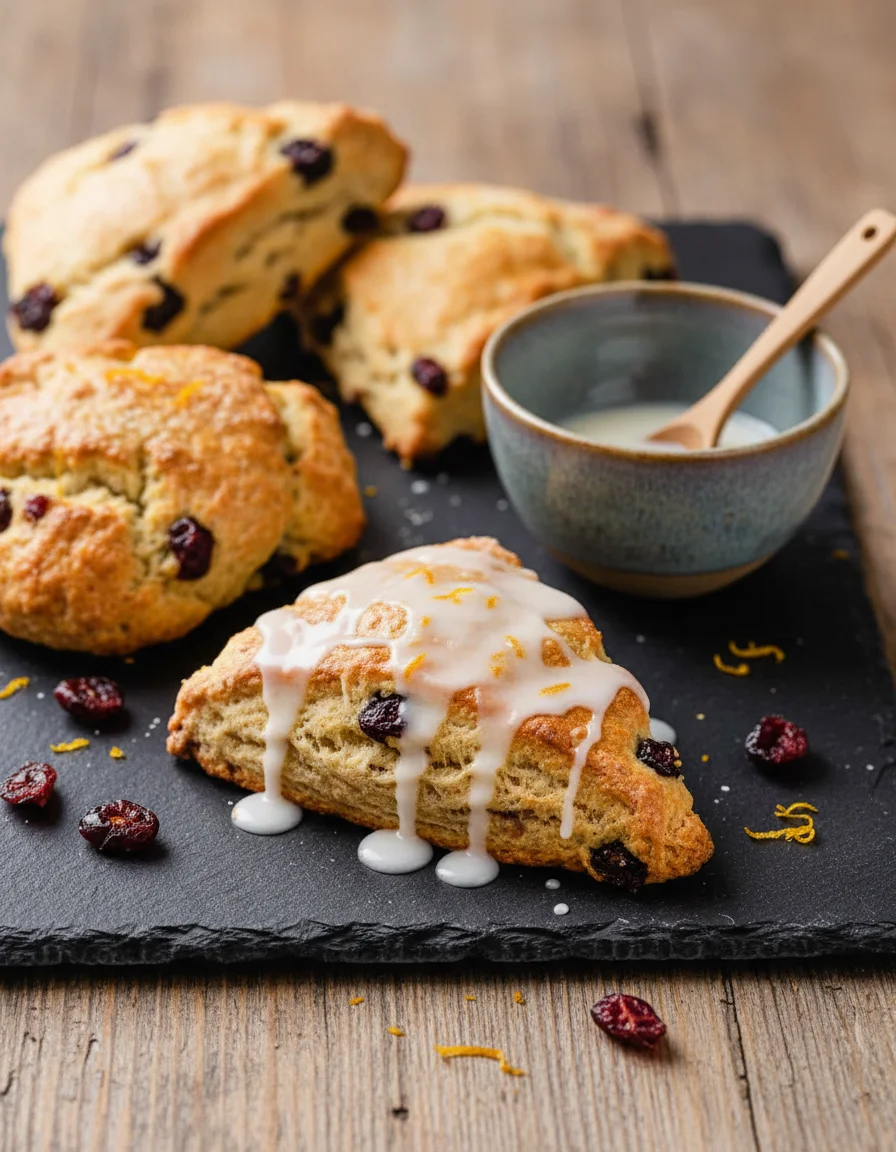



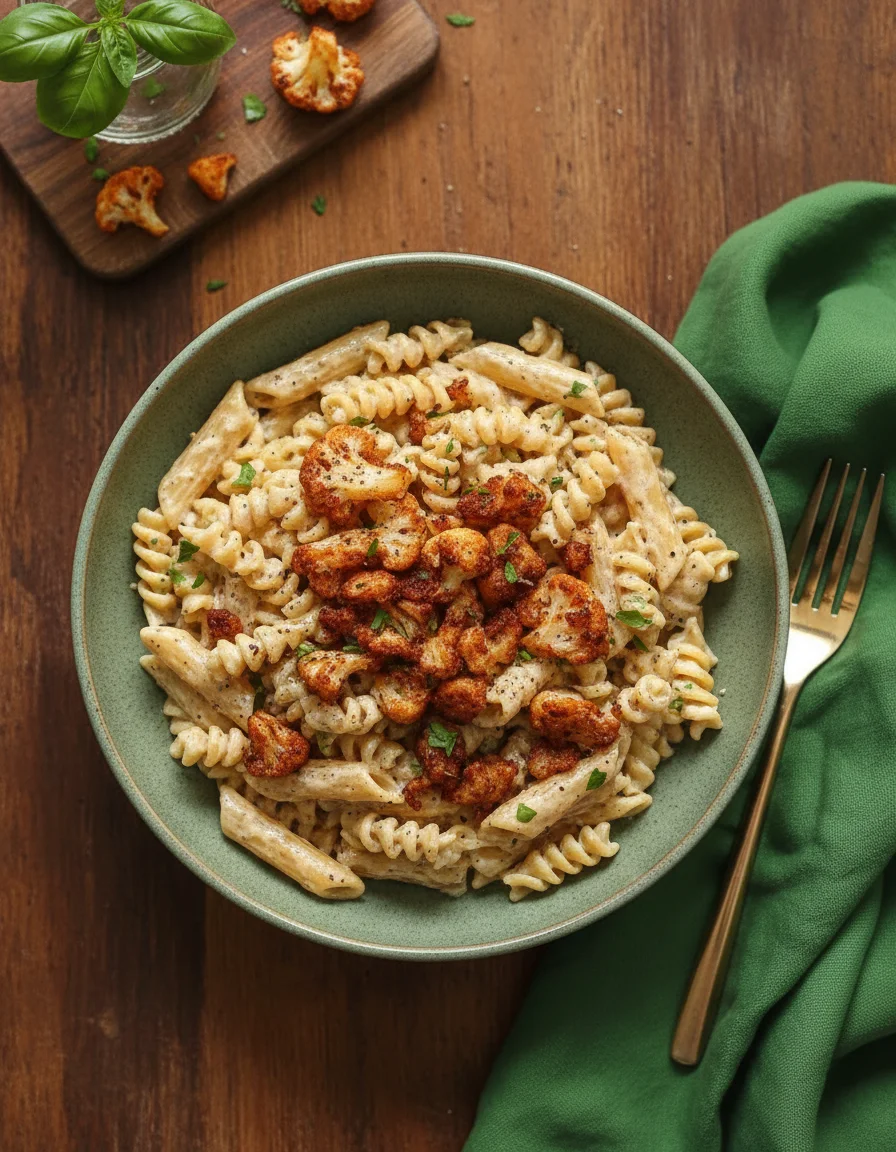
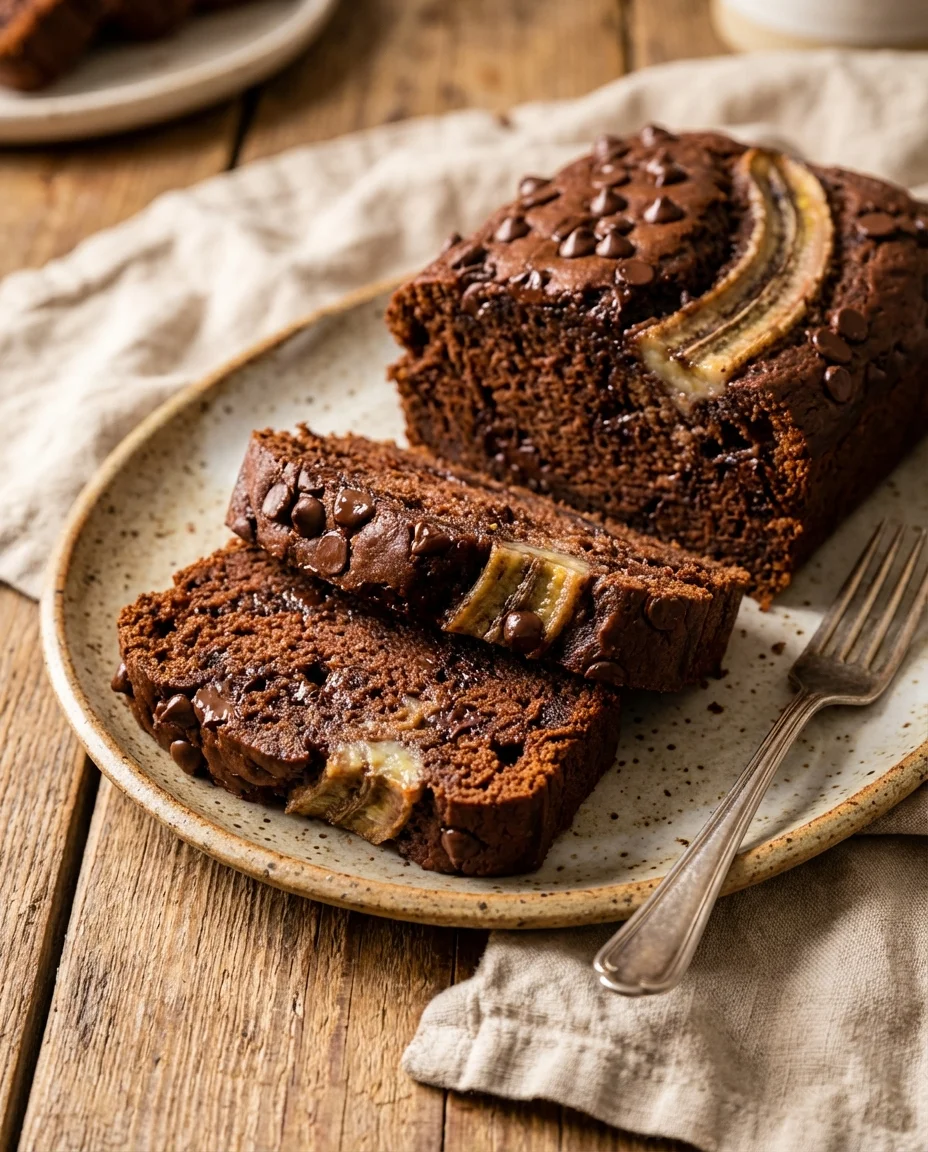
Showing 20 of 62 recipes