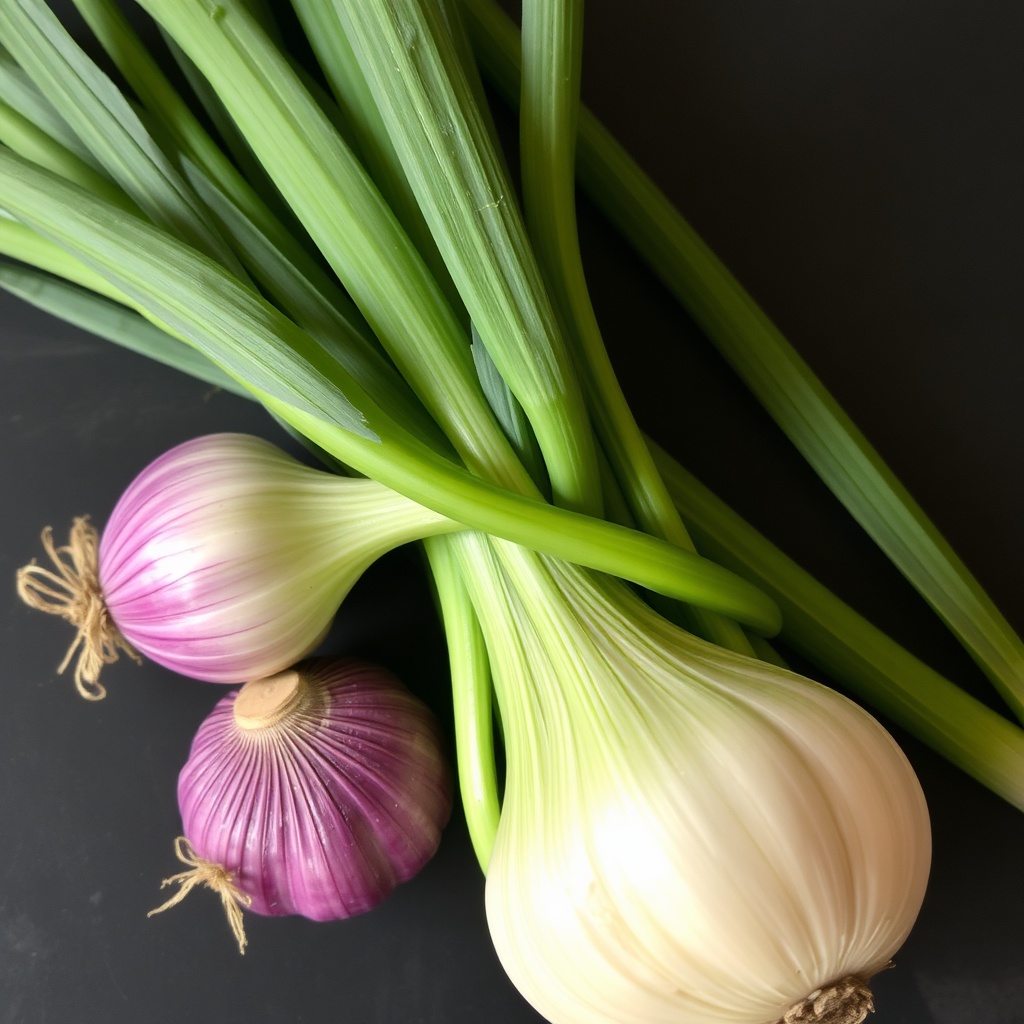
44+ Best Vegan Shallot Recipes (Healthy & Easy)
Discover the mild, sweet flavor of shallots in our 44+ best vegan recipes! Learn how to select, store, and cook this versatile allium for healthy, flavorful dis
About shallot
Welcome to the wonderful world of shallots, an ingredient cherished by chefs and home cooks alike for its delicate yet distinctive flavor! Often mistaken for small onions, shallots offer a milder, sweeter, and more nuanced taste with subtle garlic undertones, making them a fantastic addition to a vast array of vegan dishes. Whether you're aiming to build a flavorful base for a stew, create a vibrant vinaigrette, or add a sophisticated touch to roasted vegetables, shallots are your secret weapon in the plant-based kitchen. On our site, you'll find over 44 inspiring vegan recipes that harness the unique magic of this humble allium.
Health Benefits of Shallots
Beyond their delightful taste, shallots pack a nutritional punch that makes them a valuable component of any healthy vegan diet. Low in calories and fat, they are a good source of dietary fiber, contributing to digestive health and helping you feel fuller for longer. Shallots are rich in essential vitamins and minerals, including a significant amount of Vitamin C, an important antioxidant that supports immune function, and Vitamin B6, crucial for metabolism and brain health. They also provide beneficial minerals like potassium, vital for heart health, and manganese, which plays a role in bone health and metabolism. Like other members of the allium family, shallots contain powerful antioxidant compounds, such as flavonoids and polyphenols, which help combat oxidative stress and inflammation, supporting overall well-being. Incorporating shallots into your vegan meals is a simple and delicious way to boost your nutrient intake.
Selecting the Best Shallots
Choosing high-quality shallots is key to unlocking their full flavor potential. When at the grocery store or farmer's market, look for shallots that are:
- Firm to the touch: Avoid any with soft spots, mushiness, or signs of dehydration.
- Dry and smooth-skinned: The outer skin should be intact, papery, and free from blemishes, mold, or excessive moisture.
- Heavy for their size: This indicates they are fresh and full of moisture.
- Free from sprouts: While a small sprout isn't necessarily harmful, it can indicate older shallots that may have a slightly tougher texture or milder flavor.
Storing Shallots for Freshness
Proper storage ensures your shallots remain fresh and flavorful for as long as possible. The best way to store whole, unpeeled shallots is:
- In a cool, dry, dark place: A pantry, basement, or a cupboard away from direct sunlight and heat is ideal.
- With good ventilation: Avoid storing them in airtight containers or plastic bags, which can trap moisture and lead to spoilage. A mesh bag or an open basket works best.
- Away from potatoes: Storing shallots near potatoes can cause both to spoil more quickly.
Under these conditions, whole shallots can last for several weeks, even up to a few months. Once peeled or chopped, place them in an airtight container or a sealed bag and refrigerate. They will maintain their quality for about 3-5 days. For longer storage of chopped shallots, they can also be frozen in an airtight container for several months, though their texture may soften slightly upon thawing, making them best suited for cooked dishes.
Frequently Asked Questions
To peel a shallot, first trim both ends. For easier peeling, you can blanch them in boiling water for 30 seconds, then plunge into ice water. The skin should then slip off easily. Alternatively, simply use a paring knife to remove the papery outer layers. To chop, halve the shallot lengthwise, place the cut side down, make horizontal cuts almost to the root, then vertical cuts, and finally slice across to dice finely.
shallot Recipes


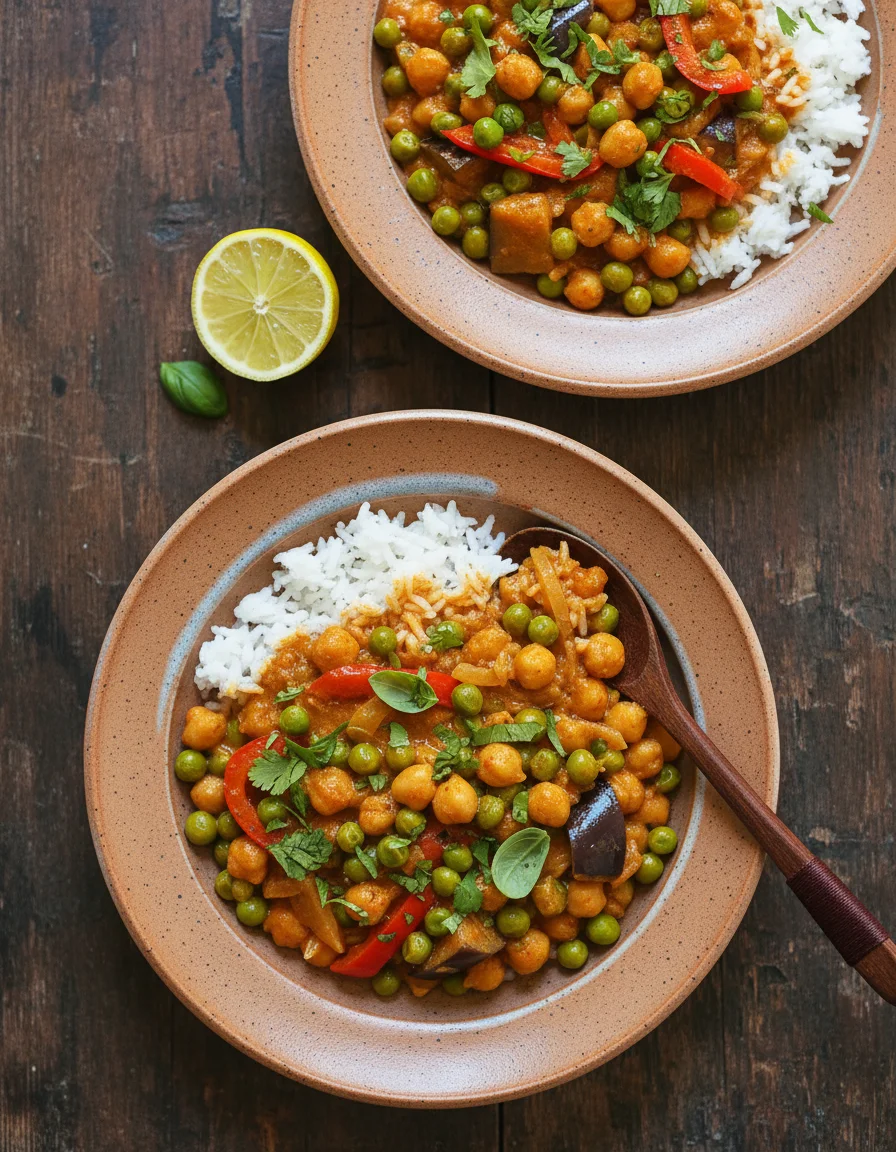
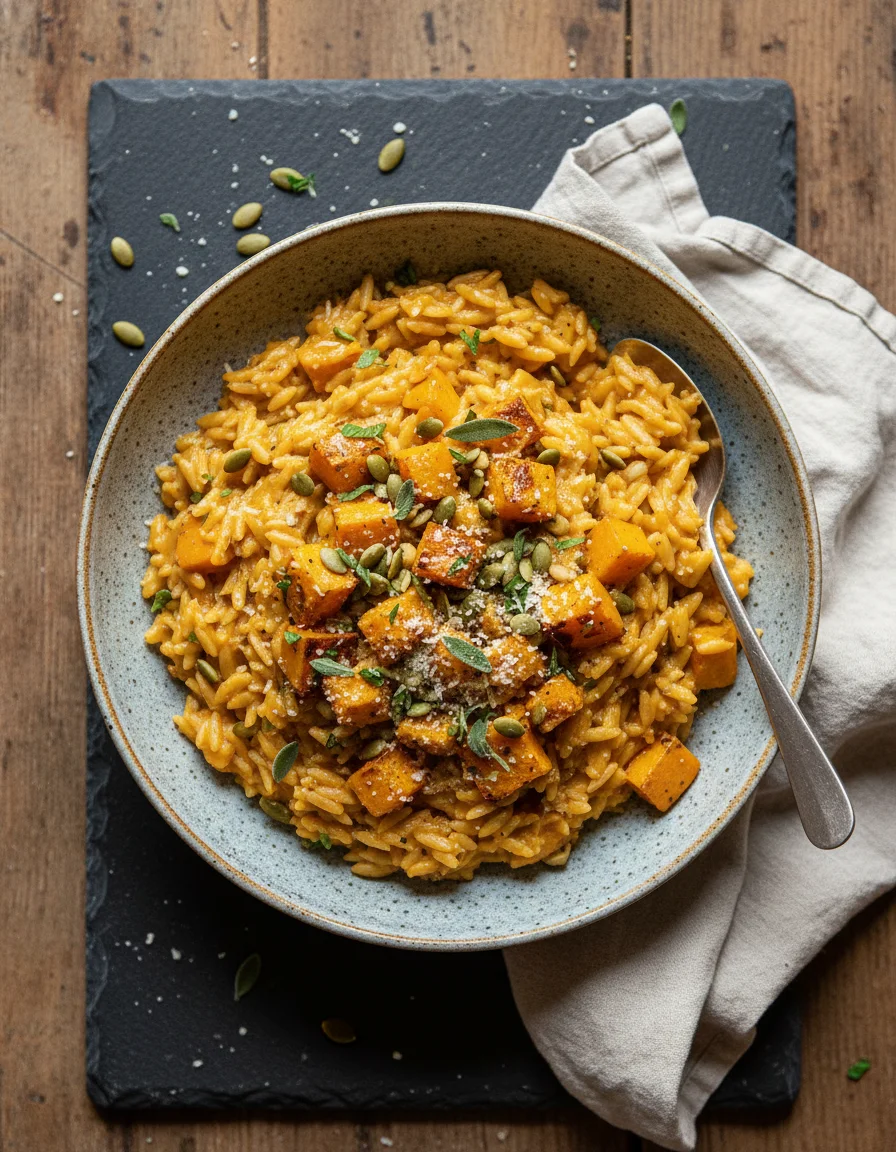
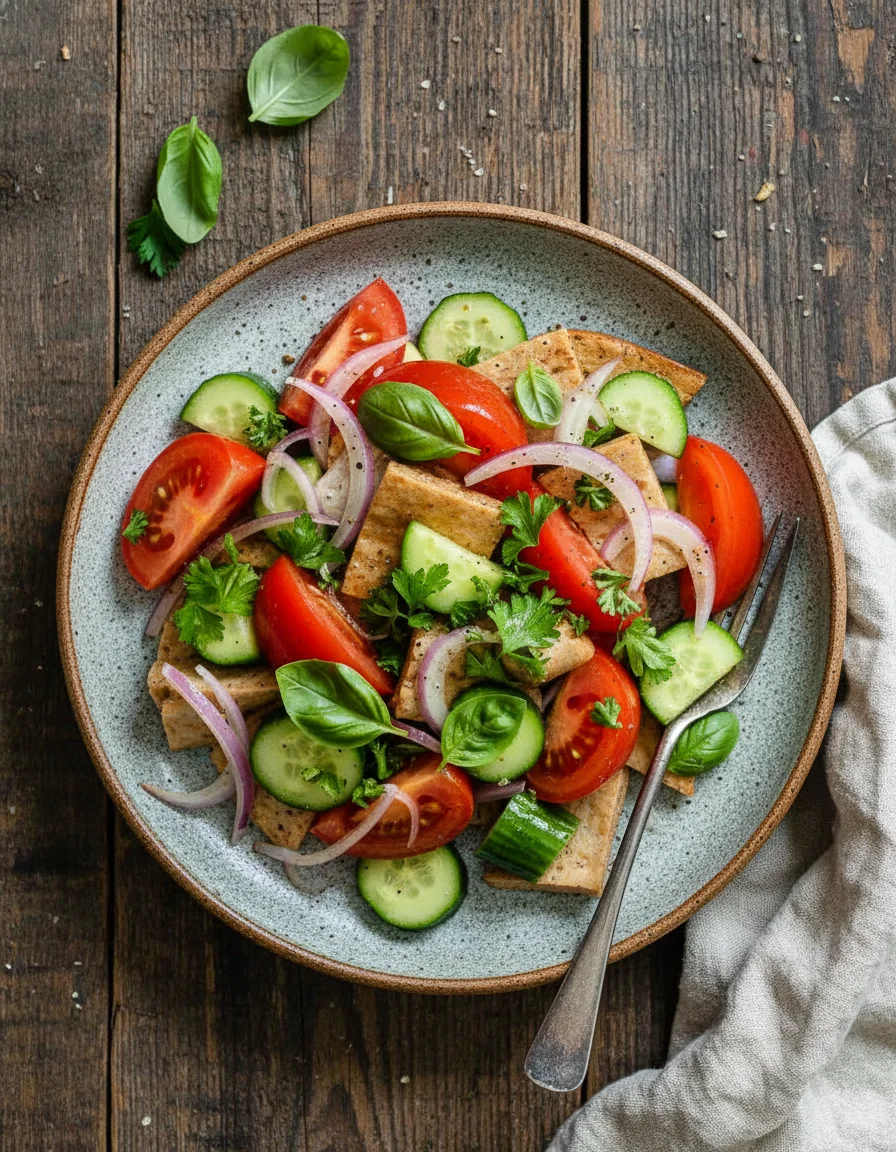
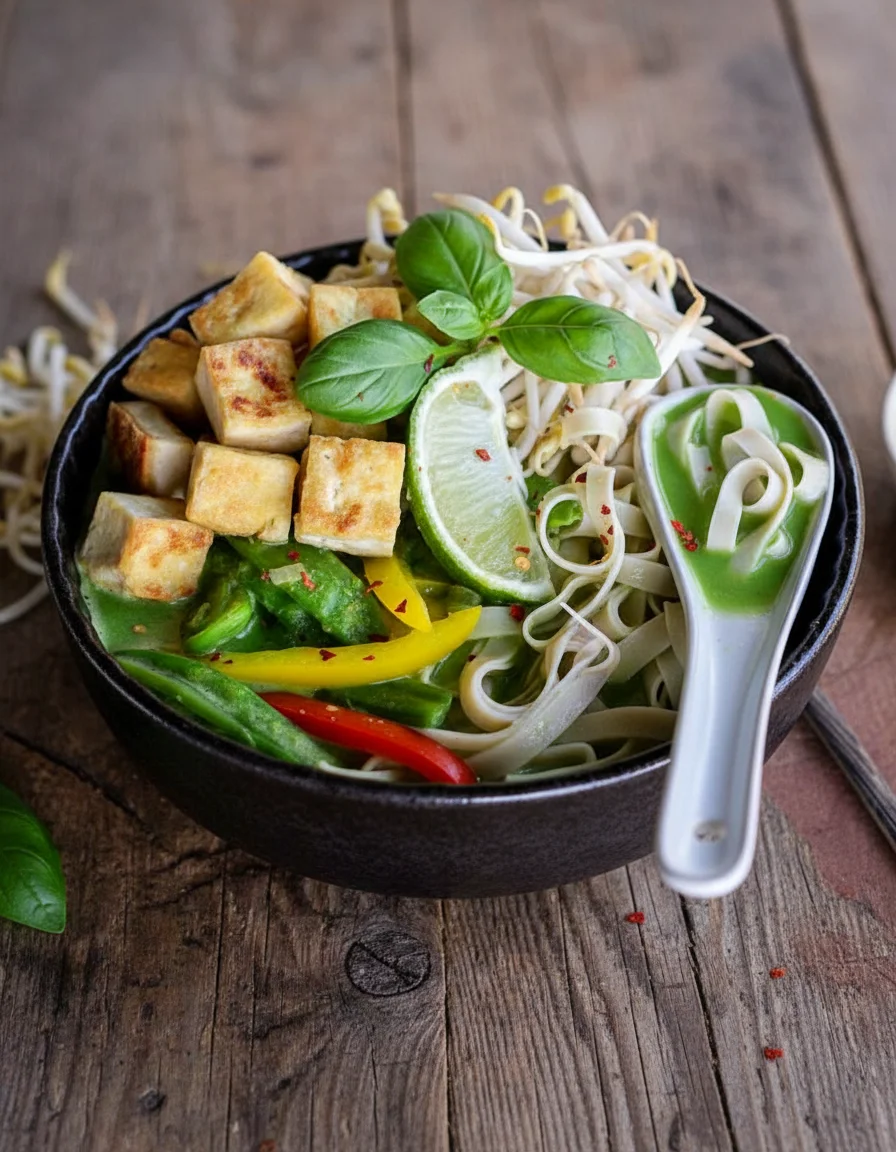
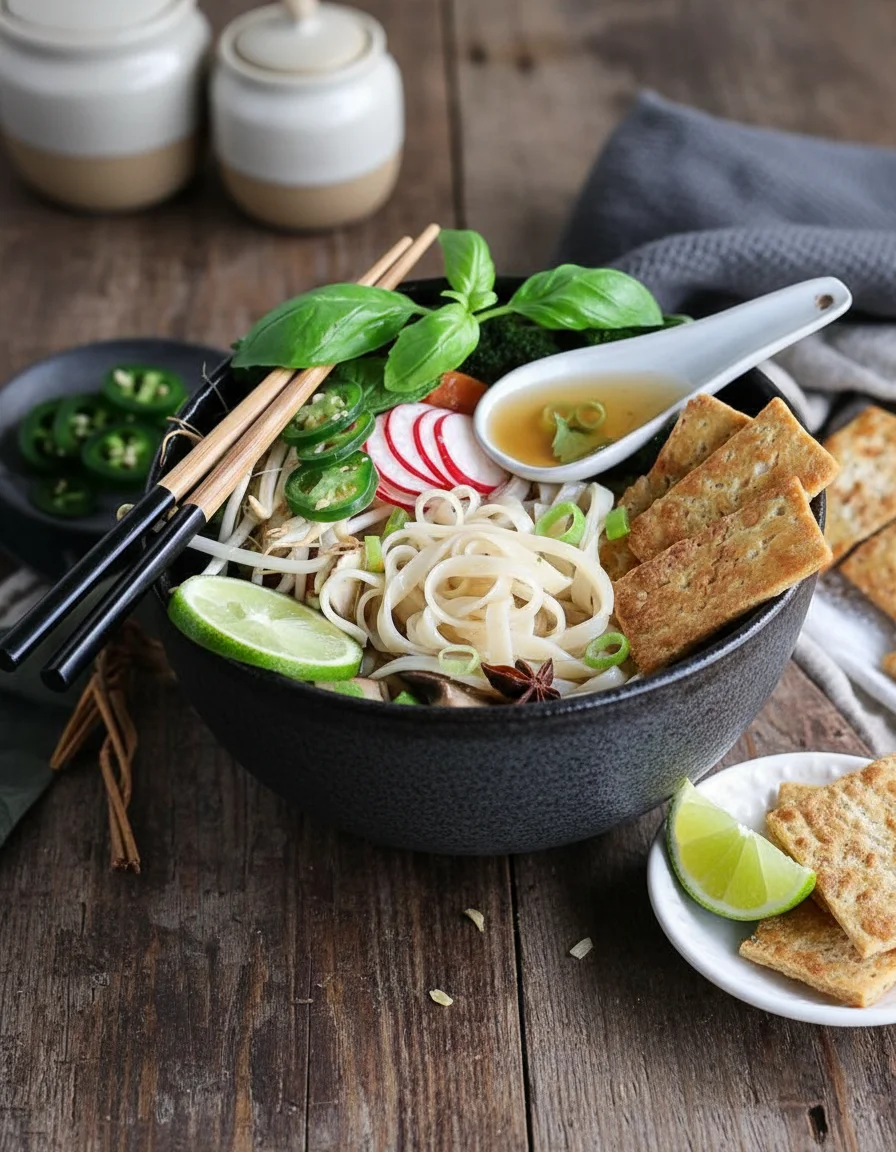
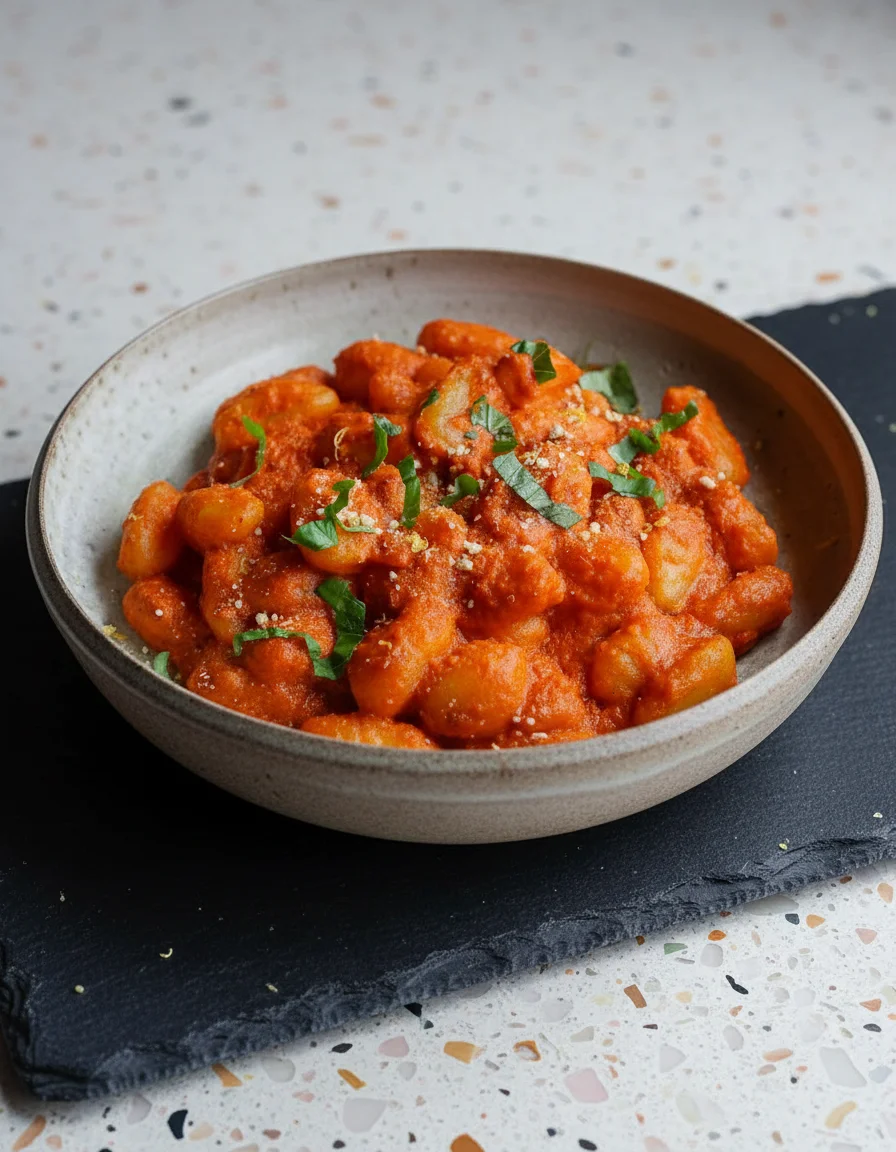
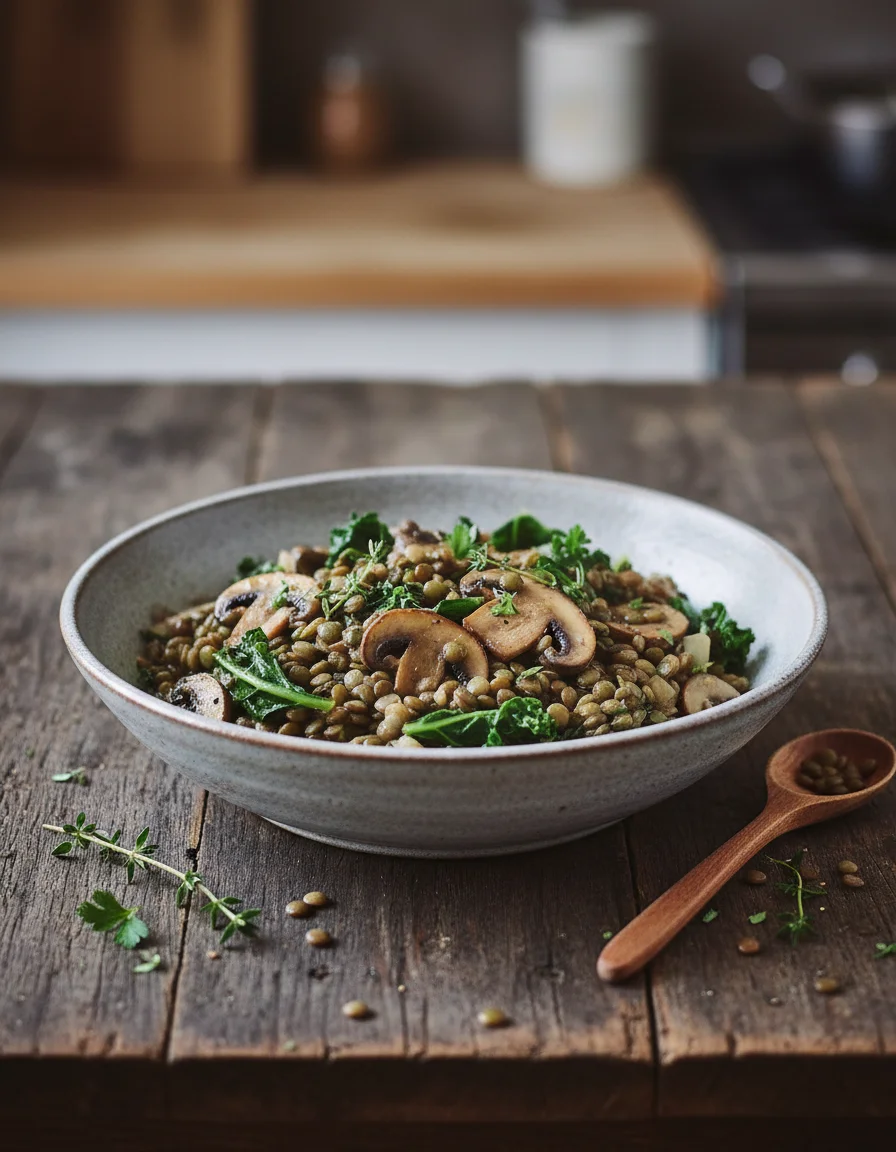
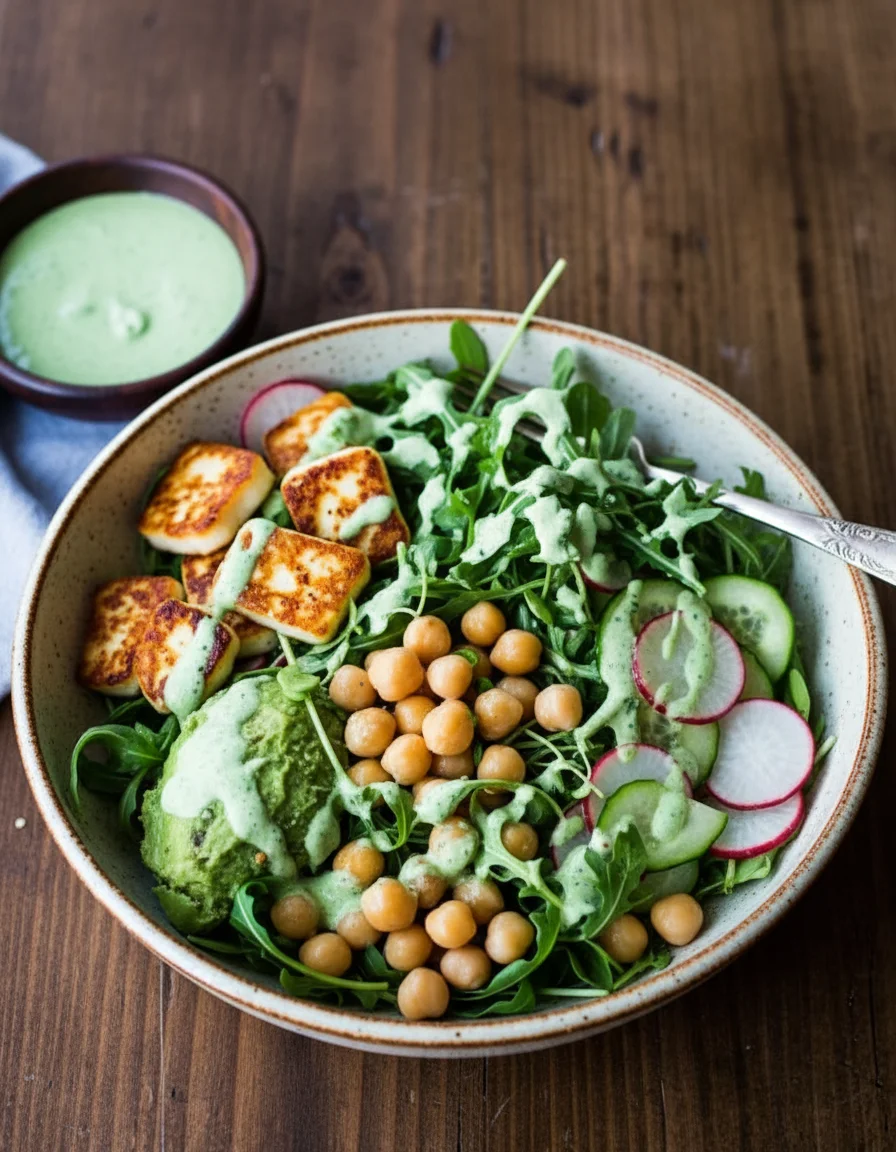
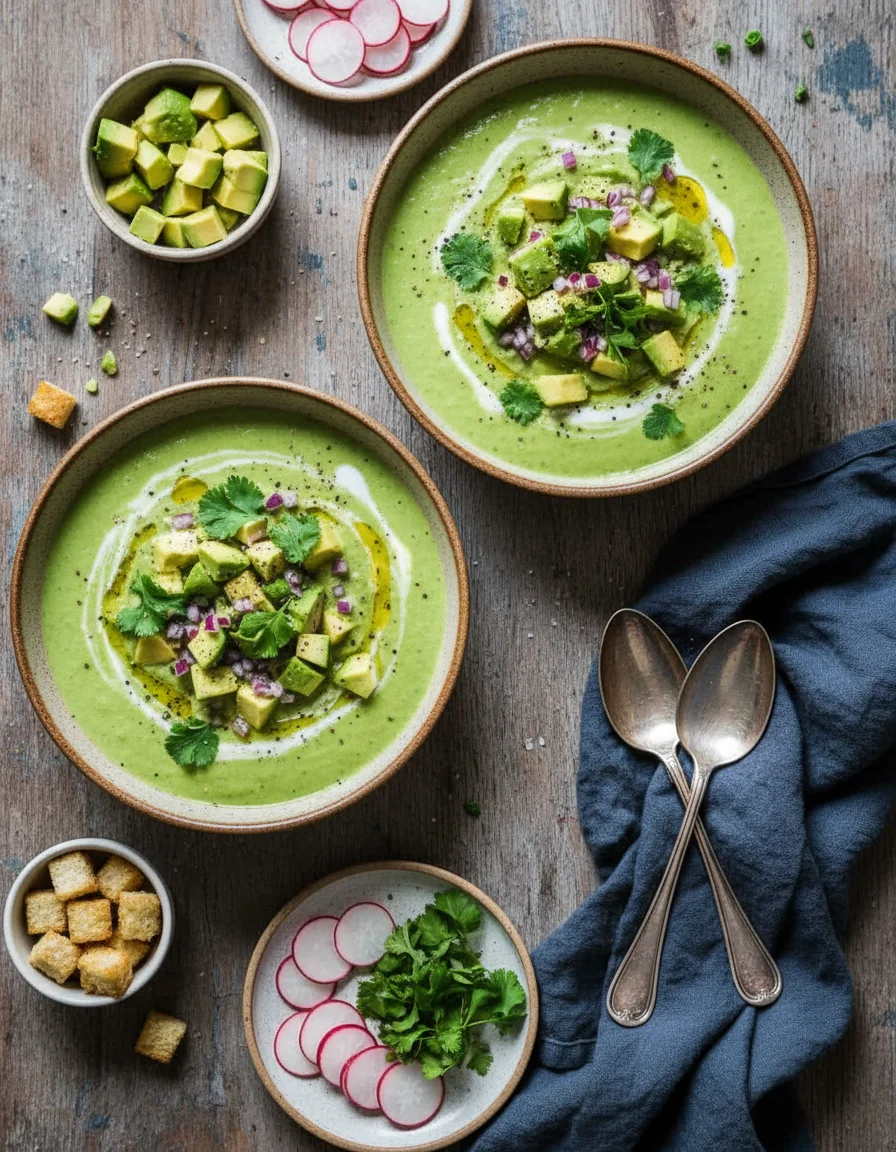
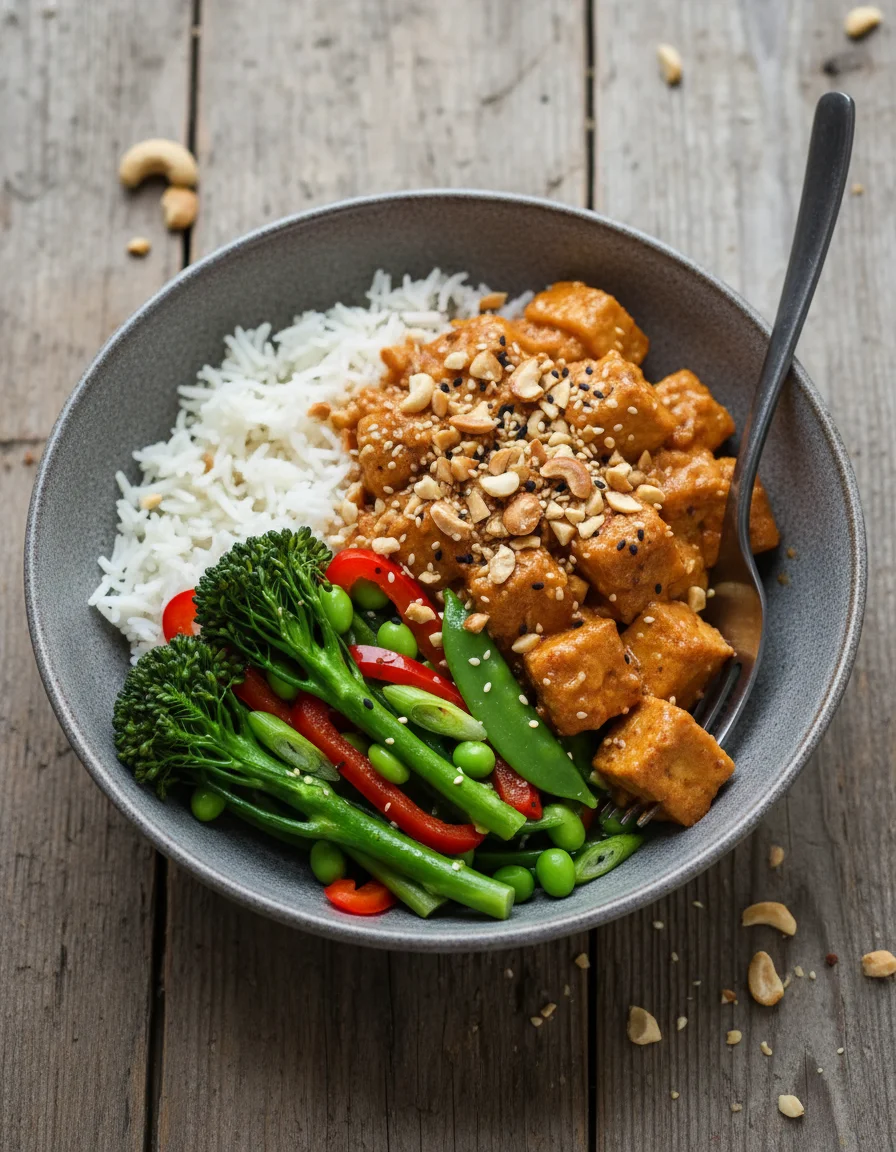
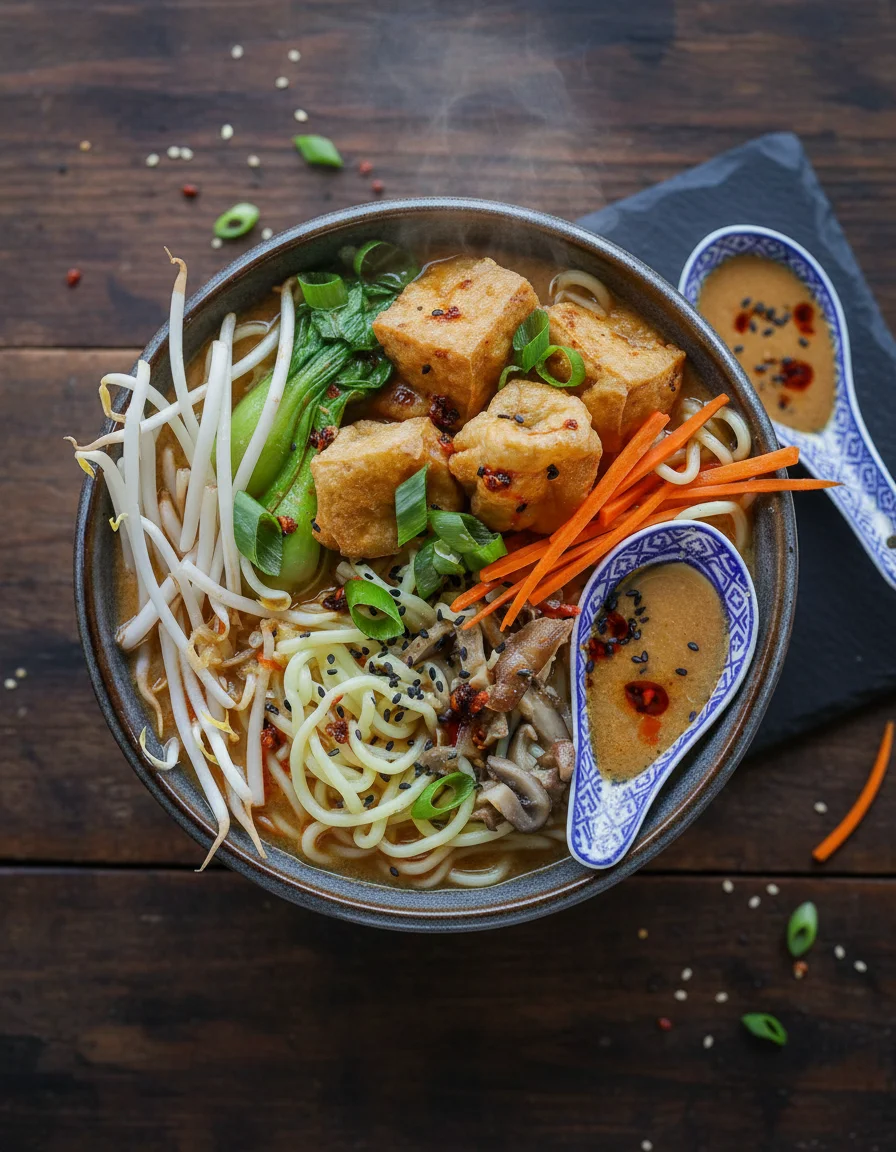
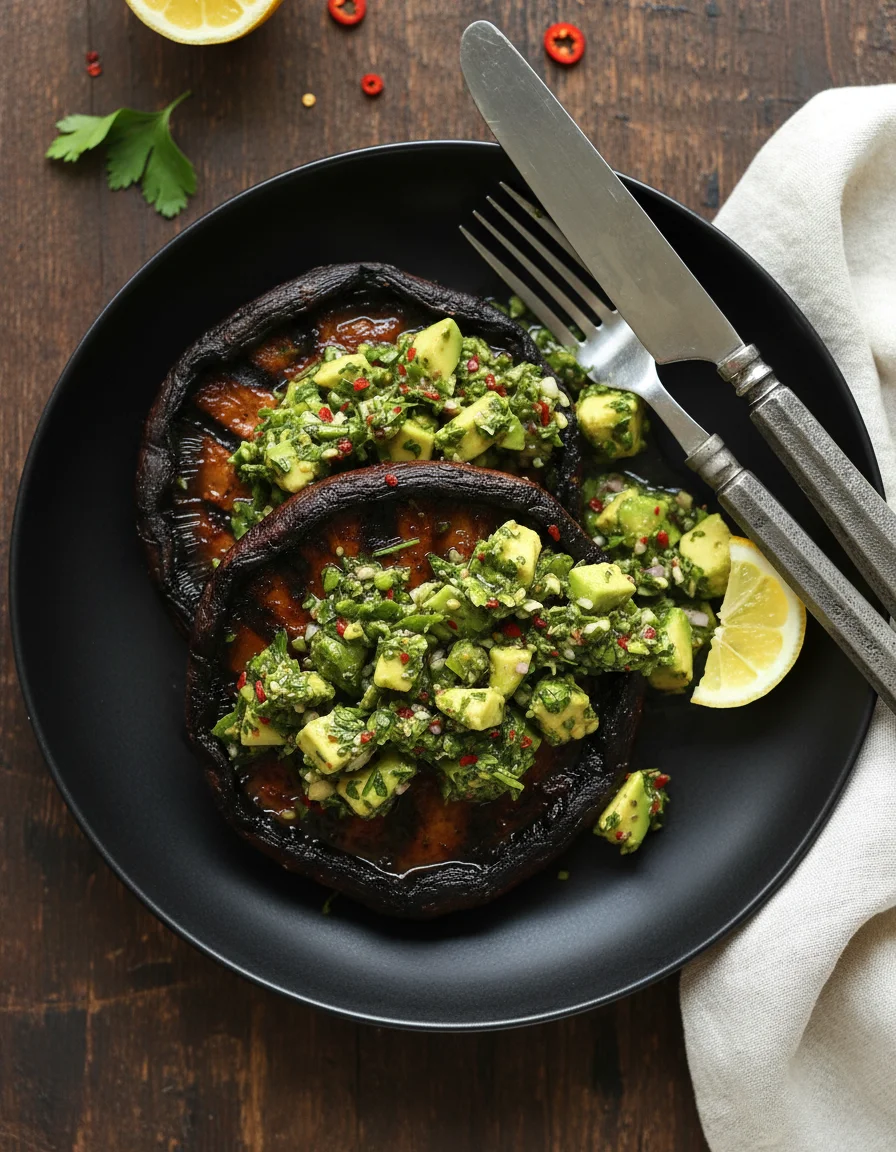

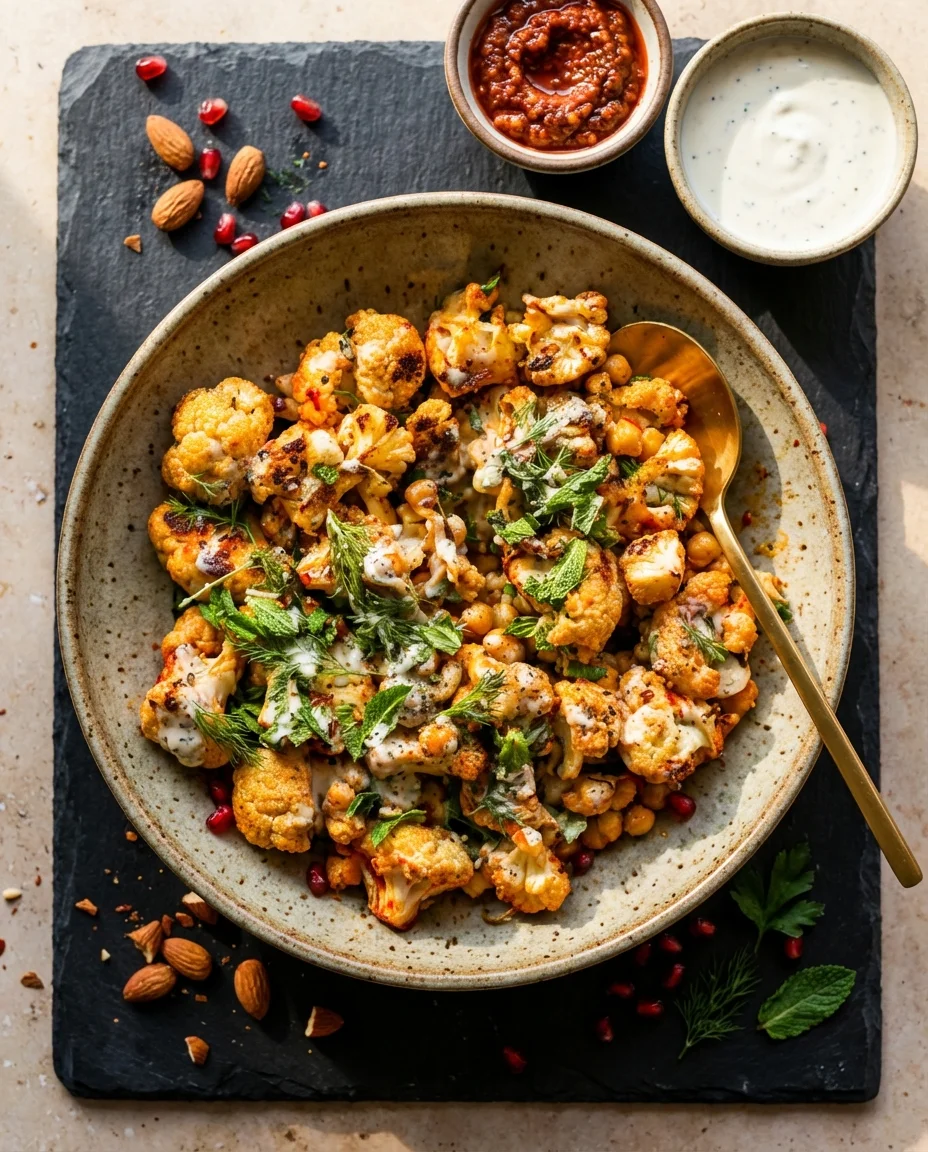
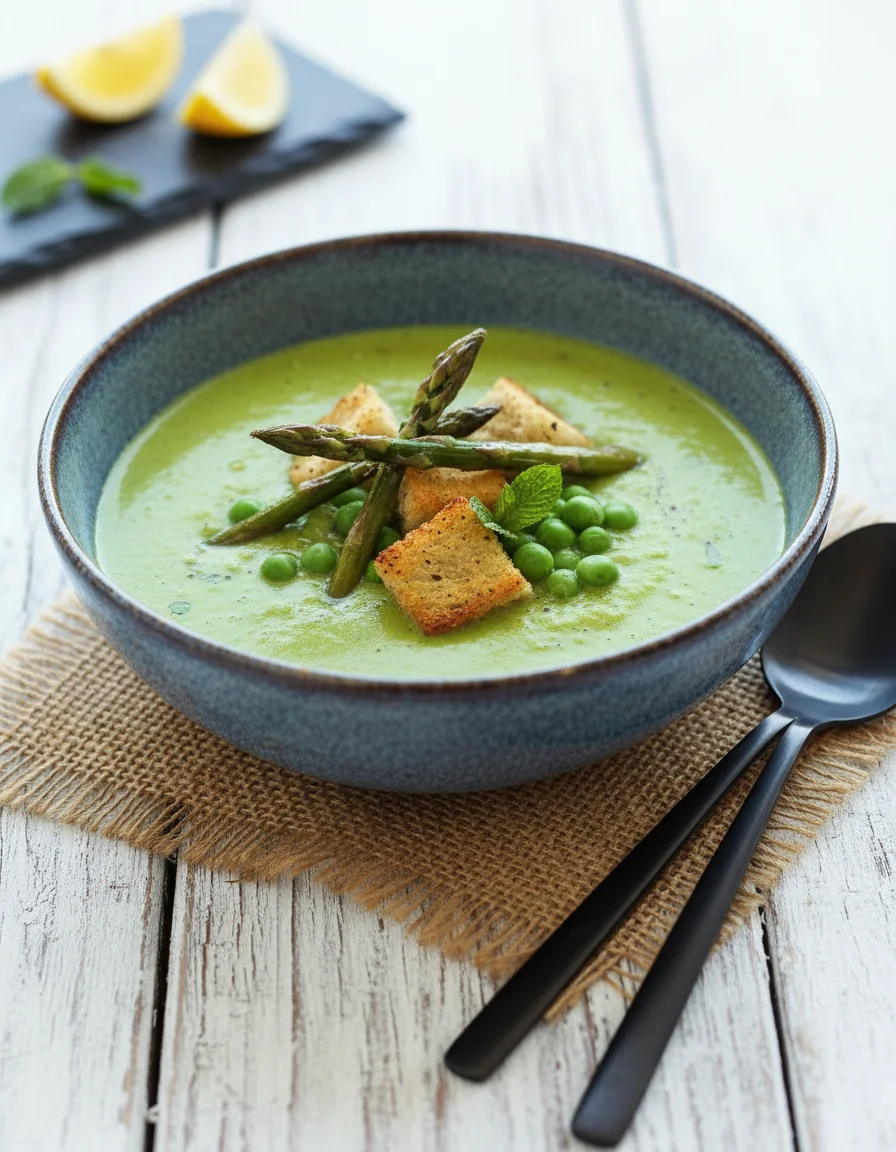
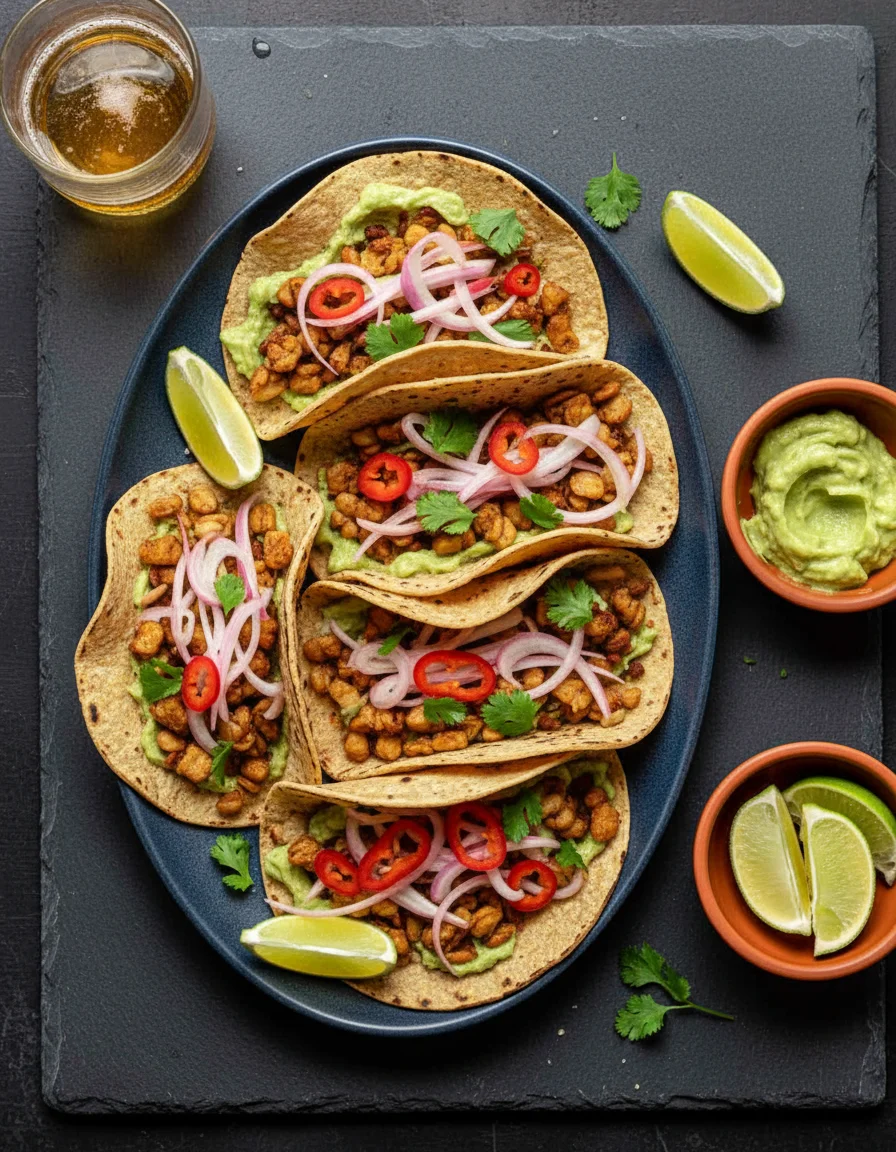
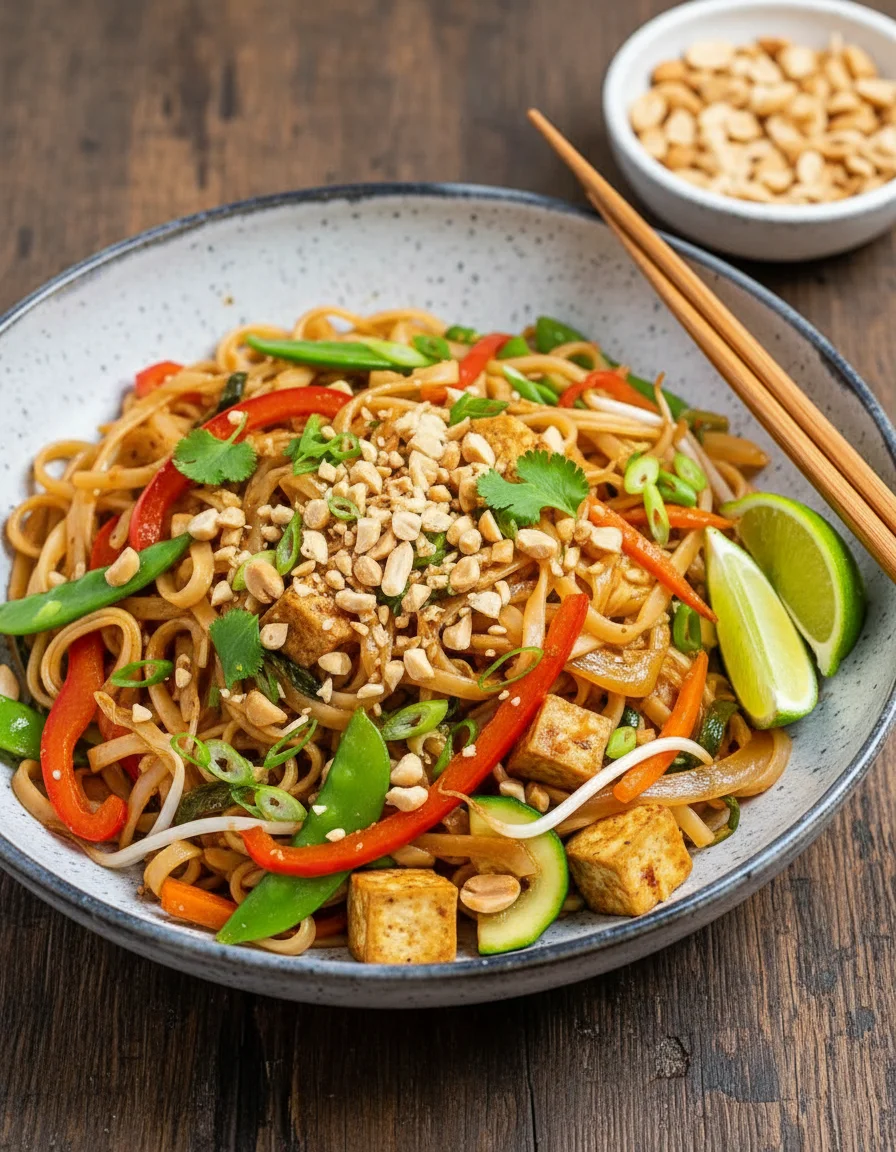
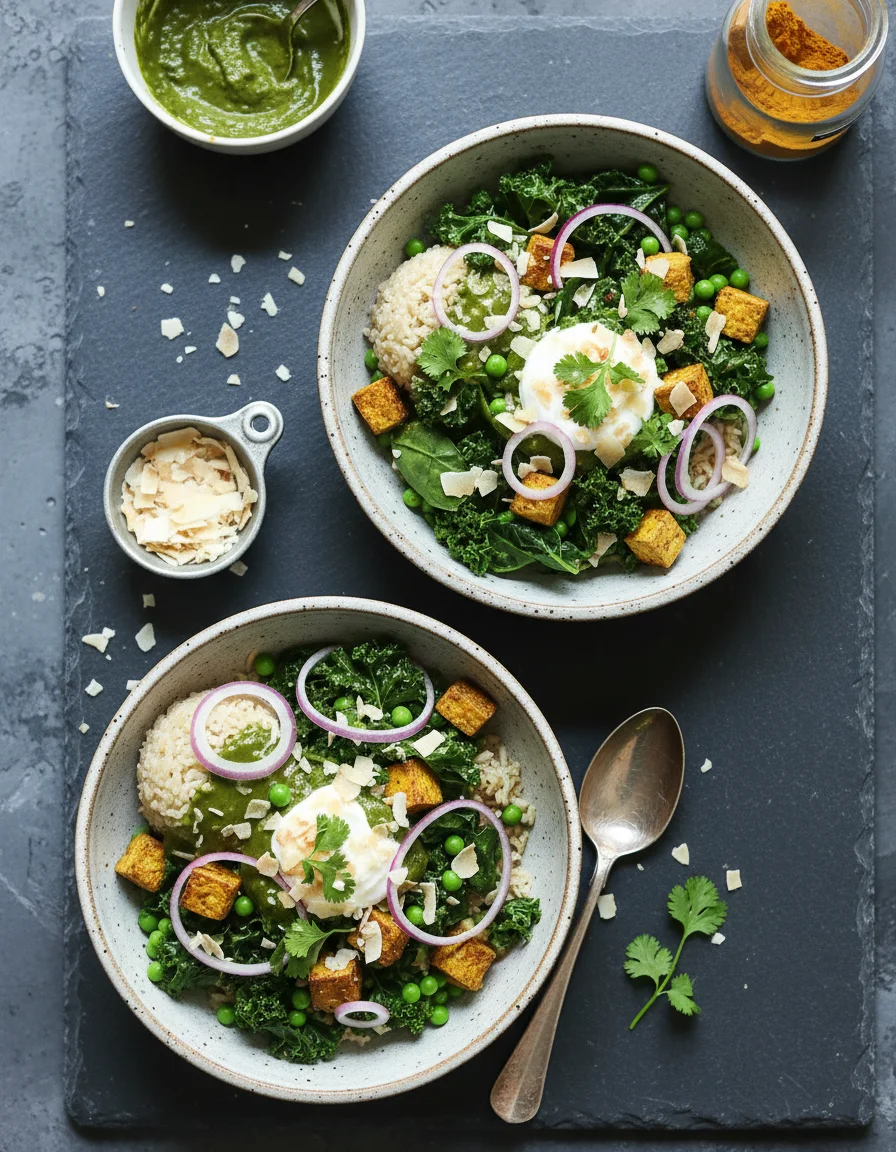
Showing 20 of 72 recipes