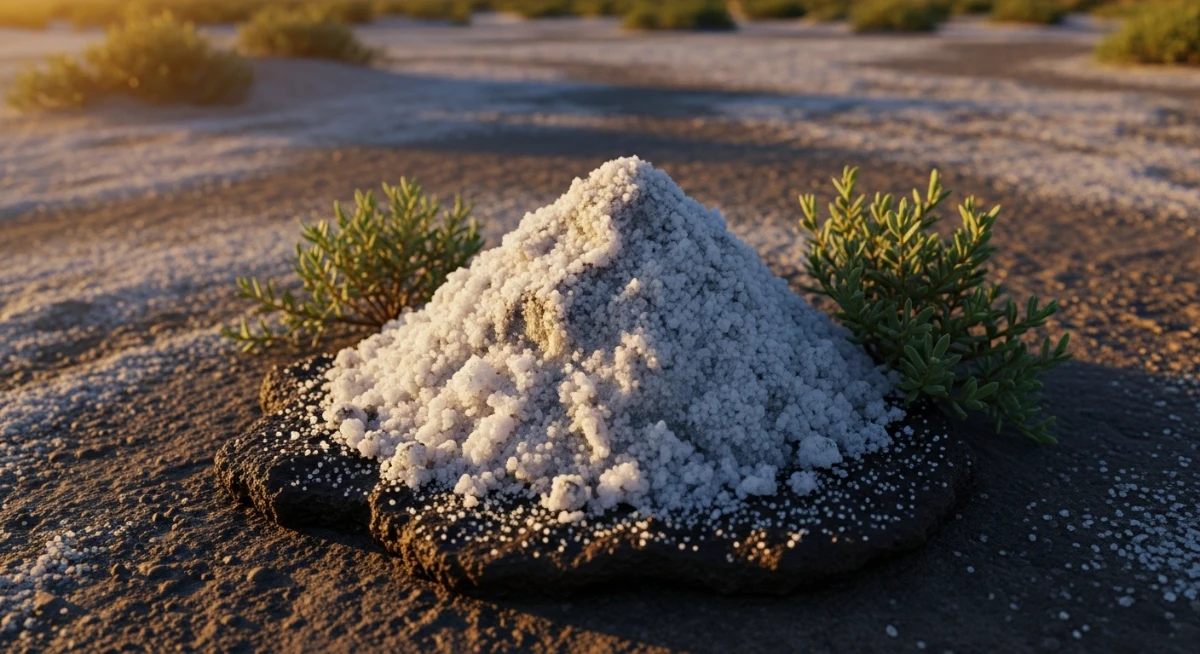
Mastering Salt in Vegan Cooking: Recipes, Tips & Benefits
Unlock the secrets of salt in vegan cooking! Discover how to choose, store, and use different types of salt to elevate 26+ delicious plant-based recipes.
About salt
Welcome to the essential guide on salt, the most fundamental and transformative seasoning in any kitchen, especially for vegan culinary enthusiasts. Often overlooked as a mere additive, salt is, in fact, an incredible flavor enhancer, capable of awakening and amplifying the natural tastes of plant-based ingredients. From the simplest sprinkle to a carefully balanced seasoning, understanding salt is key to unlocking the full potential of your vegan dishes.
The Power of Salt in Vegan Cuisine
In vegan cooking, where a diverse array of vegetables, legumes, grains, and plant proteins are celebrated, salt plays a crucial role in preventing blandness and creating depth. It doesn't just make food salty; it balances flavors, suppresses bitterness, and intensifies sweetness, making every bite more enjoyable. Whether you're seasoning a hearty lentil stew, crisping up tofu, or baking a delicate dessert, salt is the unsung hero that brings everything into delicious harmony.
Health Benefits and Considerations
While often associated with health warnings when consumed in excess, sodium, found primarily in salt, is an essential electrolyte vital for human health. It plays critical roles in nerve function, muscle contraction, and maintaining proper fluid balance. For vegans, ensuring adequate intake of essential minerals is always a consideration, and while excessive sodium should be avoided, a balanced amount is necessary. Many vegans also benefit from iodized salt, as iodine is crucial for thyroid health and can be less abundant in diets that exclude seafood and dairy. Always remember to use salt mindfully, aiming for flavor enhancement without over-salting, and consult health professionals for personalized dietary advice.
Selecting the Best Salt for Your Vegan Dishes
The world of salt is surprisingly varied! Different types offer unique textures, mineral profiles, and applications:
- Table Salt: Fine-grained, often iodized, and best for baking where precise measurements are needed.
- Kosher Salt: Larger, coarser flakes make it easy to pinch and sprinkle, ideal for general seasoning and rubs.
- Sea Salt: Comes in various forms (fine, flaky), often prized for its mineral complexity and clean taste. Flaky sea salt is excellent as a finishing salt.
- Himalayan Pink Salt: Known for its distinctive color and trace minerals, offering a subtle flavor difference, great for everyday cooking and finishing.
Choose unrefined salts where possible, as they often retain more natural minerals and offer a richer flavor profile.
Storage Tips to Preserve Quality
Storing salt is straightforward, as it doesn't expire. However, proper storage is essential to prevent clumping and maintain its texture:
- Airtight Container: Keep salt in an airtight jar or container to protect it from moisture, which can cause clumping.
- Cool, Dry Place: Store it away from heat and humidity, such as above the stove, as these conditions can draw moisture into the salt.
- Salt Cellar or Pinch Pot: For everyday cooking, a small salt cellar near your cooking area is convenient for easy access, but ensure it's covered when not in use.
By understanding and appreciating salt, you elevate your vegan cooking from good to extraordinary, ensuring every dish is perfectly seasoned and bursting with flavor.
Vegan Substitutions
Plant-based alternatives for salt in your recipes
| Original Ingredient | Replace with | Vegan Alternative | Notes |
|---|---|---|---|
| Excessive Salt/High Sodium | Herbs, Spices, Acidic Ingredients, Umami Boosters | While salt itself is vegan and essential, if you need to reduce sodium intake, you can replace some of salt's flavor-enhancing role with other ingredients. Use generous amounts of fresh or dried herbs, spices (like garlic powder, onion powder, smoked paprika), a squeeze of lemon or lime juice, a splash of vinegar, or a sprinkle of nutritional yeast for a cheesy, savory kick. These alternatives can elevate flavor without adding extra sodium. |
Substitution ratios may vary by recipe. Start with a 1:1 ratio and adjust to taste.
Frequently Asked Questions
Different salts offer distinct textures and subtle flavor nuances that can enhance vegan dishes. Fine table salt dissolves quickly and is great for baking. Coarse kosher salt is perfect for seasoning during cooking and forming crusts. Flaky sea salts or Himalayan pink salt are excellent as finishing salts, adding a textural crunch and a burst of clean, mineral flavor right before serving to dishes like roasted vegetables, salads, or even chocolate desserts.
salt Recipes
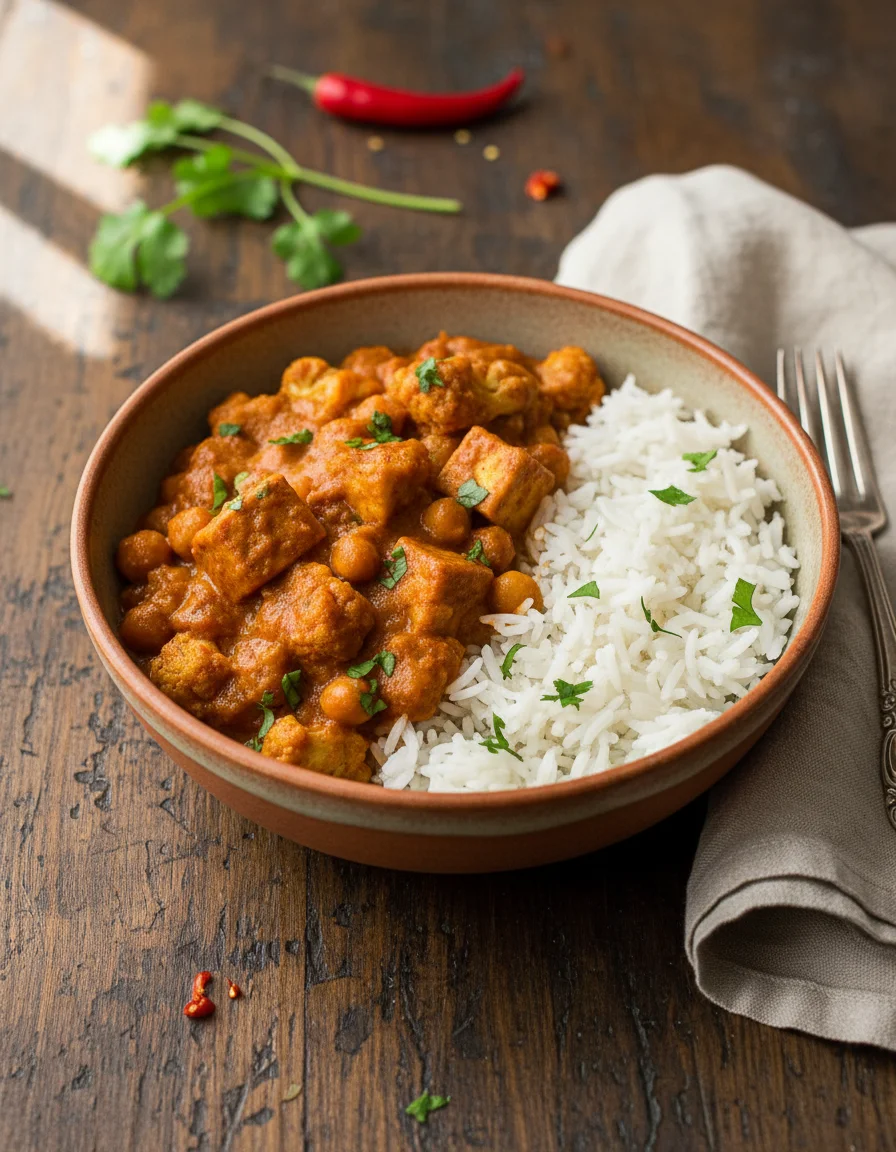
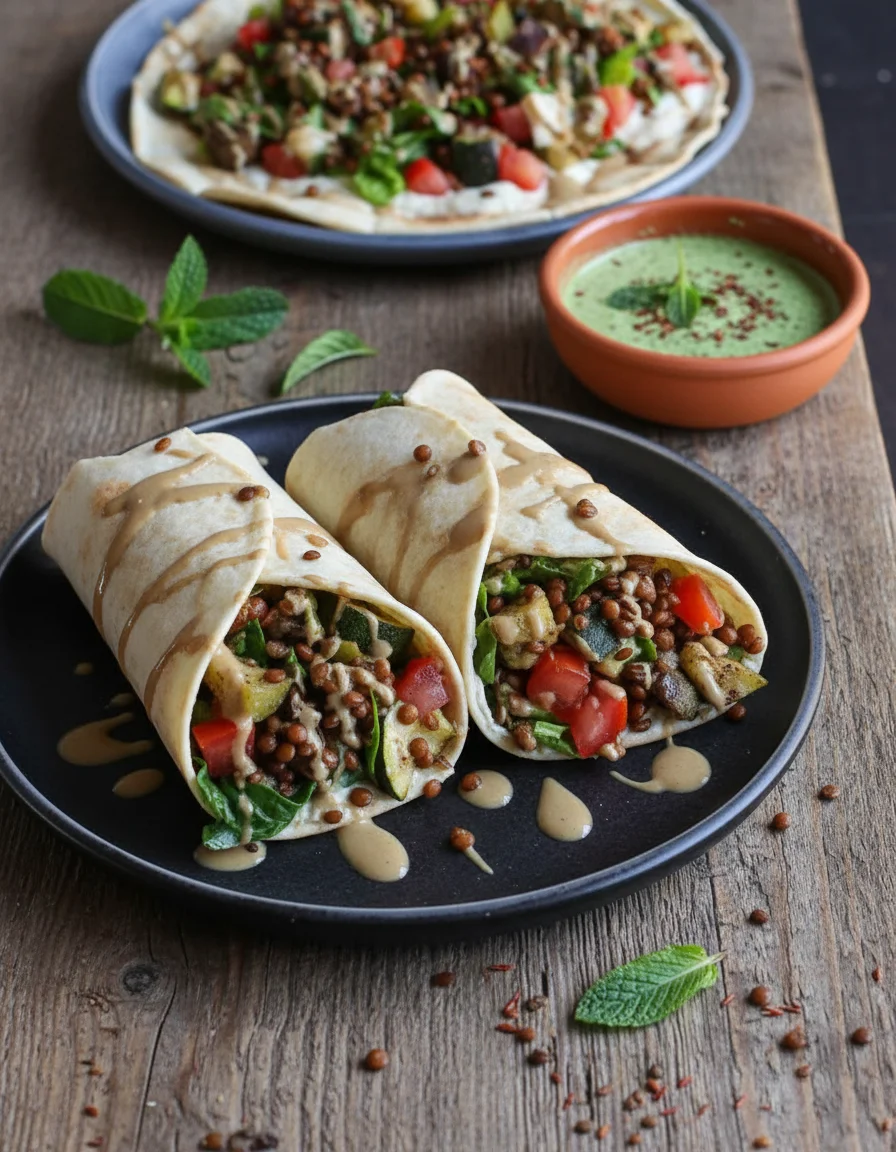
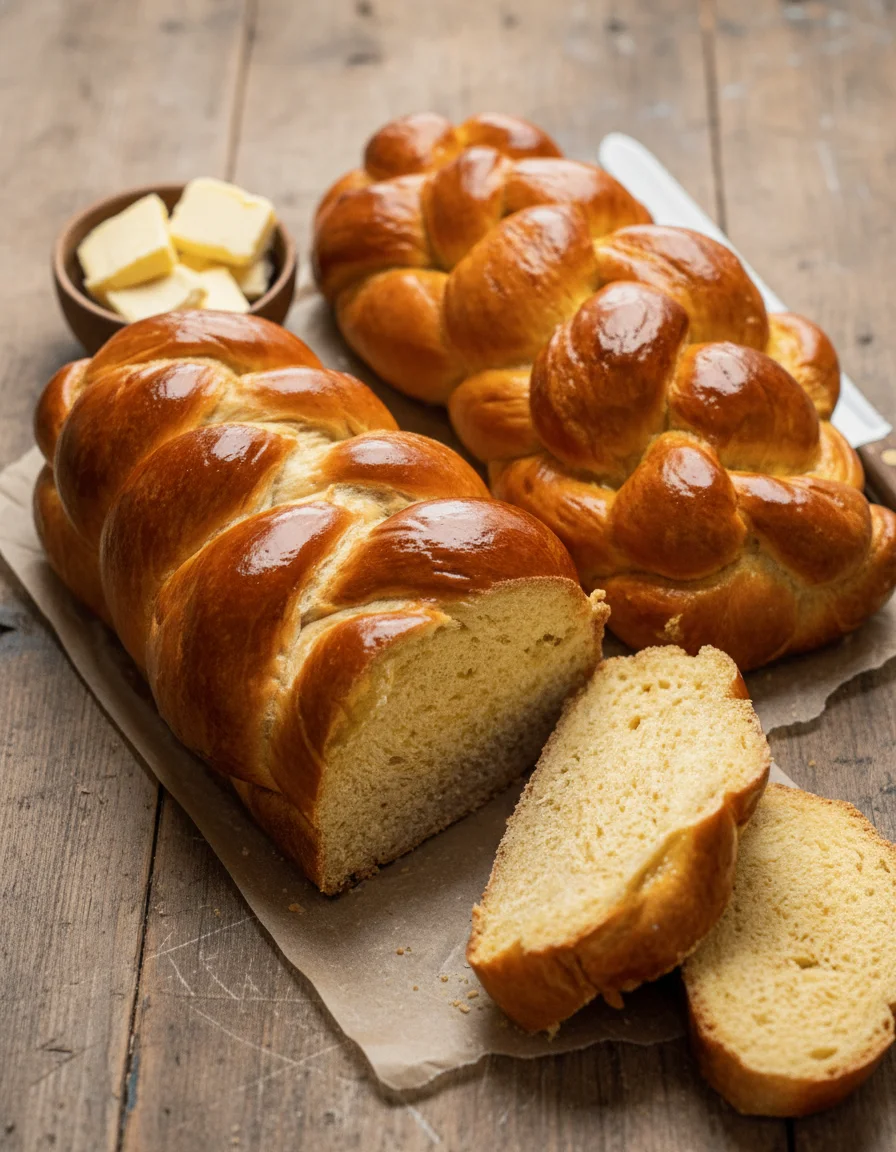

Showing 20 of 58 recipes