16+ Best Vegan White Pepper Recipes (Healthy & Flavorful)
Elevate your vegan dishes with the subtle heat of white pepper! Discover its unique flavor profile, health benefits, and how to use it in 16+ delicious plant-ba
About pepper white
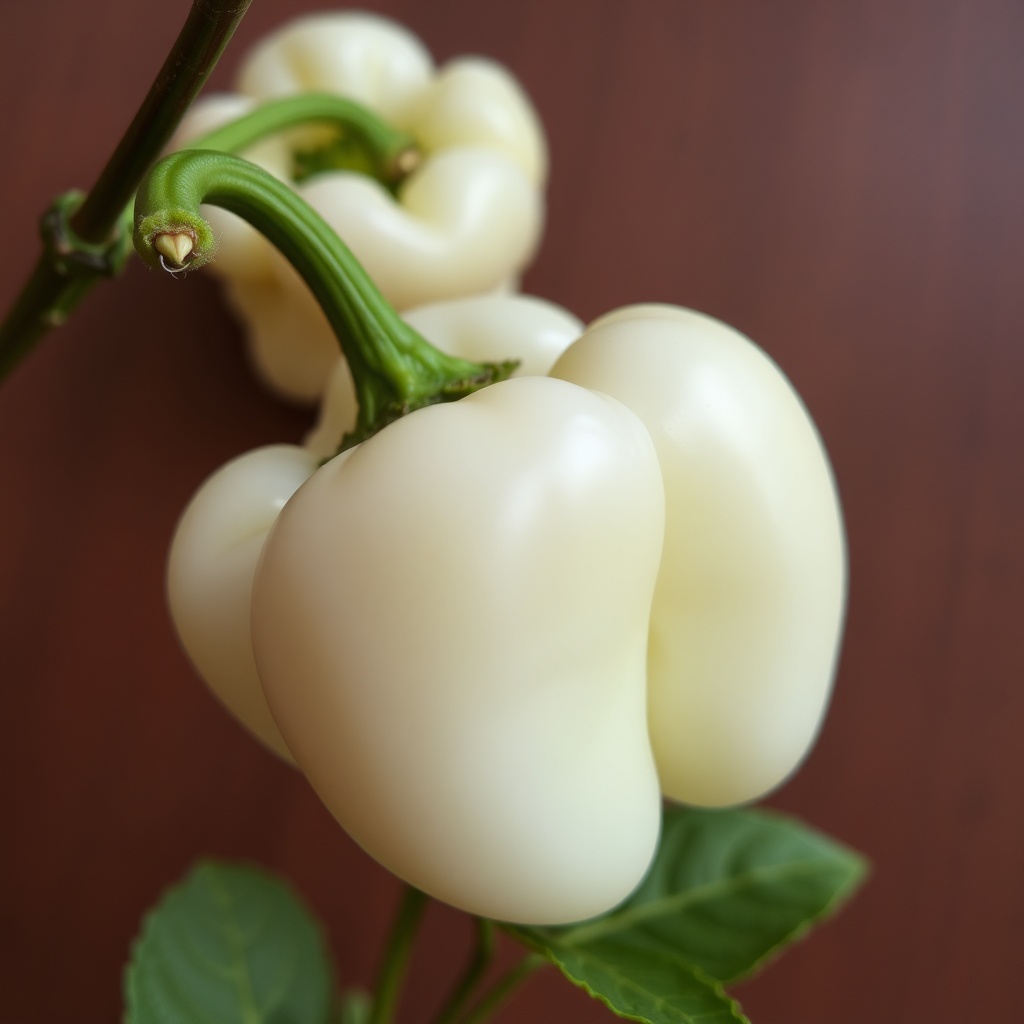
White pepper, derived from the same plant as black pepper (Piper nigrum), is a beloved spice renowned for its distinct flavor profile and aesthetic appeal. Unlike its black counterpart, white pepper undergoes a process where the outer dark skin is removed, resulting in a milder, less pungent, and more earthy taste with subtle floral notes. This makes it a favorite in light-colored dishes like cream sauces, mashed potatoes, and delicate soups, where the absence of black specks is desired. For vegan cooks, white pepper is an essential pantry staple, adding depth and a gentle kick without overpowering other flavors.
Health Benefits for a Vegan Diet
Incorporating white pepper into your vegan cooking offers more than just flavor. Based on available nutritional data, white pepper is a surprisingly good source of several important nutrients. It's notably high in dietary fiber, providing a significant amount that aids digestion and gut health. For those following a plant-based diet, white pepper contributes valuable minerals such as iron, crucial for oxygen transport; manganese, important for bone health and metabolism; and calcium, vital for strong bones and teeth. It also contains magnesium, potassium, and a touch of Vitamin C. The active compound piperine, responsible for pepper's pungency, is also present and has been studied for its potential antioxidant and anti-inflammatory properties, and its ability to enhance the bioavailability of other nutrients. Adding this spice regularly can be a simple way to boost your intake of these essential micronutrients.
Selection Tips for Quality White Pepper
To ensure the best flavor and potency, selecting high-quality white pepper is key. Whenever possible, opt for whole white peppercorns. They retain their volatile oils and flavor much longer than pre-ground varieties. Look for peppercorns that are uniformly creamy white, plump, and firm. Avoid any that appear discolored, shriveled, or have a musty smell. If you're purchasing pre-ground white pepper, choose a reputable brand and check the color – it should be a pure, off-white hue, not gray or yellowish. A quick sniff should reveal a clean, slightly earthy, and warm aroma. If it smells stale or has no scent, it's past its prime.
Storage Tips to Maintain Freshness
Proper storage is essential to preserve the delicate flavor and aroma of white pepper. Both whole peppercorns and ground white pepper should be stored in an airtight container, away from direct sunlight, heat, and moisture. A cool, dark pantry or cupboard is ideal. Whole white peppercorns, when stored correctly, can maintain their freshness and potency for up to 3-4 years. Ground white pepper, however, has a shorter shelf life, typically lasting about 1-2 years, as its surface area is exposed to more air, causing its essential oils to dissipate faster. Grinding your own peppercorns as needed is the best way to enjoy the freshest, most vibrant flavor.
Versatility in Vegan Kitchens
White pepper's subtle heat and distinct aroma make it incredibly versatile in vegan cuisine. It's a star in creamy plant-based sauces, gravies, and soups, providing warmth without the visual disruption of black specks. Think of vegan béchamel, cashew cream sauces, or mushroom gravies. It's also fantastic in stir-fries, marinades for tofu and tempeh, vegetable curries, and dressings. Its unique profile complements ingredients like ginger, garlic, and soy sauce beautifully, making it a go-to spice for Asian-inspired vegan dishes. From savory breakfast scrambles to hearty dinner entrees, white pepper can elevate a wide range of recipes, adding a sophisticated touch that truly makes a difference.
Frequently Asked Questions
White pepper comes from the same plant as black pepper, Piper nigrum. The key difference lies in processing: white pepper is made from mature berries that have been soaked to remove their outer skin, or pericarp, before drying. This results in a milder, less pungent, and more earthy flavor compared to the sharper, more robust taste of black pepper, which is dried with its skin intact.
pepper white Recipes









Showing 20 of 30 recipes