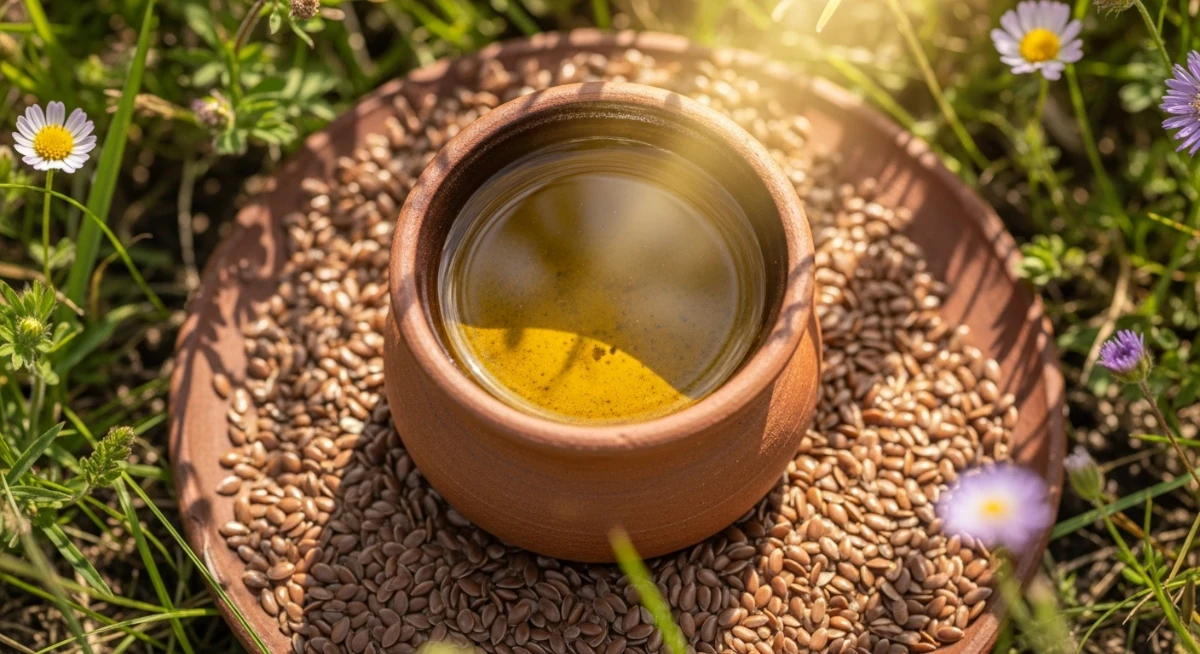
131+ Best Vegan Oil Recipes (Healthy & Versatile Cooking)
Discover the world of vegan oils! From healthy cooking to enhancing flavor, explore over 131 versatile recipes that showcase the best plant-based oils for every
About oil
Welcome to the essential guide to oils in vegan cooking! While often debated, oils are fundamental ingredients that bring flavor, texture, and essential richness to countless plant-based dishes. From the golden drizzle over a fresh salad to the crucial fat needed for sautéing vegetables or crisping up tofu, oils play an indispensable role in creating satisfying and delicious vegan meals. Understanding the different types of oils and their best uses will unlock a whole new level of culinary creativity in your kitchen, making your vegan cooking not just healthier, but also more exciting and flavorful.
Health Benefits of Vegan Oils
Incorporating healthy plant-based oils into your diet can offer numerous benefits. Many vegan oils are excellent sources of monounsaturated and polyunsaturated fats, including essential omega-3 and omega-6 fatty acids, crucial for heart health, brain function, and reducing inflammation. Extra virgin olive oil, for instance, is rich in antioxidants, while flaxseed oil is a fantastic source of omega-3s. Avocado oil provides monounsaturated fats and vitamin E. These healthy fats aid in the absorption of fat-soluble vitamins (A, D, E, K) from other plant foods, helping your body get the most out of your nutrient-dense vegan diet. The key, as with all fats, is moderation and choosing the right oil for the right application.
Selecting the Best Vegan Oils
The world of vegan oils is vast, and choosing the right one depends on its intended use and your personal health goals.
- For High-Heat Cooking: Oils with high smoke points like avocado oil, refined coconut oil, sunflower oil, and grapeseed oil are ideal for sautéing, frying, and roasting, as they can withstand higher temperatures without breaking down.
- For Medium-Heat Cooking & Dressings: Extra virgin olive oil is fantastic for light sautéing, dressings, marinades, and drizzling over finished dishes. Choose cold-pressed and organic varieties for the best flavor and nutrient retention.
- For Baking: Neutral-flavored oils like canola, sunflower, or melted refined coconut oil often work best.
- For Flavor & Finishing: Toasted sesame oil, walnut oil, or pumpkin seed oil add distinct flavors to dressings, stir-fries, and finishing drizzles.
Storage Tips for Vegan Oils
Proper storage is crucial to prevent oils from going rancid, which can spoil their flavor and nutritional value.
- Cool, Dark Place: Most oils, especially olive oil and avocado oil, should be stored in a cool, dark pantry or cupboard, away from direct sunlight and heat.
- Airtight Containers: Keep oils in tightly sealed bottles to prevent exposure to oxygen, which accelerates rancidity.
- Refrigeration: Certain oils, particularly those high in polyunsaturated fats like flaxseed oil, should be refrigerated after opening to extend their shelf life. Coconut oil will solidify in the fridge but can be stored at room temperature if your kitchen is not too warm.
- Check for Rancidity: Rancid oil will have an off, metallic, or crayon-like smell and taste. If in doubt, it’s best to discard it.
Frequently Asked Questions
For high-heat methods like sautéing, frying, or roasting, opt for oils with a high smoke point such as avocado oil, refined coconut oil, or sunflower oil. For dressings, marinades, or light sautéing, extra virgin olive oil is an excellent choice. When baking, neutral-flavored oils like canola or melted refined coconut oil are often preferred. Finishing oils like toasted sesame oil or walnut oil add distinct flavors to dishes and are best used uncooked.
oil Recipes



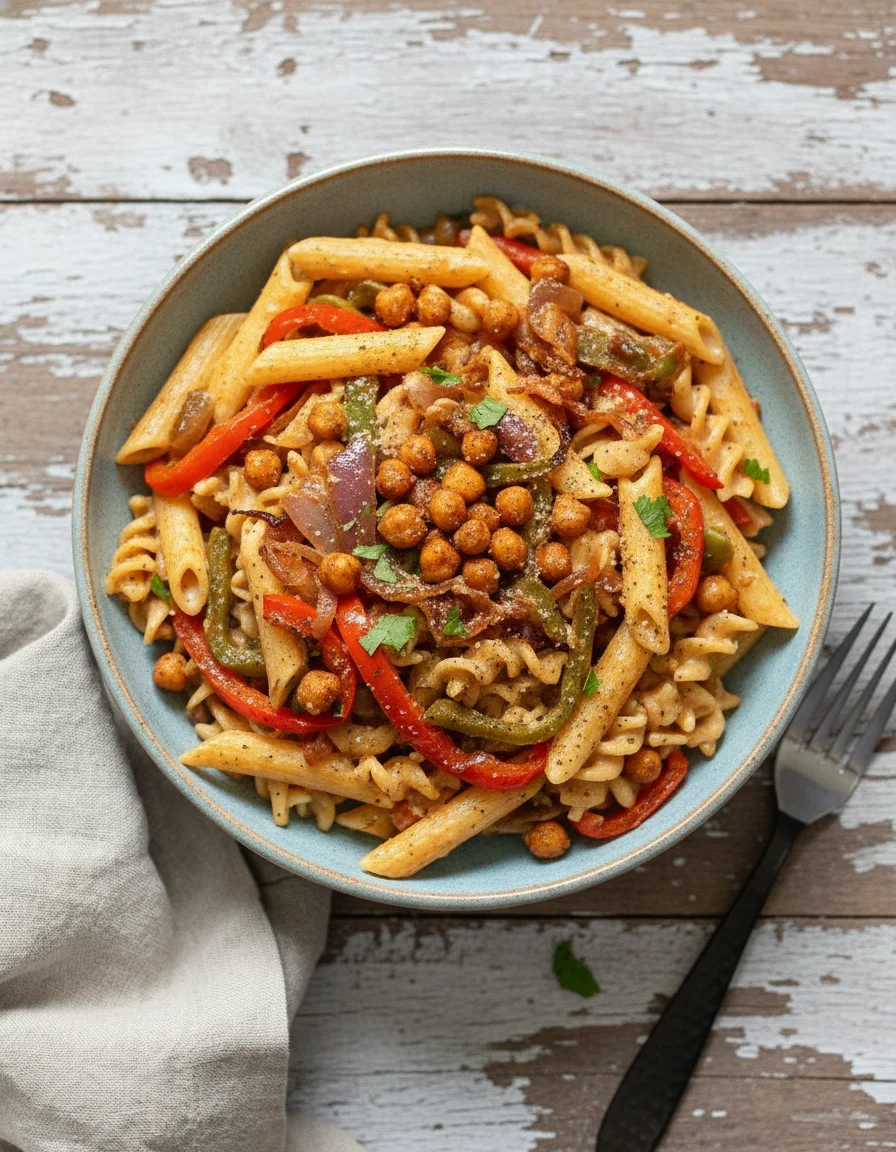
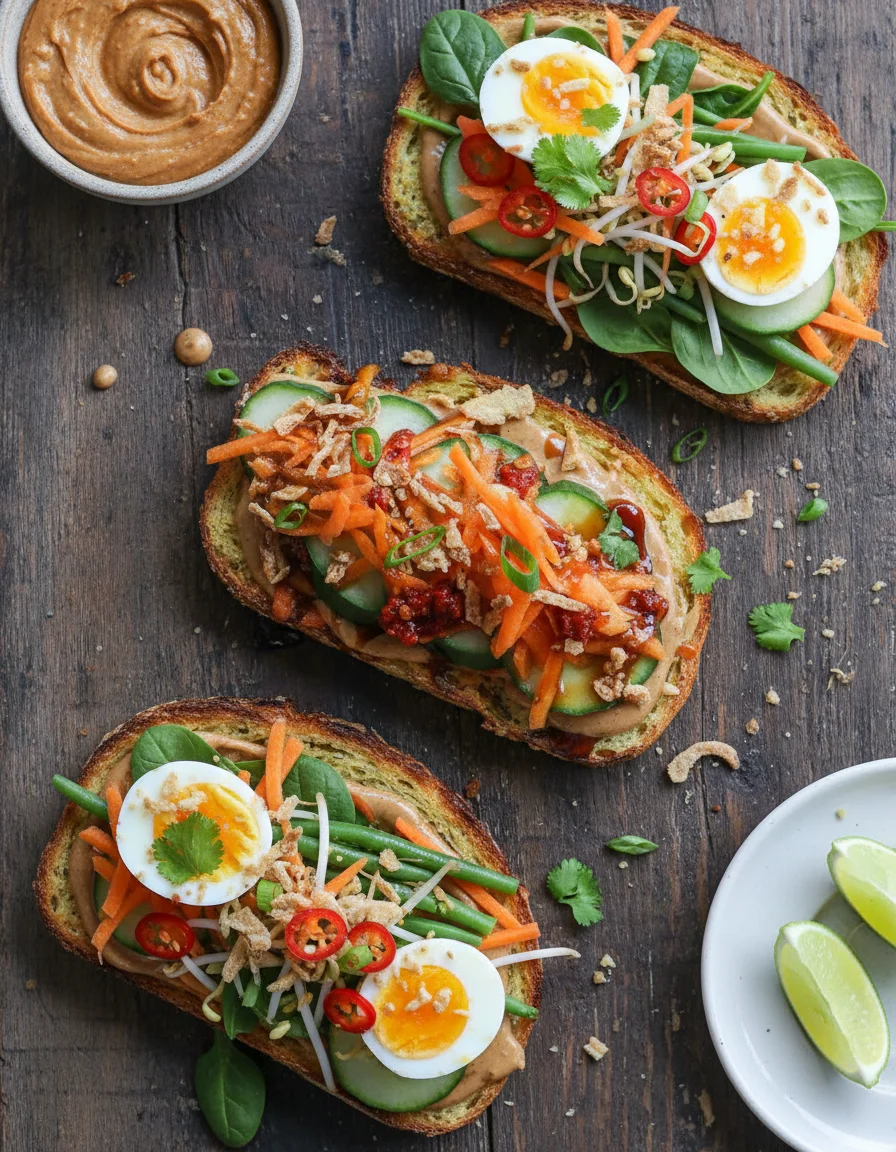
Showing 20 of 230 recipes