21+ Best Vegan Coconut Flour Recipes (Healthy & Easy)
Discover delicious and healthy vegan recipes using coconut flour! From gluten-free baked goods to savory dishes, explore its unique benefits and versatility.
About coconut flour
Welcome to the wonderful world of coconut flour! This unassuming ingredient, a byproduct of coconut milk production, has become a staple in vegan kitchens, especially for those seeking gluten-free, low-carb, and fiber-rich alternatives. Unlike traditional grain flours, coconut flour is unique in its absorbency and nutritional profile, making it a fantastic addition to both sweet and savory vegan dishes. If you're looking to add a gentle sweetness, a tender crumb, or a boost of nutrients to your cooking, you've come to the right place. We'll explore why coconut flour is a vegan pantry essential, how to choose and store it, and its incredible versatility.
Health Benefits of Coconut Flour for Vegans
Coconut flour is not just a gluten-free option; it's a nutritional powerhouse, particularly beneficial for a plant-based diet. Here’s why it’s a smart choice:
- High in Dietary Fiber: With an impressive 33.3 grams of fiber per 100g, coconut flour is exceptional. This high fiber content supports digestive health, helps regulate blood sugar levels, and contributes to a feeling of fullness, which can be beneficial for weight management. For vegans, it adds another excellent source of gut-friendly fiber.
- Good Source of Plant-Based Protein: Providing 20 grams of protein per 100g, coconut flour offers a significant protein boost, contributing to muscle repair and growth, and overall satiety. This is a great addition for vegans looking to diversify their protein sources beyond legumes and nuts.
- Rich in Minerals: It contains essential minerals like Iron (6.67mg per 100g), important for energy and oxygen transport, and Potassium (1867mg per 100g), crucial for heart health and fluid balance. It also offers Calcium (67mg per 100g). These are vital nutrients that vegans often focus on ensuring adequate intake of.
- Lower Net Carbs and Gluten-Free: Being naturally gluten-free, it’s perfect for those with celiac disease or gluten sensitivity. Its high fiber content also means it has a lower net carbohydrate count compared to traditional flours, making it popular in low-carb and ketogenic vegan diets.
- Healthy Fats: While it contains saturated fat (13.33g per 100g), these are primarily medium-chain triglycerides (MCTs), which are metabolized differently and can be a quick source of energy.
Selecting the Best Coconut Flour
When choosing coconut flour, look for varieties that are:
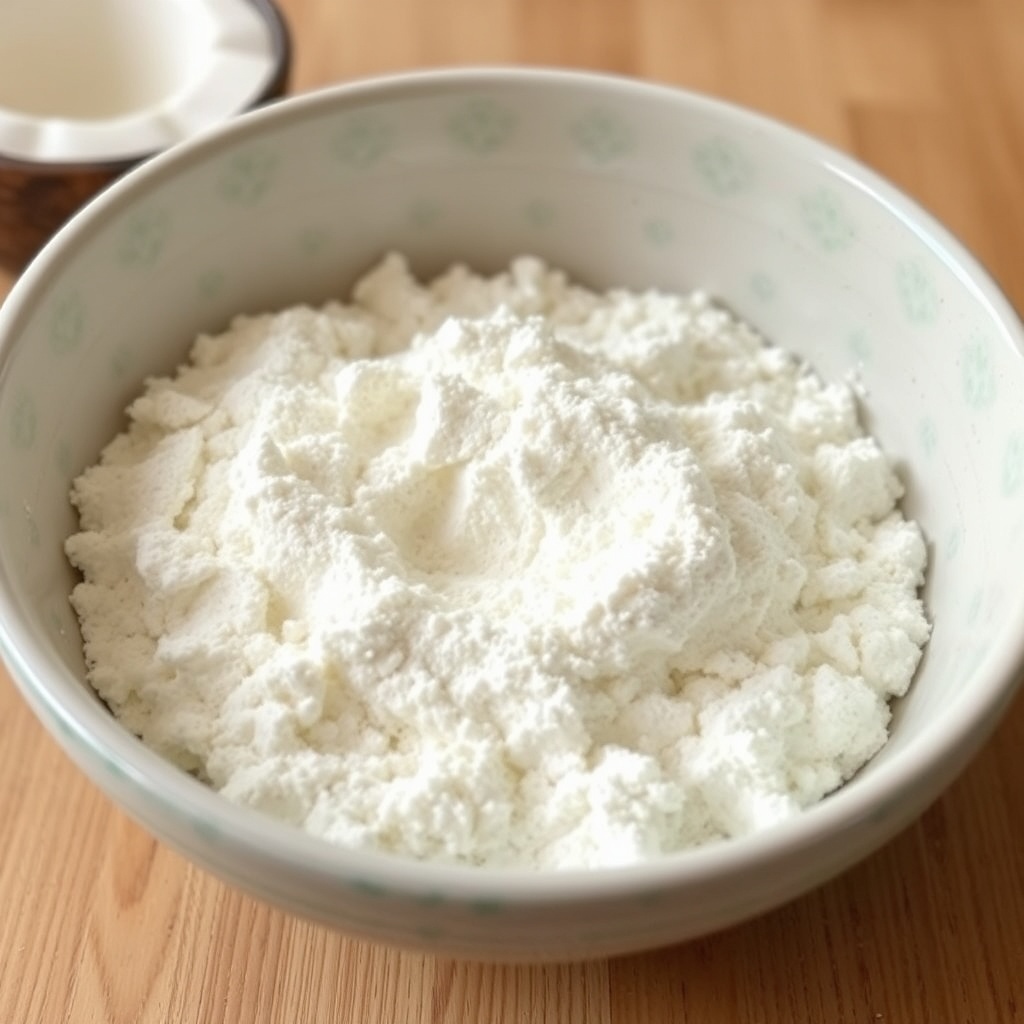
- Fine and Smooth: High-quality coconut flour should have a very fine, soft texture, free from large clumps or gritty particles. This ensures better absorption and a smoother final product in your recipes.
- Pure White to Off-White: The color should be consistent, indicating good quality and freshness.
- Subtly Aromatic: It should have a mild, sweet coconut aroma, not a strong or rancid smell.
- Organic and Unsweetened: Opt for organic brands when possible to avoid pesticides. Always ensure it's unsweetened, as flavored or sweetened versions will alter your recipe.
Storing Coconut Flour for Freshness
Proper storage is key to extending the shelf life of coconut flour and preserving its quality:
- Airtight Container: Due to its high fiber and oil content, coconut flour can absorb moisture and odors easily. Store it in an airtight container to protect it from humidity and contaminants.
- Cool, Dark Place: A pantry or cupboard away from direct sunlight and heat sources is ideal.
- Refrigeration/Freezing: For prolonged freshness, especially in humid climates or if you buy in bulk, storing coconut flour in the refrigerator or freezer is recommended. This helps prevent rancidity and extends its shelf life significantly, often up to a year or more.
From fluffy pancakes and dense breads to thickening agents for curries and binding for veggie burgers, coconut flour offers incredible versatility in vegan cooking. Its unique properties require a slightly different approach than other flours, but the delicious and healthy results are well worth it!
Frequently Asked Questions
Coconut flour is extremely absorbent, much more so than other flours. Typically, you'll need significantly less coconut flour than you would all-purpose or whole wheat flour (often 1/4 to 1/3 the amount). It also requires a lot of liquid and can benefit from extra binders like flax eggs or chia eggs in vegan baking. It's best used in recipes specifically developed for it, or by making careful adjustments. Do not attempt a 1:1 substitution with other flours.
coconut flour Recipes






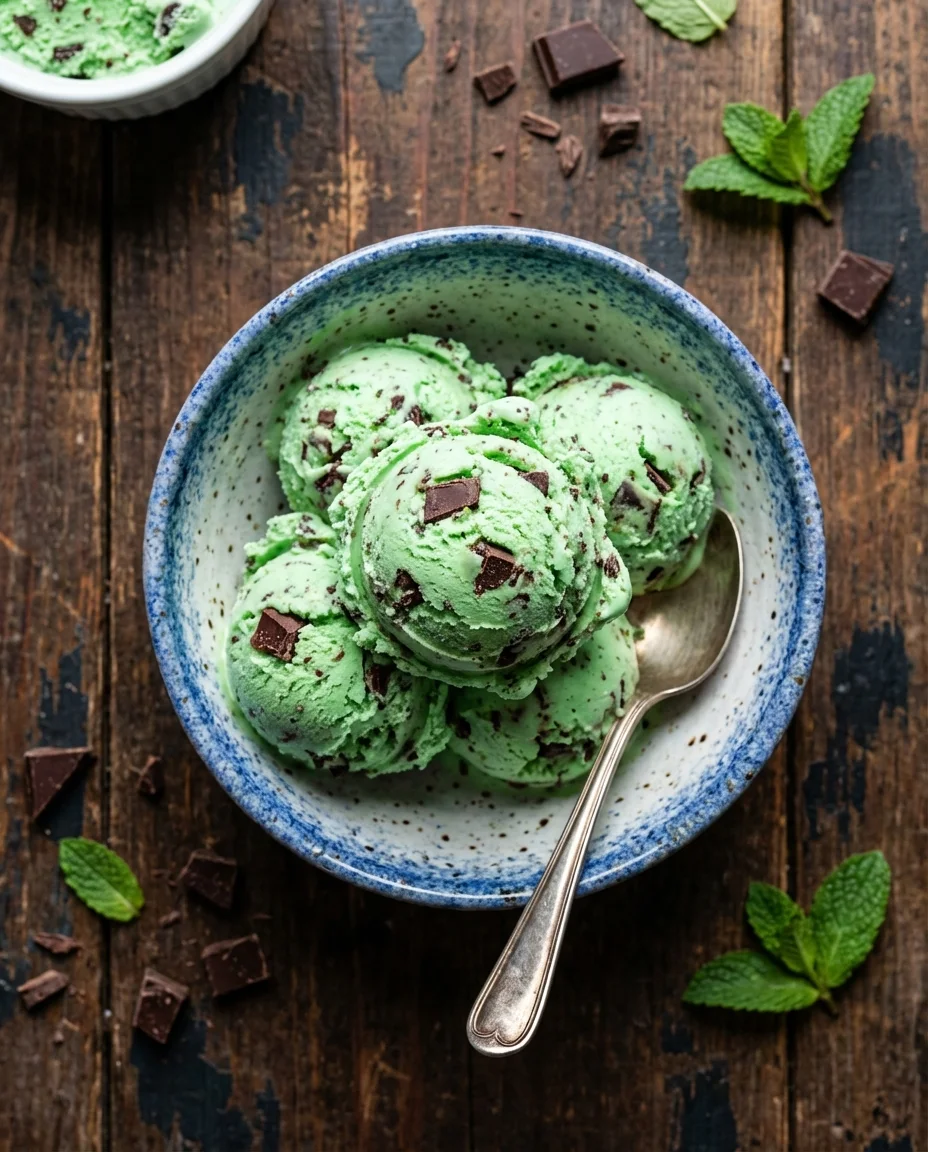

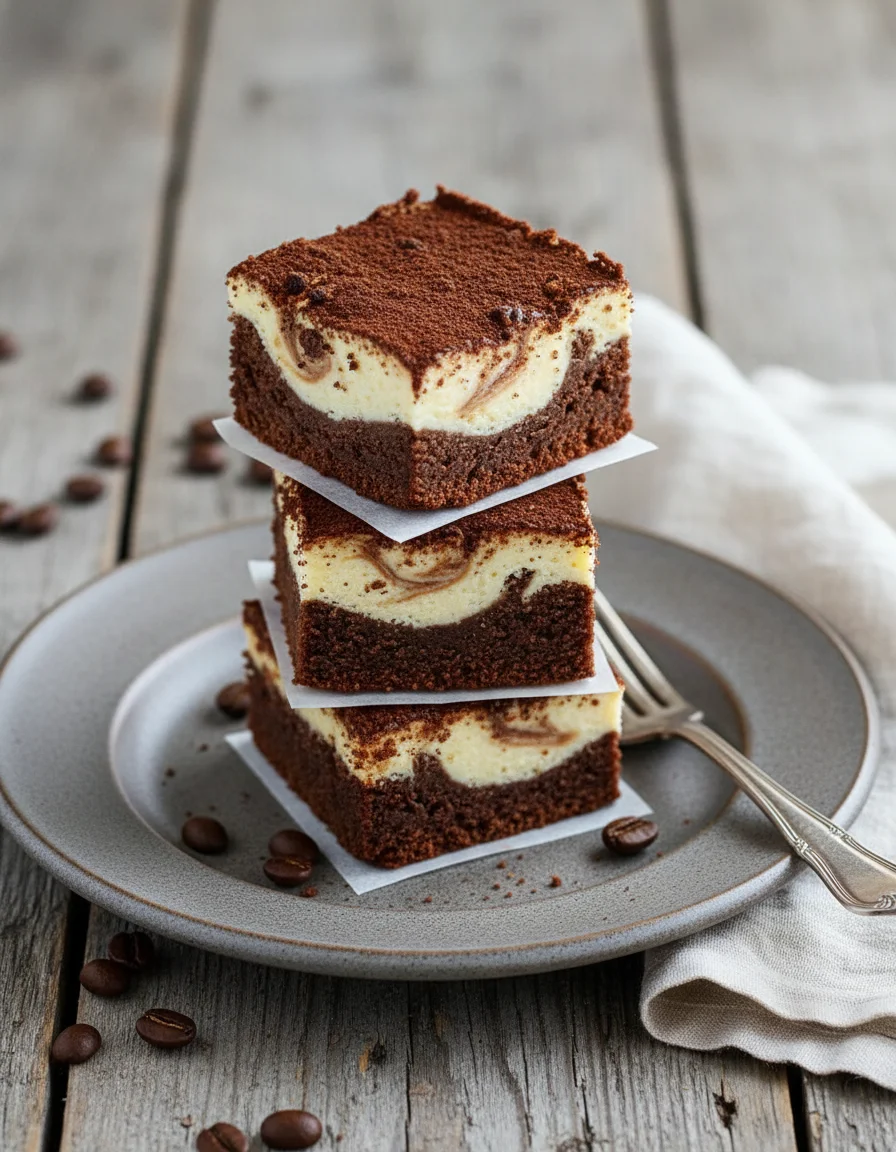
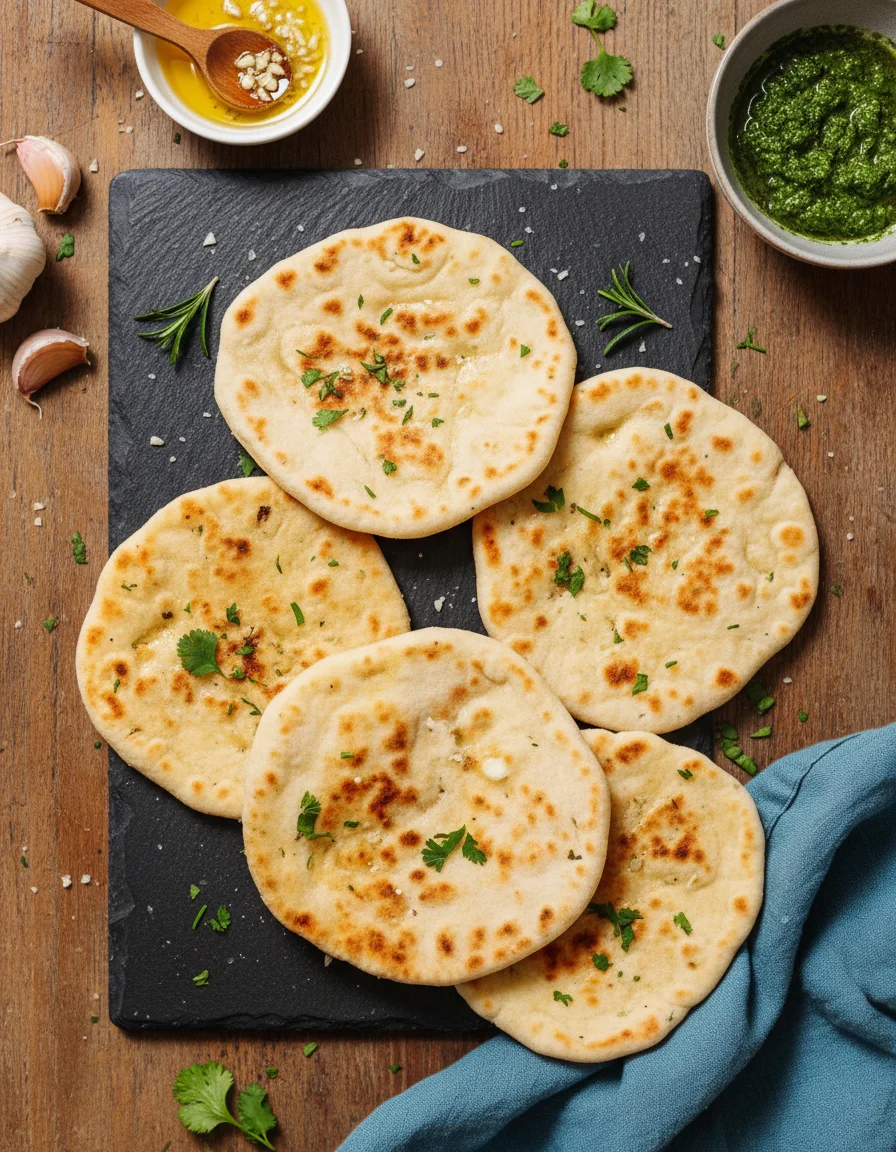


Showing 20 of 22 recipes