60+ Best Vegan Bay Leaf Recipes (Flavorful & Easy Meals)
Unlock rich flavors in your vegan dishes with bay leaves! Discover 60+ healthy and easy recipes, from hearty stews to aromatic sauces. Elevate your plant-based
About bay leaves
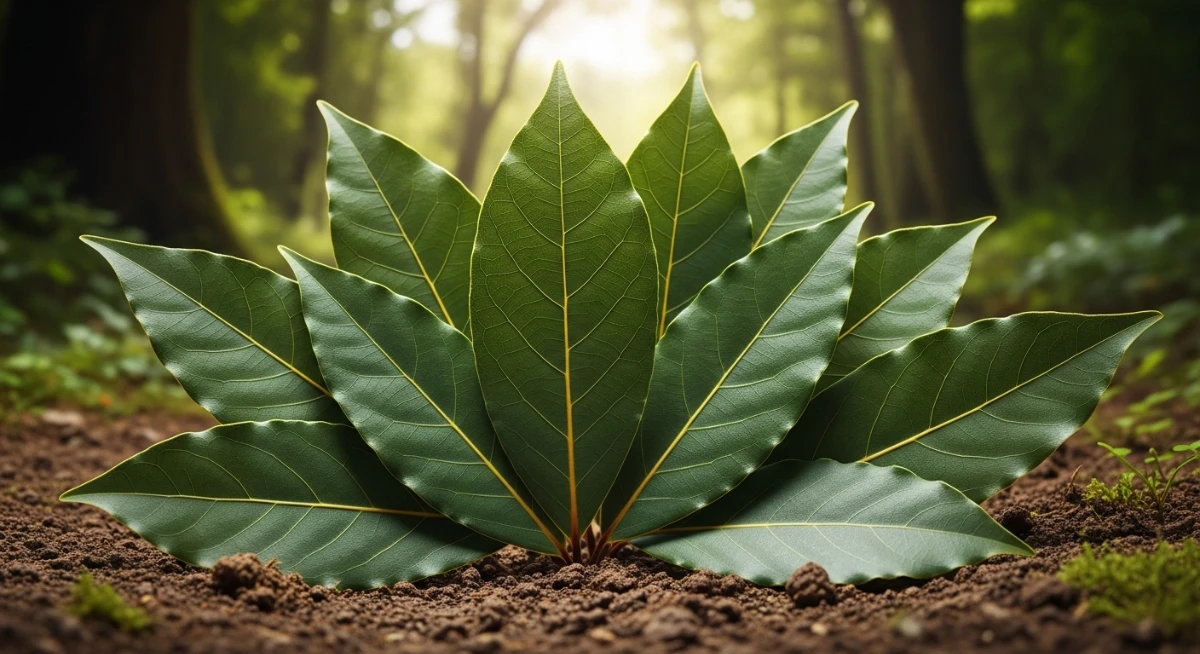
Welcome to the world of bay leaves, an unassuming yet incredibly powerful herb that can transform your vegan dishes from good to gourmet! These aromatic dried leaves, derived from the bay laurel tree, are a staple in kitchens worldwide, renowned for their subtle yet complex flavor profile. While not meant to be eaten whole, bay leaves infuse a deep, savory, slightly floral, and mildly minty essence into your cooking, creating a foundation of flavor that is truly indispensable, especially in plant-based cuisine.
The Health Benefits of Bay Leaves in Your Vegan Diet
Beyond their culinary magic, bay leaves offer a surprising array of health benefits that make them a valuable addition to any vegan diet. While typically used in small quantities, their nutritional impact shouldn't be overlooked:
- Rich in Micronutrients: Bay leaves contain a good amount of essential minerals such as calcium, iron, magnesium, and potassium, all crucial for bone health, energy, muscle function, and electrolyte balance – particularly important when sourcing these from plant-based foods.
- Dietary Fiber: With a significant fiber content, bay leaves can contribute to digestive health, aiding in regularity and supporting a healthy gut microbiome.
- Vitamins for Wellness: They also provide vitamins like Vitamin C, Vitamin A (as IU), Vitamin B6, and Folate, which are vital for immune function, vision, metabolism, and cell growth.
- Antioxidant Properties: Like many herbs and spices, bay leaves are packed with antioxidants that help combat oxidative stress in the body, promoting overall well-being.
Incorporating bay leaves into your vegan meals is an easy way to add a layer of nutrition alongside exceptional taste.
Selecting the Best Bay Leaves
To get the most out of this incredible herb, proper selection is key:
- Appearance: Look for whole, unbroken leaves with a vibrant green color. Avoid those that are faded, dusty, or have black spots, as these may indicate old age or improper storage.
- Aroma: Gently rub a leaf between your fingers. A fresh, distinct, and slightly pungent aroma should be noticeable. If there's no scent, the leaves have likely lost their potency.
- Form: While fresh bay leaves exist, dried bay leaves are more commonly used and preferred in many dishes due to their concentrated flavor.
Storing Bay Leaves for Maximum Freshness
Proper storage ensures your bay leaves retain their flavor and aroma for as long as possible:
- Airtight Container: Transfer dried bay leaves to an airtight jar or container immediately after purchase. This protects them from air and moisture, which can degrade their quality.
- Cool, Dark Place: Store the container in a cool, dark pantry or cupboard, away from direct sunlight and heat. Heat and light can cause the essential oils to dissipate quickly.
- Shelf Life: When stored correctly, dried bay leaves can maintain their potency for up to one to two years. After this, they won't go bad but will gradually lose their flavor.
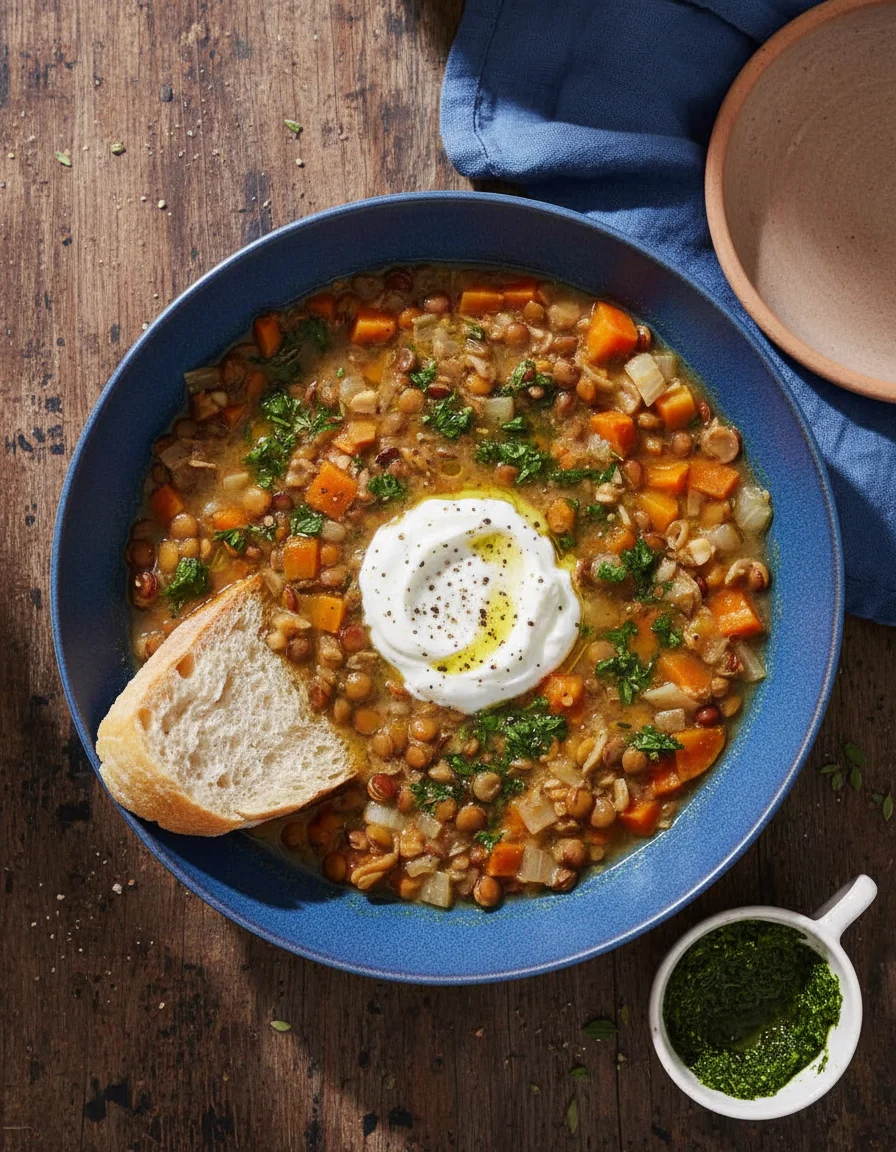
Bay leaves are incredibly versatile in vegan cooking. They are a foundational element in countless dishes, from hearty lentil soups and bean stews to aromatic curries, rich tomato sauces, and even infused grains like rice and quinoa. Their unique ability to add depth without overpowering other ingredients makes them a favorite for enhancing the savory profiles of plant-based meals.
Frequently Asked Questions
Bay leaves are best used by adding them whole to liquids at the beginning of the cooking process, allowing their flavor to slowly infuse the dish. They are excellent in vegan soups, stews, chili, curries, tomato sauces, and when cooking grains or legumes like lentils and beans. Always remember to remove the bay leaves before serving, as they are not meant to be eaten due to their tough texture and potential choking hazard.
bay leaves Recipes






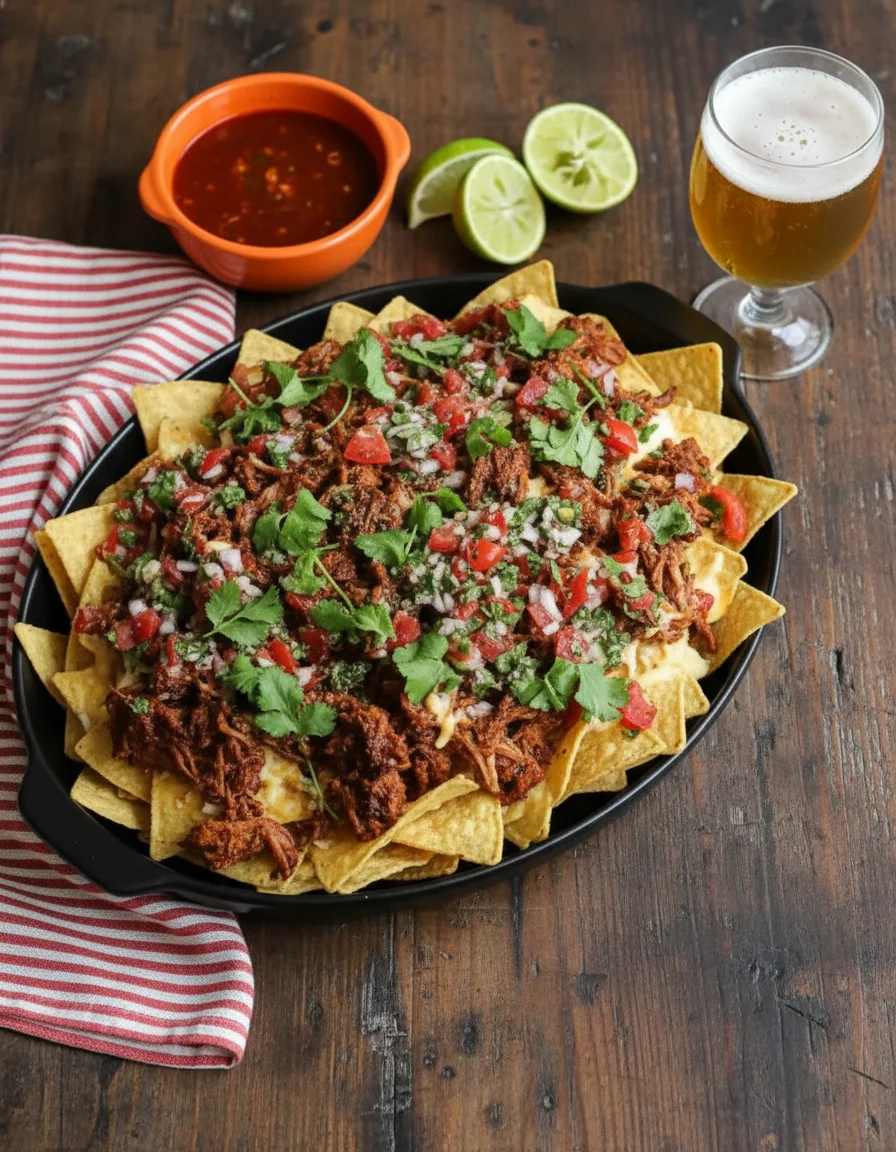


Showing 20 of 92 recipes