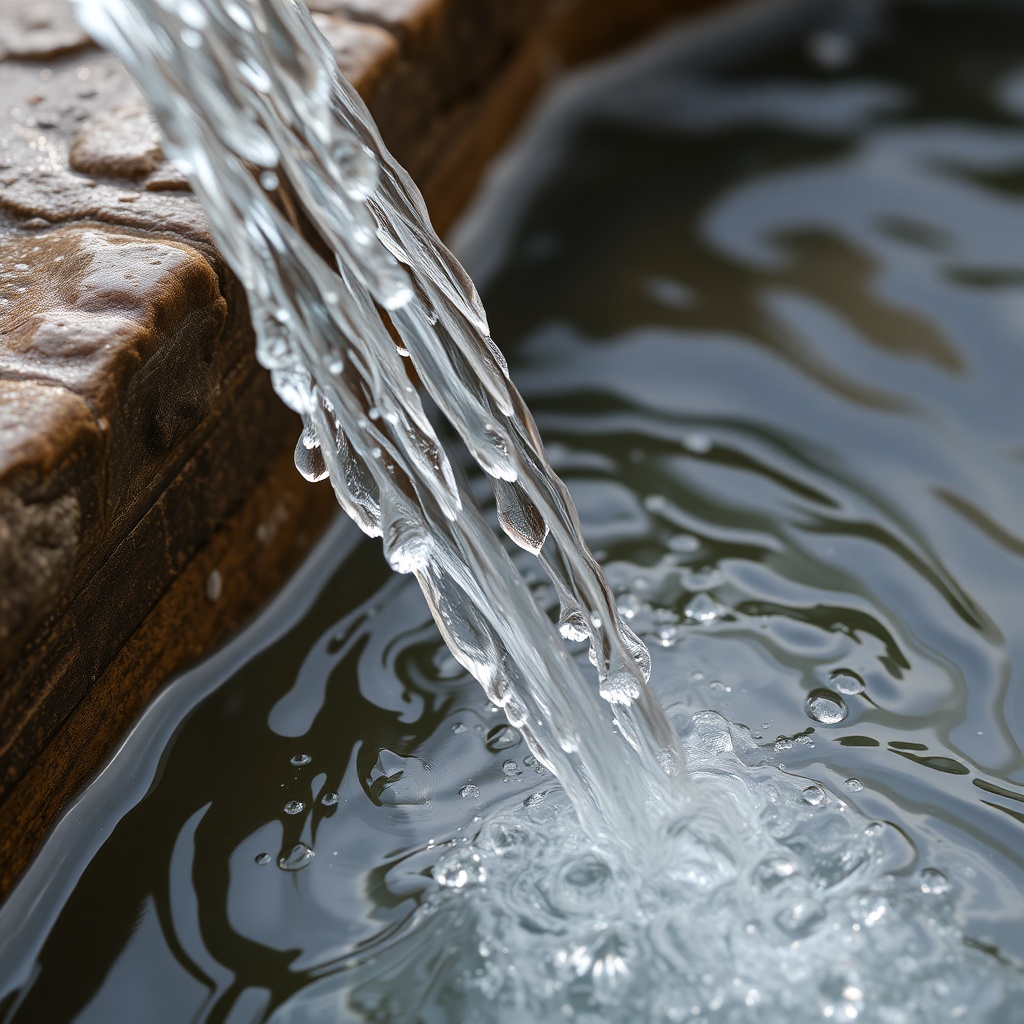
54+ Best Vegan Warm Water Recipes & Uses (Healthy & Essential)
Unlock the power of warm water in vegan cooking! From activating yeast to creating luscious sauces, discover healthy and easy recipes that leverage this essenti
About warm water
While often overlooked, warm water is an indispensable, foundational element in countless vegan recipes. It's not just a filler; it's a vital catalyst, a gentle tenderizer, and a crucial solvent that brings life and texture to plant-based dishes. From the perfect fluffy bread to creamy cashew sauces, understanding how and when to use warm water can elevate your vegan cooking significantly.
Health Benefits of Using Warm Water in Vegan Cooking
Warm water itself doesn't contain nutrients, but its strategic use can enhance the health benefits and digestibility of your vegan meals:
- Aids in Nutrient Absorption: Using warm water to soak grains, legumes, and nuts can help break down enzyme inhibitors, making their nutrients more bioavailable and easier for your body to digest.
- Supports Gut Health: In fermented foods like vegan yogurts or sourdough bread, warm water is crucial for activating beneficial probiotics and yeast, contributing to a healthy gut microbiome.
- Gentle on Digestion: Consuming warm liquids or foods prepared with warm water can be soothing for the digestive system, potentially aiding in smoother digestion compared to very cold alternatives.
- Enhances Hydration: While not a 'recipe' per se, simply drinking warm water throughout the day can support overall hydration, which is essential for every bodily function, including nutrient transport and waste elimination.
Selection Tips: Achieving the Right Warmth
Since warm water isn't 'selected' like a produce item, selection here refers to ensuring you have the right kind of water at the correct temperature for your recipe:
- Use Filtered Water: For best results in taste and to avoid unwanted chemicals, use filtered or purified water whenever possible, especially in delicate recipes like broths or baked goods.
- Temperature is Key: 'Warm' is a spectrum. For yeast activation, aim for 105-115°F (40-46°C). For soaking nuts or legumes, room temperature to slightly warm water is usually sufficient. For dissolving starches or making sauces, very warm to hot water works best.
- Avoid Boiling for Certain Uses: While boiling water is needed for pasta or blanching, excessively hot water can kill yeast or curdle certain plant-based milks and creams. Always check recipe-specific temperature guidance.
Storage Tips: Prepare on Demand
Warm water is best prepared as needed for your recipes. Unlike other ingredients, it doesn't store well in its 'warm' state:
- Freshly Heated: Always heat water fresh for each use. This ensures the correct temperature and prevents bacterial growth that can occur if water is kept lukewarm for extended periods.
- Insulated Containers (Short-term): If you need to keep a batch warm for a short period (e.g., for multiple bread batches), an insulated thermos or pot can maintain temperature for a while, but it's generally better to re-heat if unsure.
Versatility in Vegan Cuisine
Warm water's roles are diverse: it dissolves sugar and salt, blooms spices, activates leavening agents, helps create tender doughs, softens dried ingredients, thins sauces, and forms the base for comforting broths and beverages. Its subtle yet powerful influence is evident in everything from a perfectly risen loaf of bread to a silky smooth blended soup.
Frequently Asked Questions
For most yeast-based recipes, warm water should be between 105-115°F (40-46°C). This temperature range is perfect for awakening the yeast without killing it (if too hot) or leaving it sluggish (if too cold).
warm water Recipes







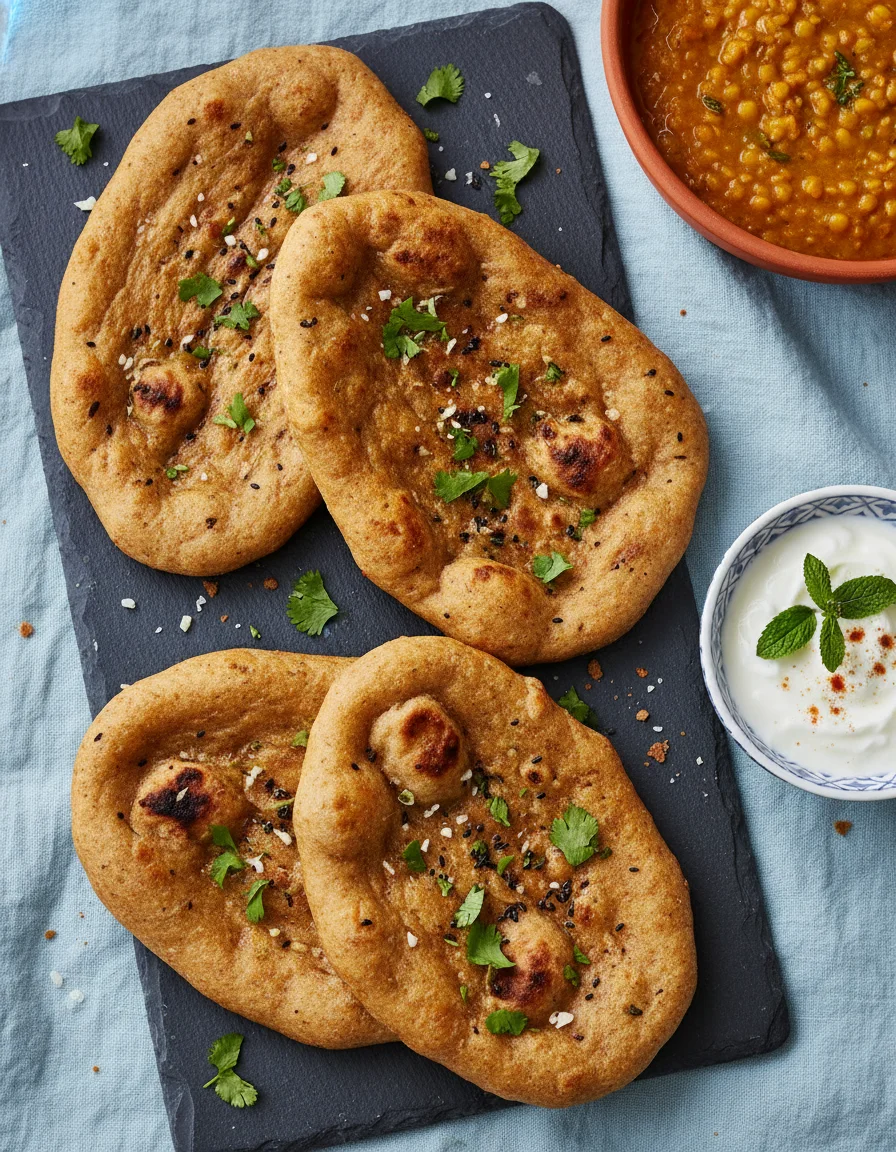
Showing 20 of 103 recipes