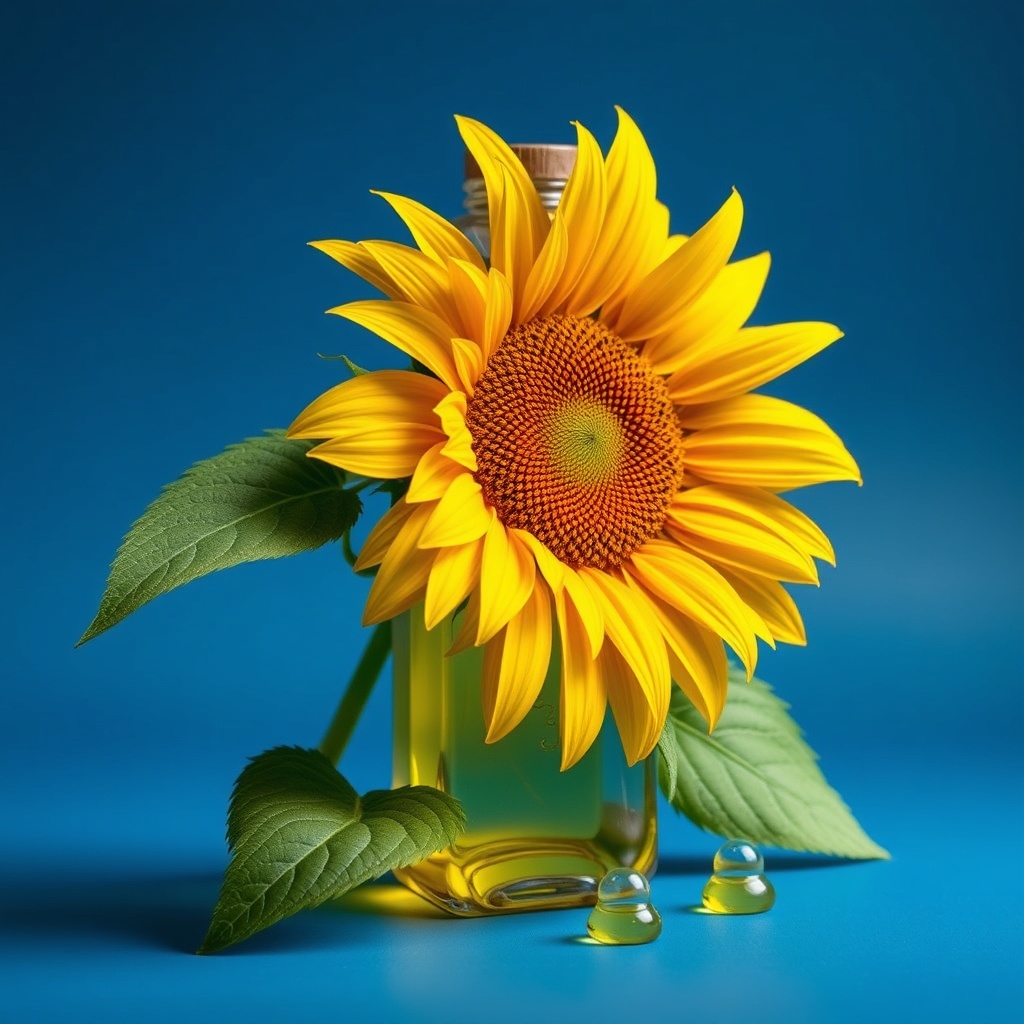
31+ Best Vegan Sunflower Oil Recipes (Healthy & Versatile)
Discover the versatility of sunflower oil in vegan cooking! From sautéing to baking, learn its health benefits, selection tips, and how to use it in 31+ delicio
About sunflower oil
Sunflower oil, a beloved pantry staple, is a neutral-flavored oil extracted from the seeds of sunflowers. It's a cornerstone in vegan cooking due to its versatility, neutral taste, and excellent properties for various culinary applications. Whether you're whipping up a vibrant stir-fry, baking a fluffy cake, or creating a homemade dressing, sunflower oil is a reliable choice that lets the true flavors of your ingredients shine.
Health Benefits of Sunflower Oil in a Vegan Diet
While often used simply for cooking, sunflower oil offers some valuable nutritional benefits, especially for those following a vegan lifestyle. It's an excellent source of healthy fats, predominantly polyunsaturated and monounsaturated fatty acids. These fats are essential for overall health, contributing to heart health and helping with the absorption of fat-soluble vitamins.
One of the standout benefits of sunflower oil is its rich content of Vitamin E (alpha-tocopherol), a powerful antioxidant. Antioxidants play a crucial role in protecting your cells from damage, which is important for maintaining good health. It also contains a small amount of Vitamin K, which is vital for blood clotting and bone health. Incorporating sunflower oil into your vegan dishes can contribute to your intake of these important nutrients.
Selecting the Best Sunflower Oil
- Types: You'll typically find two main types: high oleic and mid-oleic. High oleic sunflower oil is rich in monounsaturated fats and has a higher smoke point, making it ideal for high-heat cooking. Mid-oleic (or linoleic) is higher in polyunsaturated fats and is great for general cooking and dressings.
- Refined vs. Unrefined: Refined sunflower oil is processed to have a higher smoke point and more neutral flavor, suitable for most cooking. Unrefined (often cold-pressed) retains more of its natural flavor and nutrients but has a lower smoke point, making it better for dressings or low-heat applications.
- Organic: If possible, opt for organic sunflower oil to ensure it's free from pesticides and chemical residues.
Storing Sunflower Oil for Freshness
Proper storage is key to extending the shelf life and preserving the quality of your sunflower oil:
- Cool, Dark Place: Store sunflower oil in a cool, dark pantry or cupboard, away from direct sunlight and heat sources like stoves or ovens. Heat and light can cause the oil to go rancid faster.
- Airtight Container: Keep the oil in its original dark bottle or transfer it to an airtight container. Exposure to air can accelerate oxidation.
- Avoid Refrigeration: Unlike olive oil, sunflower oil generally doesn't need to be refrigerated and may become cloudy and solidify, though this doesn't affect its quality. It will return to its liquid state at room temperature.
- Check for Rancidity: If your oil smells stale, bitter, or like crayons, it has likely gone rancid and should be discarded. Properly stored, refined sunflower oil can last up to a year or more, while unrefined versions might have a shorter shelf life.
With its neutral flavor and high smoke point, sunflower oil is an indispensable ingredient in any vegan kitchen, allowing you to fry, sauté, roast, and bake with confidence.
Frequently Asked Questions
Sunflower oil is incredibly versatile! Its neutral flavor and high smoke point (especially refined versions) make it excellent for sautéing, frying, roasting vegetables, and baking. It's also a great base for homemade salad dressings, marinades, and vegan mayonnaise, as it won't overpower other flavors.
sunflower oil Recipes


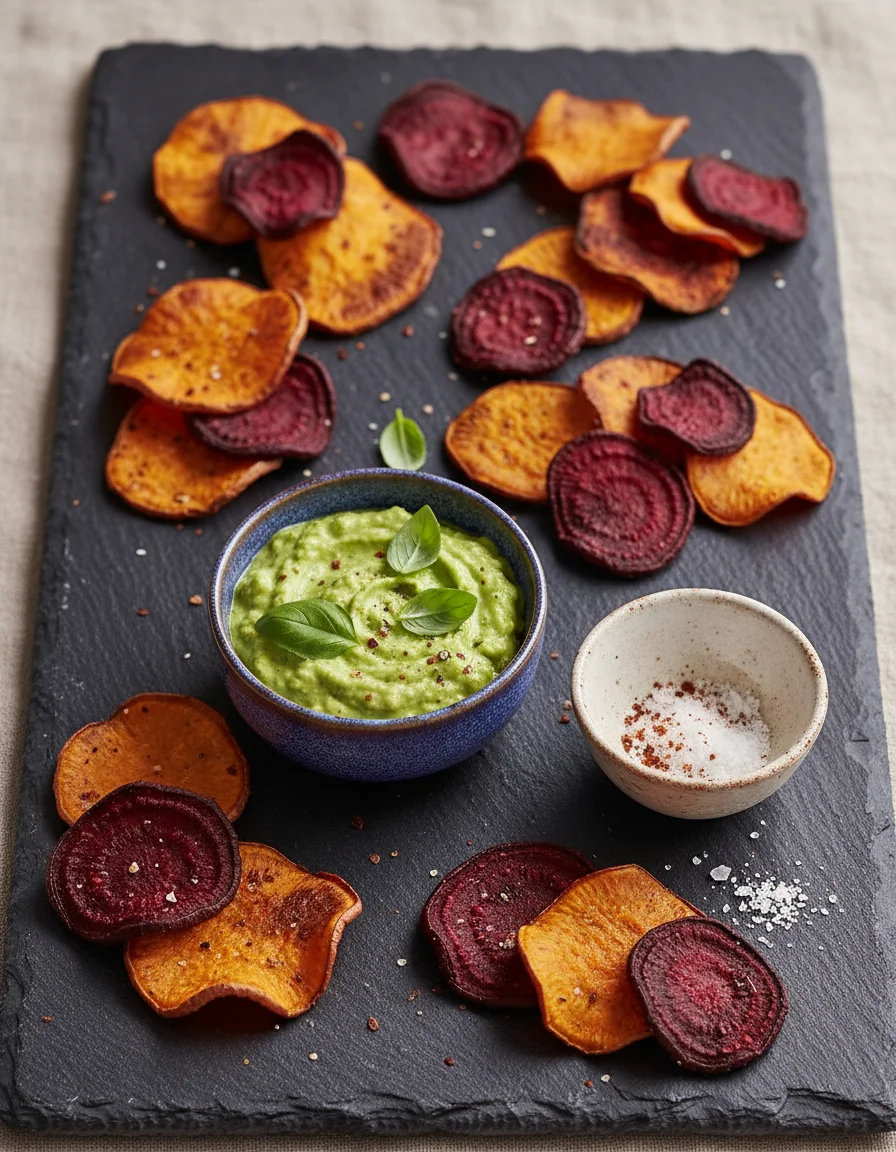


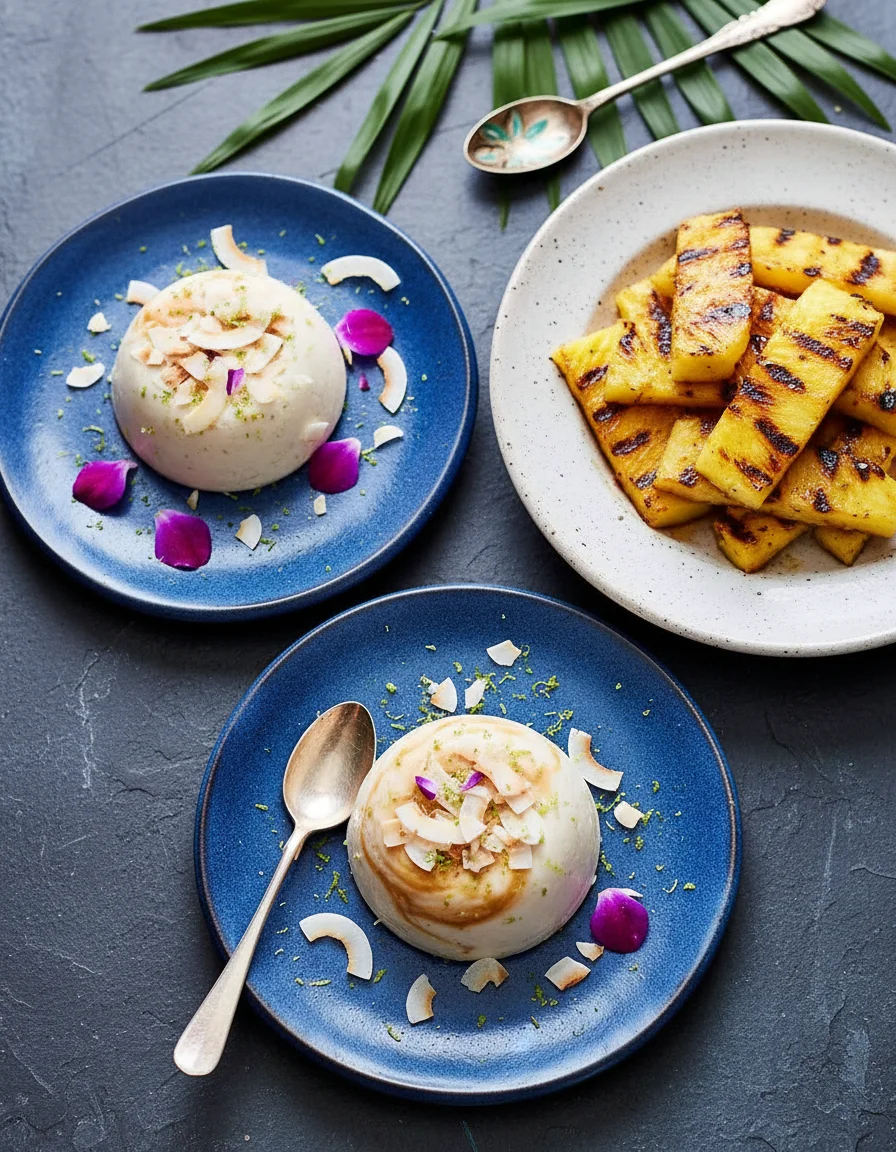

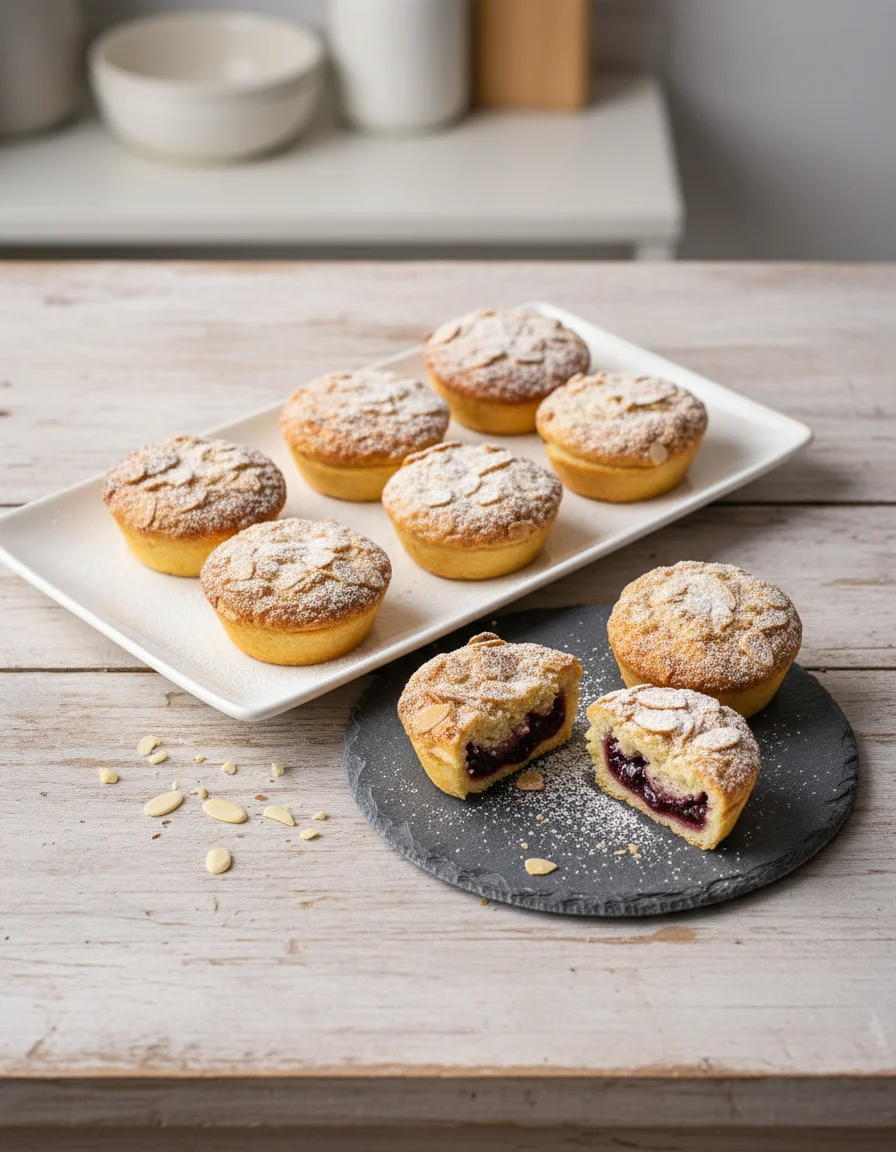




Showing 20 of 40 recipes