59+ Best Vegan Sesame Seeds Recipes (Healthy & Easy)
Explore 59+ healthy and easy vegan recipes featuring sesame seeds! From tahini sauces to crispy toppings, discover how to use this versatile, nutrient-rich ingr
About sesame seeds
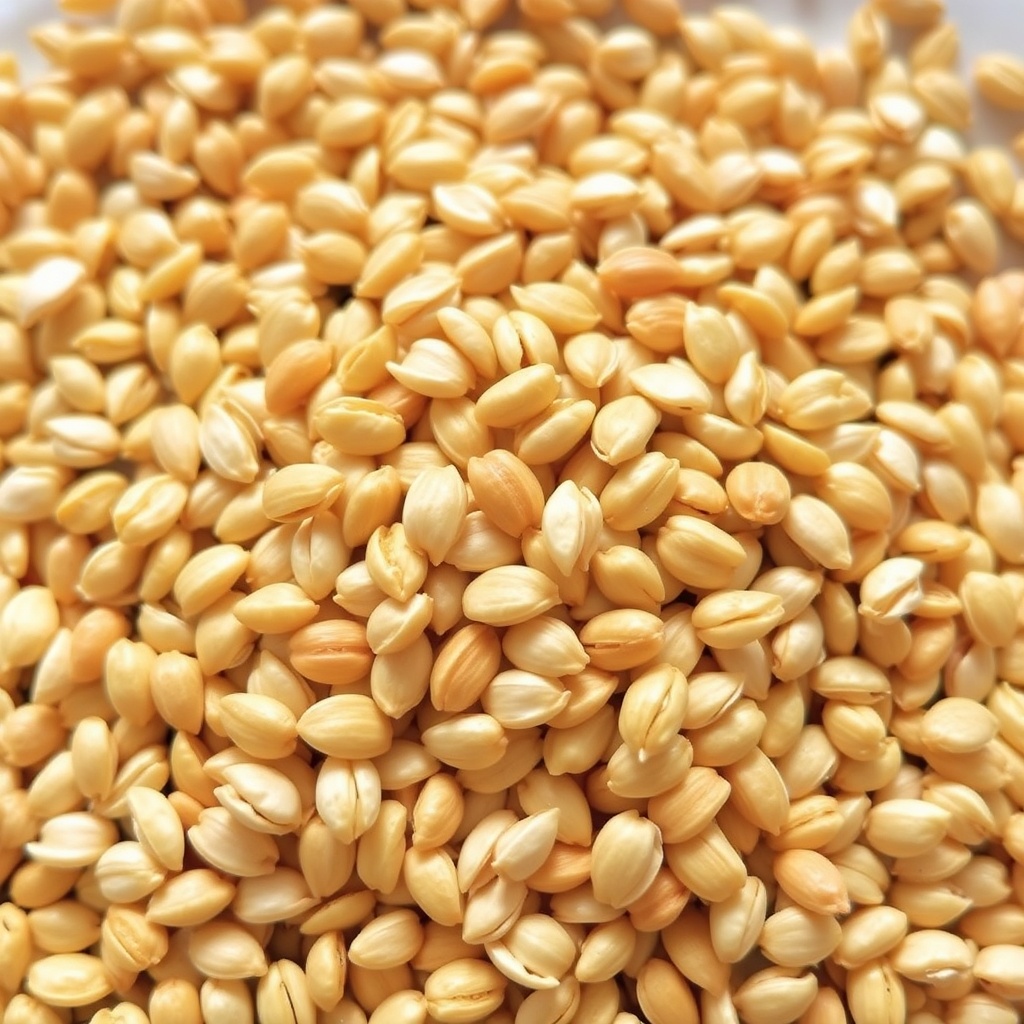
Welcome to the wonderful world of sesame seeds, a tiny ingredient with a mighty impact on flavor and nutrition! These small, flat, oval seeds come from the Sesamum indicum plant and have been cherished for thousands of years, not just for their rich, nutty taste but also for their impressive nutritional profile. In vegan cooking, sesame seeds are a true superstar, adding depth, texture, and a healthy boost to countless dishes.
Health Benefits of Sesame Seeds for Vegans
For those following a plant-based diet, sesame seeds are an invaluable addition. They are a fantastic source of plant-based protein (17.73g per 100g), essential for muscle repair and growth. What truly makes them shine is their mineral content. They are exceptionally rich in calcium (975mg per 100g), a crucial mineral often a concern for vegans, supporting bone health. Beyond calcium, sesame seeds provide a significant amount of iron (14.55mg per 100g), magnesium (351mg per 100g), phosphorus, potassium, and zinc (7.75mg per 100g). They also contain healthy fats, particularly polyunsaturated and monounsaturated fats, which are beneficial for heart health, alongside dietary fiber (11.8g per 100g) aiding digestion. Their lignans, such as sesamin and sesamolin, are powerful antioxidants with potential anti-inflammatory benefits.
Selecting the Best Sesame Seeds
When buying sesame seeds, you'll typically find them in two main forms: hulled and unhulled. Hulled sesame seeds have their outer casings removed, giving them a lighter color and a milder, sweeter flavor. Unhulled sesame seeds retain their outer shell, making them slightly darker, crunchier, and even more nutrient-dense, especially in calcium. Both are excellent choices depending on your recipe. Look for seeds that are uniformly colored, free from clumps, and have a fresh, slightly nutty aroma. Avoid any with a rancid smell, as this indicates they are past their prime. You can find them in bulk bins, spice aisles, or ethnic grocery stores.
Storing Sesame Seeds for Maximum Freshness
- Airtight Container: Always store sesame seeds in a tightly sealed container to protect them from air and moisture.
- Cool, Dark Place: For short-term storage (up to a few months), a pantry or cupboard away from heat and light is ideal.
- Refrigeration: To extend their shelf life significantly (up to a year), store them in the refrigerator.
- Freezing: For even longer storage (over a year), sesame seeds can be frozen without affecting their quality.
Always give them a sniff before use; if they smell bitter or metallic, it's time to replace them. With proper storage, your sesame seeds will be ready to add their unique character to all your vegan culinary creations, from crispy coatings to creamy tahini dressings.
Frequently Asked Questions
Toasting sesame seeds significantly boosts their nutty aroma and flavor. You can dry-toast them in a non-stick pan over medium-low heat, stirring frequently, until they turn light golden brown and become fragrant, usually 3-5 minutes. Alternatively, spread them on a baking sheet and bake at 350°F (175°C) for 5-10 minutes, stirring halfway, until golden. Watch them closely as they can burn quickly!
sesame seeds Recipes





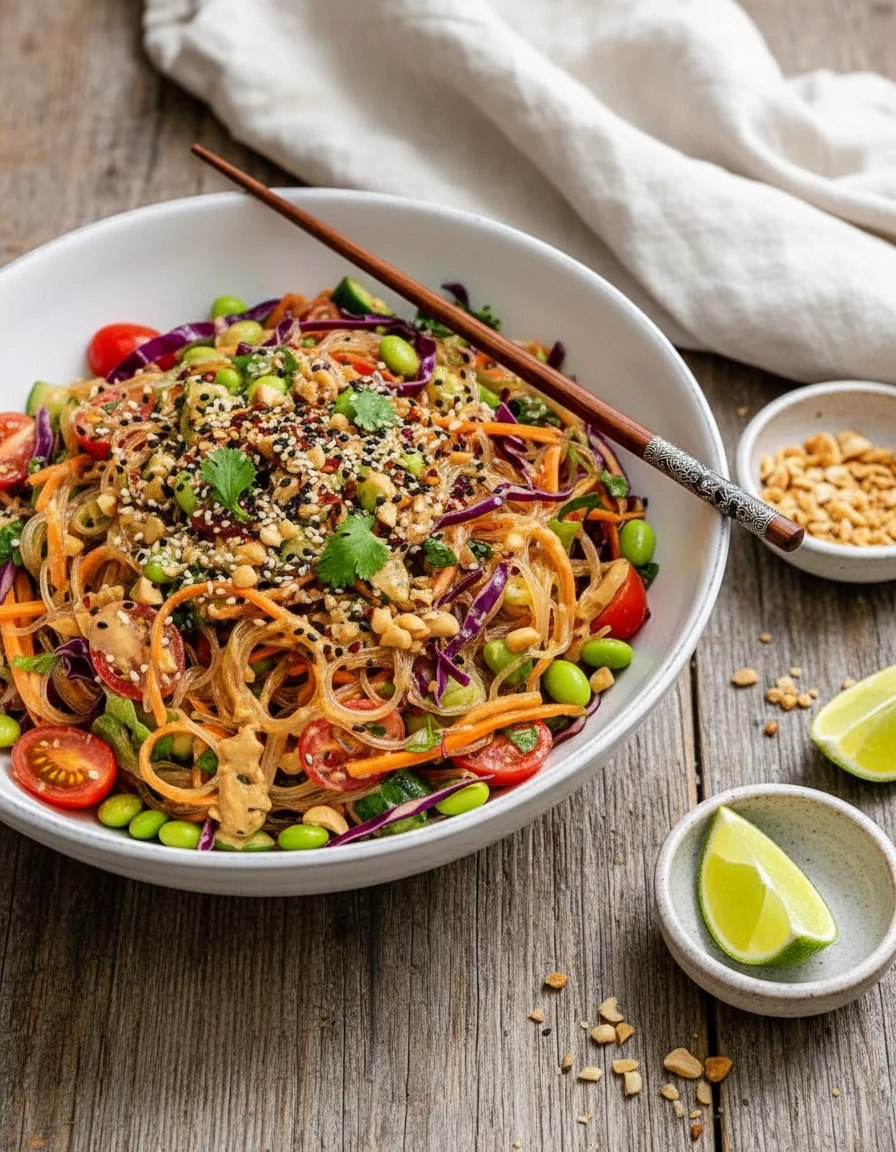
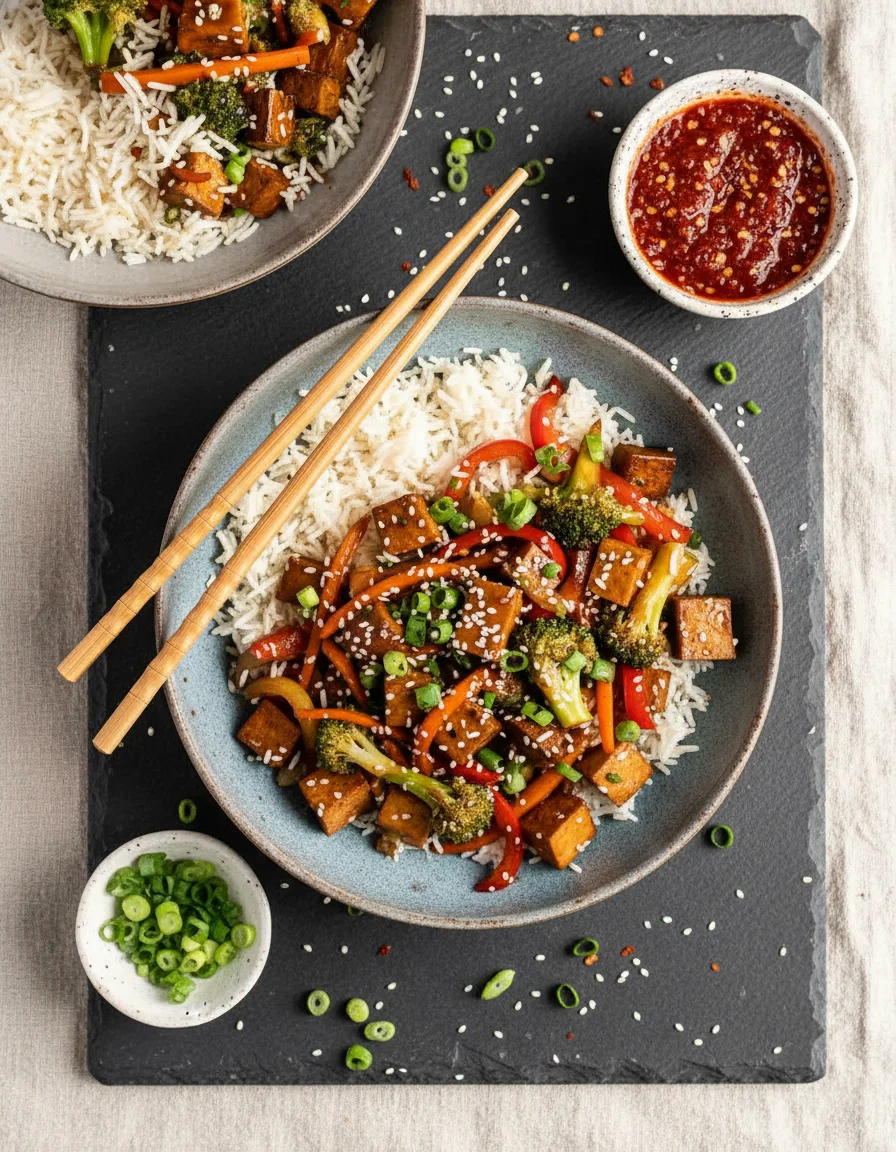
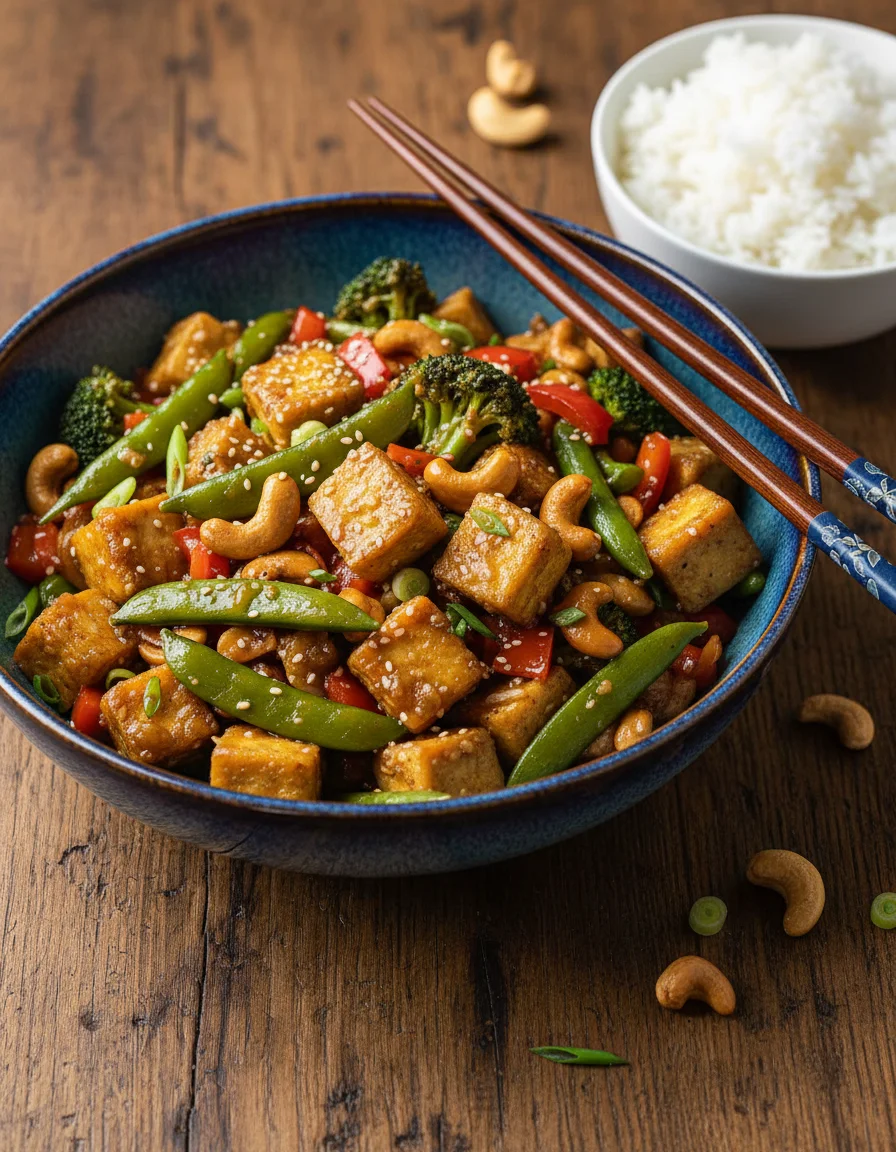
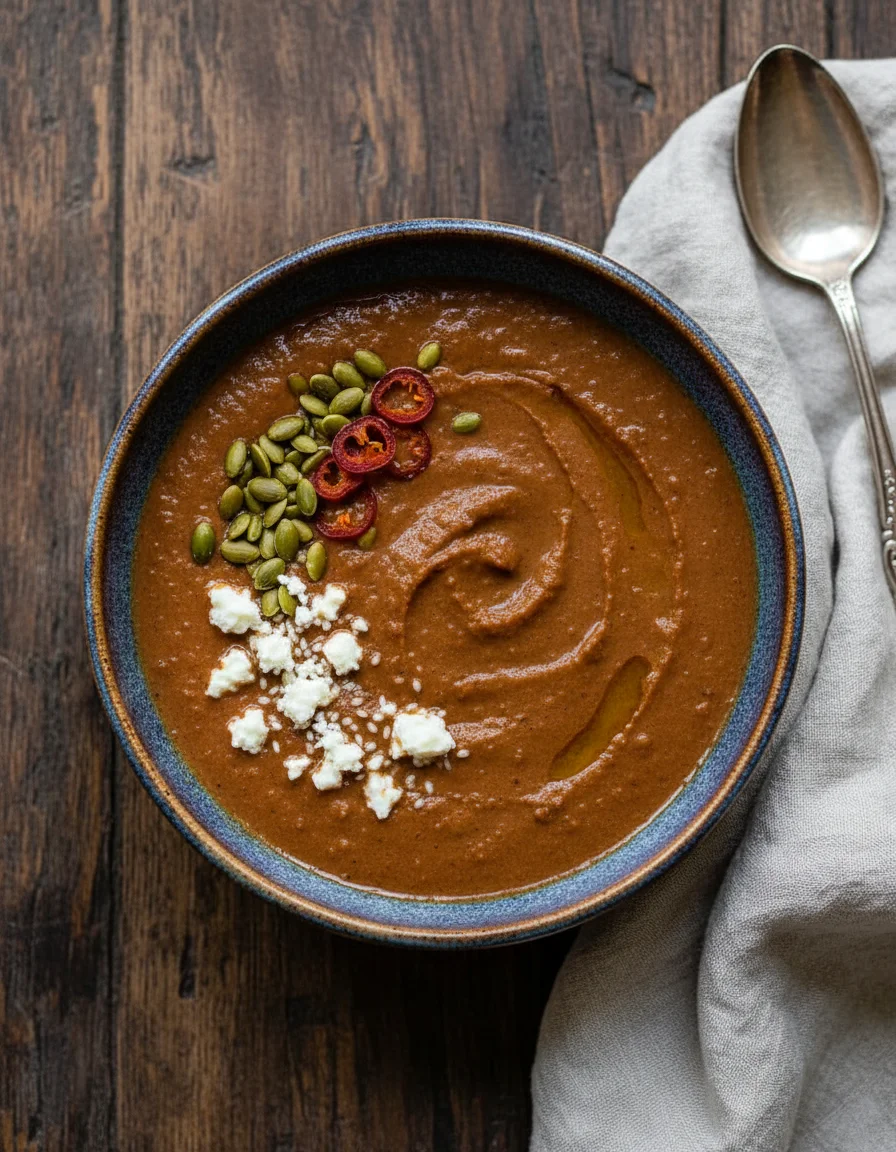


Showing 20 of 109 recipes