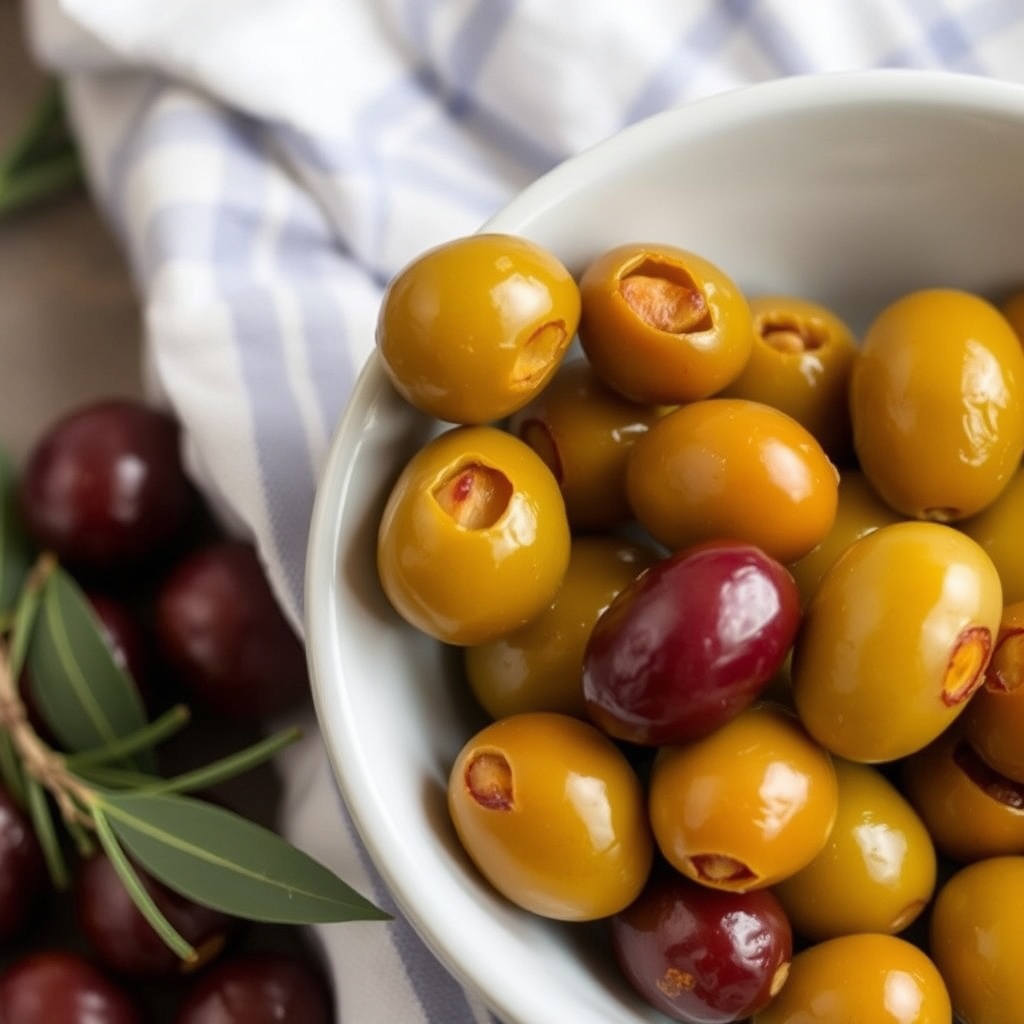
10+ Best Vegan Pitted Olives Recipes (Healthy & Flavorful)
Unlock the rich, briny flavor of pitted olives in your vegan cooking! Explore their health benefits, selection tips, and how to use them in 10+ delicious plant-
About pitted olives
Pitted olives, those delightful briny gems, are a staple in vegan kitchens worldwide, celebrated for their robust flavor, versatile nature, and ease of use. Whether you're a seasoned vegan chef or just beginning to explore plant-based eating, these conveniently prepared olives offer an instant burst of Mediterranean charm to countless dishes. From savory stews and vibrant salads to quick pasta sauces and elegant appetizers, pitted olives elevate meals with their distinctive taste and satisfying texture, all without the hassle of removing the pits.
Health Benefits of Pitted Olives
Beyond their delicious taste, pitted olives pack a nutritional punch that makes them a fantastic addition to any healthy vegan diet. They are a great source of:
- Healthy Fats: Predominantly monounsaturated fats, particularly oleic acid, which is known for its heart-healthy properties and ability to help reduce inflammation.
- Iron: A vital mineral, especially for those on a plant-based diet, contributing to oxygen transport and energy production. A single serving can offer a significant boost.
- Dietary Fiber: Essential for digestive health, helping to maintain regularity and contributing to a feeling of fullness.
- Antioxidants: Rich in powerful antioxidants like Vitamin E (alpha-tocopherol) and polyphenols, which combat oxidative stress and protect cells from damage.
- Copper: An important trace mineral involved in energy production, iron metabolism, and nervous system function.
While olives are nutritious, it's worth noting their sodium content, primarily due to the brining process. Enjoy them in moderation as part of a balanced diet.
Selecting the Best Pitted Olives
Choosing high-quality pitted olives ensures the best flavor and texture for your dishes. Here’s what to look for:
- Packaging: Pitted olives are most commonly found jarred or canned. Opt for brands that clearly list their ingredients and avoid those with excessive additives.
- Appearance: The olives should have a consistent color for their type (e.g., deep purple-black for Kalamata, bright green for Castelvetrano). Avoid olives that look shriveled, discolored, or mushy.
- Brine: The liquid they are stored in should be clear and not cloudy or overly thick.
- Variety: Don't shy away from exploring different types! Kalamata, Manzanilla, Castelvetrano, and Niçoise olives each offer unique flavor profiles, from buttery and mild to sharp and fruity. All are readily available pitted.
Storing Pitted Olives for Freshness
Proper storage is key to maintaining the taste and texture of your pitted olives:
- Unopened: Store unopened jars or cans in a cool, dark pantry. They have a long shelf life, typically several months to a year, as indicated by the best-by date.
- Opened: Once opened, transfer any remaining olives and their brine to an airtight container. Refrigerate promptly. Ensure the olives remain fully submerged in their brine to prevent spoilage and maintain moisture.
- Duration: Properly stored opened olives will generally last for 2-3 weeks in the refrigerator. If they develop an off-smell, mold, or become excessively soft, it's best to discard them.
With their incredible taste, health benefits, and effortless preparation, pitted olives are an invaluable ingredient for any vegan kitchen, ready to transform everyday meals into extraordinary culinary experiences.
Frequently Asked Questions
Pitted olives are a great source of heart-healthy monounsaturated fats, dietary fiber, and essential minerals like iron and copper. They also provide valuable antioxidants, including Vitamin E, which support overall health, making them a nutritious addition to a plant-based diet.
pitted olives Recipes
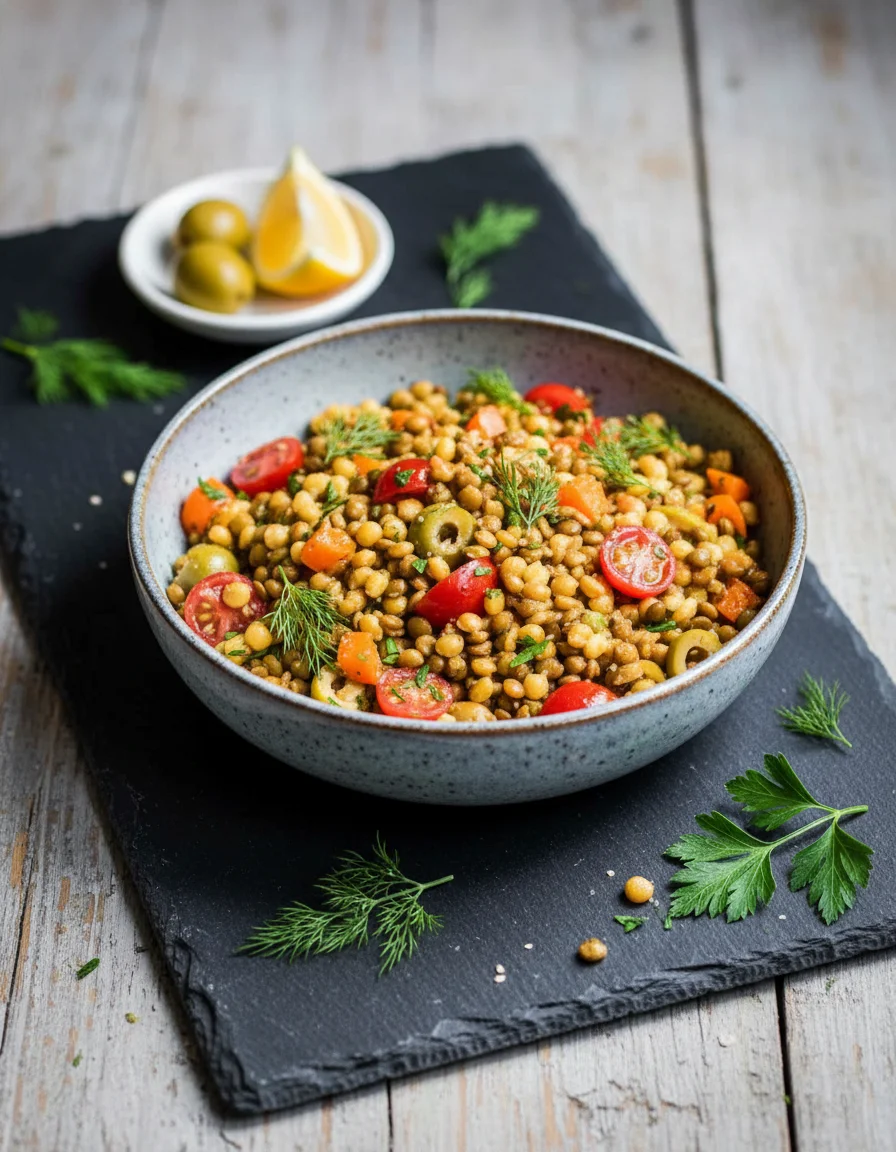
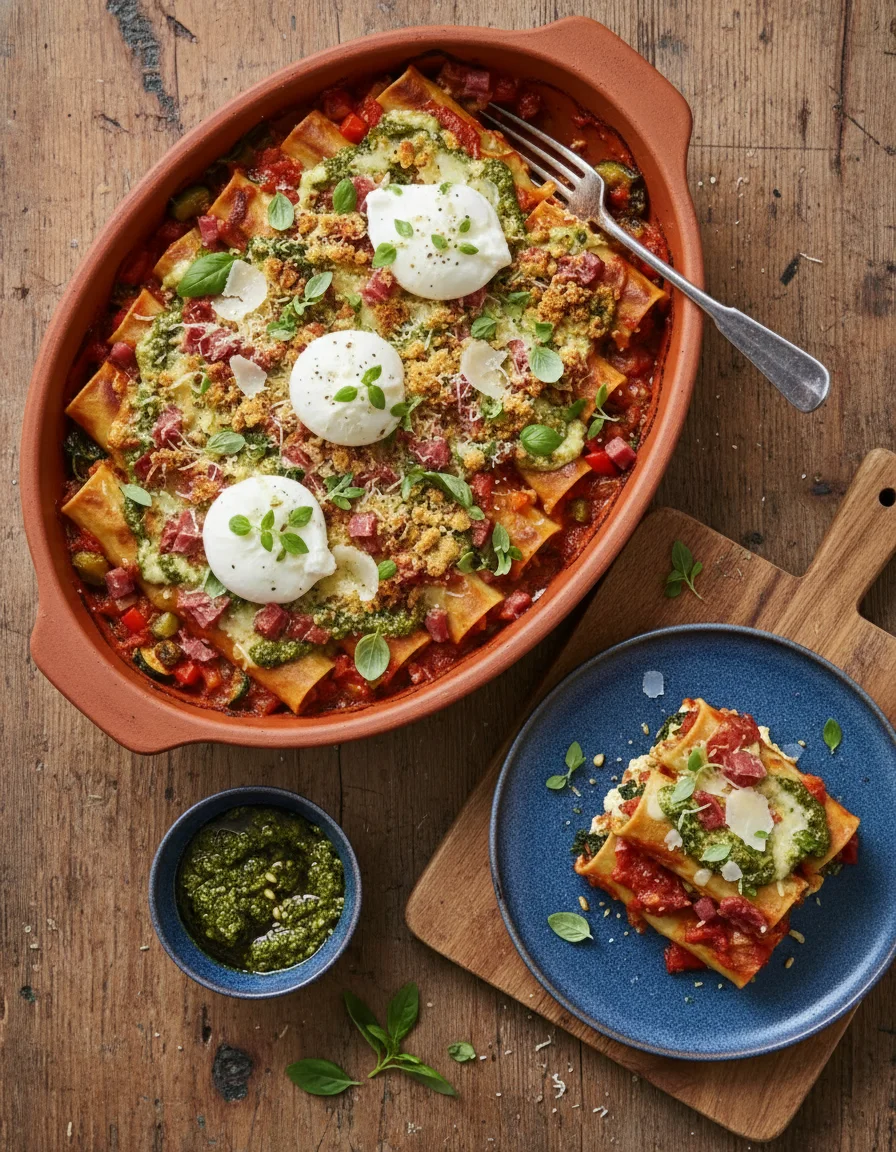
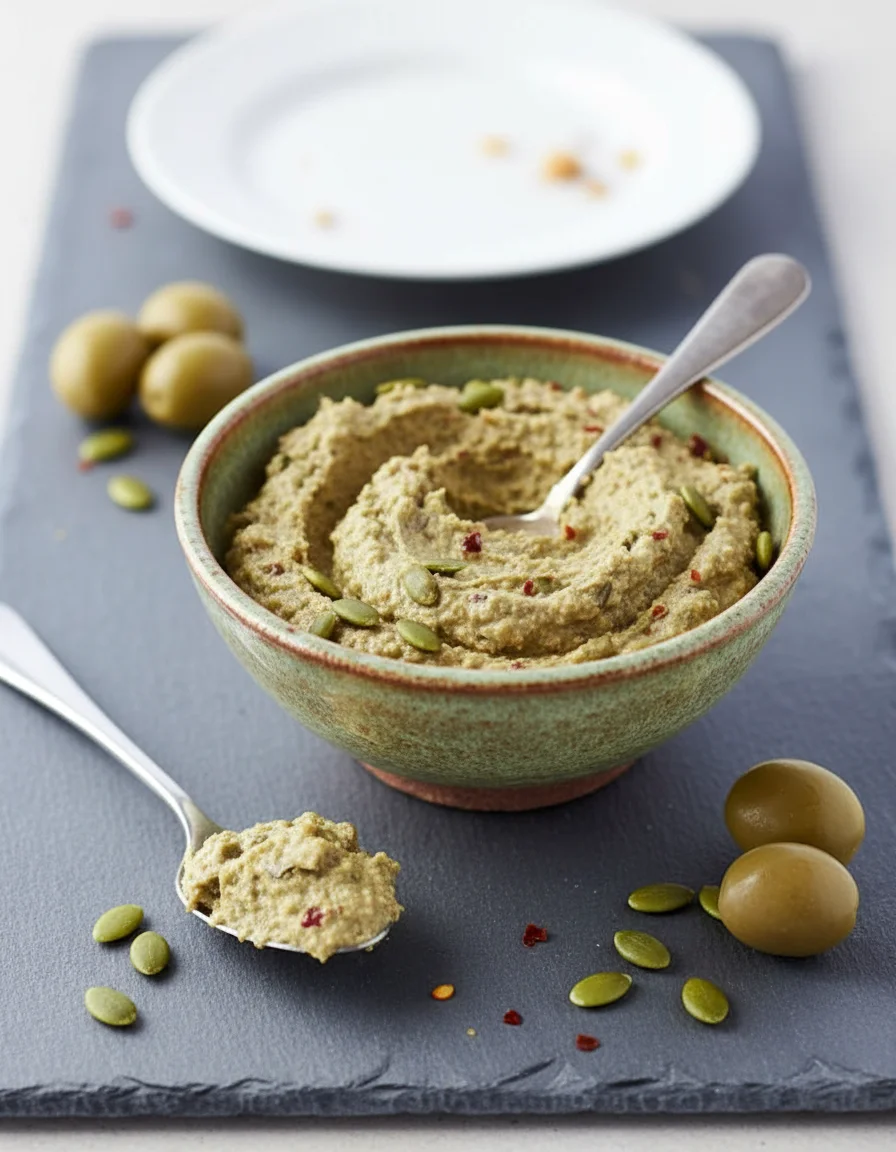



Showing 12 of 12 recipes