10+ Best Vegan Olives Recipes (Healthy & Flavorful)
Discover the incredible versatility of olives in vegan cooking! Explore healthy, flavor-packed recipes, learn about their benefits, and get expert tips on selec
About olives
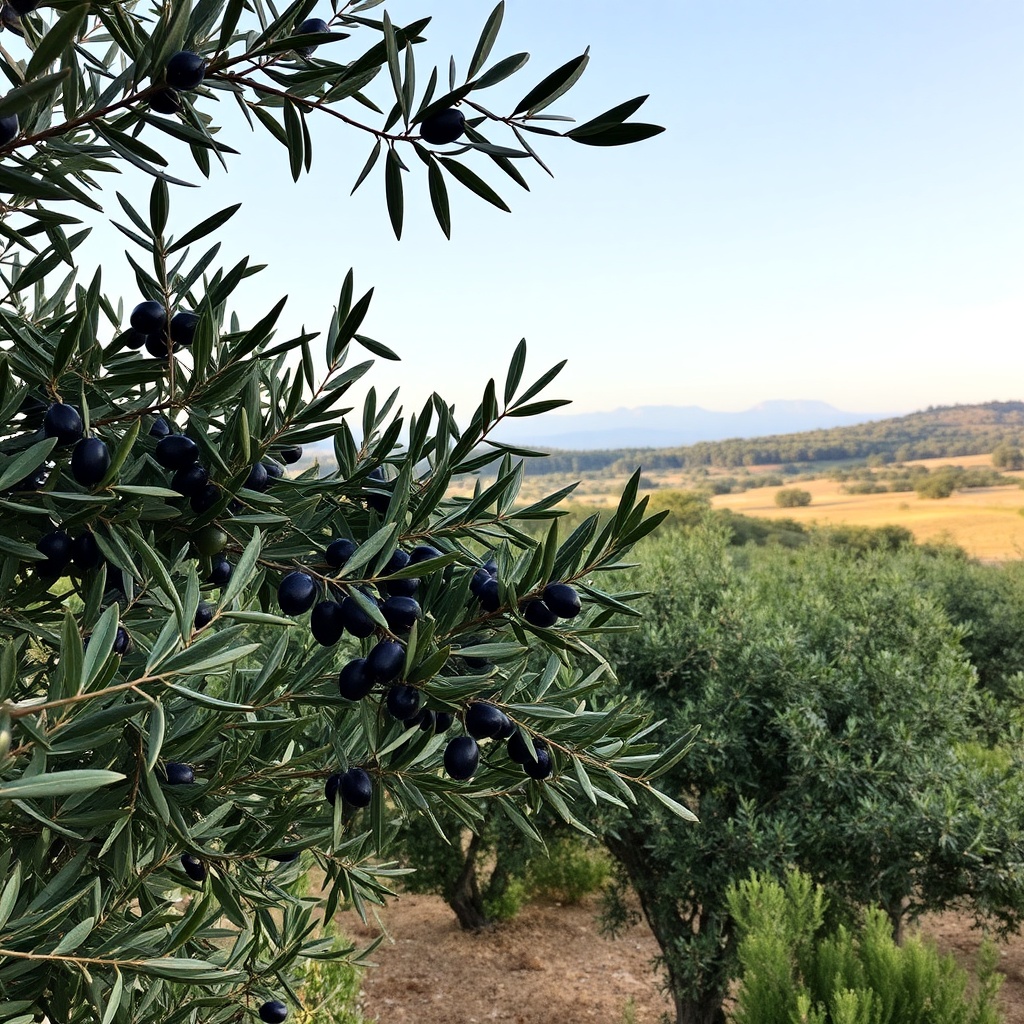
Olives, those briny, luscious fruits, are a cornerstone of Mediterranean cuisine and an absolute staple in any well-stocked vegan pantry. From their rich, savory taste to their incredibly diverse textures and varieties, olives bring a burst of flavor and a touch of gourmet elegance to countless plant-based dishes. Whether you prefer the buttery notes of Castelvetrano, the piquant bite of Kalamata, or the mellow earthiness of black olives, these ancient fruits are surprisingly versatile and packed with goodness, making them an essential ingredient for elevating your vegan culinary adventures.
Health Benefits of Olives for Vegans
Beyond their captivating taste, olives offer a wealth of nutritional benefits, making them a smart addition to a healthy vegan diet. They are renowned for their high content of healthy fats, primarily monounsaturated fatty acids. These heart-healthy fats, like oleic acid, are known to help reduce bad cholesterol levels and support overall cardiovascular health, which is crucial for a balanced plant-based lifestyle. Olives are also brimming with powerful antioxidants, including polyphenols and Vitamin E (providing 1.65mg per 100g), which help combat oxidative stress and inflammation in the body.
For vegans, olives can be a beneficial source of certain minerals. Black olives, in particular, provide an impressive amount of iron (6.28mg per 100g), which is a key mineral for energy production and often a focus for those on a plant-based diet. They also offer a good amount of calcium (88mg per 100g), copper (0.251mg per 100g), and even some dietary fiber (1.6g per 100g), contributing to digestive health. While olives are a natural source of sodium (735mg per 100g) due to their curing process, rinsing them before use can help reduce this content without sacrificing flavor.
How to Select the Best Olives
When choosing olives, quality and variety are key. For jarred or canned olives, look for brands that list olives, water, and salt (or brine) as the primary ingredients, avoiding those with artificial colors or excessive preservatives. The brine should be clear, not cloudy. If buying from an olive bar, select olives that appear plump, firm, and glossy, avoiding any that look shriveled, bruised, or have a cloudy liquid. Consider the type: Kalamata olives are great for salads and tapenades, green Spanish olives (like Manzanilla) are often stuffed and perfect for snacking, while milder black olives are fantastic in cooked dishes like pasta sauces and pizzas.
Optimal Storage Tips for Olives
Proper storage ensures your olives remain delicious and safe to eat. Unopened jars or cans of olives can be stored in a cool, dark pantry for months or even years, checking the best-by date. Once opened, always store olives in their original brine or oil in an airtight container in the refrigerator. Ensure they are fully submerged to prevent them from drying out or spoiling. When stored correctly, opened olives can last anywhere from 2 weeks to 2-3 months, depending on the type and brine. Olives purchased from an olive bar should also be transferred to an airtight container with fresh brine (a simple solution of water and a pinch of salt can work) and refrigerated, where they will typically last for a few weeks.
Frequently Asked Questions
Most olives are ready to eat or use straight from the jar or can. If they are packed in a very salty brine, you might want to rinse them under cold water to reduce the sodium content before using. If you have whole olives with pits, gently smash them with the flat side of a knife or use an olive pitter to remove the pits, then chop or slice as needed for your recipe.
olives Recipes





Showing 17 of 17 recipes