15+ Best Vegan Kalamata Olives Recipes (Healthy & Easy)
Discover the rich, fruity flavor of Kalamata olives in our best vegan recipes! Learn about health benefits, selection, and storage tips for this Mediterranean s
About kalamata olives
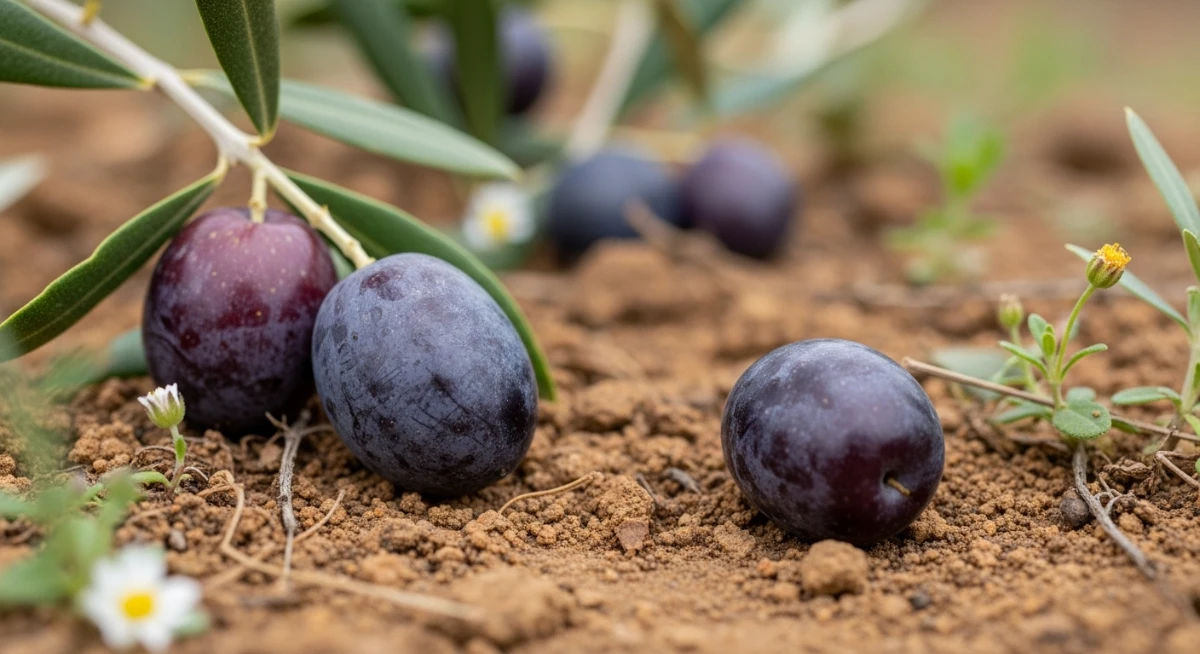
Welcome to the world of Kalamata olives, a culinary gem hailing from the sunny groves of Greece! These distinctive dark purple olives, named after the city of Kalamata, are a staple in Mediterranean cuisine and a fantastic ingredient for any vegan kitchen. Known for their robust, fruity, and slightly bitter flavor, often with a hint of red wine vinegar, Kalamata olives bring a unique depth and brininess that elevates everything from simple salads to complex main dishes.
Health Benefits of Kalamata Olives for Vegans
Beyond their incredible taste, Kalamata olives pack a nutritional punch that makes them a valuable addition to a plant-based diet. They are a good source of healthy fats, particularly monounsaturated fatty acids, which are known to support heart health. For vegans, they offer:
- Dietary Fiber: Essential for digestive health, Kalamata olives provide a significant amount of fiber, contributing to satiety and gut well-being.
- Minerals: They are rich in vital minerals such as iron, which is crucial for energy and preventing anemia, and potassium, important for blood pressure regulation. They also contain calcium for bone health and magnesium.
- Vitamins: Kalamata olives provide Vitamin K, essential for blood clotting and bone metabolism, and a good amount of Vitamin E, a powerful antioxidant.
- Antioxidants: Like all olives, Kalamata olives are loaded with antioxidants, which help combat oxidative stress and inflammation in the body.
Selecting the Best Kalamata Olives
Choosing high-quality Kalamata olives ensures the best flavor and texture for your dishes. Here’s what to look for:
- Color and Appearance: Authentic Kalamata olives are typically dark purple or brownish-black with a glossy sheen. Avoid any that look shriveled or discolored beyond their natural variation.
- Packaging: Most Kalamata olives are sold whole or pitted in brine or olive oil. Olives preserved in brine tend to have a firmer texture and more intense salty-tangy flavor. Those in oil can be softer and richer. Pitted olives offer convenience, while whole olives (with pits) often retain more flavor.
- Origin: Look for
Frequently Asked Questions
Kalamata olives are typically sold cured in brine or olive oil and are ready to eat. If using whole olives, you may want to pit them before adding to dishes, though some prefer to leave them whole for presentation. To pit them easily, place the olive on a cutting board, cover it with the flat side of a chef's knife, and press down firmly to crush and release the pit. If they are very salty, you can rinse them briefly under cold water before using, but this is often unnecessary as their saltiness is part of their appeal.
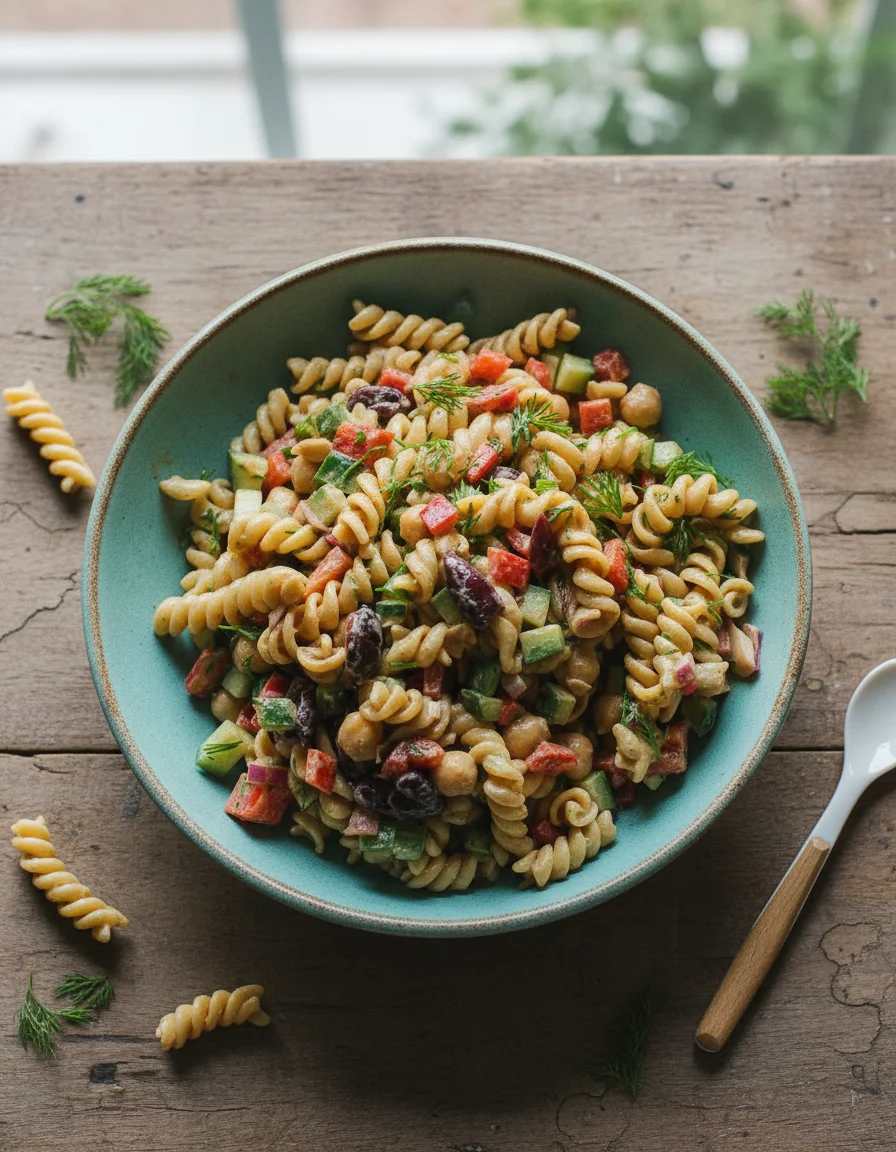
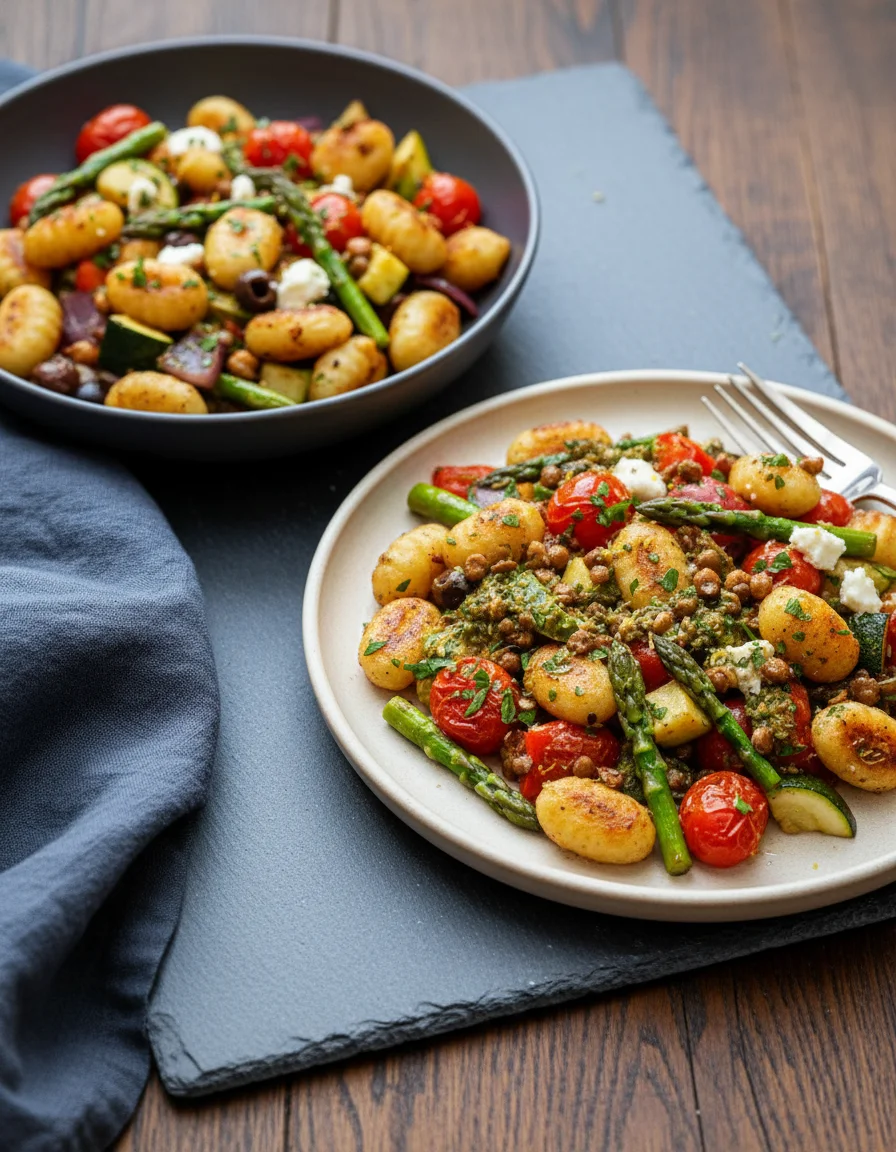
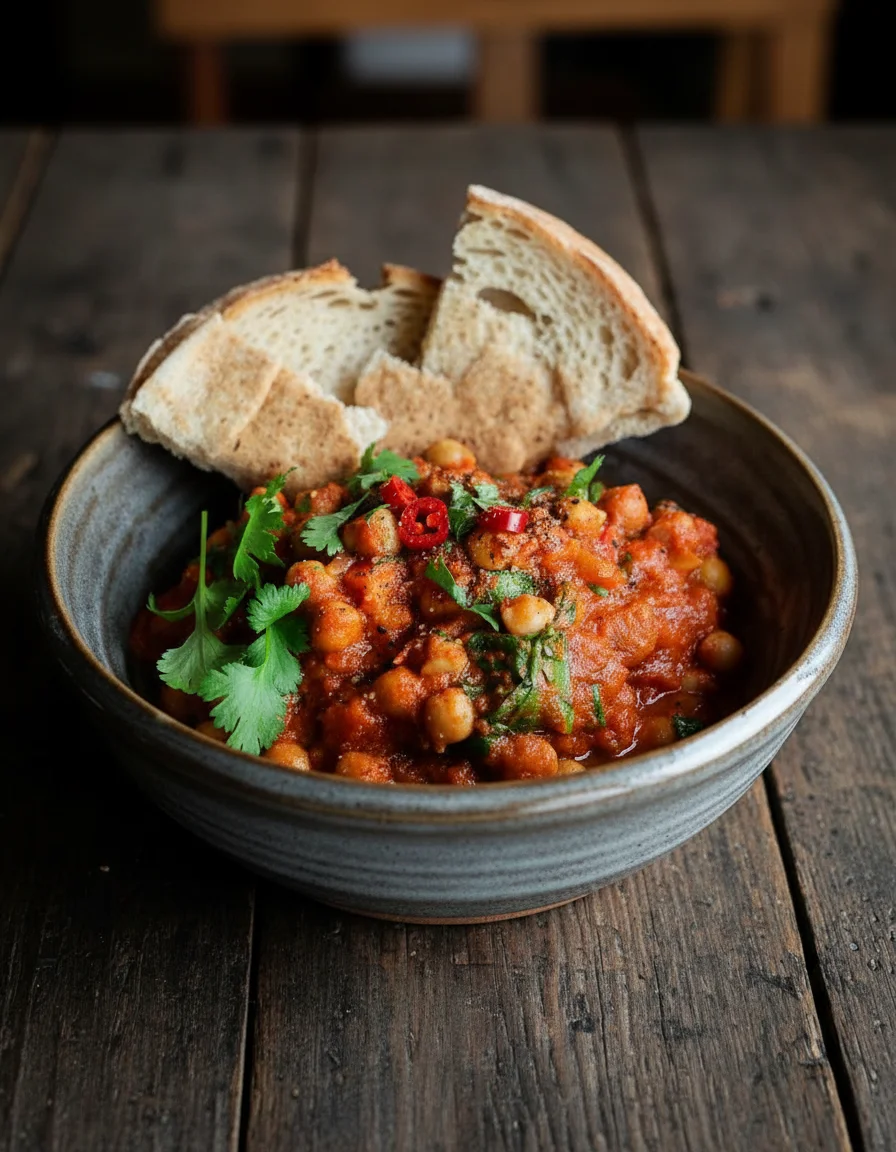
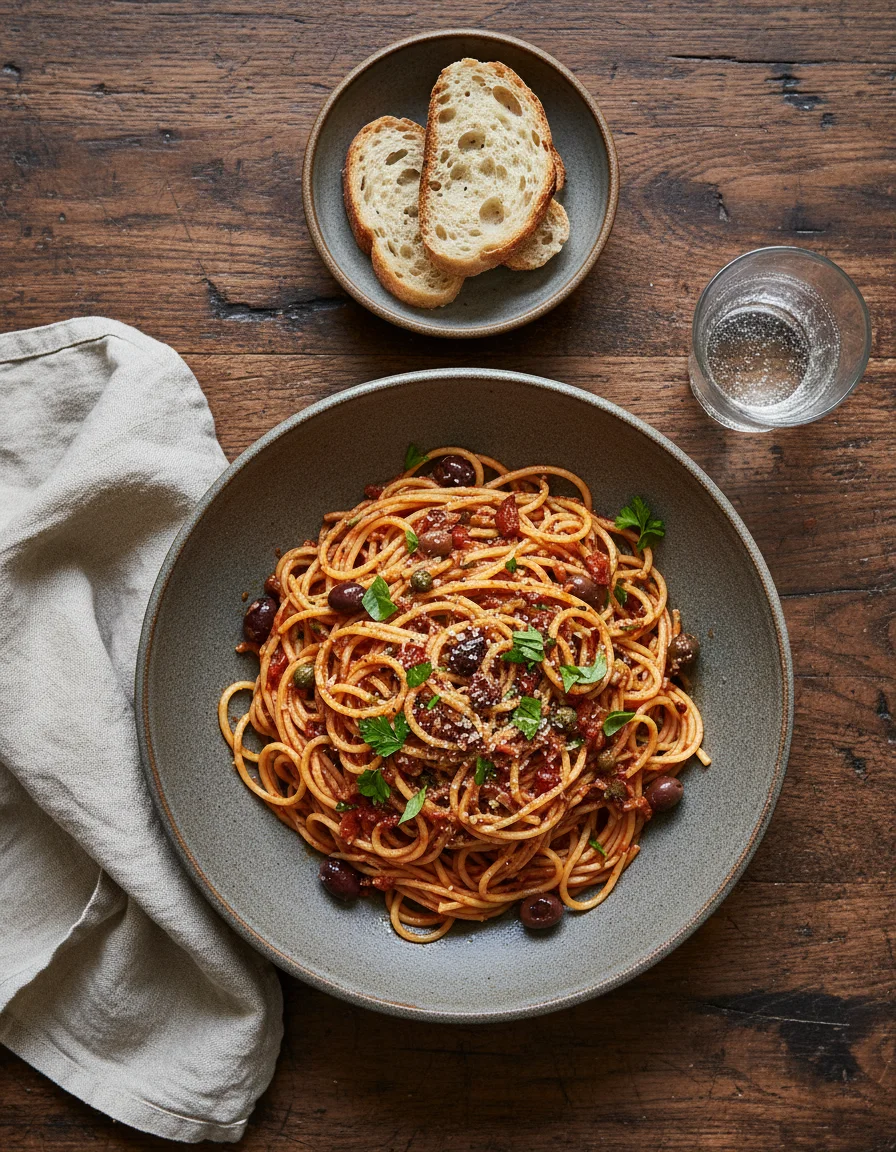
kalamata olives Recipes


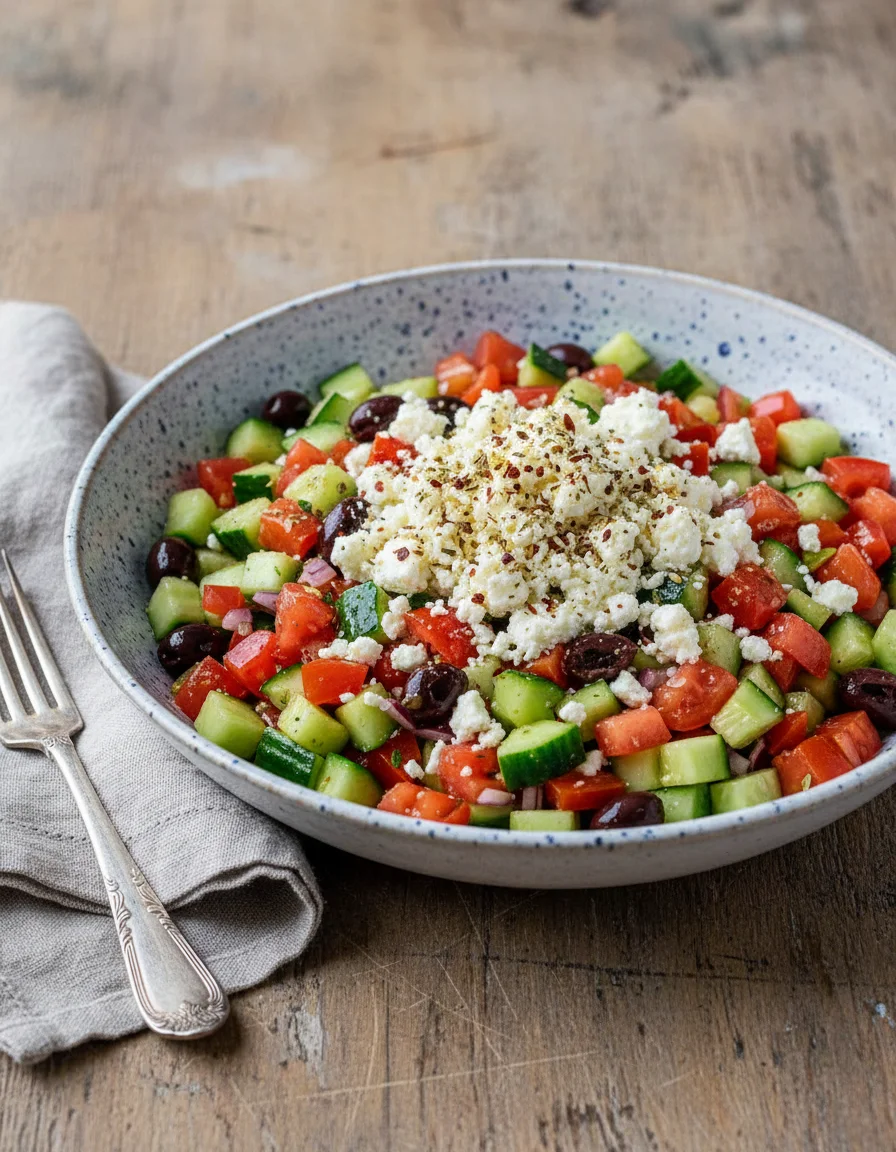
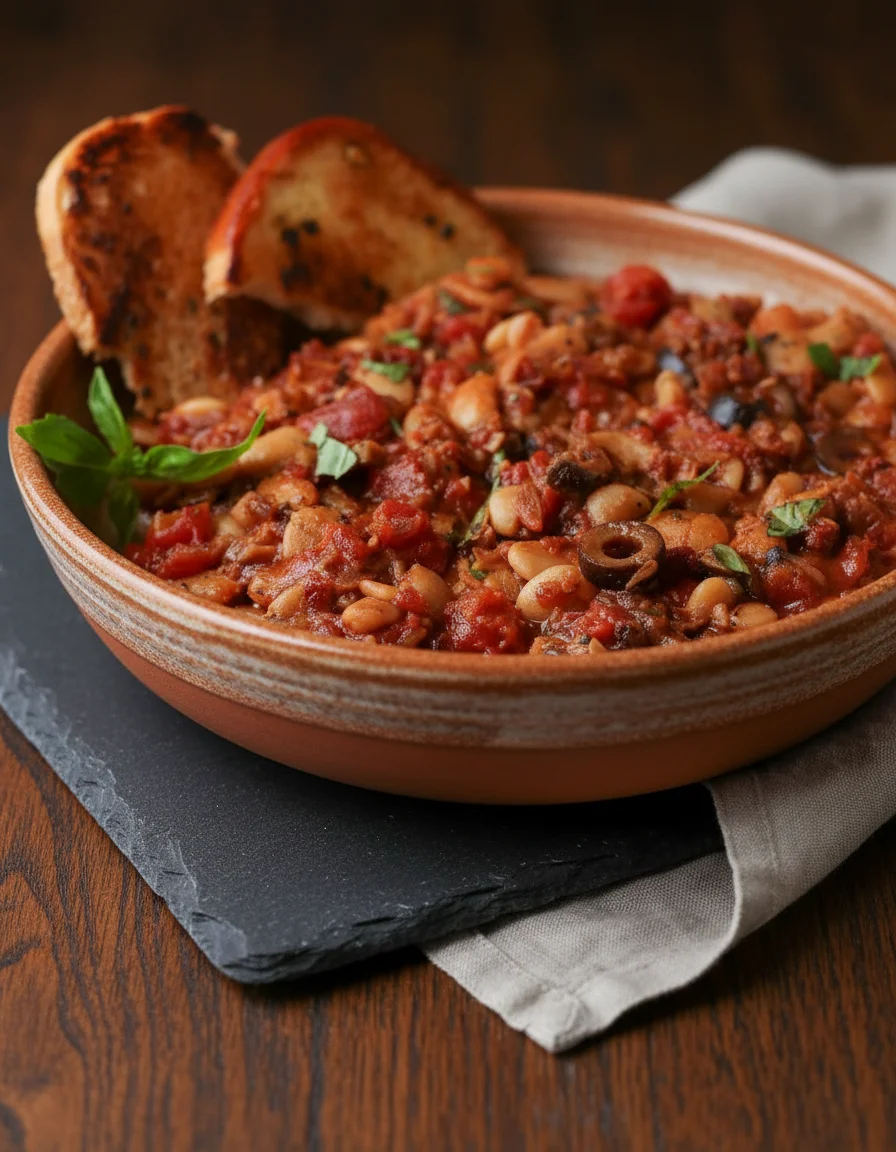
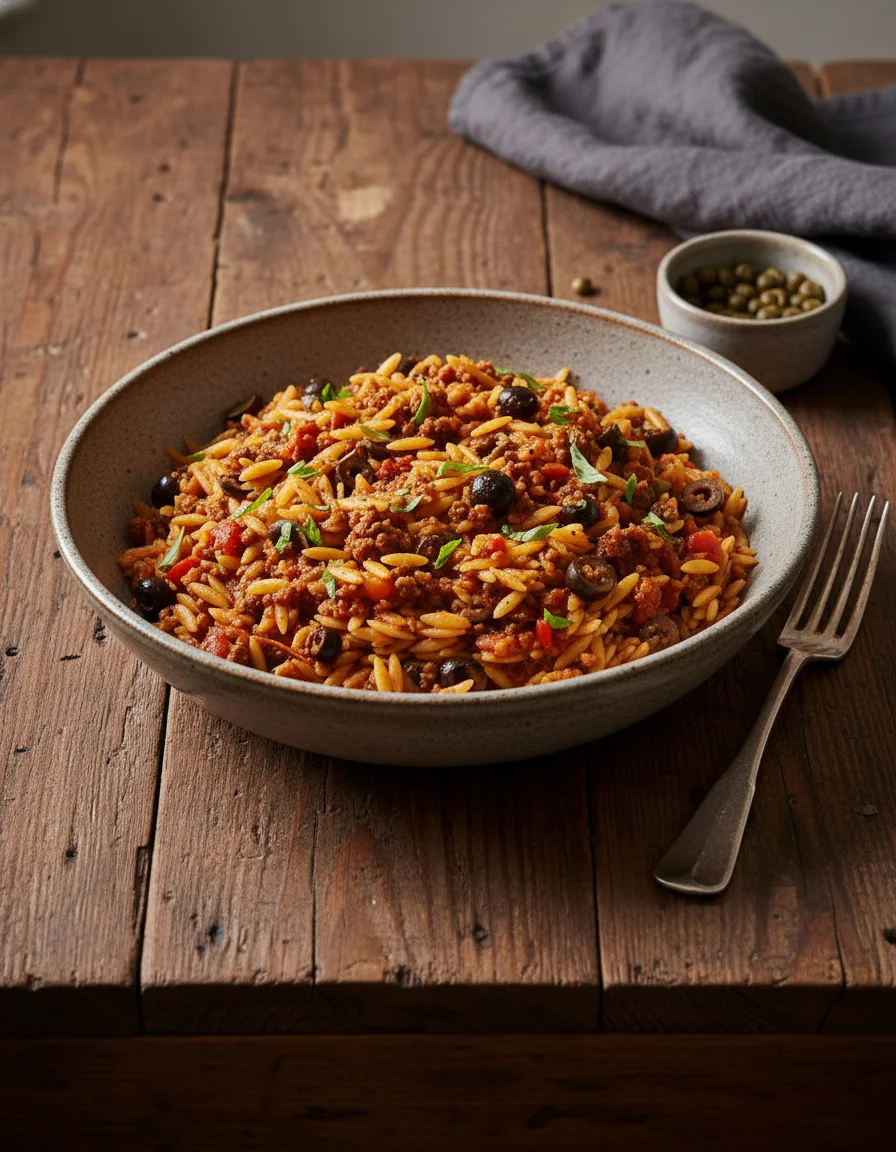

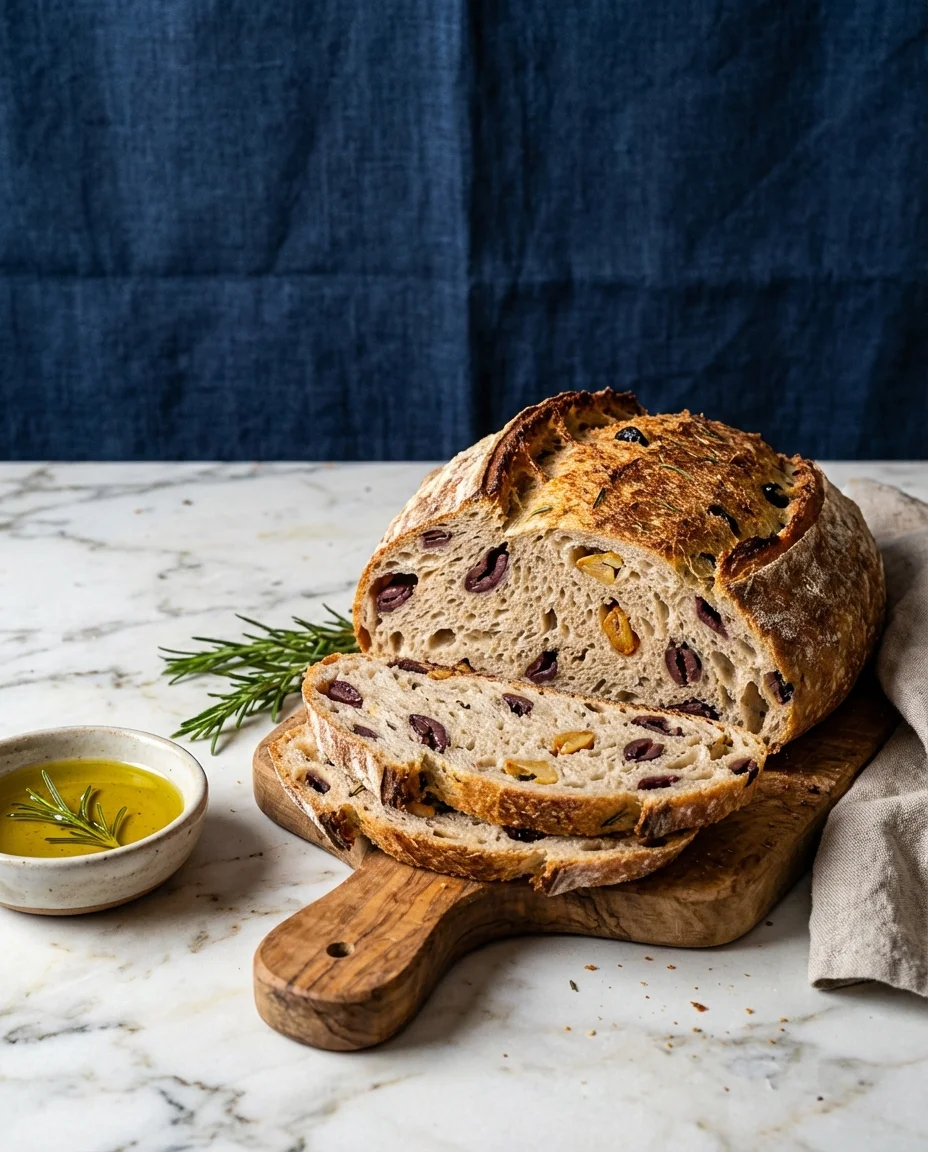




Showing 20 of 35 recipes