23+ Best Vegan Whole Wheat Flour Recipes (Healthy & Nutritious Baking)
Unlock the power of whole wheat flour in your vegan kitchen! Discover 23+ healthy and easy recipes for breads, muffins, pancakes, and more. Get baking tips and
About whole wheat flour
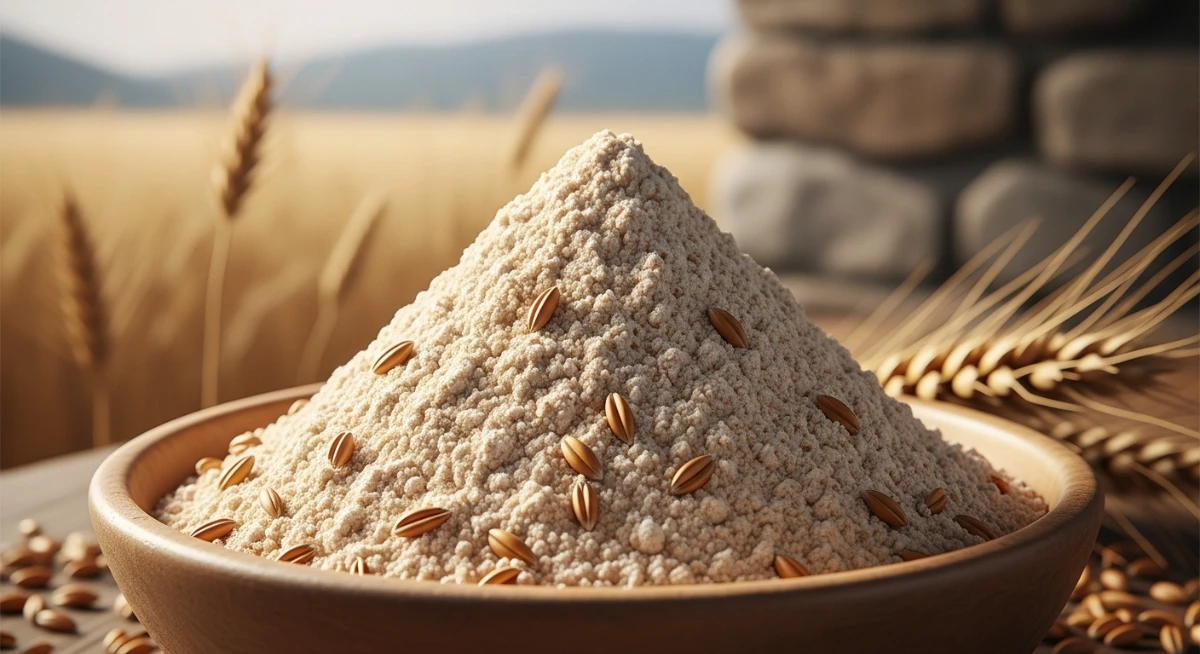
Welcome to the wonderful world of whole wheat flour, a true powerhouse ingredient in any vegan kitchen! Far from being just a basic baking staple, whole wheat flour offers a robust, nutty flavor and a wealth of nutritional benefits that elevate your plant-based creations. Made from grinding the entire wheat kernel—bran, germ, and endosperm—it retains all the wholesome goodness often stripped away in refined white flours. If you’re looking to add more fiber, protein, and essential nutrients to your diet without sacrificing taste or texture, whole wheat flour is your go-to.
Unleash the Health Benefits of Whole Wheat Flour
Incorporating whole wheat flour into your vegan diet is a fantastic way to boost your overall health. It's a cornerstone of whole-food, plant-based eating for good reason:
- Rich in Dietary Fiber: Whole wheat flour packs an impressive 13.1 grams of fiber per 100g. This is crucial for digestive health, promoting regularity, and helping to maintain stable blood sugar levels, contributing to a feeling of fullness.
- Excellent Source of Plant-Based Protein: With 9.61 grams of protein per 100g, whole wheat flour adds a significant protein boost to your baked goods and savory dishes, supporting muscle health and satiety.
- Abundant in Essential Minerals: It’s a treasure trove of vital minerals, including Magnesium (117mg), Phosphorus (323mg), Iron (3.71mg), Zinc (2.96mg), and Manganese (3.399mg) per 100g. These play critical roles in bone health, energy production, and immune function.
- Packed with B Vitamins: Whole wheat flour provides a good amount of B vitamins like Thiamin, Riboflavin, Niacin, and Vitamin B6, essential for converting food into energy and supporting nervous system function.
Selecting the Best Whole Wheat Flour
To ensure you're getting the most nutritious and flavorful product, here are a few tips:
- Look for "100% Whole Wheat": Always check the label to confirm it states "100% whole wheat flour" or "whole grain whole wheat flour." This guarantees you're getting the entire kernel.
- Consider the Grind: A finer grind is excellent for lighter baked goods, while a coarser grind adds rustic texture to breads.
- Check the Expiration Date: Whole wheat flour has a shorter shelf life than white flour due to the oils in the germ, which can go rancid. Always pick the freshest bag.
Storing Whole Wheat Flour for Freshness
Proper storage is key to preserving the freshness and nutritional integrity of your whole wheat flour:
- Airtight Container: Transfer the flour to an airtight container immediately after opening to protect it from moisture, odors, and pests.
- Cool, Dark Place: For short-term storage (up to 1-3 months), a cool, dark pantry or cabinet is sufficient.
- Refrigeration: For longer storage (up to 6 months), storing whole wheat flour in the refrigerator is highly recommended, especially in warmer climates, as the cold slows down rancidity.
- Freezing: For extended shelf life (up to 1 year or more), keep it in an airtight container in the freezer. Bring it to room temperature before baking.
From rustic artisan breads to fluffy muffins, wholesome pancakes, and even savory dishes, whole wheat flour is incredibly versatile. It lends a delightful depth of flavor and a satisfying texture, making it an indispensable ingredient for healthy and delicious vegan cooking and baking.
Frequently Asked Questions
Whole wheat flour includes the bran and germ, giving it a denser texture, nutty flavor, and more nutrients compared to all-purpose flour. It absorbs more liquid and can make baked goods denser, so recipes often adjust liquid content or use a blend of whole wheat and all-purpose flour for a lighter result.
whole wheat flour Recipes
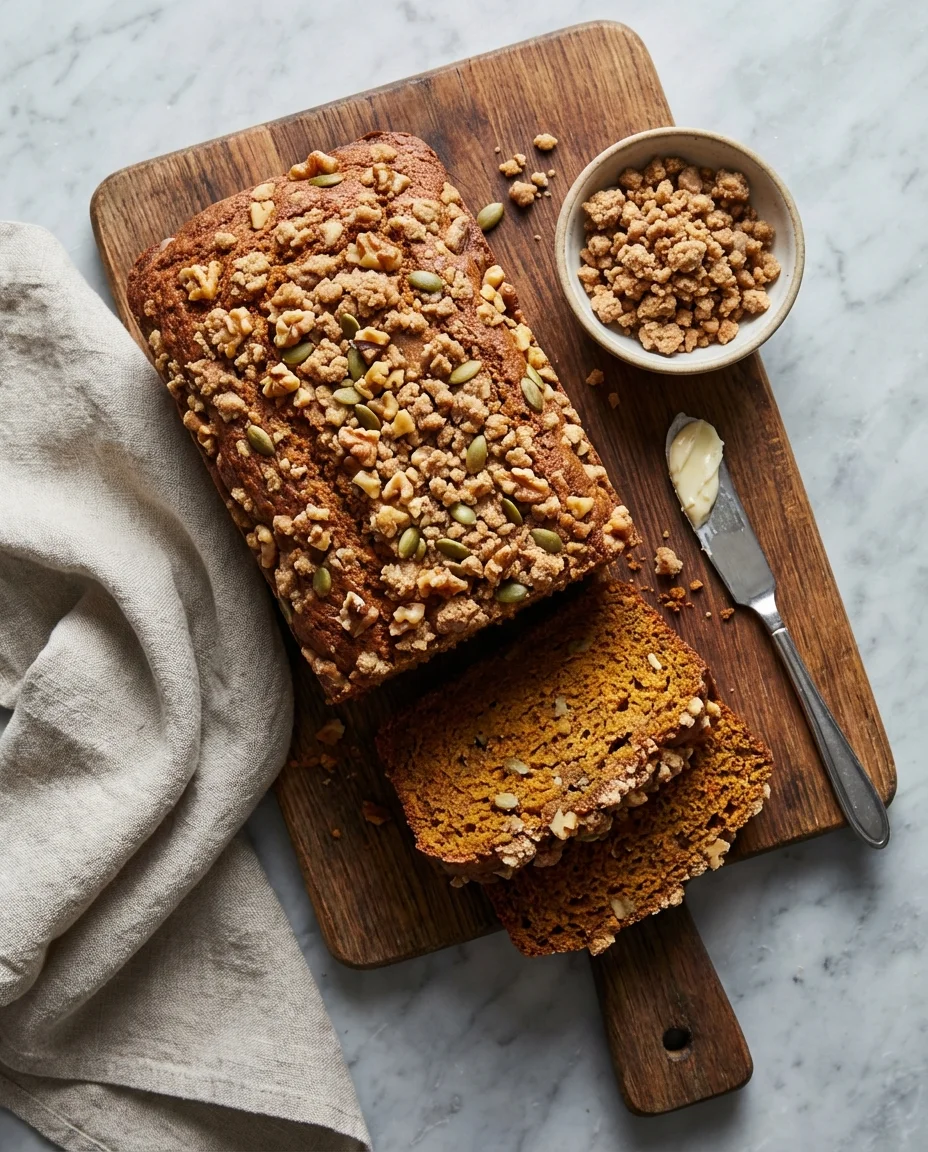




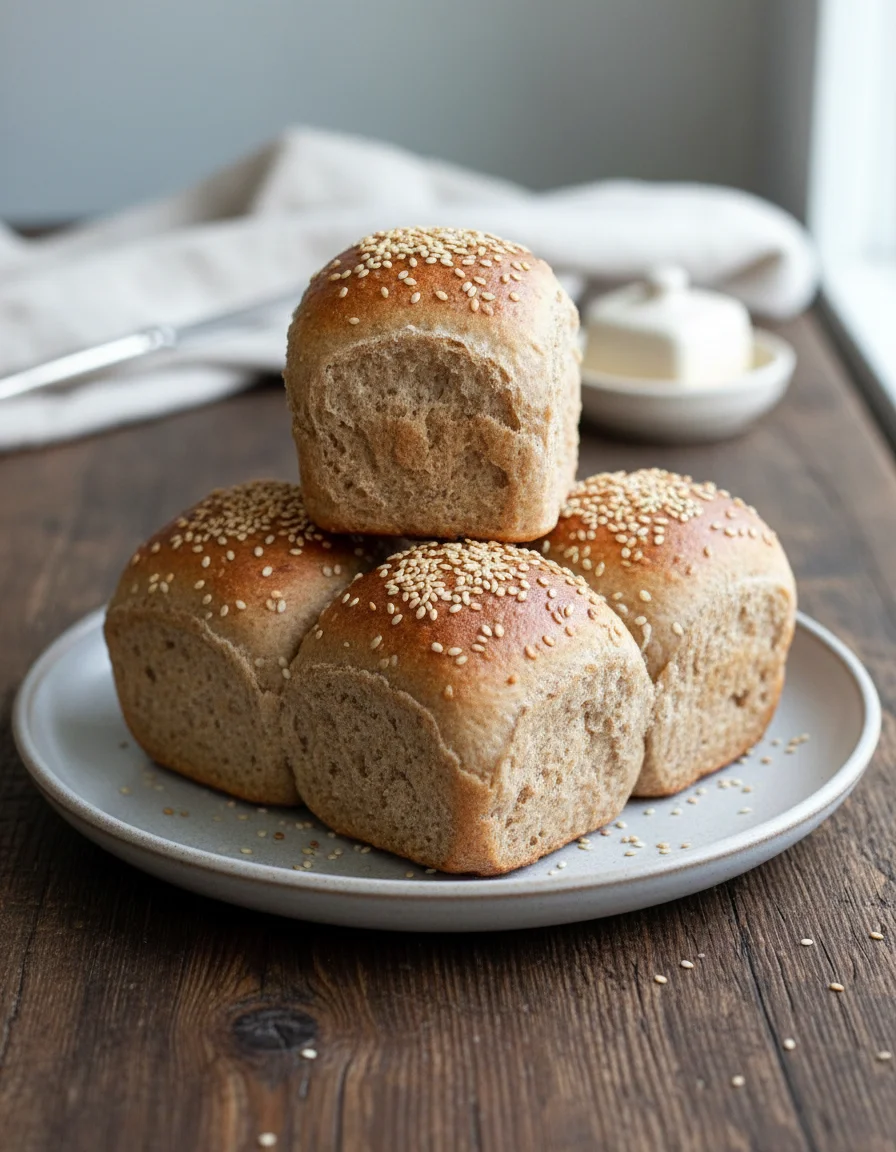
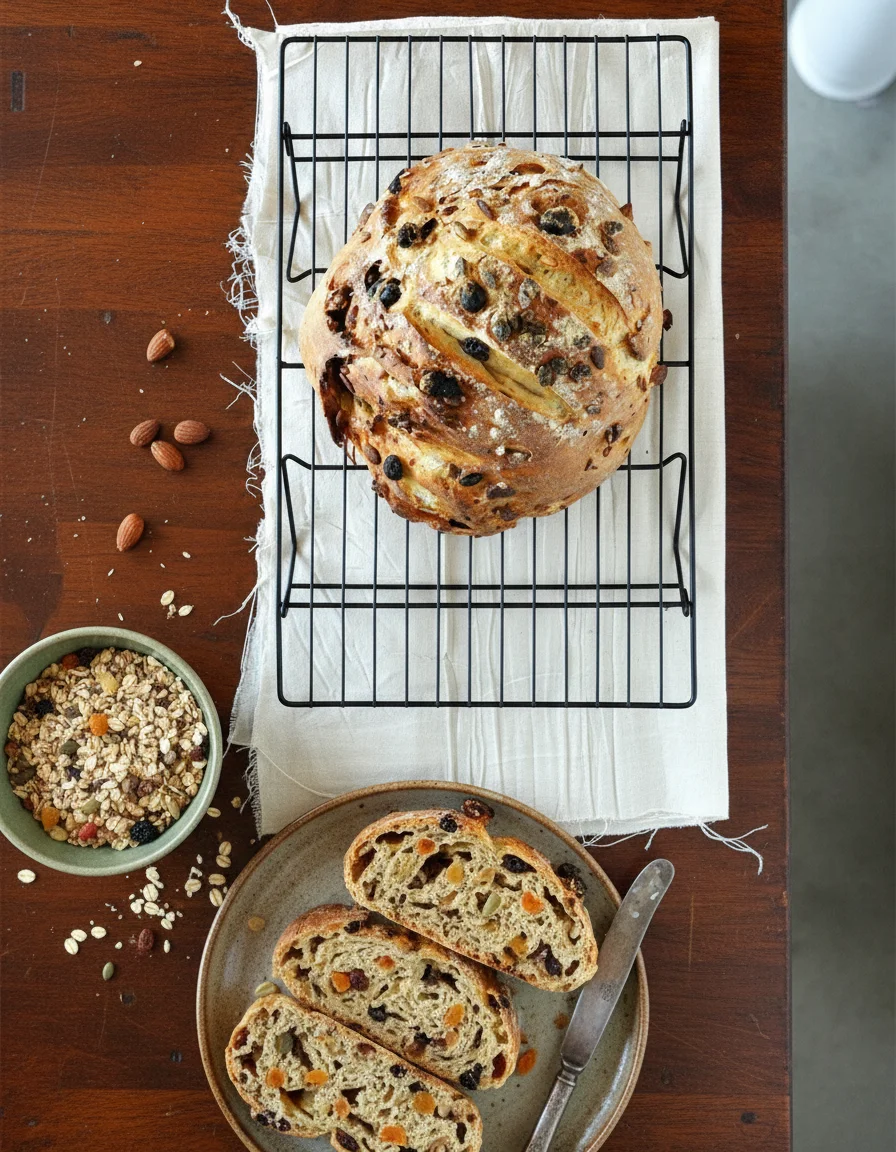

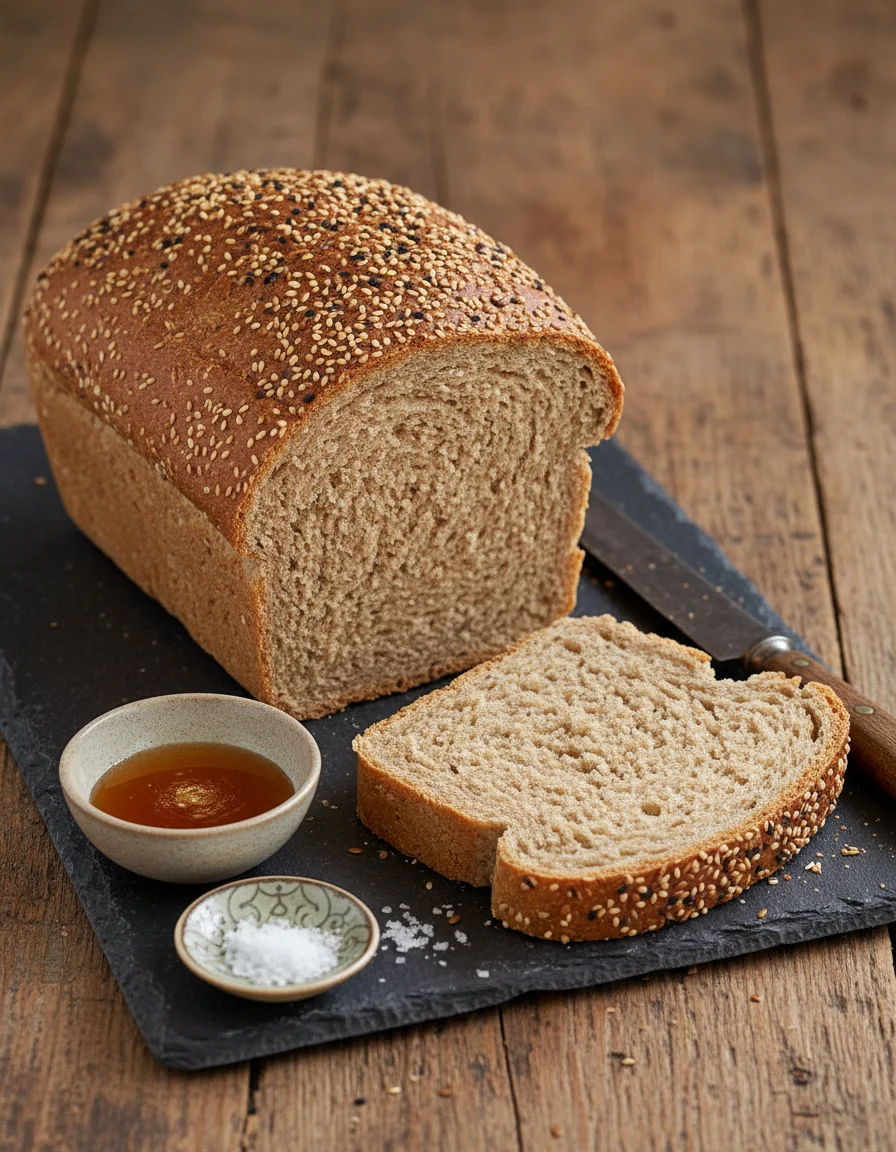



Showing 20 of 31 recipes