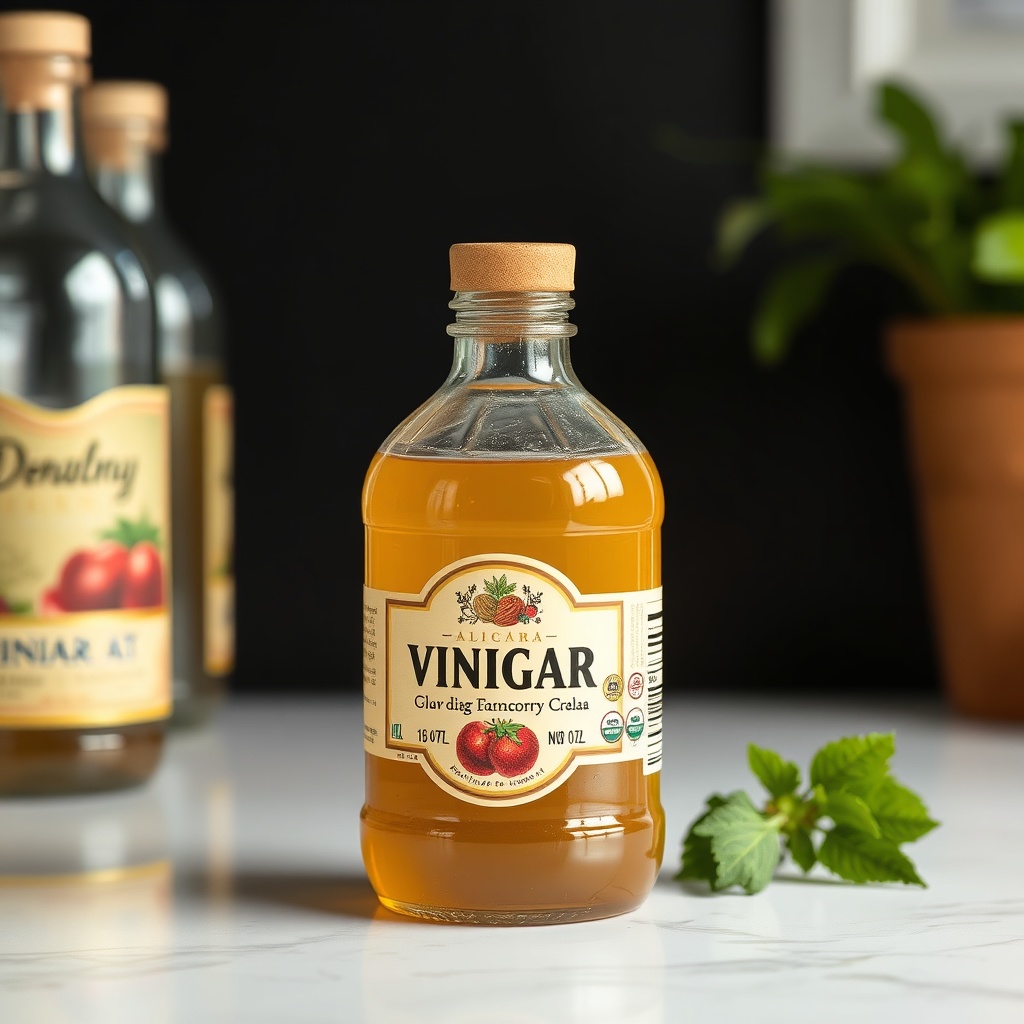
20+ Essential Vegan Vinegar Uses & Recipes (Guide to Types, Benefits & Storage)
Unlock the power of vinegar in your vegan kitchen! Discover its health benefits, selection tips, storage hacks, and how to use different types in delicious plan
About vinegar
Vinegar, a humble yet mighty ingredient, is an indispensable staple in any vegan kitchen. More than just a simple condiment, this fermented liquid brings a burst of acidity, complex flavor, and incredible versatility to a wide array of plant-based dishes. From brightening up salads and tenderizing plant proteins to adding depth to sauces and even acting as a leavening agent in baking, vinegar is a secret weapon for creating vibrant, well-balanced vegan meals. With 15+ recipes on our site featuring this incredible ingredient, you’ll quickly learn why it's a must-have.
Health Benefits of Vinegar in a Vegan Diet
While vinegar itself isn't a powerhouse of vitamins and minerals, its true health benefits shine through its role in enhancing a vegan diet. Nutritionally, it's remarkably low in calories, fat, and cholesterol, making it an excellent flavor enhancer without adding unnecessary dietary components. A typical serving contains negligible protein and fat, with only trace amounts of carbohydrates (0.93g per 100g) and sugars (0.4g per 100g), according to USDA data. It also provides small quantities of essential minerals like potassium, calcium, and magnesium, which contribute to overall well-being. Perhaps most significantly, vinegar’s acidity can aid in digestion by promoting a healthy gut environment and can even help balance blood sugar levels when consumed with meals. Furthermore, using vinegar as a flavor booster allows you to reduce the need for excessive salt or unhealthy fats in your cooking, supporting a heart-healthy, whole-foods plant-based lifestyle.
Selecting the Best Vinegar
The world of vinegar is diverse, and choosing the right type can significantly impact your dish. When selecting vinegar, consider its intended use:
- Apple Cider Vinegar (ACV): Often cloudy with "the mother," a sign of beneficial bacteria. Best for dressings, marinades, and health tonics. Look for organic, raw, and unfiltered varieties.
- White Vinegar: Clear, strong, and acidic. Ideal for pickling, cleaning, and sometimes in baking for its leavening reaction with baking soda.
- Red Wine Vinegar: Fruity and robust. Excellent for vinaigrettes, marinades for roasted vegetables, and French or Mediterranean-inspired dishes.
- Balsamic Vinegar: Dark, sweet, and syrupy, especially aged varieties. Perfect for drizzling over salads, roasted veggies, or reducing into glazes. Look for true Modena balsamic (Aceto Balsamico Tradizionale di Modena DOP) for the highest quality, though everyday balsamic is great too.
- Rice Vinegar: Milder and slightly sweet. Essential for Asian cuisine, sushi rice, and light dressings.
Always check the ingredient list to ensure no added sugars or artificial flavors, especially if you're aiming for the healthiest options.
Storing Vinegar for Longevity
One of vinegar's greatest advantages is its incredible shelf life. Due to its high acidity, vinegar is self-preserving and does not require refrigeration. To maintain its quality and flavor:
- Store in a cool, dark pantry or cupboard away from direct sunlight and heat.
- Keep the bottle tightly sealed to prevent evaporation and contamination.
- While it doesn't "go bad" in a way that makes it unsafe to consume, its flavor might mellow or change over many years. White vinegar can last almost indefinitely, while more nuanced varieties like balsamic or apple cider vinegar are best used within 2-5 years for optimal flavor.
- If you notice any significant changes in color, smell, or the development of mold (rare but possible if contaminated), it’s best to discard it.
Embrace the power of vinegar in your vegan culinary adventures – its acidity and complex notes are truly transformative!
Frequently Asked Questions
Vinegar is incredibly versatile in vegan cooking, serving multiple essential roles. It’s used to create vibrant salad dressings and vinaigrettes, tenderize plant-based proteins in marinades, add a tangy kick to sauces and soups, and balance rich flavors in stews. In baking, especially with recipes utilizing baking soda, its acidity acts as a leavening agent, contributing to a light and fluffy texture. It's also vital for pickling vegetables and can be reduced into sweet glazes for desserts or savory dishes.
vinegar Recipes
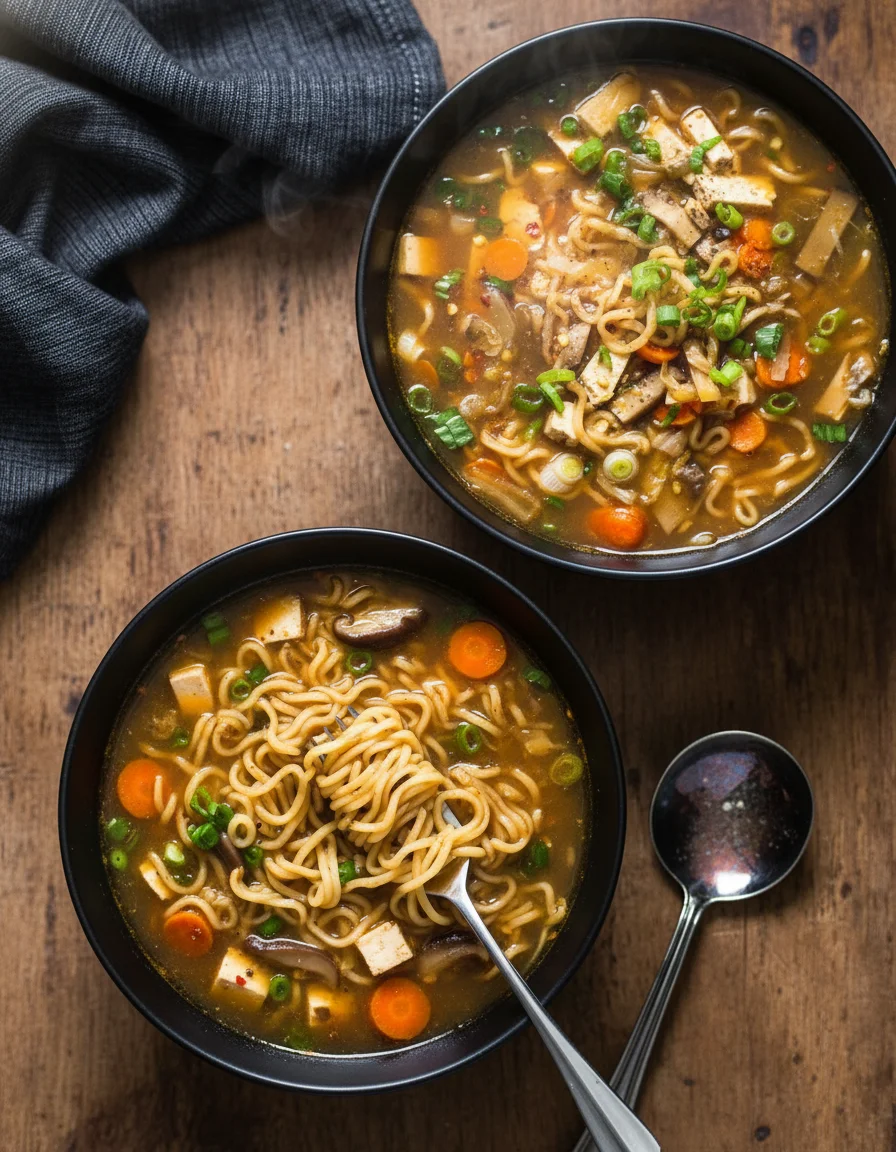
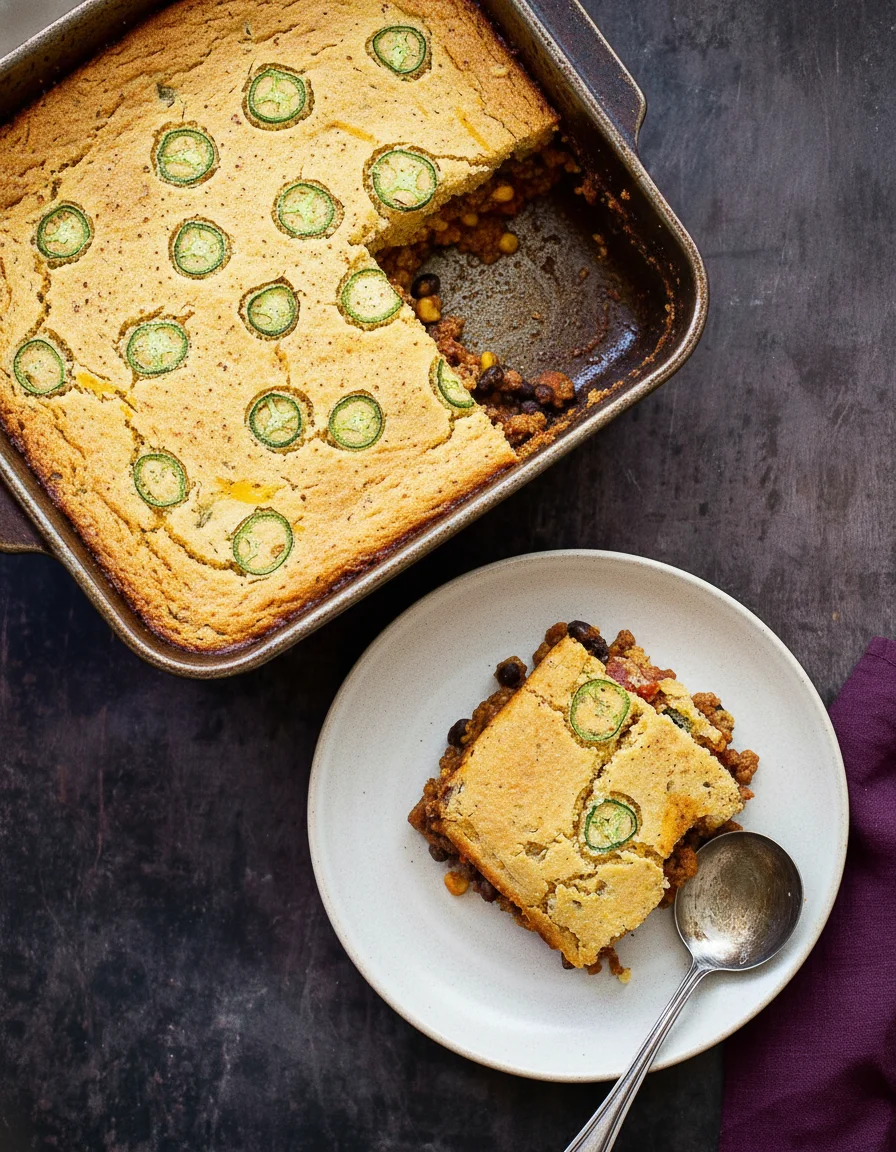
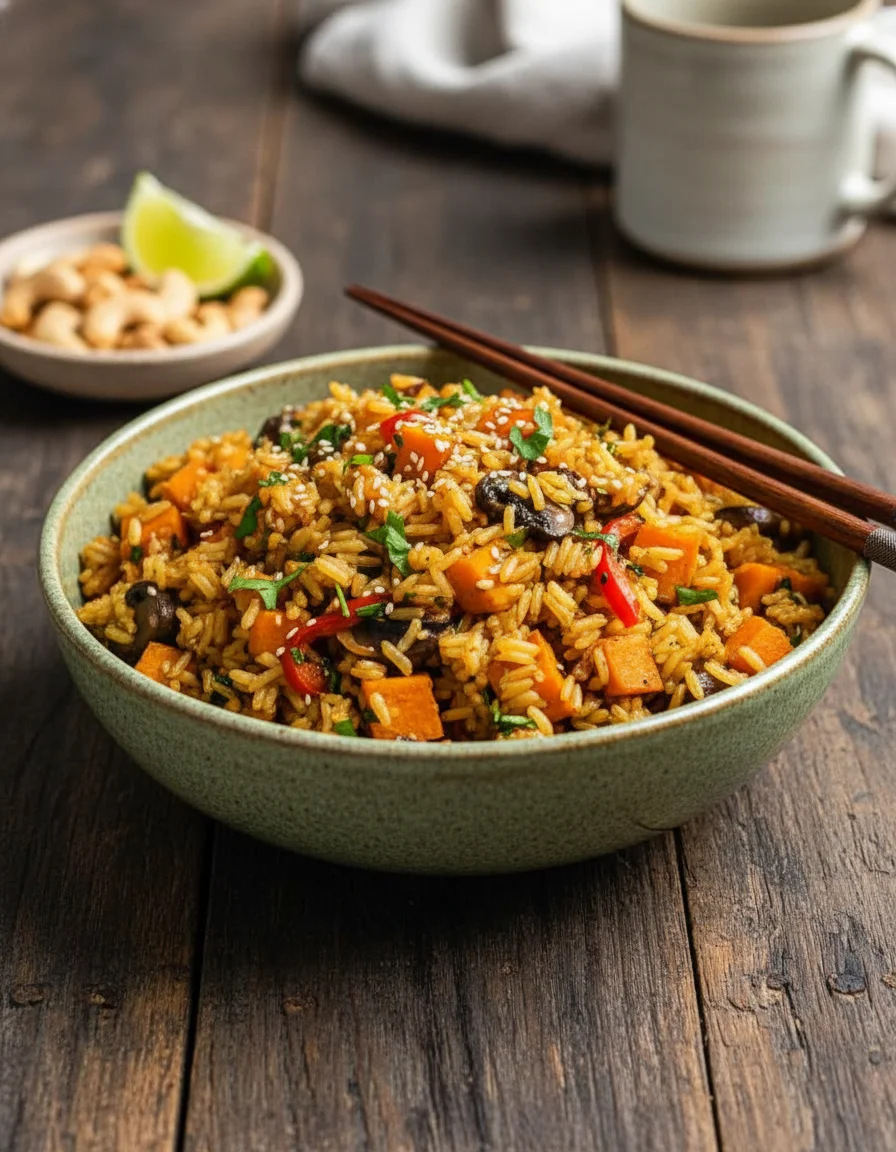








Showing 20 of 29 recipes