26+ Best Vegan Tapioca Starch Recipes (Healthy & Easy Gluten-Free)
Discover the magic of tapioca starch in vegan cooking! From creamy sauces to crispy baked goods, explore healthy & easy gluten-free recipes. Get tips on use & s
About tapioca starch
Welcome to the world of tapioca starch, a truly indispensable ingredient in the vegan kitchen! Known by many names, including tapioca flour or cassava starch, this incredibly versatile, gluten-free powder is derived from the dried, pulverized root of the cassava plant. It's a cornerstone for creating an array of delicious textures, from glossy sauces to chewy baked goods, making it a must-have for any vegan chef looking to elevate their dishes.
As a powerful thickening agent, tapioca starch is celebrated for its ability to create smooth, clear, and shiny gravies, puddings, and pie fillings without any starchy aftertaste. Its unique elasticity also makes it fantastic for improving the texture of gluten-free baked goods, adding a much-needed chewiness and structure. Whether you're whipping up a creamy vegan cheese sauce, binding a veggie burger, or achieving that perfect crispy coating for fried tofu, tapioca starch is your secret weapon.
Health Benefits of Tapioca Starch
While tapioca starch is primarily a carbohydrate source, it offers several benefits, especially within a vegan diet. It's naturally gluten-free, making it an excellent alternative for those with celiac disease or gluten sensitivities. The carbohydrates in tapioca starch are easily digestible, providing a quick source of energy. With 0g of fat and protein per serving, it's a neutral base ingredient that won't add unwanted flavors or heavy fats to your recipes. Although low in other essential nutrients, its primary role is functional, helping create satisfying textures in nutrient-rich vegan meals.
Selection Tips for Tapioca Starch
- Purity: Look for 100% pure tapioca starch, often labeled as tapioca flour. Avoid products with added ingredients or anti-caking agents.
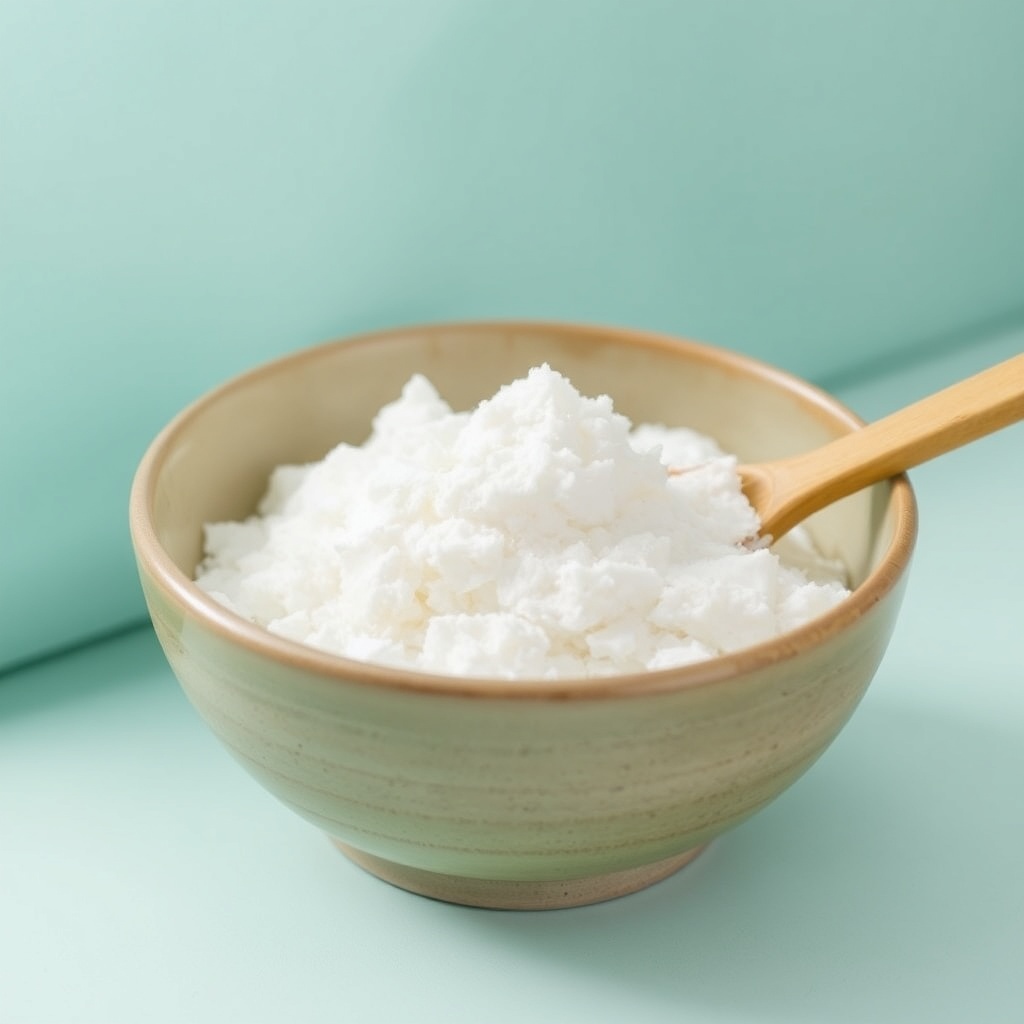
- Texture: High-quality tapioca starch should be a fine, pure white powder with a silky feel. Clumps or discoloration might indicate moisture exposure or age.
- Packaging: Choose brands that offer tapioca starch in airtight, resealable bags or containers to ensure freshness and prevent moisture absorption.
- Organic Options: If available and within budget, consider organic tapioca starch for a product free from pesticides and chemical additives.
Storage Tips for Tapioca Starch
Proper storage is key to maintaining the quality and shelf life of your tapioca starch. Store it in an airtight container, such as a glass jar with a tight-fitting lid or a heavy-duty resealable bag, immediately after opening. Keep it in a cool, dry, and dark place like a pantry or cupboard, away from direct sunlight, heat, and moisture. This prevents clumping, spoilage, and infestation. When stored correctly, tapioca starch can last for several years without losing its potency, making it an economical and reliable staple for your vegan pantry.
Frequently Asked Questions
Tapioca starch is an excellent thickener. To use it, always create a 'slurry' by mixing it with an equal amount of cold liquid (water or plant milk) before adding it to a hot dish. This prevents lumps. Stir the slurry into your simmering sauce, soup, or gravy, and continue to cook for a minute or two until it thickens and becomes glossy. For best results, add it towards the end of cooking, as prolonged boiling can reduce its thickening power.
tapioca starch Recipes







Showing 20 of 38 recipes