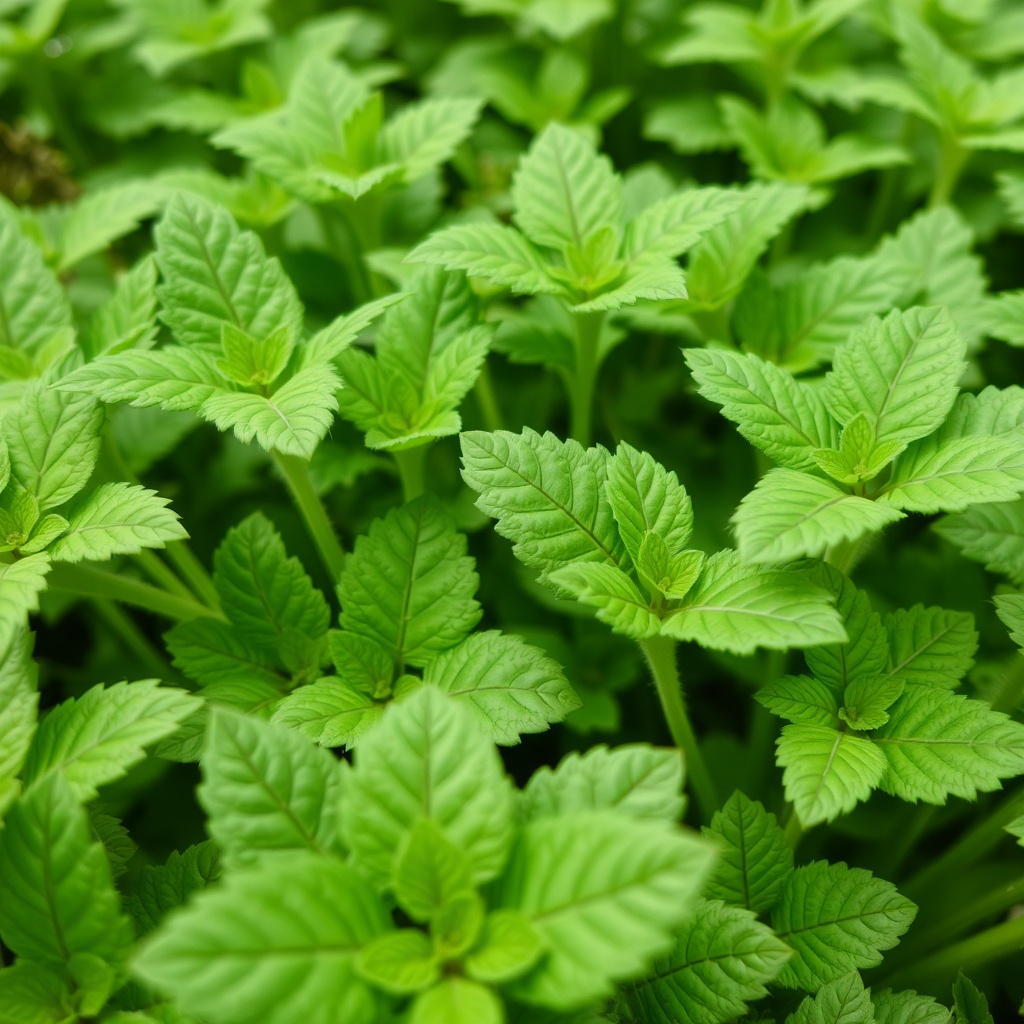
11+ Best Vegan Greens Recipes (Healthy & Easy)
Looking for the best vegan greens recipes? From vibrant salads to hearty stir-fries, discover healthy and delicious ways to enjoy this superfood in your kitchen
About greens
Greens, a blanket term for a wide variety of leafy vegetables like kale, spinach, collards, Swiss chard, and beet greens, are a cornerstone of healthy vegan cooking. Renowned for their incredible nutritional profiles and versatility, these leafy powerhouses can transform any meal into a vibrant, nutrient-dense delight. Whether you're a seasoned vegan chef or just starting your plant-based journey, incorporating more greens into your diet is one of the easiest ways to boost your health and culinary creativity.
Health Benefits of Greens
Leafy greens are truly nutritional marvels, especially for those following a vegan diet. They are exceptionally low in calories yet packed with an impressive array of vitamins, minerals, and antioxidants. Based on the nutritional data for beet greens, for example, a single cup (38g) provides a significant amount of your daily needs:
- Rich in Vitamins K and A: Greens are an outstanding source of Vitamin K (400µg) which is crucial for blood clotting and bone health, and Vitamin A (1897.8µg RAE), essential for vision, immune function, and skin health.
- Excellent Source of Vitamin C: With 30mg per cup, greens contribute to a robust immune system and healthy skin, and also aid in the absorption of plant-based iron.
- Packed with Minerals: They provide plant-based sources of important minerals like Calcium (117mg), Iron (2.57mg), Magnesium (70mg), and Potassium (762mg). These are vital for bone density, energy production, muscle function, and maintaining healthy blood pressure, making them particularly beneficial for vegans.
- High in Fiber: With 3.7g of fiber per cup, greens promote digestive health, help regulate blood sugar, and contribute to a feeling of fullness.
- Antioxidant Powerhouse: Greens are loaded with various antioxidants that help combat oxidative stress and reduce inflammation in the body.
By regularly consuming greens, you're not just adding bulk to your meals; you're infusing your body with essential nutrients that support overall well-being.
Selection Tips for Fresh Greens
Choosing the freshest greens is key to unlocking their full flavor and nutritional potential. When at the grocery store or farmer's market, look for:
- Vibrant Color: The leaves should be deep green, not yellowed or brown.
- Crispness: The leaves should feel firm and crisp, not wilted or limp.
- No Blemishes: Avoid greens with holes, soft spots, or signs of decay.
- Fresh Scent: They should have a fresh, earthy aroma, not an unpleasant one.
If buying pre-bagged greens, check the expiration date and ensure there's no excess moisture inside the bag, which can indicate spoilage.
Storage Tips to Keep Greens Fresh
Proper storage can significantly extend the life of your greens:
- Wash and Dry Thoroughly (Optional but Recommended): Some prefer to wash greens right before use, but if you wash them upon arrival, ensure they are completely dry before storing. Excess moisture is the enemy of fresh greens. A salad spinner is excellent for this.
- Wrap in Paper Towels: Place the dry greens in a clean paper towel to absorb any residual moisture.
- Store in an Airtight Container or Bag: Transfer the wrapped greens into a resealable plastic bag or an airtight container. This helps maintain moisture and prevents wilting.
- Refrigerate in the Crisper Drawer: Store your greens in the crisper drawer of your refrigerator, where they can typically last 3-7 days, depending on the type of green and its initial freshness.
Greens are incredibly versatile in vegan cooking, easily incorporated into everything from refreshing salads and invigorating smoothies to hearty stir-fries, savory soups, and flavorful sautés. Their mild to robust flavors pair well with a wide range of ingredients, making them a staple in any plant-based kitchen.
Frequently Asked Questions
To clean greens, first trim any tough stems or discolored leaves. Submerge the greens in a bowl of cold water, swishing gently to dislodge dirt and sand. For very sandy greens, you might need to repeat this a few times. Lift the greens out of the water (don't drain the water through the greens), then dry them thoroughly using a salad spinner or by patting them with clean kitchen towels. Once dry, they are ready to be chopped or used whole.
greens Recipes










Showing 19 of 19 recipes