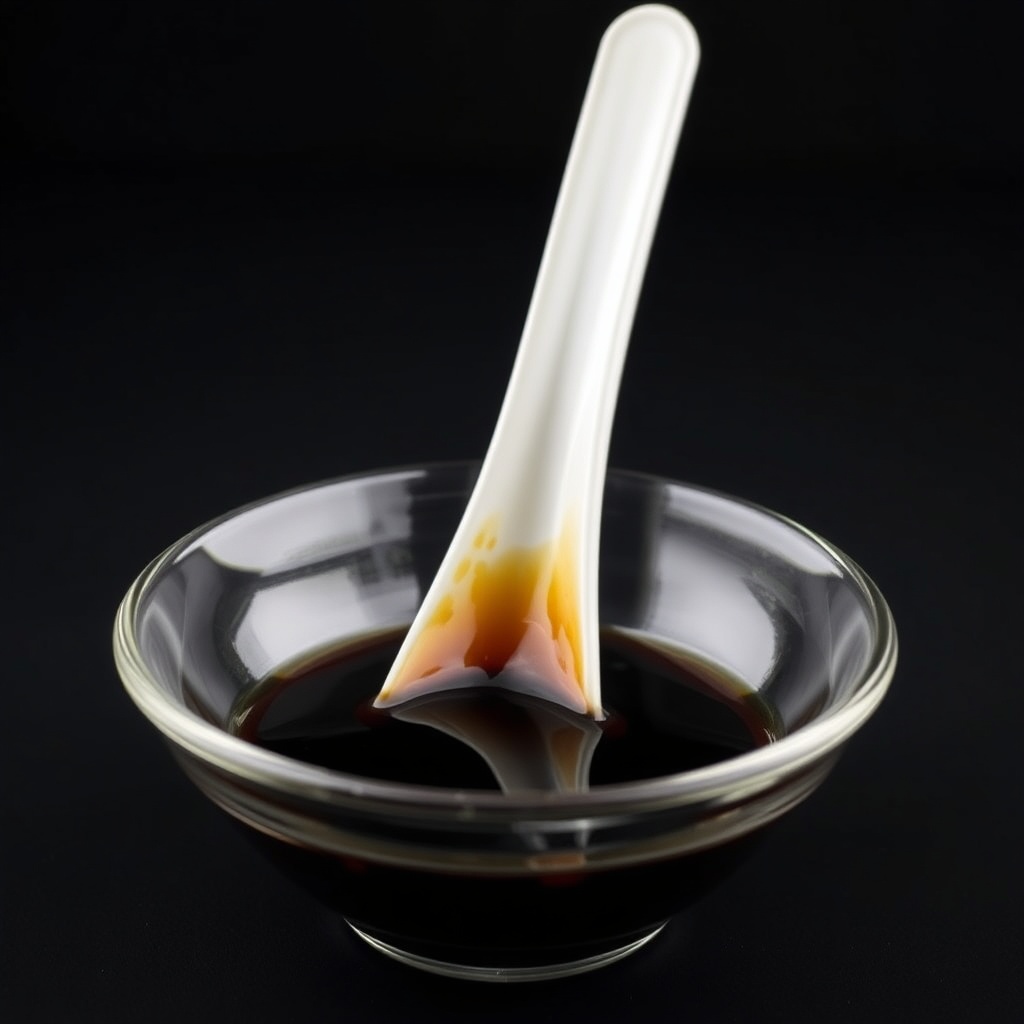
Mastering Dark Soy Sauce: 12+ Vegan Recipes for Rich Flavor & Color
Unlock the secret to rich, savory vegan dishes with dark soy sauce! Discover 12+ healthy recipes, expert tips on selection, storage, and delicious substitutions
About dark soy sauce
Dark soy sauce is an indispensable ingredient in Asian vegan cuisine, celebrated for its unique ability to impart a beautiful rich color and a deep, complex umami flavor to dishes. Unlike its lighter counterpart, which is primarily used for saltiness and a brighter soy flavor, dark soy sauce is thicker, slightly sweeter, and far less salty, making it perfect for braises, stir-fries, marinades, and glazes where visual appeal and a nuanced savory depth are key.
For vegan cooks, harnessing the power of dark soy sauce is a game-changer. It elevates plant-based proteins and vegetables, transforming them with its characteristic hue and robust taste. From traditional Chinese stir-fries to flavorful noodle dishes and hearty stews, dark soy sauce ensures your vegan creations are as visually appealing as they are delicious.
Health Benefits
Plant-Based Protein: While used in smaller quantities, dark soy sauce contributes to your daily protein intake, offering a valuable addition to a vegan diet. Per 255g, it contains approximately 8.14g of protein.
Essential Minerals: It provides a range of minerals including Potassium (435mg), Phosphorus (166mg), Magnesium (74mg), and Iron (1.45mg) per 255g, which are important for various bodily functions and can support overall well-being on a plant-based diet.
Fiber: Dark soy sauce contains a small amount of dietary fiber (0.8g per 255g), which is beneficial for digestive health.
Umami Enhancer: Beyond its nutritional profile, dark soy sauce is a powerful source of umami, the savory 'fifth taste'. This deep flavor complexity is crucial in vegan cooking for creating satisfying and well-rounded dishes without relying on animal products.
Important Note on Sodium: Dark soy sauce, like all soy sauces, is high in sodium (5493mg per 255g). It should be used in moderation, especially if you are monitoring your sodium intake. Look for low-sodium versions if preferred.
Selection Tips
Ingredients List: Always check the label. High-quality dark soy sauce should primarily contain water, soybeans, wheat, and salt. Avoid brands with excessive additives or artificial colorings.
Natural Fermentation: Opt for naturally brewed or fermented dark soy sauce. This process yields a more complex and authentic flavor compared to chemically processed varieties.
Color and Consistency: A good dark soy sauce will be deep, almost black, and noticeably thicker than light soy sauce. It should have a slightly glossy sheen.
Reputable Brands: Stick to well-known Asian brands that specialize in soy sauce, as they often offer superior quality and traditional brewing methods.
Storage Tips
Unopened: Keep unopened bottles of dark soy sauce in a cool, dark pantry or cabinet away from direct sunlight and heat. It can last for several years this way.
Opened: Once opened, dark soy sauce should be stored in the refrigerator. While it won't spoil quickly due to its high salt content, refrigeration helps maintain its flavor profile and prevents potential changes in taste or appearance over time. It can remain fresh for 1-2 years in the fridge.
Vegan Substitutions
Plant-based alternatives for dark soy sauce in your recipes
| Original Ingredient | Replace with | Vegan Alternative | Notes |
|---|---|---|---|
| Dark Soy Sauce | Regular/Light Soy Sauce + Molasses or Brown Sugar | Light soy sauce is saltier and lighter in color. To mimic dark soy sauce, use light soy sauce and add a small amount of molasses, brown sugar, or even caramel color for depth and sweetness. Start with a 1:1 ratio of light soy sauce to dark soy sauce in recipes, then add sweetener/color to taste. | |
| Dark Soy Sauce | Tamari + Molasses or Brown Sugar (for gluten-free) | Tamari is a gluten-free soy sauce alternative. It often has a richer umami than light soy sauce but may still require a touch of molasses or brown sugar for the characteristic sweetness and deep color of dark soy sauce. | |
| Dark Soy Sauce | Coconut Aminos + Molasses or Brown Sugar (for soy-free, gluten-free) | Coconut aminos are a soy-free and gluten-free alternative. They are naturally sweeter and less salty than soy sauce. You'll likely need to use more and may still wish to add a bit of molasses for color and a more complex sweetness, and possibly adjust other seasonings for umami. |
Substitution ratios may vary by recipe. Start with a 1:1 ratio and adjust to taste.
Frequently Asked Questions
Dark soy sauce is excellent for adding rich color and a deep, mellow umami flavor to vegan dishes without adding excessive saltiness. Use it in marinades for tofu or tempeh, stir-fries for a glossy finish, braised dishes, and noodle sauces. It's often combined with light soy sauce to balance both saltiness and color. A little goes a long way, especially for color.
dark soy sauce Recipes



Showing 16 of 16 recipes