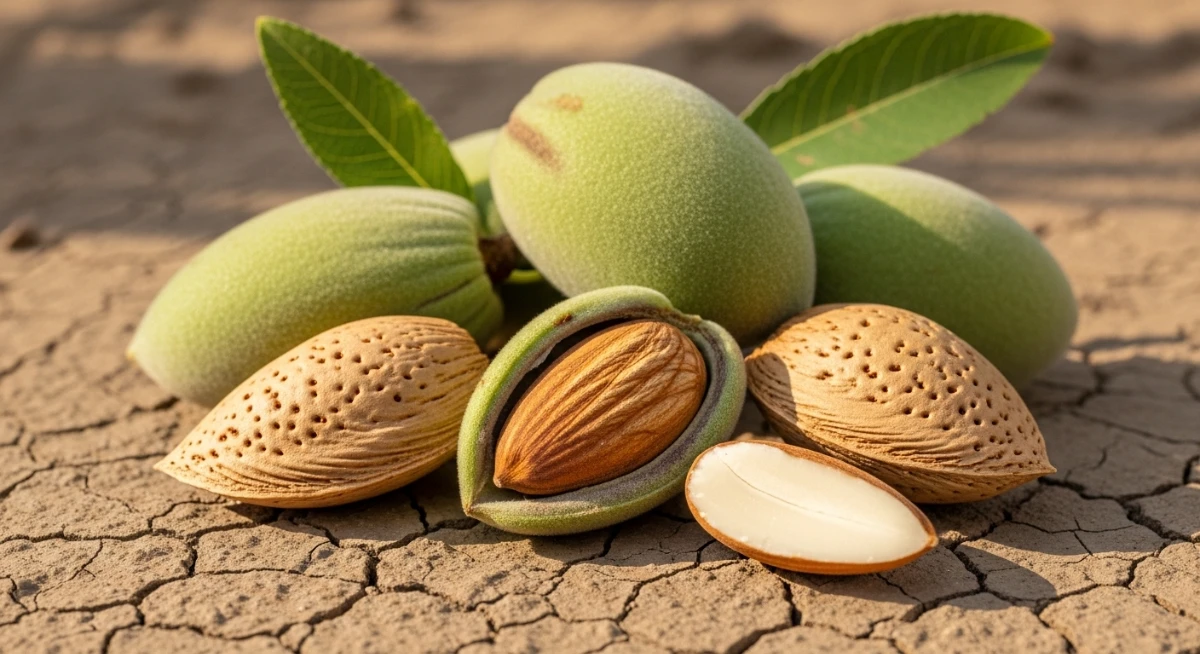
30+ Best Vegan Almond Recipes (Healthy, Easy & Delicious)
Discover the best vegan almond recipes! From creamy milk to crunchy toppings, explore healthy and easy ways to incorporate this versatile nut into your plant-ba
About almonds
Welcome to the world of almonds, a truly remarkable nut that's a staple in vegan kitchens worldwide! Known for their delicate crunch, subtle sweetness, and incredible versatility, almonds are much more than just a snack. They are a culinary superstar, transforming into everything from rich, dairy-free milks and creamy sauces to robust savory dishes and decadent desserts. Whether you enjoy them whole, slivered, ground into flour, or churned into butter, almonds offer a wealth of possibilities to elevate your plant-based cooking.
The Power of Almonds: Health Benefits for Vegans
Almonds are not just delicious; they are a nutritional powerhouse, especially beneficial for those following a vegan diet. They are an excellent source of plant-based protein, providing around 20 grams per 100 grams, which is crucial for muscle repair and overall bodily functions. Furthermore, almonds are rich in healthy fats, primarily monounsaturated and polyunsaturated fats, which support heart health and help with nutrient absorption. With over 10 grams of dietary fiber per 100 grams, they aid digestion and contribute to a feeling of fullness, making them great for managing weight.
Beyond macronutrients, almonds boast an impressive array of vitamins and minerals. They are packed with Vitamin E, a powerful antioxidant that protects cells from oxidative damage. You'll also find significant amounts of magnesium, essential for bone health and energy production; phosphorus for strong bones and teeth; potassium for blood pressure regulation; and calcium, iron, and zinc, all vital nutrients that vegans need to pay attention to in their diet. Incorporating almonds regularly can help ensure you're getting a broad spectrum of these essential micronutrients.
Selecting the Best Almonds
When choosing almonds, look for varieties that are raw, unsalted, and ideally organic. Raw almonds offer the most nutritional benefits and are perfect for soaking, blanching, or roasting at home to control flavor and texture. Inspect them for any signs of discoloration or a rancid smell, which indicates spoilage. You can find them with their skins on (providing extra fiber and antioxidants) or blanched (skin removed), depending on your recipe's needs.
Storing Almonds for Maximum Freshness
Due to their high oil content, almonds can go rancid if not stored properly. To keep them fresh and extend their shelf life, store them in an airtight container in a cool, dark place. For longer storage, the refrigerator is ideal, where they can last for several months. For even longer preservation, up to a year, place them in the freezer. This prevents the delicate oils from oxidizing and keeps their flavor intact, ensuring your almonds are always ready for your next culinary creation.
Frequently Asked Questions
Almonds are incredibly versatile. You can eat them raw, toast them in a dry pan or oven to enhance their nutty flavor, or blanch them to easily remove their skins for a smoother texture in recipes like almond milk or baking. Soaking almonds overnight can also make them easier to digest and blend into creamy concoctions.
almonds Recipes










Showing 20 of 42 recipes