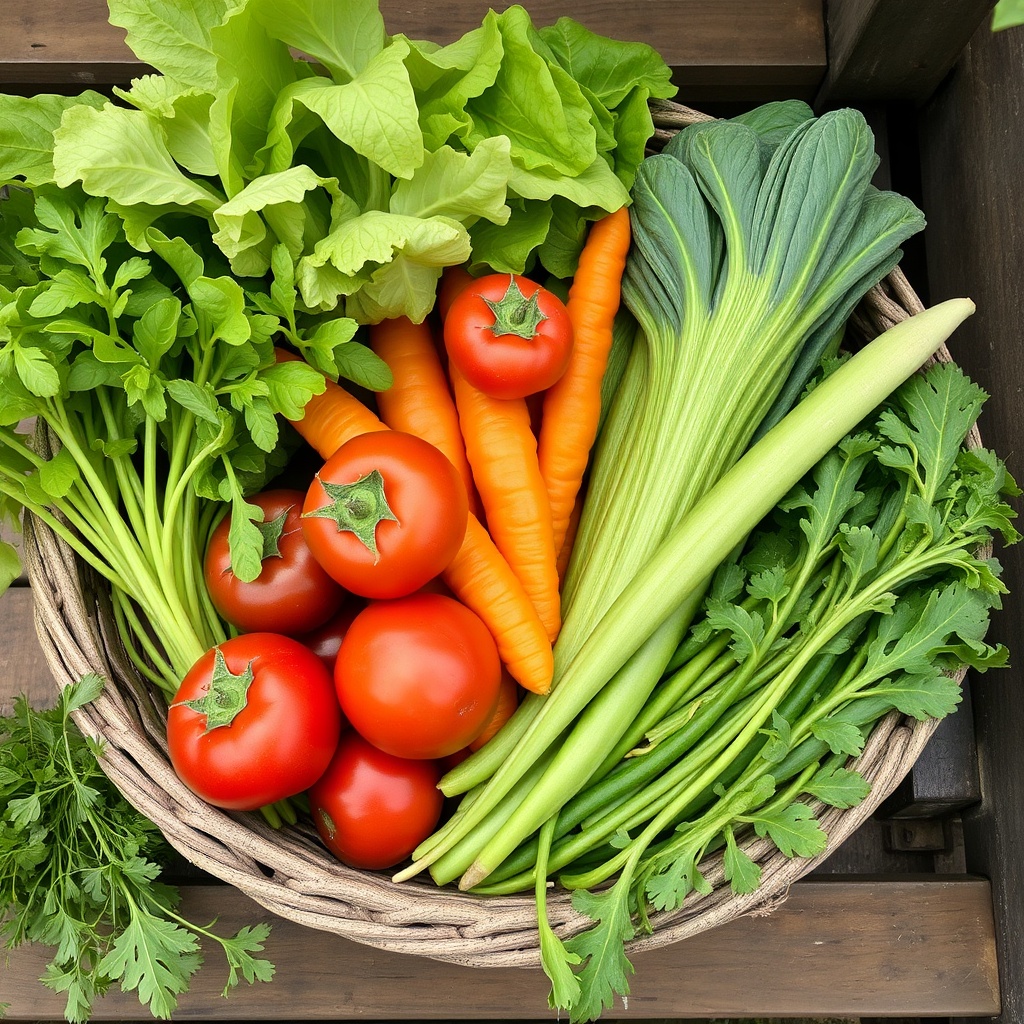
14+ Best Vegan Vegetable Recipes (Healthy & Versatile)
Explore 14+ delicious vegan vegetable recipes! Discover healthy and versatile ways to incorporate more fresh veggies into your plant-based diet, from vibrant sa
About vegetables
Welcome to the vibrant and essential world of vegetables! As the cornerstone of healthy eating, vegetables are indispensable in vegan cuisine, offering an incredible spectrum of flavors, textures, and vital nutrients. From crisp leafy greens to hearty root vegetables, these plant-based powerhouses are far more than just side dishes; they are often the stars of the show in wholesome, satisfying, and delicious vegan meals.
Health Benefits for a Vegan Lifestyle
Vegetables are nutritional goldmines, packed with vitamins, minerals, and dietary fiber, all crucial for a thriving plant-based diet. Our nutritional data for a general raw vegetable shows they are a good source of fiber (3.3g per serving), potassium (380mg), and magnesium (23mg), supporting digestive health, blood pressure regulation, and muscle function. They also provide essential micronutrients like Vitamin C (8mg) and Vitamin B-6 (0.277mg). Crucially for vegans, vegetables contribute valuable plant-based protein, with 3.3g per serving, aiding in muscle maintenance and repair. Their high fiber content promotes satiety, helps regulate blood sugar levels, and supports a healthy gut microbiome. Furthermore, the rich antioxidant profile found in various vegetables helps combat oxidative stress and inflammation, contributing to overall well-being and a reduced risk of chronic diseases. Incorporating a diverse array of vegetables ensures you're obtaining a broad spectrum of these beneficial compounds, making them a non-negotiable part of any vegan plate.
Selection Tips for Peak Freshness
To ensure you're getting the most out of your vegetables, mindful selection is key. When choosing fresh vegetables, look for vibrant colors, firm textures, and a natural sheen. Avoid any signs of wilting, discoloration, bruising, or soft spots, which are indicators of declining freshness. Leafy greens should appear crisp and bright, not limp or yellowed. Root vegetables should feel firm and heavy for their size, free from sprouts or deep cracks. Whenever possible, opt for organic vegetables to minimize exposure to pesticides, especially for items with thin skins or those eaten raw. A quick sniff test can also help identify freshness, particularly for aromatic herbs and certain fruits.
Smart Storage for Extended Life
Proper storage is vital for maintaining the freshness, flavor, and nutritional value of your vegetables. Most fresh vegetables thrive in the crisper drawer of your refrigerator, where humidity levels are optimal. It's best to store them unwashed until just before use, as excess moisture can accelerate spoilage. Leafy greens benefit from being stored in a breathable bag or wrapped loosely in a damp paper towel to retain moisture without encouraging rot. Root vegetables like carrots, potatoes, and onions prefer cool, dark, and dry places – but remember to store potatoes and onions separately, as gases emitted by onions can cause potatoes to sprout faster. Items such as tomatoes and avocados should ripen at room temperature before being moved to the refrigerator to slow further ripening. For long-term storage, freezing or canning can be excellent options for preserving peak-season produce.
Unleashing Versatility in Vegan Cooking
The culinary versatility of vegetables in vegan cooking is truly boundless. They can be transformed through various cooking methods: roasted to caramelized perfection, grilled for smoky notes, gently steamed to retain their vibrant color, sautéed quickly for a tender crunch, or stir-fried for a delicious meal. Beyond these, vegetables are perfect for puréeing into creamy soups, blending into nutrient-rich smoothies, or enjoyed raw in refreshing salads and crunchy slaws. From hearty stews and aromatic curries to satisfying pasta dishes, vibrant tacos, and innovative plant-based burgers, vegetables adapt seamlessly to countless culinary applications, making them an indispensable and exciting component of every vegan kitchen.
Frequently Asked Questions
Steaming, quick stir-frying, and light roasting are excellent methods for preserving the majority of nutrients. Overcooking, especially boiling, can lead to nutrient loss into the cooking water. Aim for tender-crisp textures to maximize both flavor and nutritional benefits, ensuring they retain their vibrant color and slight bite.
vegetables Recipes

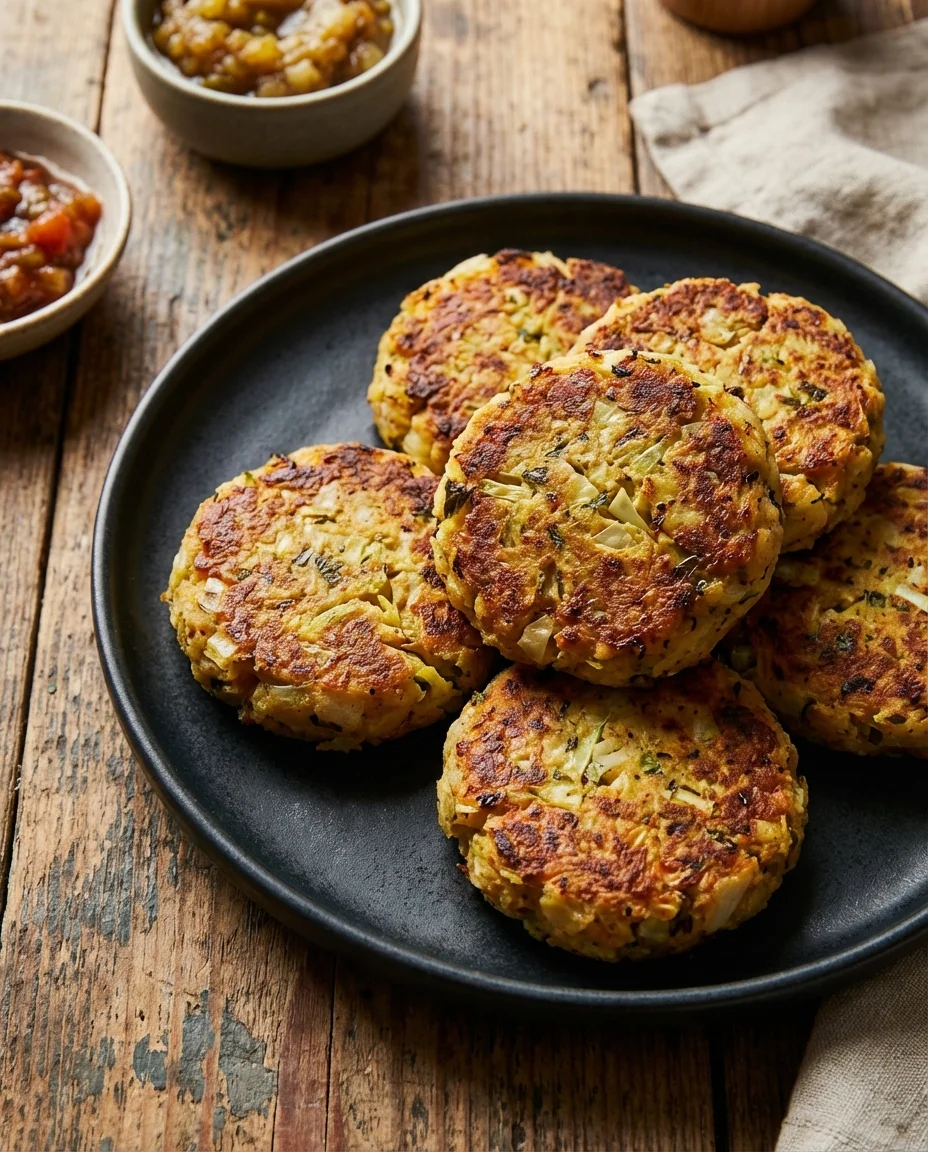



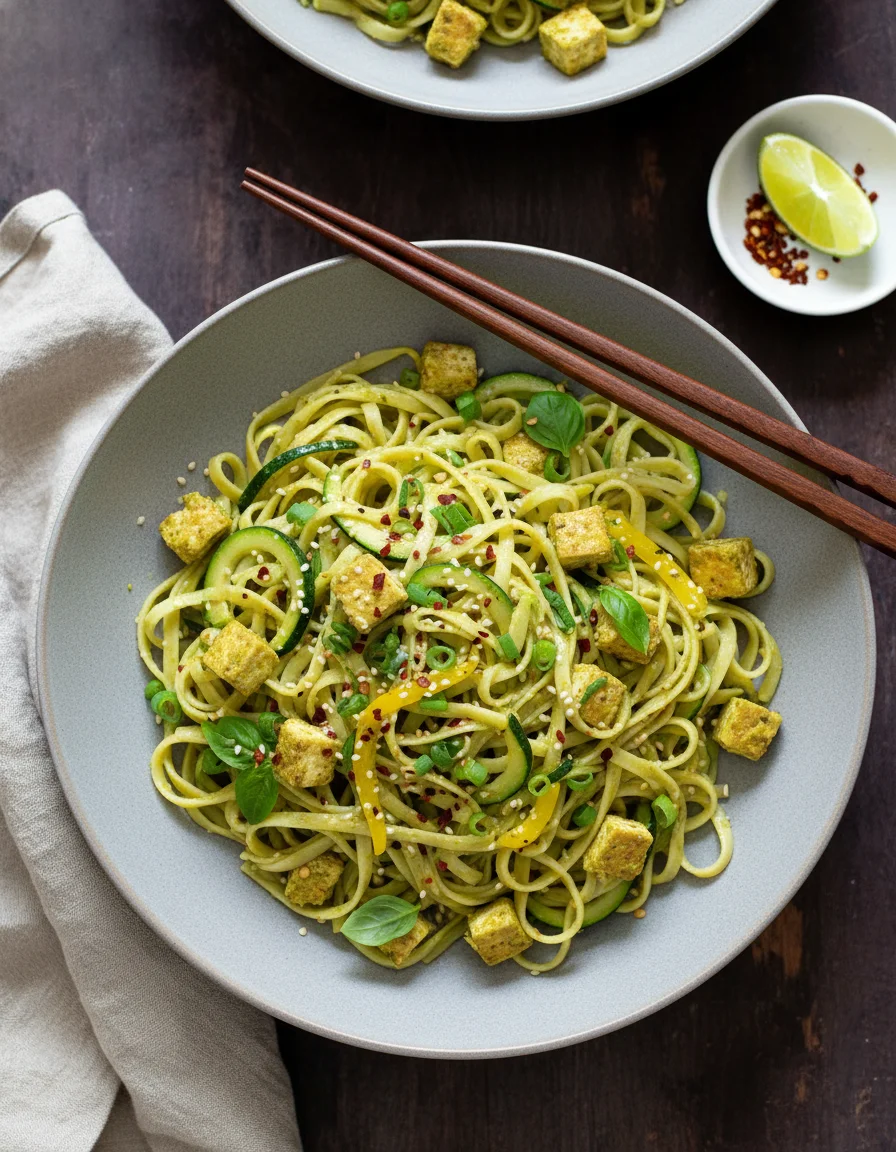

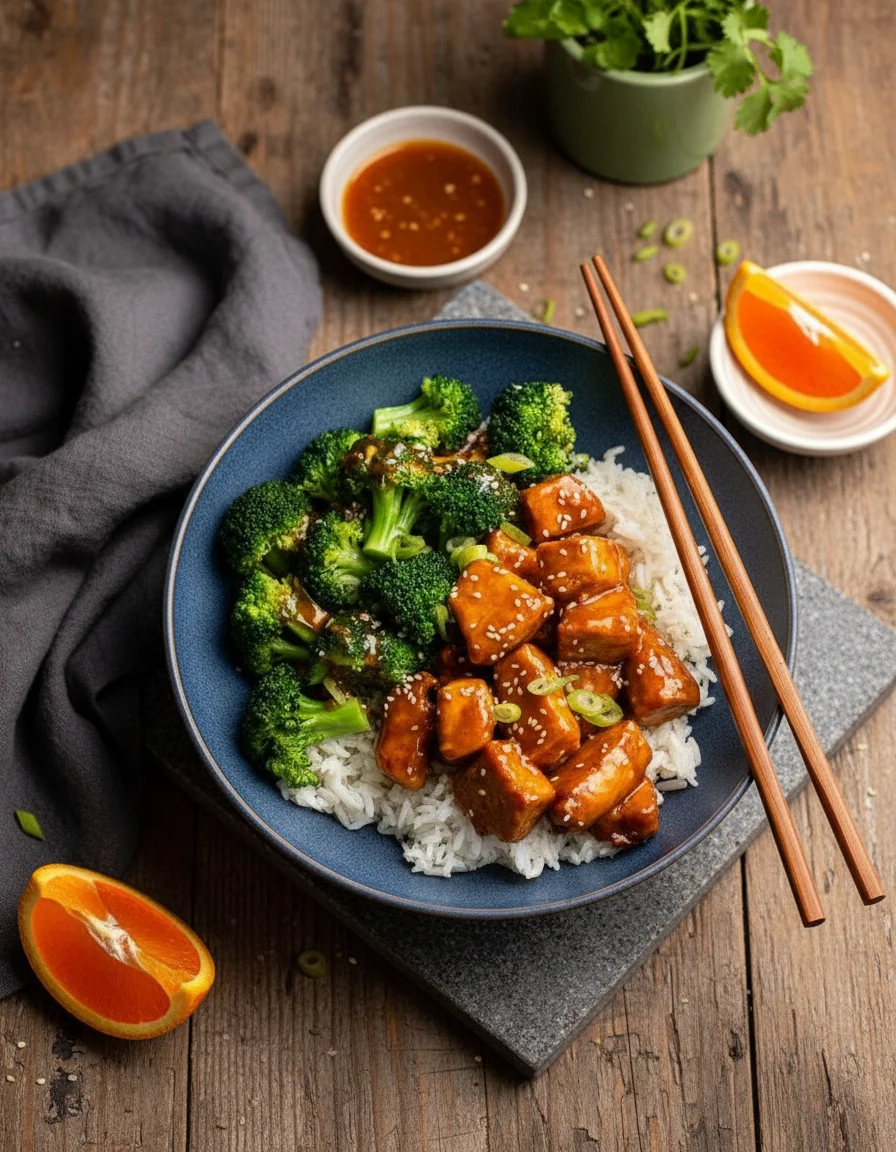
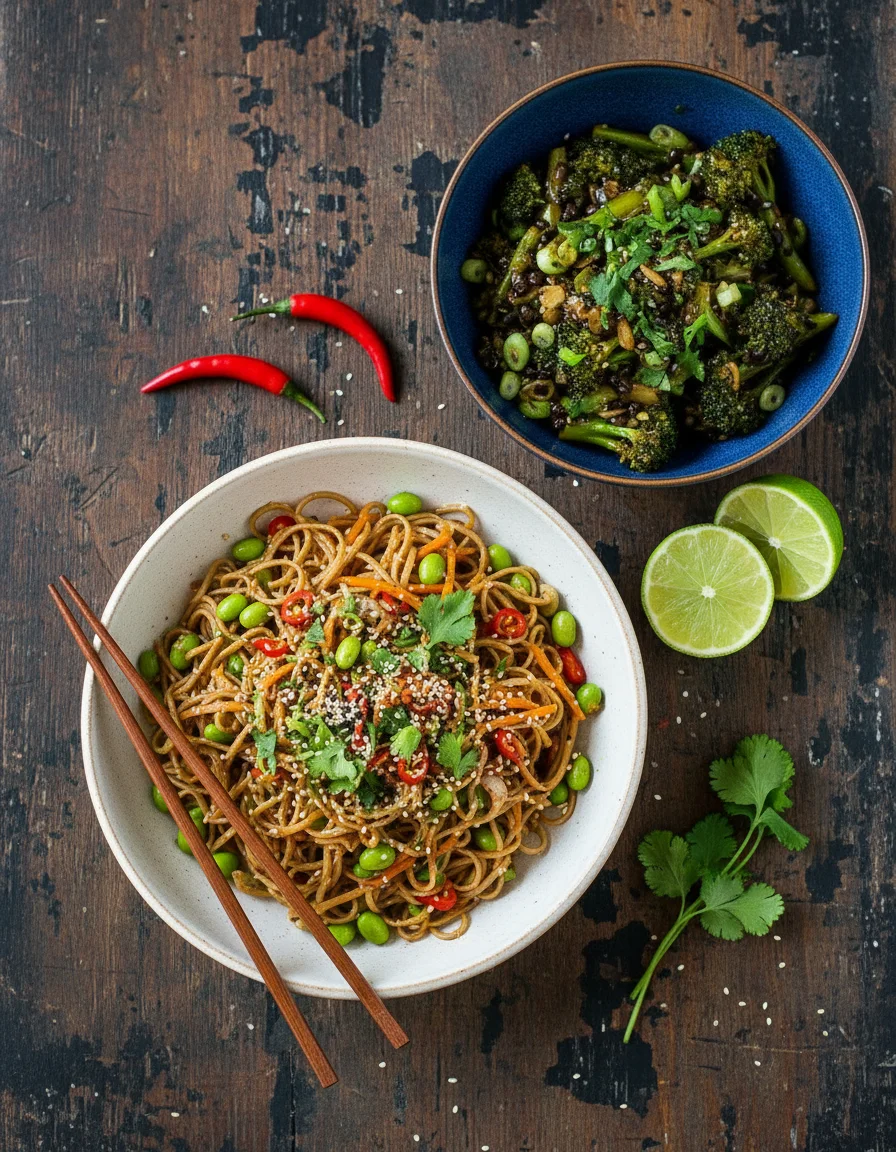
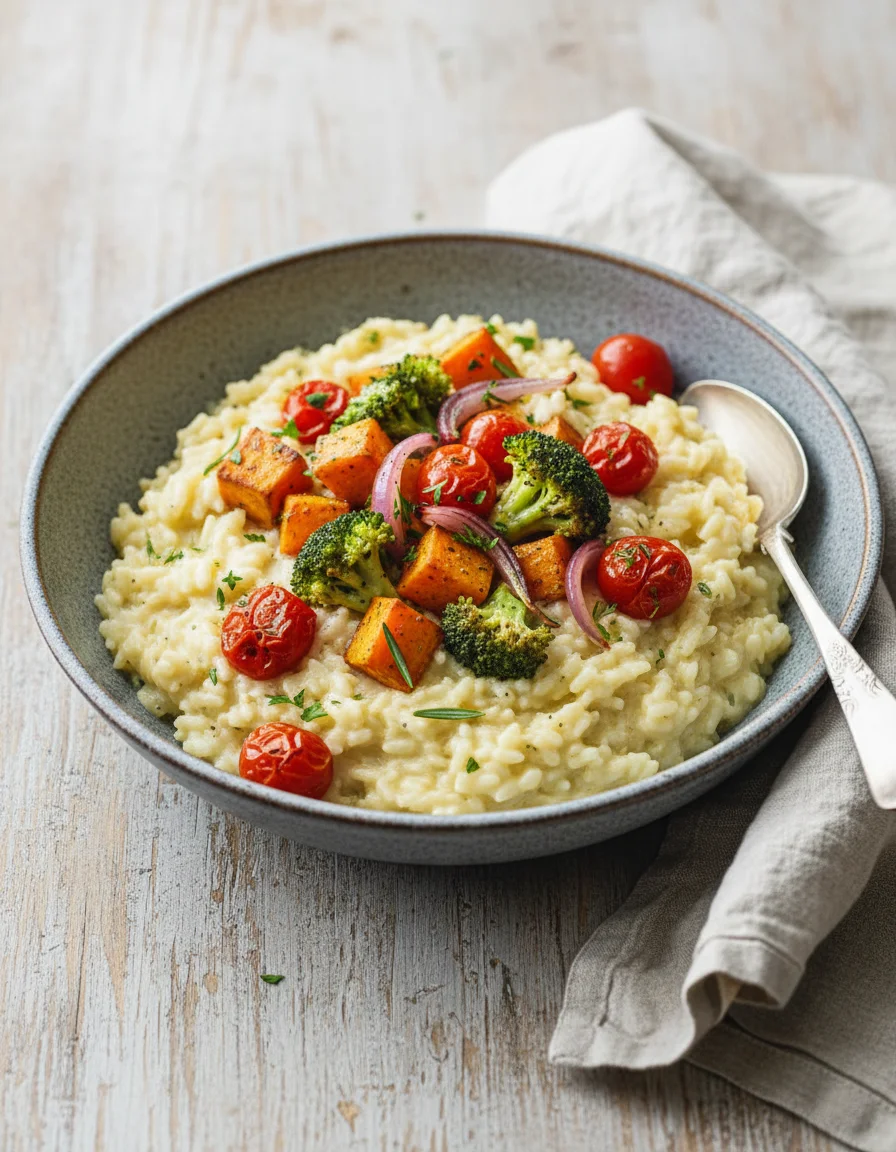



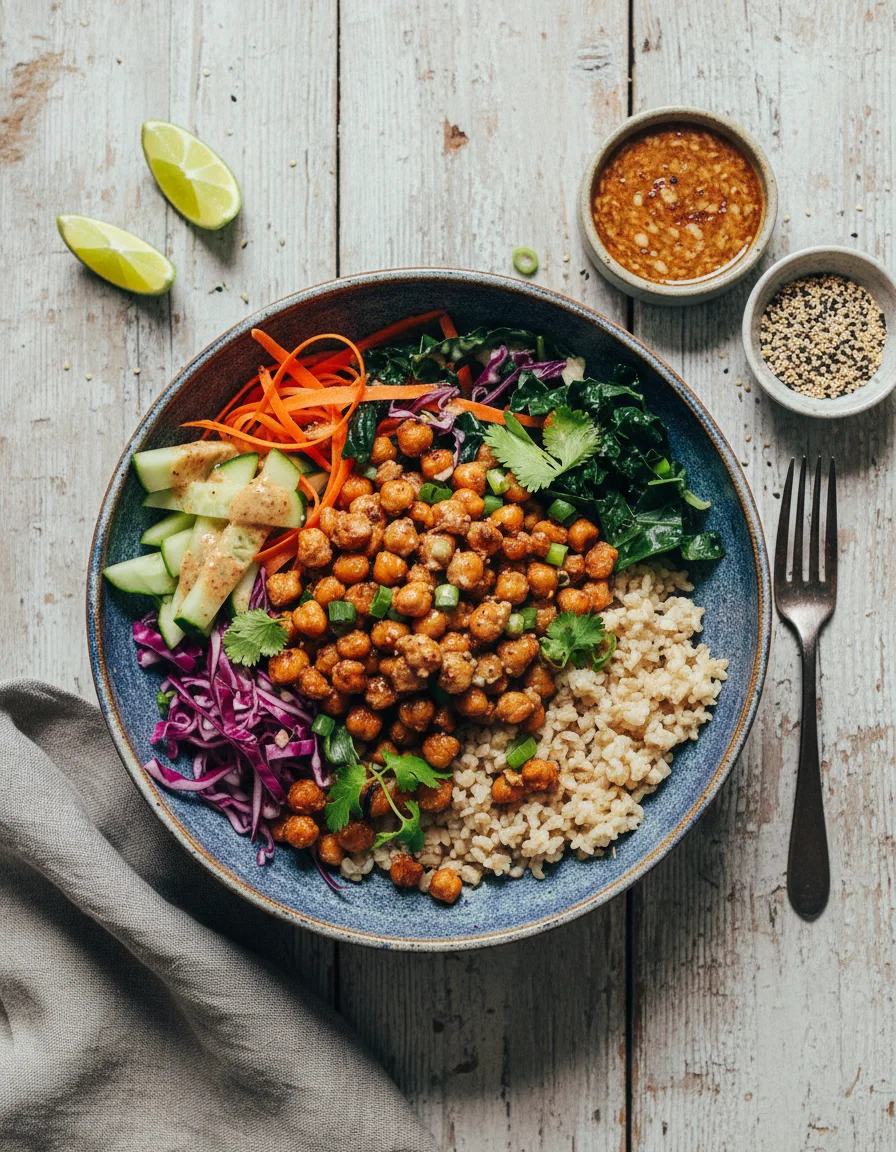
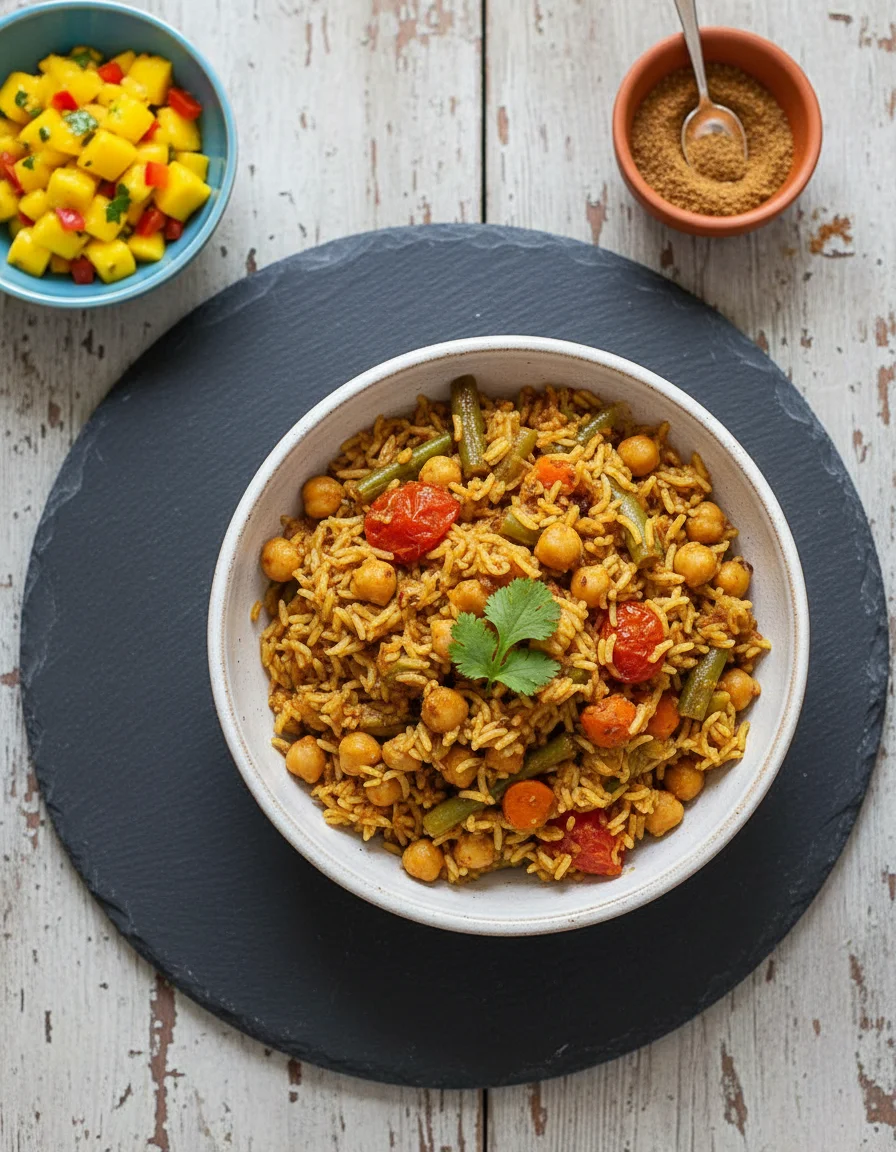


Showing 20 of 22 recipes