19+ Vegan Ice Water Uses & Recipes: Chill, Crisp & Refresh Your Plant-Based Meals
Discover the surprising versatility of ice water in vegan cooking! From crisping vegetables to making flaky pastry, learn how this simple ingredient elevates yo
About ice water
The Unsung Hero: Unleashing the Power of Ice Water in Vegan Cuisine
Often overlooked, ice water is a remarkably versatile and essential ingredient in countless vegan recipes. Far more than just cold water, its specific temperature plays a critical role in various culinary techniques, transforming textures, enhancing freshness, and ensuring successful outcomes in everything from light, airy pastries to crisp, vibrant vegetables. For the vegan cook, understanding how to harness the power of ice water can elevate everyday dishes to gourmet status, proving that sometimes the simplest ingredients hold the most potential.
Health Benefits: More Than Just Hydration
While plain water is fundamental for hydration, supporting metabolic functions, and aiding digestion, ice water brings additional, indirect health benefits to your vegan diet. Using ice water for blanching and shocking vegetables, for instance, helps lock in nutrients, preserve vibrant colors, and maintain a pleasant, crisp texture, encouraging greater consumption of wholesome plant foods. For vegan baking, it can reduce the need for excessive fats by improving the structure of doughs, leading to lighter, healthier baked goods. Proper hydration, facilitated by refreshing ice water, is also key to energy levels and overall well-being, crucial for maintaining a vibrant plant-based lifestyle.
Selecting and Storing Ice Water for Optimal Results
Selecting the Best Water
- Filtered Water: For culinary applications where water flavor matters (e.g., drinks, sensitive batters), using filtered water is highly recommended. It ensures a neutral taste and is free from impurities that might affect your dish.
- Clean Ice: If making ice, ensure your ice cube trays or ice maker are clean and free from freezer odors. Store ice in a sealed container to prevent it from absorbing smells.
Storage Tips
- Ice Cubes: Keep a steady supply of ice cubes in your freezer, ideally in an airtight container or bag to prevent freezer burn and odor absorption.
- Chilled Water: For recipes requiring very cold water, prepare it in advance. Fill a pitcher with water and ice cubes, let it sit for 10-15 minutes, then strain out the ice to ensure pure, chilled water. You can store this in the refrigerator for up to 24 hours.
Versatility in Vegan Cooking: A Culinary Game Changer
Ice water's role in vegan cooking extends far beyond just cooling down a drink. It's a secret weapon for:
- Crisping Vegetables: A quick ice bath can revive wilted greens and make blanched vegetables incredibly vibrant and crunchy.
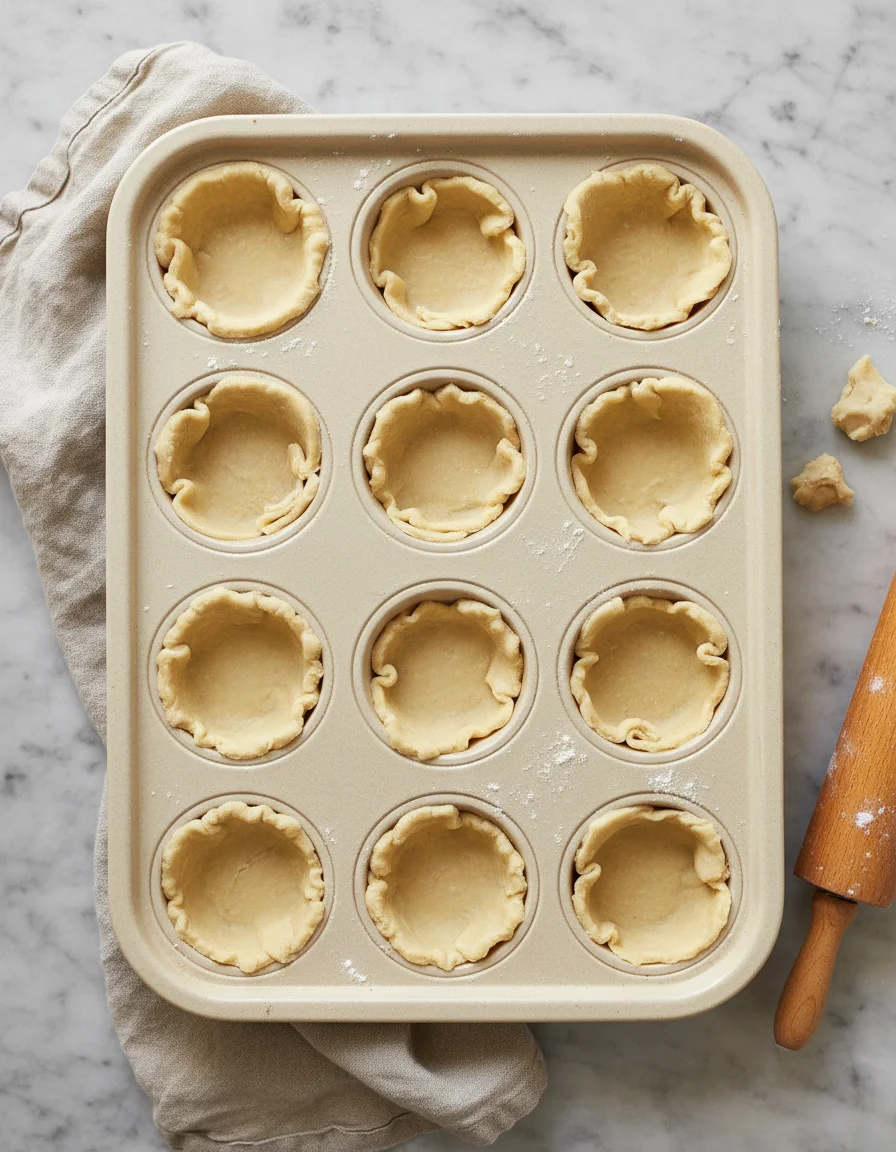
- Flaky Pastry & Doughs: Keeping fats (like vegan butter or shortening) cold when making pie crusts, biscuits, or puff pastry prevents them from melting too quickly, resulting in tender, flaky layers.
- Tempura & Fried Foods: Using ice-cold water in batter creates a lighter, crispier coating by inhibiting gluten development and creating steam pockets during frying.
- Stopping the Cooking Process: Essential for blanching vegetables to preserve color, texture, and nutrients.
- Setting Vegan Gels: For recipes using agar-agar or other plant-based gelling agents, an ice bath can speed up and improve the setting process.
- Refreshing Beverages: The most obvious use, for chilling homemade lemonades, iced teas, smoothies, and more without dilution if using ice made from the beverage itself.
Embrace ice water in your vegan kitchen, and you'll soon discover it's an indispensable tool for achieving professional results and enhancing the appeal of your plant-based creations.
Frequently Asked Questions
To make ice water, simply combine filtered water with a generous amount of ice cubes in a bowl or pitcher. Let it sit for 5-10 minutes to reach optimal coldness, then remove the ice if the recipe calls for just "ice water" (not with ice still in it). For chilling vegetables, plunge them directly into the ice bath immediately after blanching. For doughs, gradually add cold water until the desired consistency is achieved, ensuring the fats remain very cold.
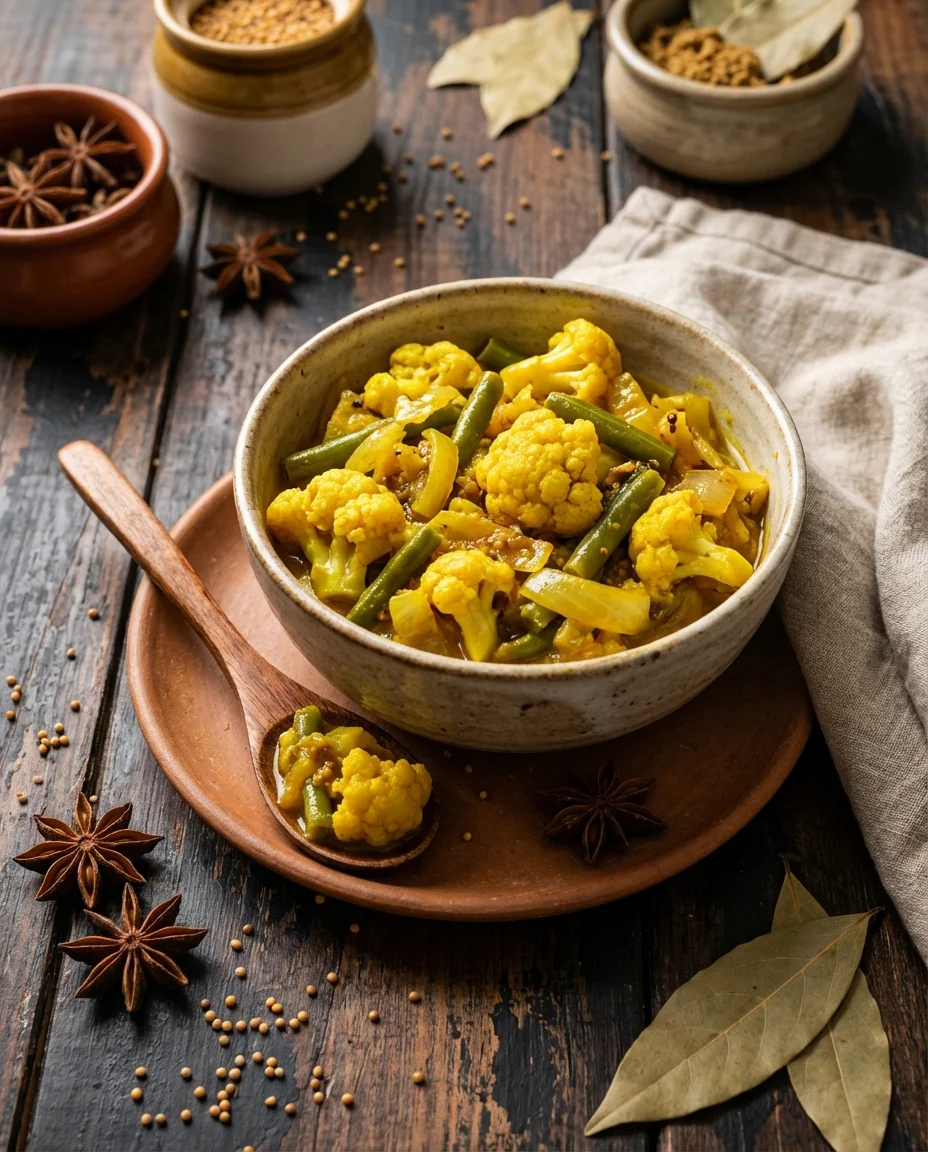
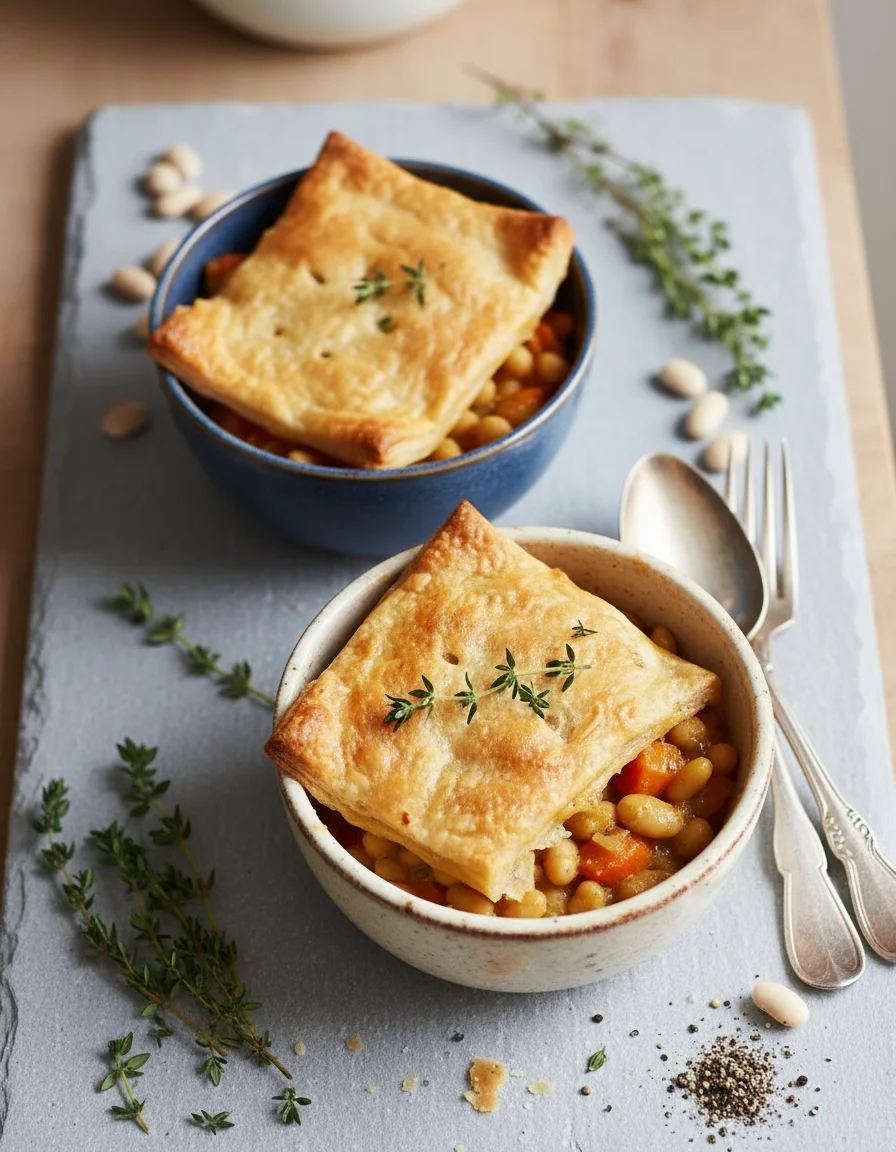
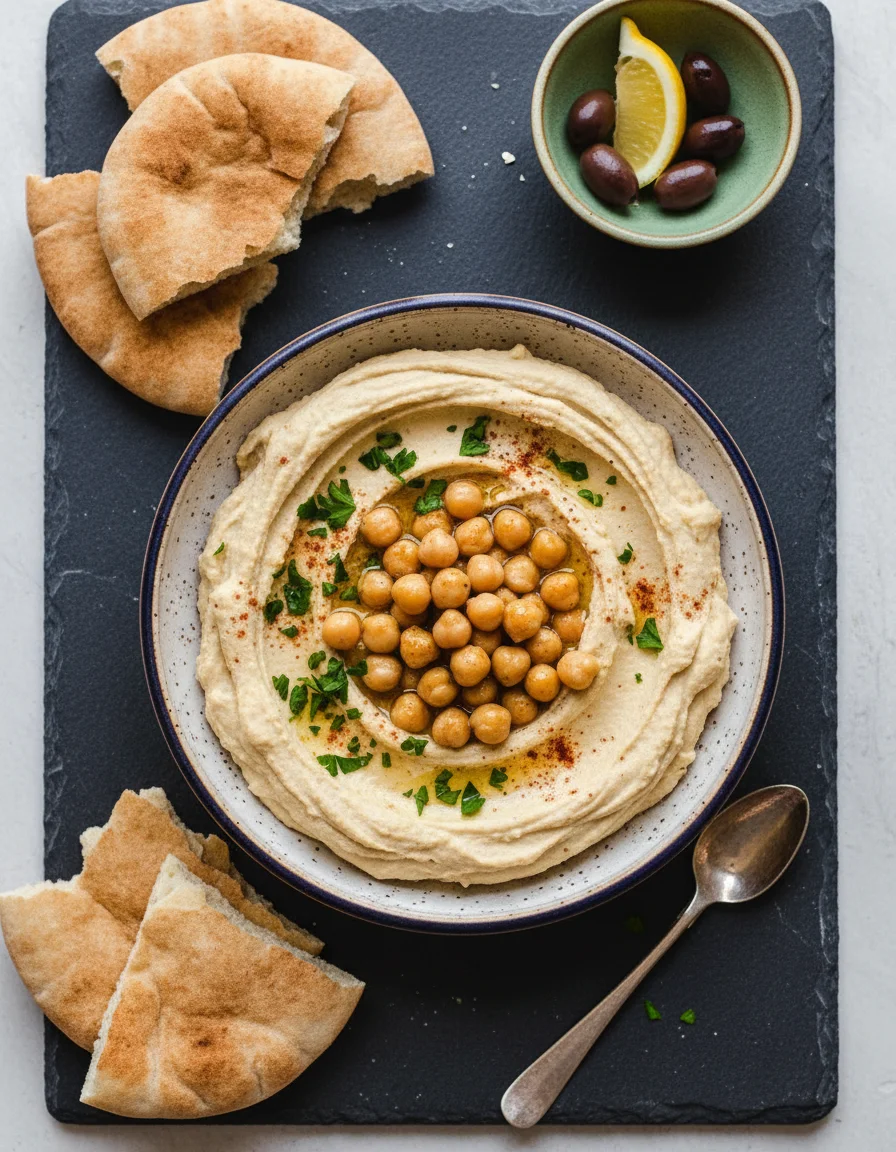
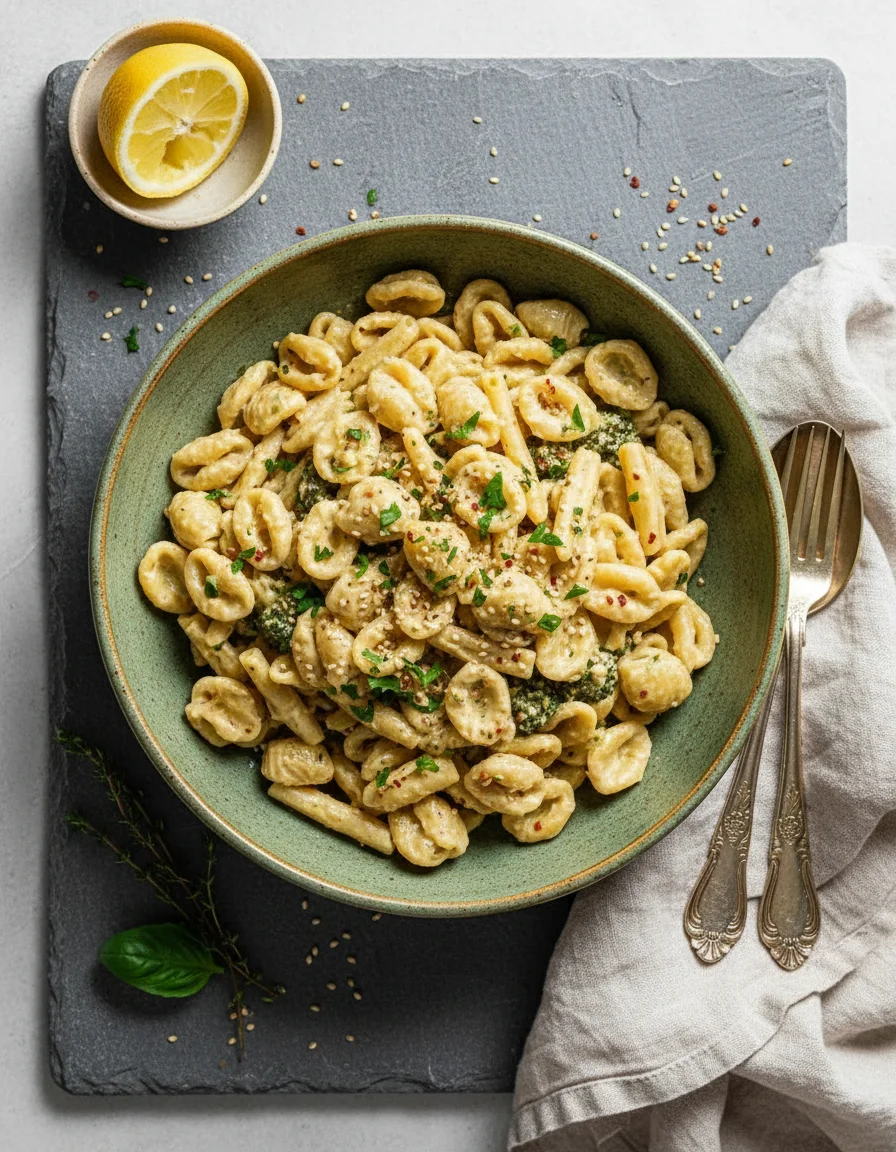
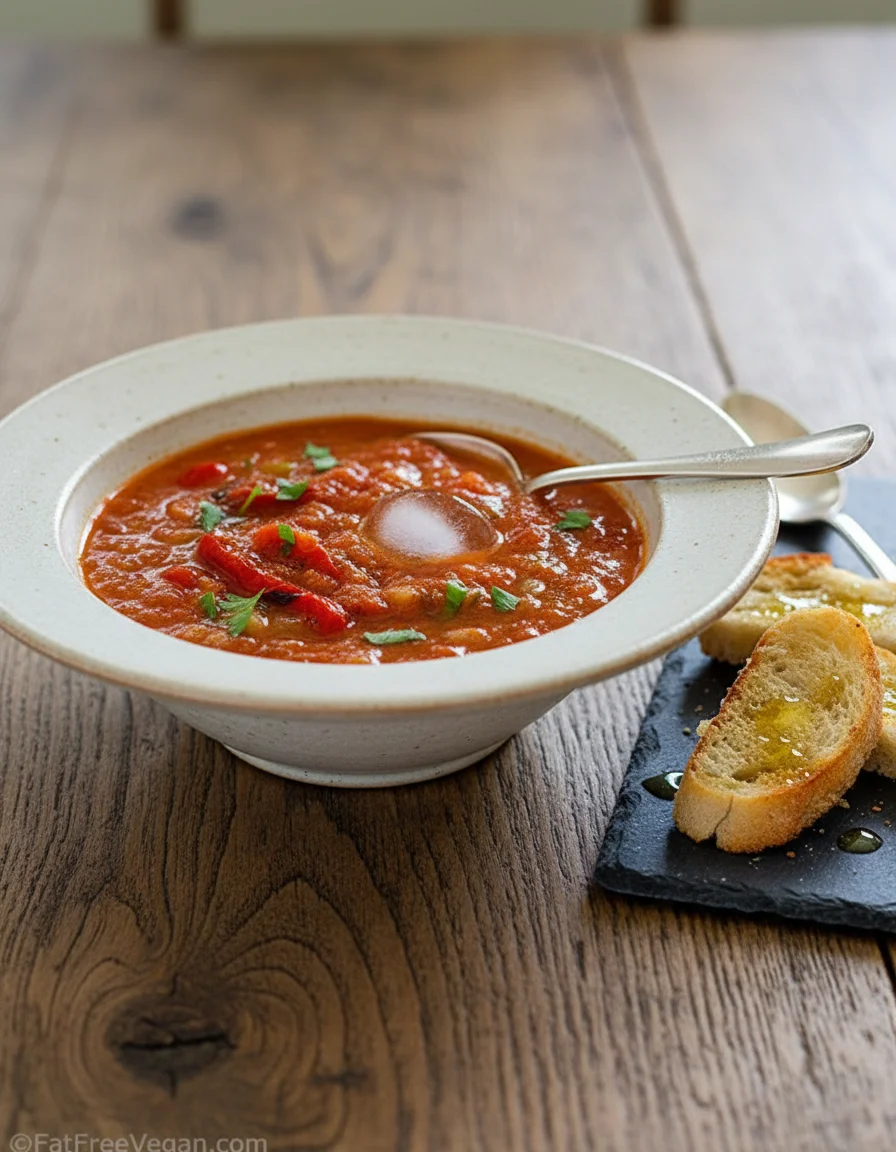
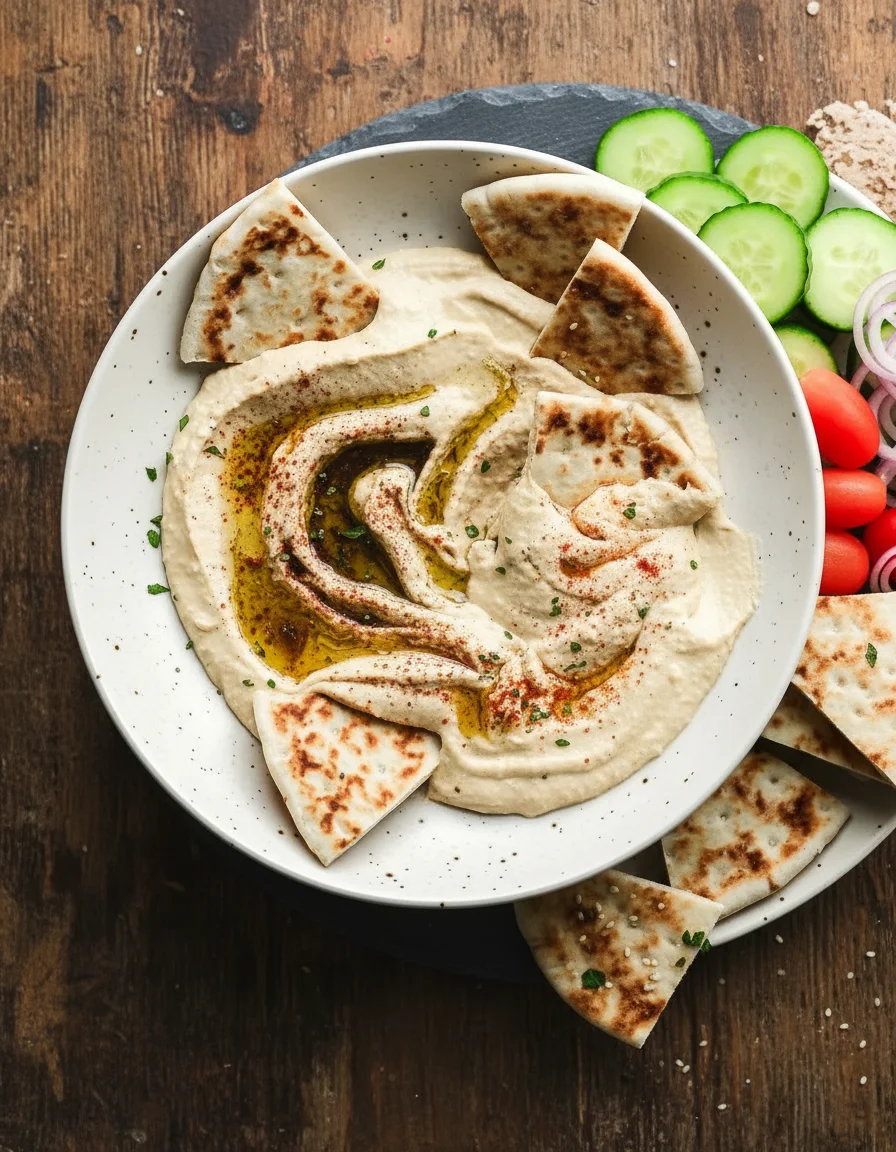
ice water Recipes







Showing 20 of 30 recipes