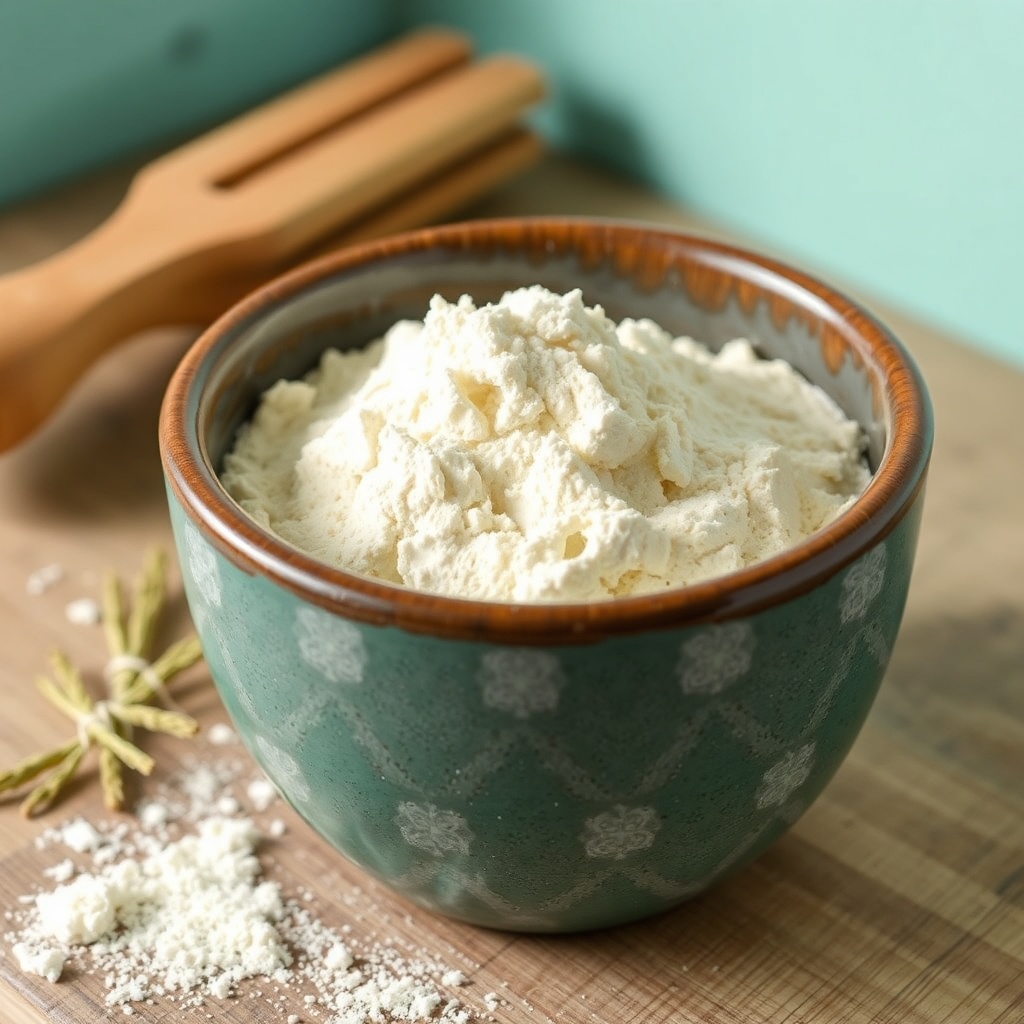
41+ Best Vegan Gluten-Free Flour Recipes (Healthy & Delicious)
Discover healthy and delicious vegan recipes using gluten-free flour! From fluffy pancakes to savory breads, explore versatile options for every meal. Gluten-fr
About gluten free flour
Welcome to the wonderful world of gluten-free vegan cooking and baking! Gluten-free flour has become a cornerstone for those with gluten sensitivities, celiac disease, or simply anyone looking to diversify their diet. Far from being a mere compromise, gluten-free flours open up a universe of textures and flavors, allowing you to enjoy all your favorite baked goods and savory dishes in a plant-based, gluten-friendly way. Our site features over 41 incredible vegan recipes that utilize the versatility of gluten-free flour, ensuring that your culinary adventures are both inclusive and incredibly delicious.
Health Benefits of Gluten-Free Flour in a Vegan Diet
Incorporating gluten-free flour into your vegan diet brings a host of nutritional advantages. While compositions vary by blend, many gluten-free flours are excellent sources of essential nutrients. Based on typical compositions, gluten-free bread flour provides a good amount of plant-based protein, offering approximately 10 grams per cup, which is vital for muscle repair and growth. It's also a valuable source of dietary fiber, contributing around 3.3 grams per cup, supporting digestive health and promoting satiety. Furthermore, some blends can provide essential minerals like iron, with approximately 2.4 mg per cup, crucial for energy and blood health. Naturally low in sugar and saturated fat, gluten-free flours allow for a healthier foundation for a wide array of vegan dishes, making them a smart choice for a balanced diet.
Selecting the Best Gluten-Free Flour
Choosing the right gluten-free flour depends on your recipe and preferences. For baking, many recipes call for a 'gluten-free all-purpose blend,' which typically combines several flours (like rice, tapioca, potato starch) often with a gum (like xanthan or guar) to mimic the elasticity of gluten. When selecting, look for certified gluten-free labels to ensure no cross-contamination. Consider your specific needs: brown rice flour offers a slightly nutty flavor, oat flour adds chewiness, almond flour provides richness and protein, while tapioca and potato starch are excellent for thickening and achieving a crispy texture. Always check the ingredient list for quality and freshness.
Storage Tips to Keep Your Flour Fresh
Proper storage is key to maintaining the freshness and extending the shelf life of your gluten-free flour. Store all types of gluten-free flour in an airtight container to protect it from moisture, pests, and off-odors. Keep it in a cool, dark, and dry pantry. For flours with higher fat content, such as almond flour or oat flour, or if you live in a humid climate, refrigeration or even freezing is highly recommended. This prevents rancidity and ensures your flour stays fresh for longer, preserving its flavor and baking qualities. Labeling with the purchase date can also help you keep track of its freshness.
Frequently Asked Questions
Using gluten-free flour in vegan recipes often requires a slightly different approach than traditional wheat flour. Many gluten-free flours absorb more liquid, so you might need to adjust liquid amounts. For baking, especially yeasted goods, using a gluten-free all-purpose blend that contains xanthan or guar gum is often recommended to help with structure and elasticity, as gluten-free flours lack the natural binding properties of gluten. If your blend doesn't contain gum, you might need to add a small amount (typically 1/4 to 1 teaspoon per cup of flour) to your recipe. Gluten-free flour is also excellent for thickening sauces, gravies, and as a coating for frying vegan proteins or vegetables.
gluten free flour Recipes

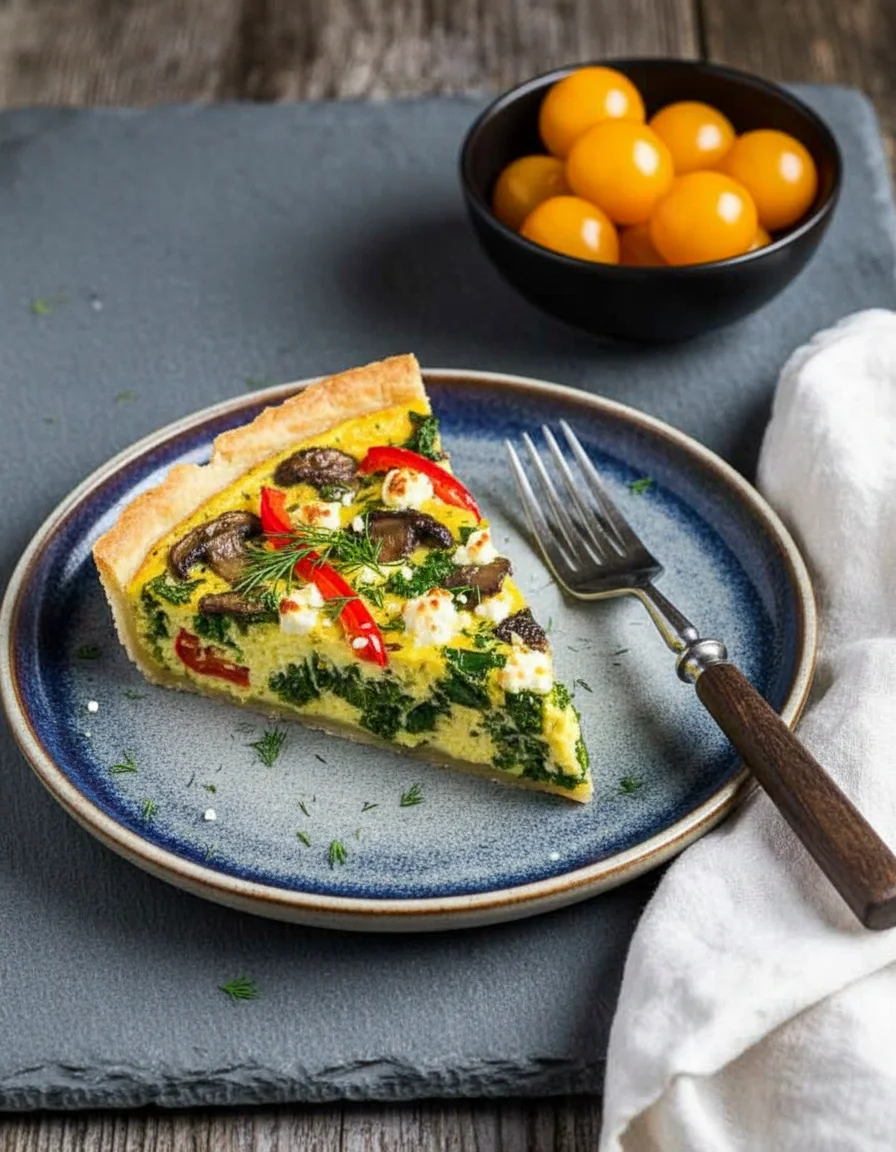
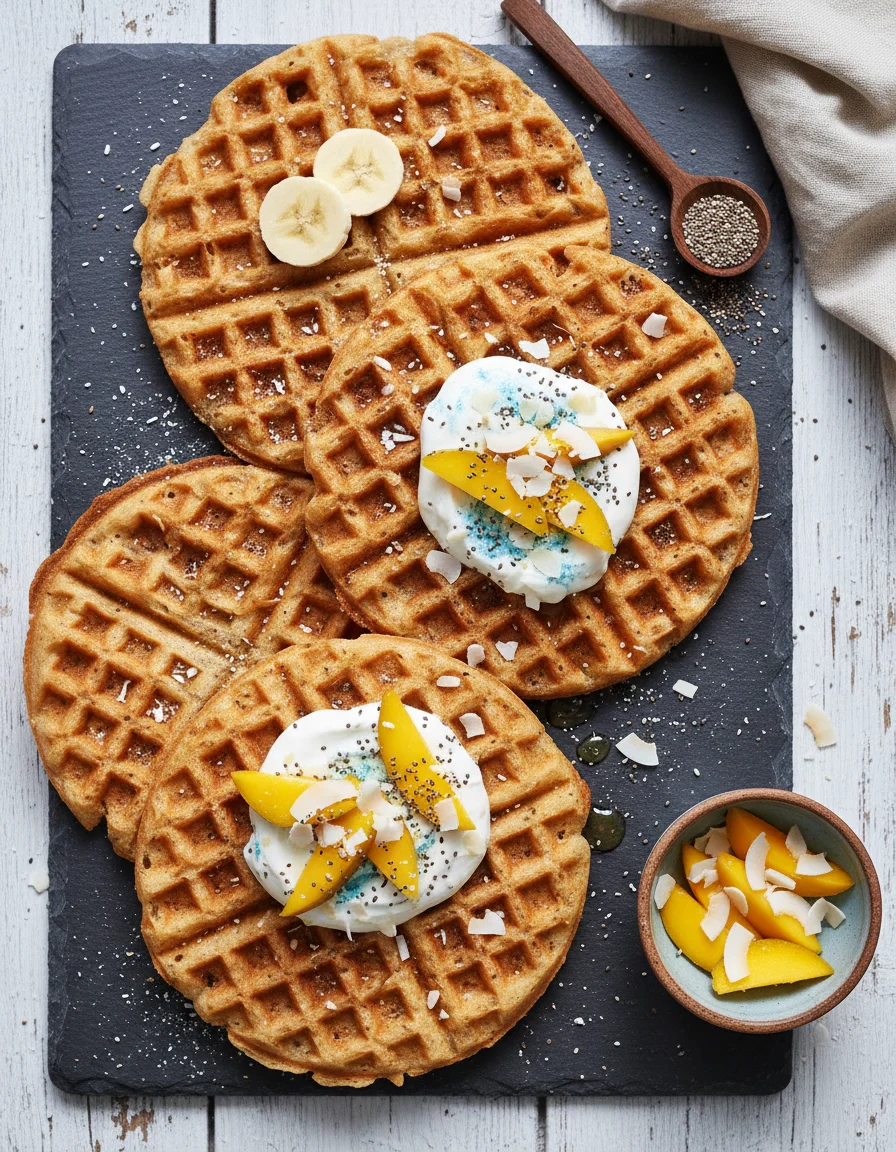
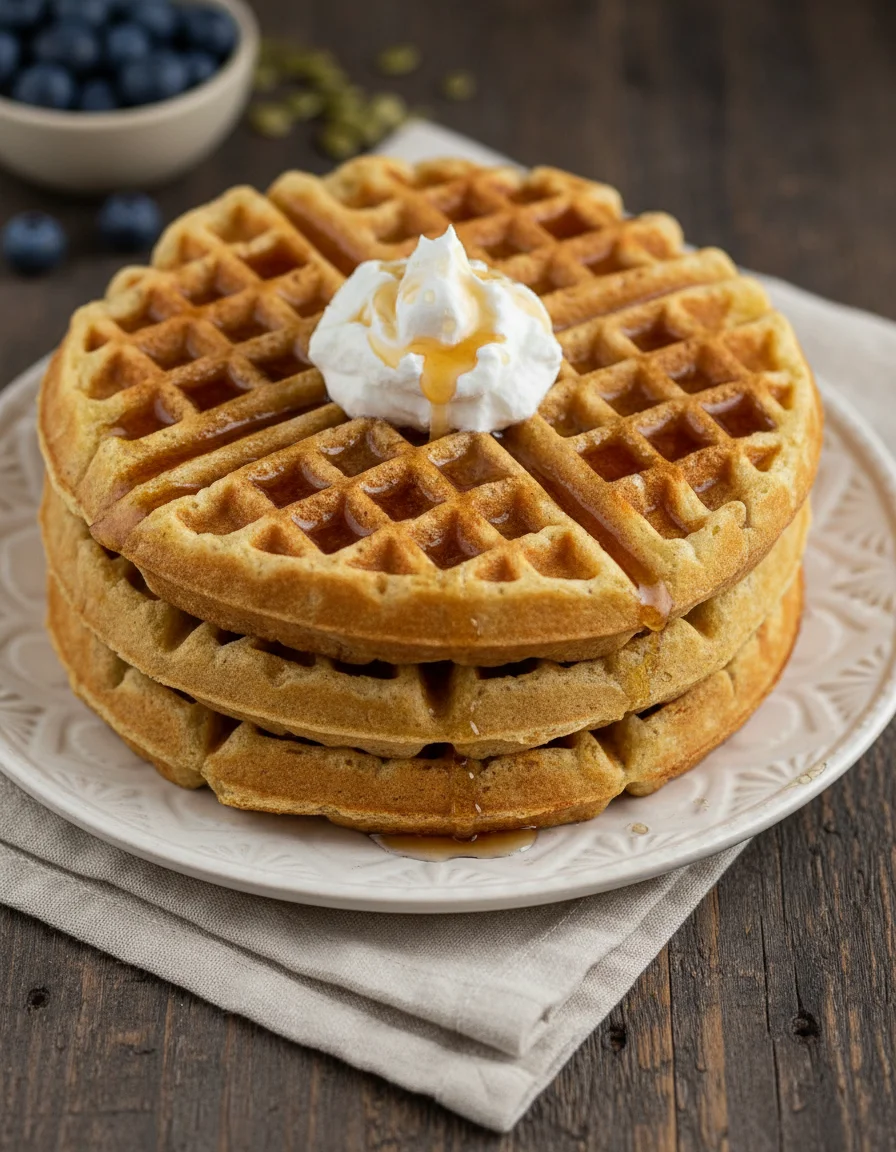

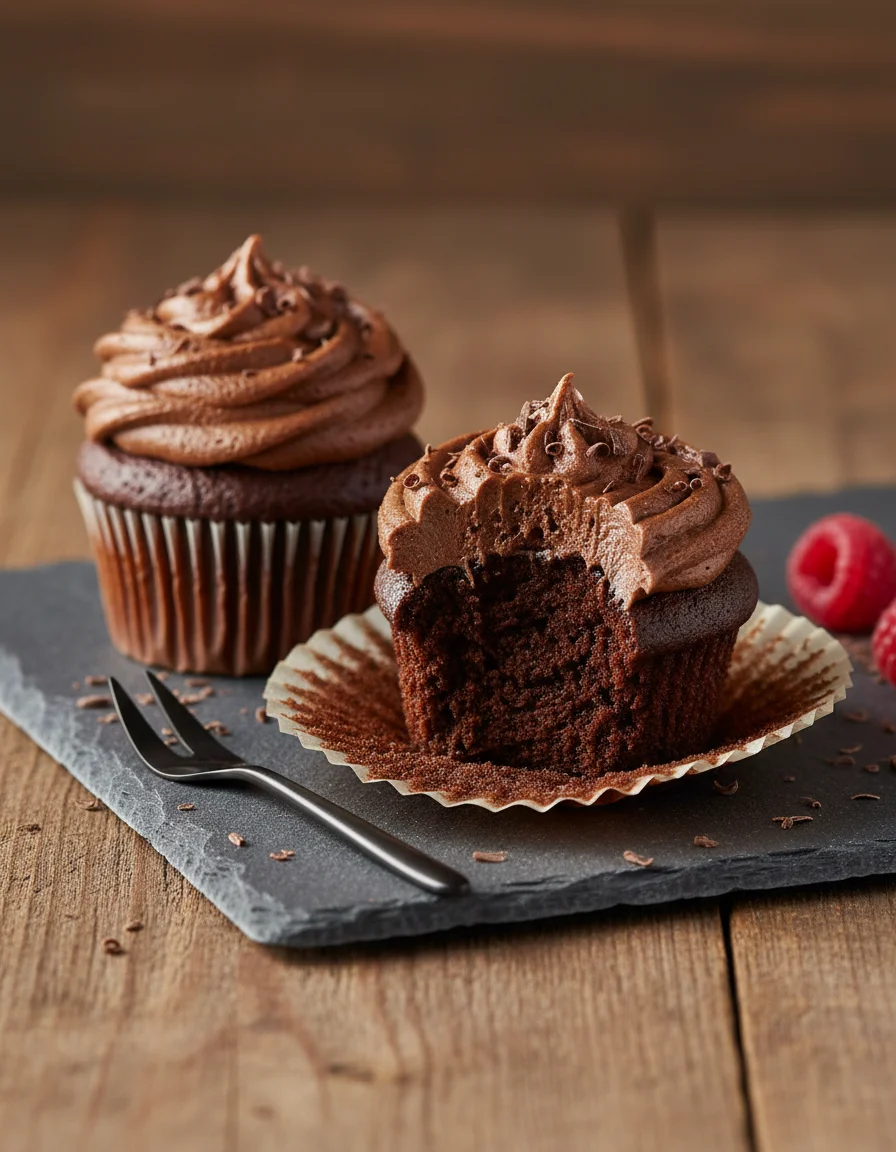
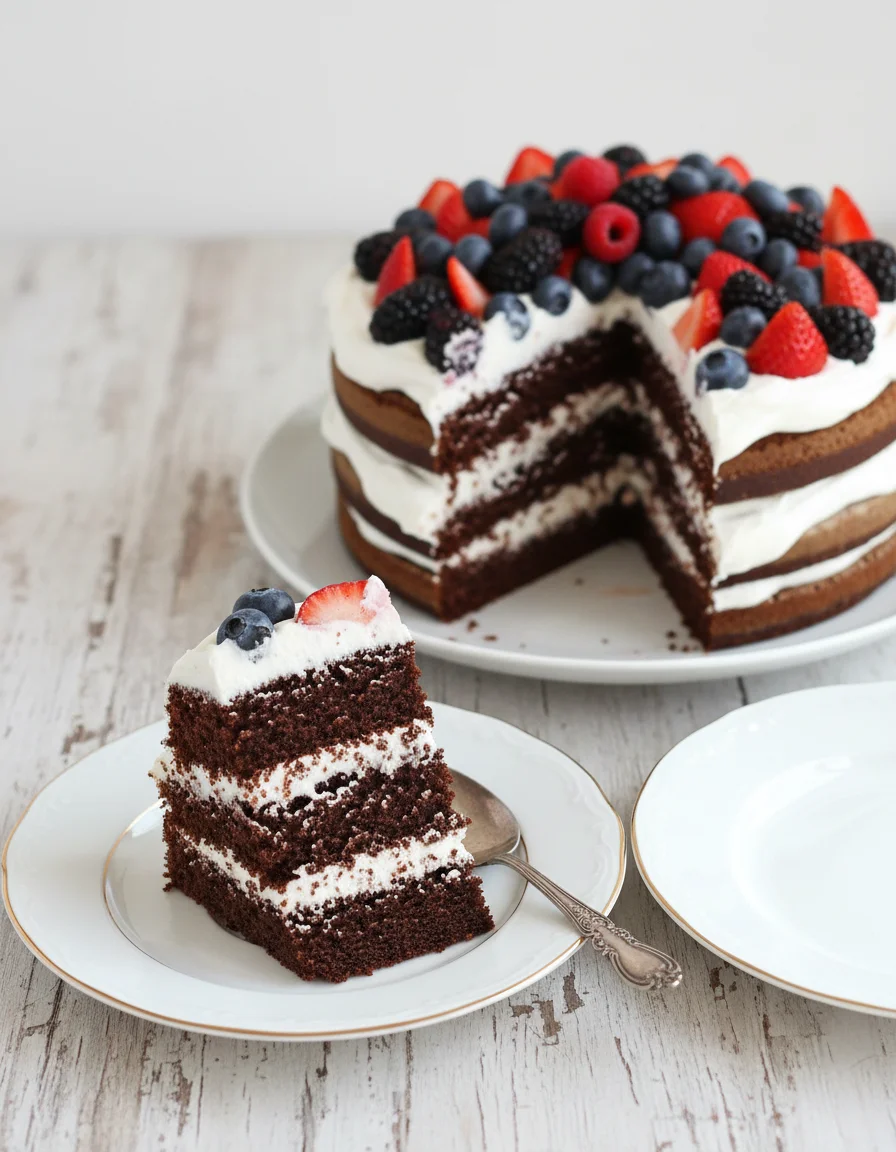

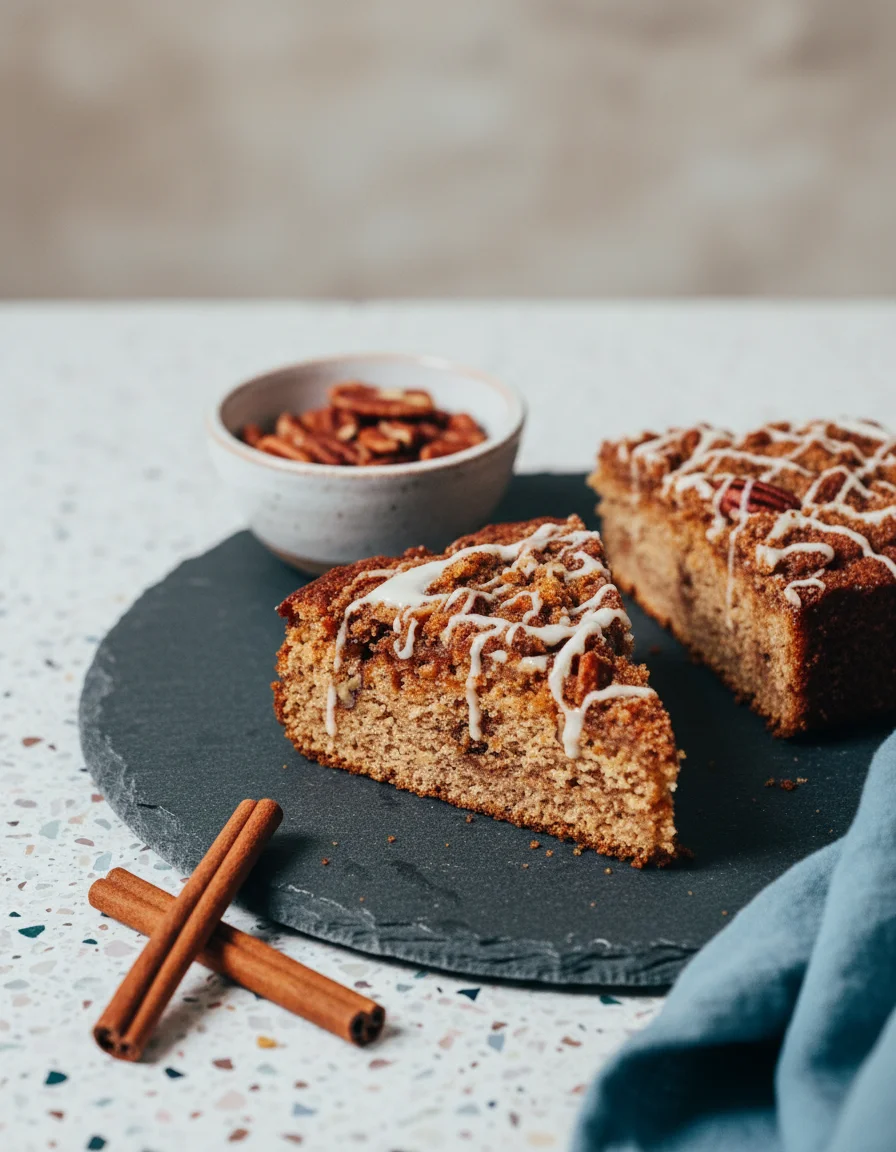


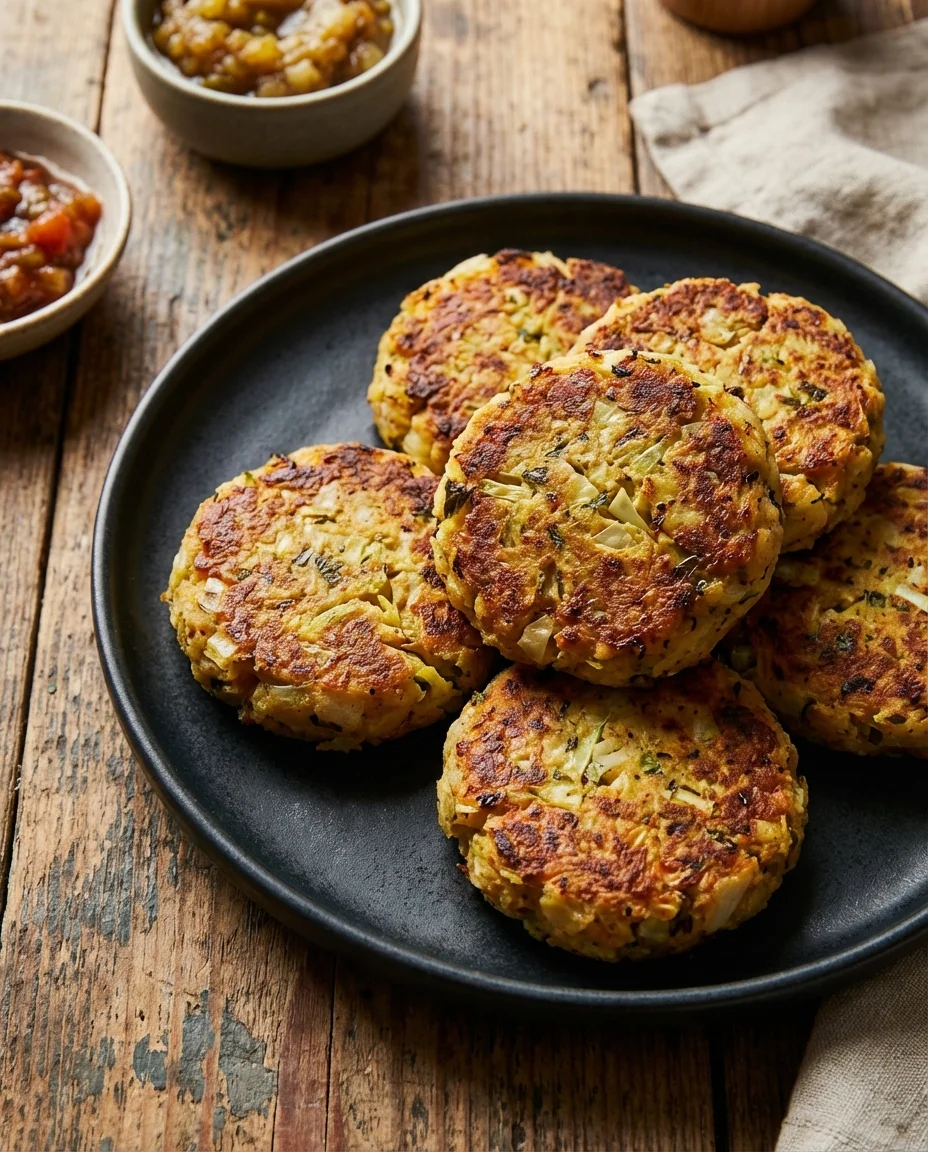

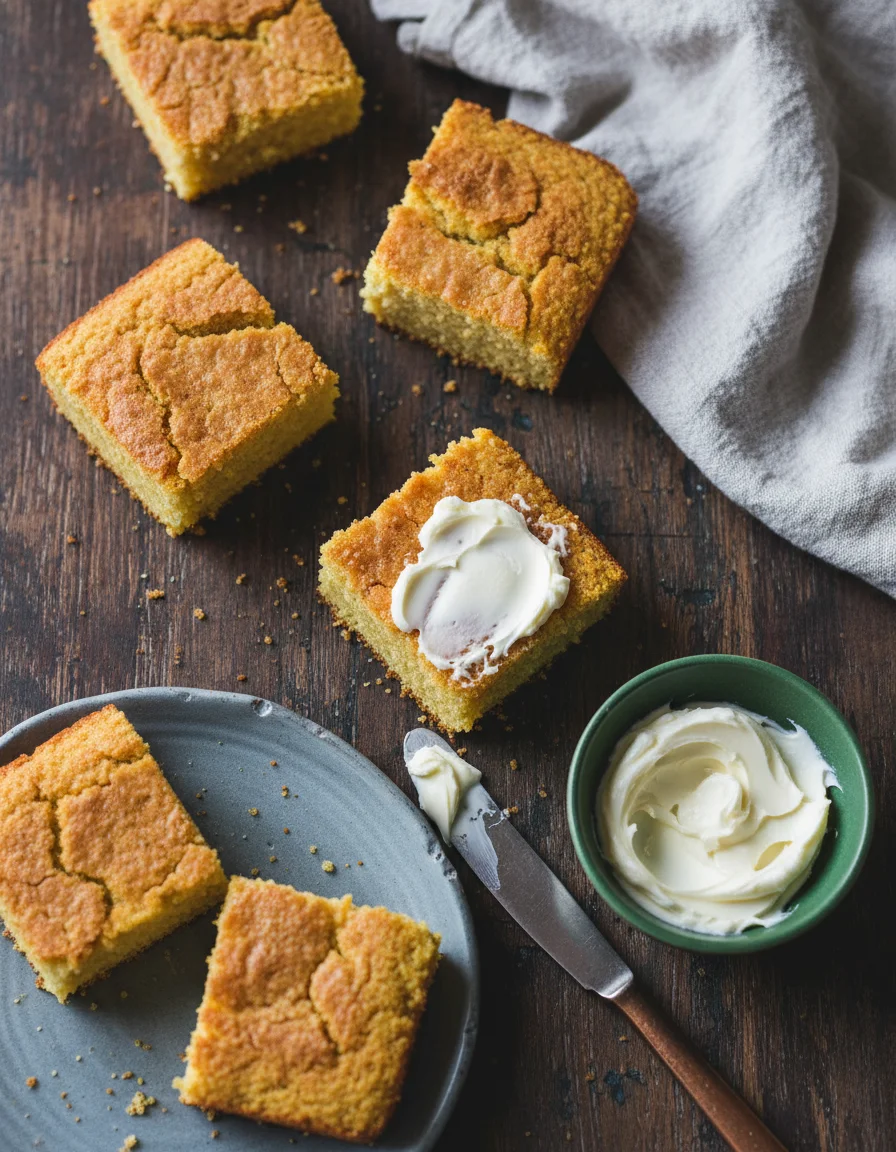

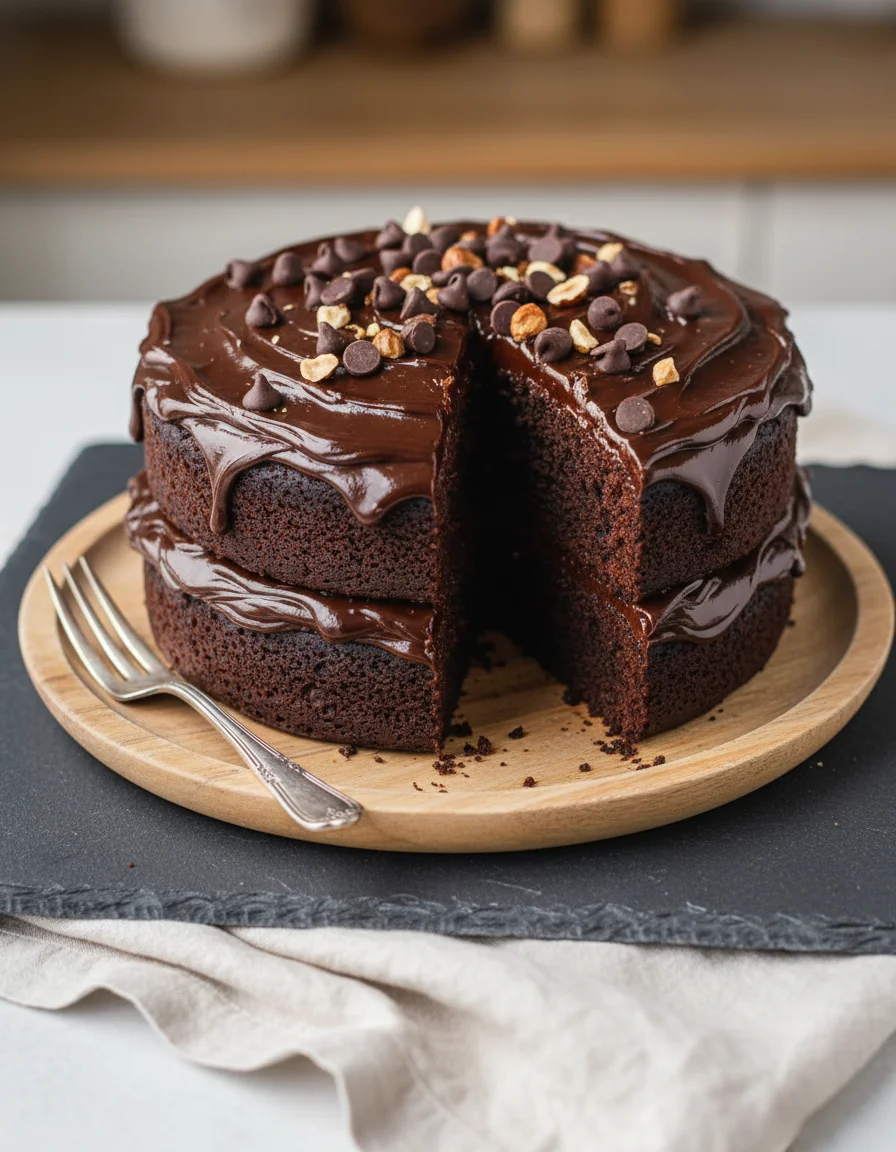


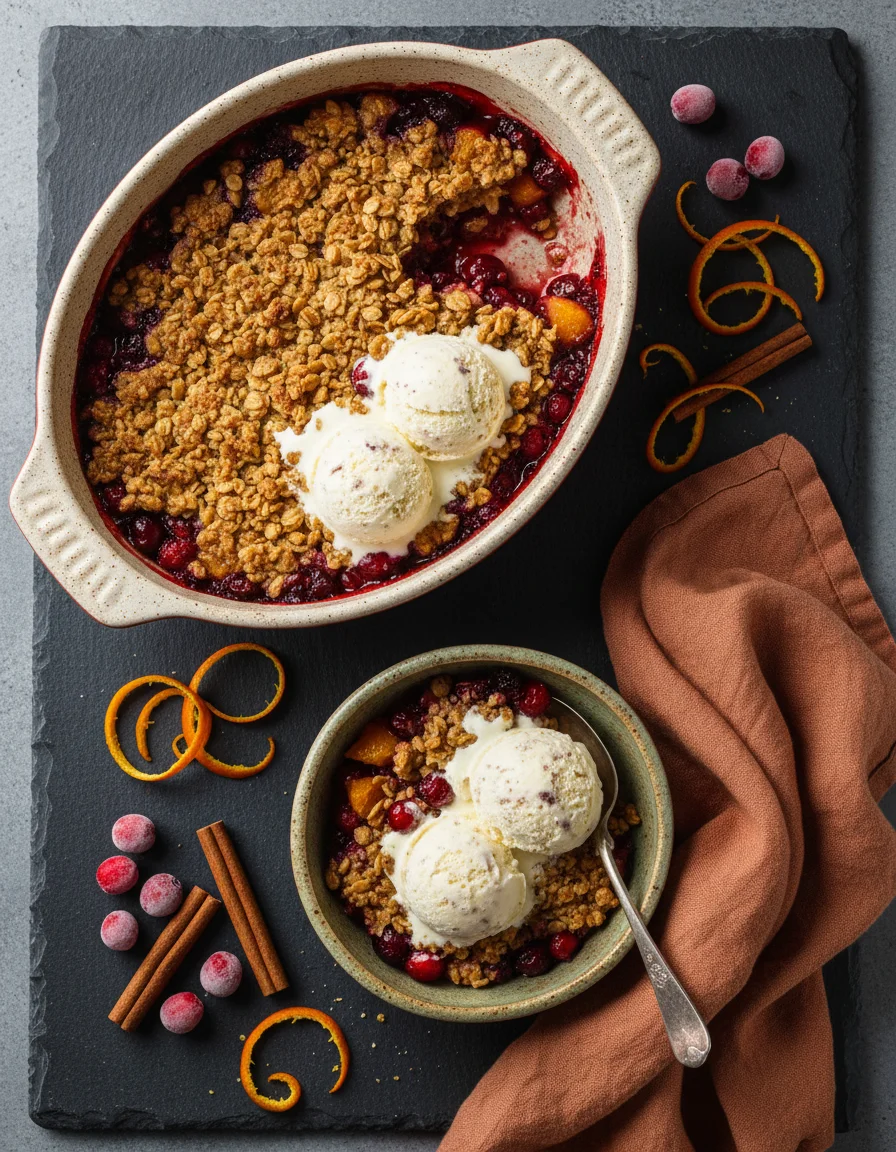
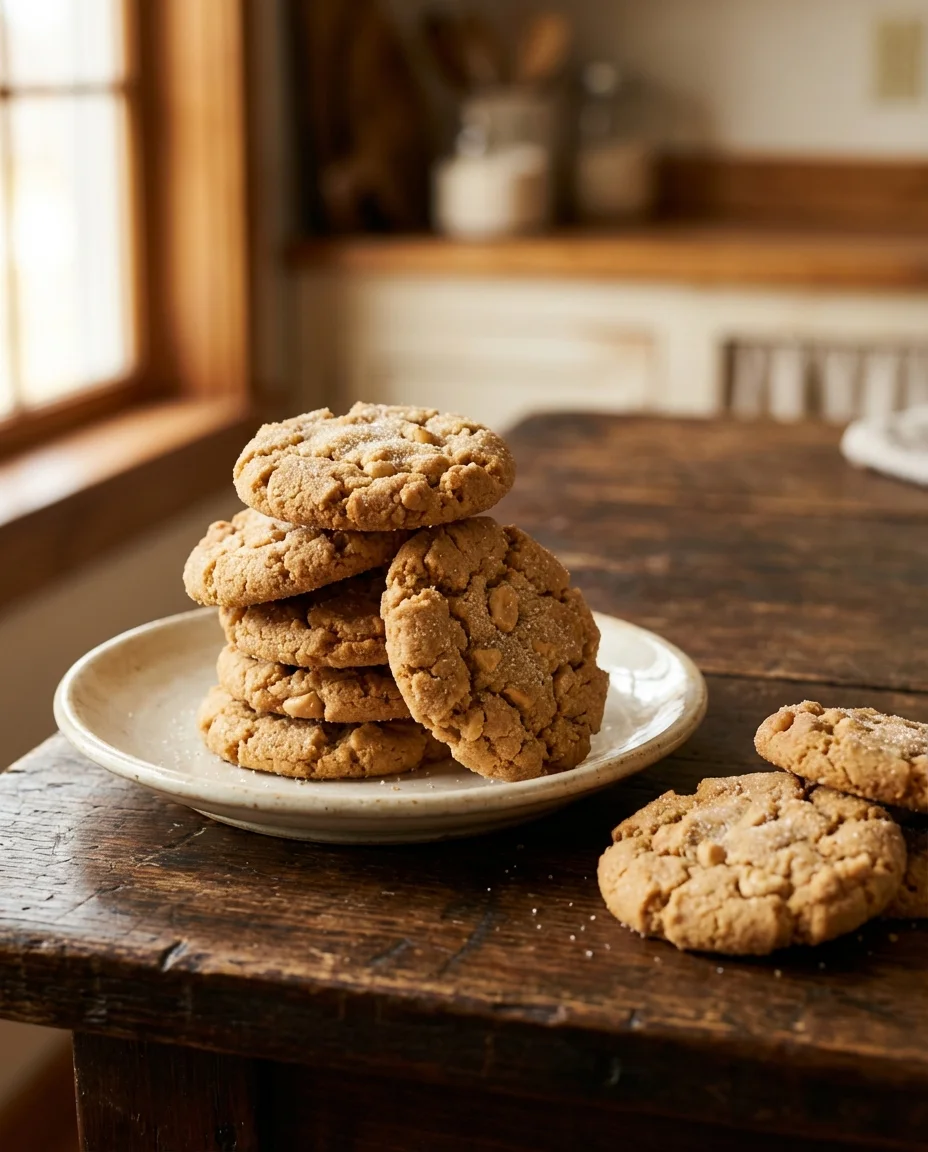
Showing 20 of 46 recipes