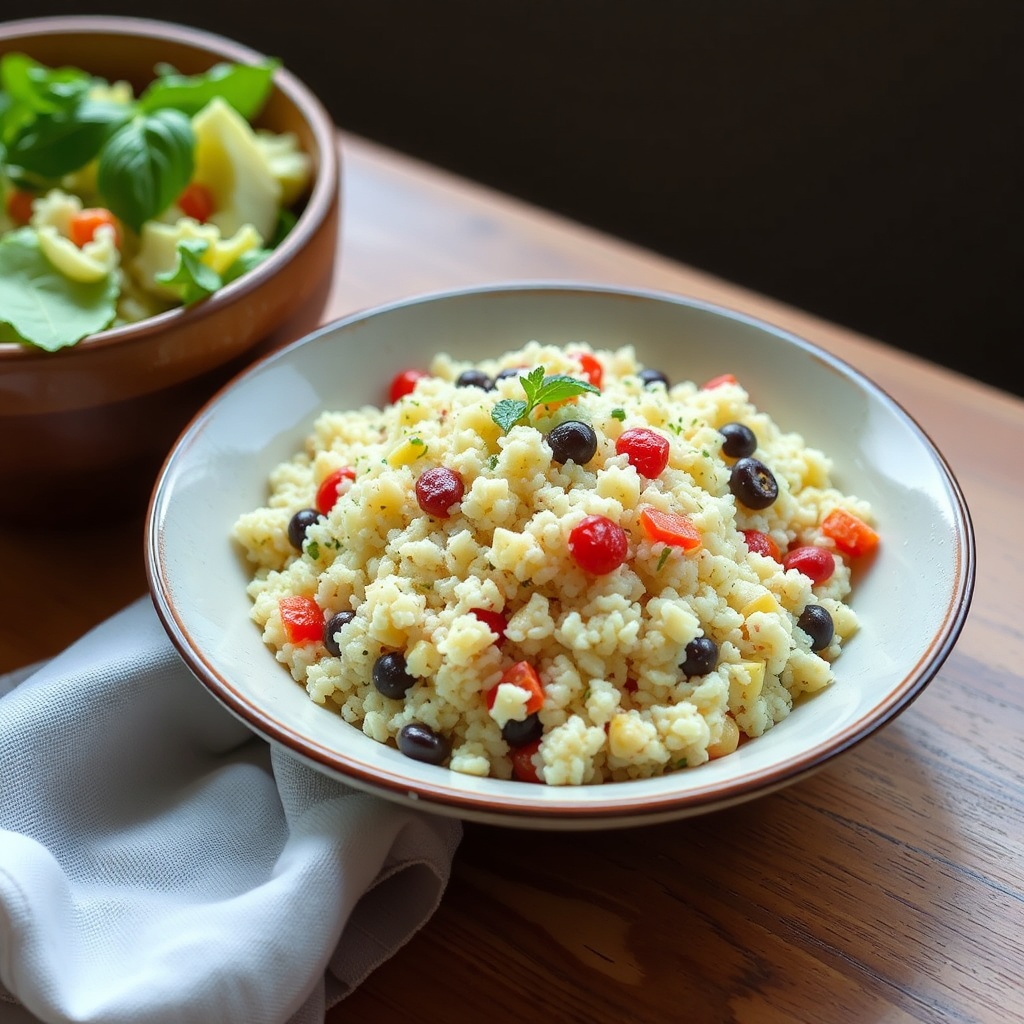
Vegan Couscous: Healthy Recipes, Benefits & Cooking Guide
Discover the versatility of vegan couscous! Learn about its impressive health benefits, how to select and store it, and find delicious, easy recipes for every m
About couscous
Welcome to the wonderful world of couscous – a versatile, quick-cooking grain that's a staple in North African and Middle Eastern cuisines and a fantastic ingredient for any vegan kitchen! Made from semolina (durum wheat), these tiny, pasta-like granules are known for their delicate texture and ability to soak up flavors, making them an ideal base for countless dishes. Whether you're a seasoned chef or a beginner, couscous offers an effortless way to create healthy, delicious, and satisfying vegan meals in minutes.
Health Benefits of Couscous for Vegans
Couscous isn't just delicious; it's packed with nutritional value that makes it a great addition to a plant-based diet. Here’s why it’s a healthy choice:
- Excellent Source of Plant-Based Protein: With approximately 12.76 grams of protein per 173g serving (dry), couscous contributes significantly to your daily protein needs, essential for muscle repair and overall body function.
- Rich in Dietary Fiber: Each 173g serving provides about 5 grams of fiber, which is crucial for digestive health, helps regulate blood sugar levels, and keeps you feeling full and satisfied, aiding in weight management.
- Packed with Essential Minerals: Couscous is a good source of several vital minerals, including Magnesium (44mg), Phosphorus (170mg), Potassium (166mg), and Iron (1.08mg). These minerals play key roles in energy production, bone health, nerve function, and red blood cell formation.
- Good for B Vitamins: It contains B vitamins like Thiamin, Niacin, and Vitamin B-6, which are important for converting food into energy and maintaining a healthy metabolism.
- Low in Fat: With only 0.64 grams of total fat per 173g dry serving, couscous is a naturally low-fat ingredient, fitting perfectly into a heart-healthy vegan diet.
Selection Tips for Couscous
Choosing the right couscous ensures the best culinary experience. While most commonly found couscous is made from refined semolina, look out for whole wheat varieties for an added boost of fiber and nutrients. Also, there are different types:
- Moroccan Couscous: The most common and smallest grain, cooks very quickly.
- Israeli or Pearl Couscous: Larger, chewier grains that take a bit longer to cook, often toasted for a nutty flavor.
- Lebanese or Moghrabieh Couscous: Even larger, pasta-like pearls, requiring longer cooking times.
When selecting, check the packaging for any signs of damage or moisture. Opt for reputable brands and, if possible, organic options to ensure purity.
Storage Tips for Freshness
Proper storage will keep your couscous fresh and ready for your next meal:
- Uncooked Couscous: Store dry couscous in an airtight container in a cool, dark, and dry pantry. It can last for up to 1-2 years, similar to other dried pasta or grains.
- Cooked Couscous: Allow cooked couscous to cool completely before transferring it to an airtight container. Refrigerate for up to 3-4 days. For longer storage, cooked couscous can be frozen in a freezer-safe container or bag for up to one month. Thaw in the refrigerator overnight before reheating.
Versatility in Vegan Cooking
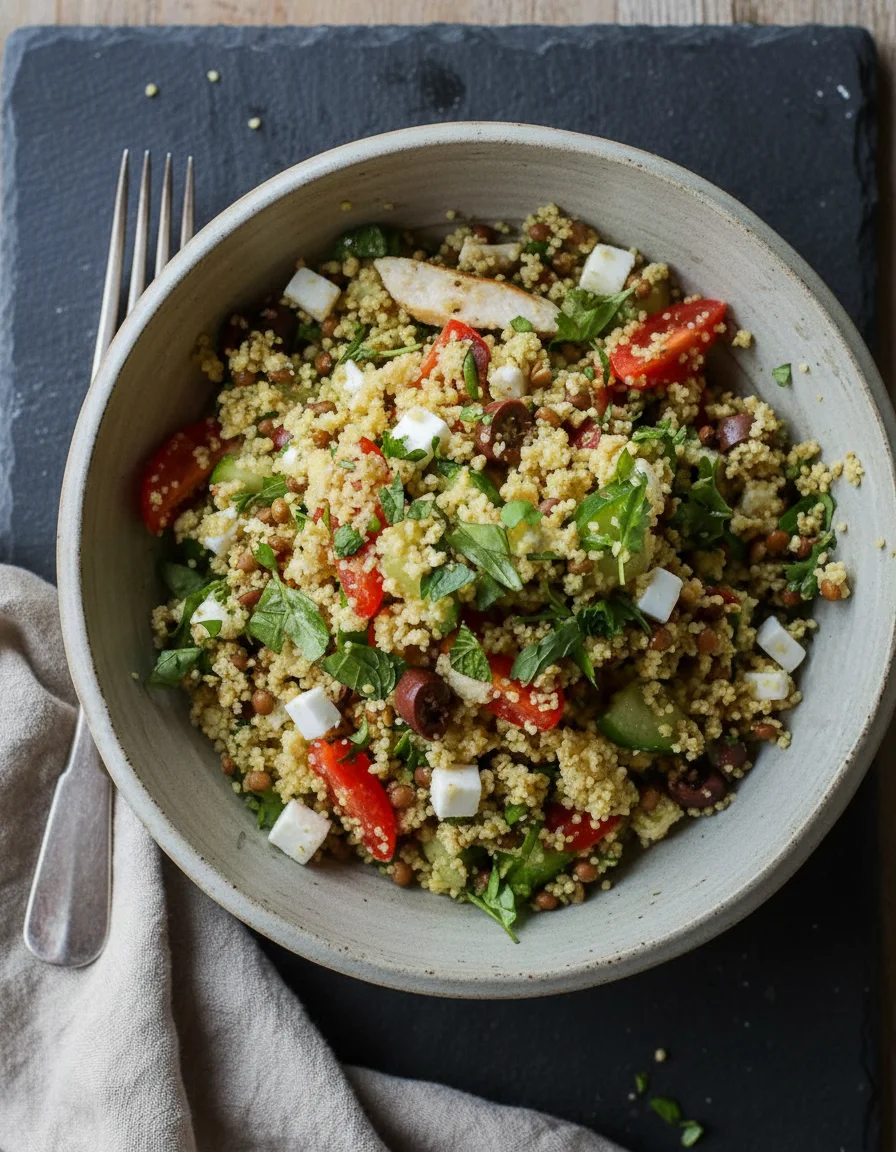
Couscous is incredibly versatile in vegan cuisine. Its neutral flavor and quick preparation make it an excellent canvas for a wide array of dishes. Use it as a base for vibrant salads with fresh vegetables and herbs, a fluffy side dish for curries or tagines, or a hearty addition to stuffed bell peppers or zucchini. It can even be used in sweet applications, like breakfast bowls with fruit and nuts. Its ability to absorb flavors from broths, spices, and dressings makes it a go-to ingredient for creating flavorful, satisfying, and easy vegan meals.
Frequently Asked Questions
For most instant or quick-cooking couscous, the preparation is incredibly simple: combine equal parts couscous and boiling water or vegetable broth. Cover the pot and let it sit off the heat for 5-10 minutes until the liquid is absorbed. Fluff with a fork before serving. For larger pearl couscous, it's typically cooked like pasta in more liquid, then drained.
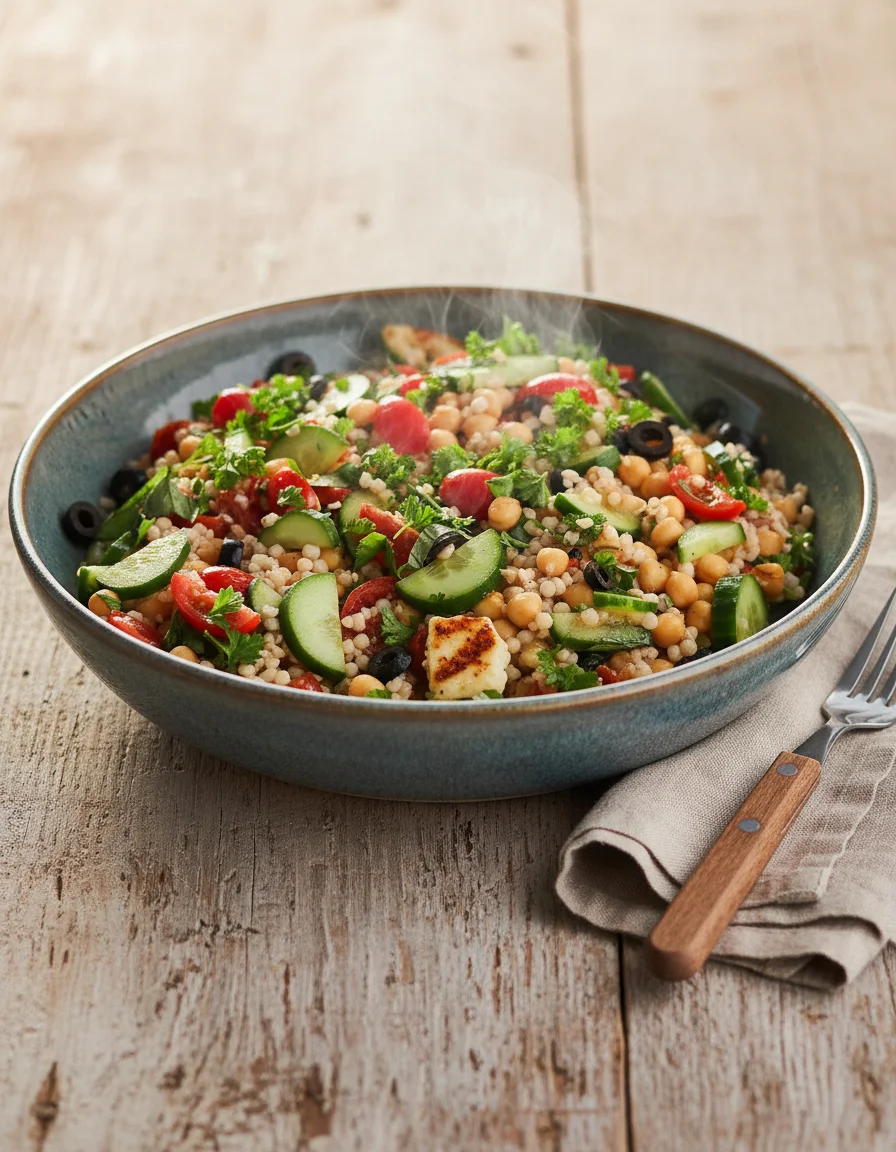
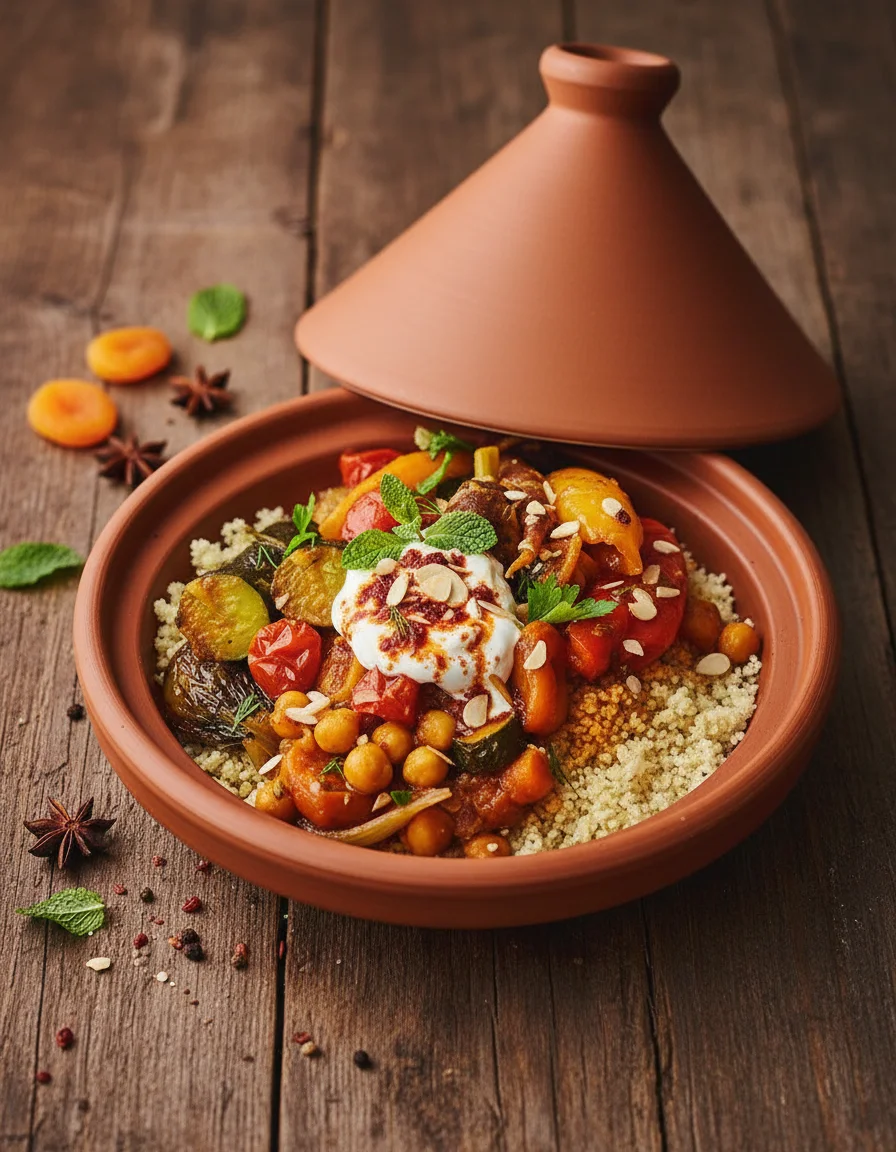
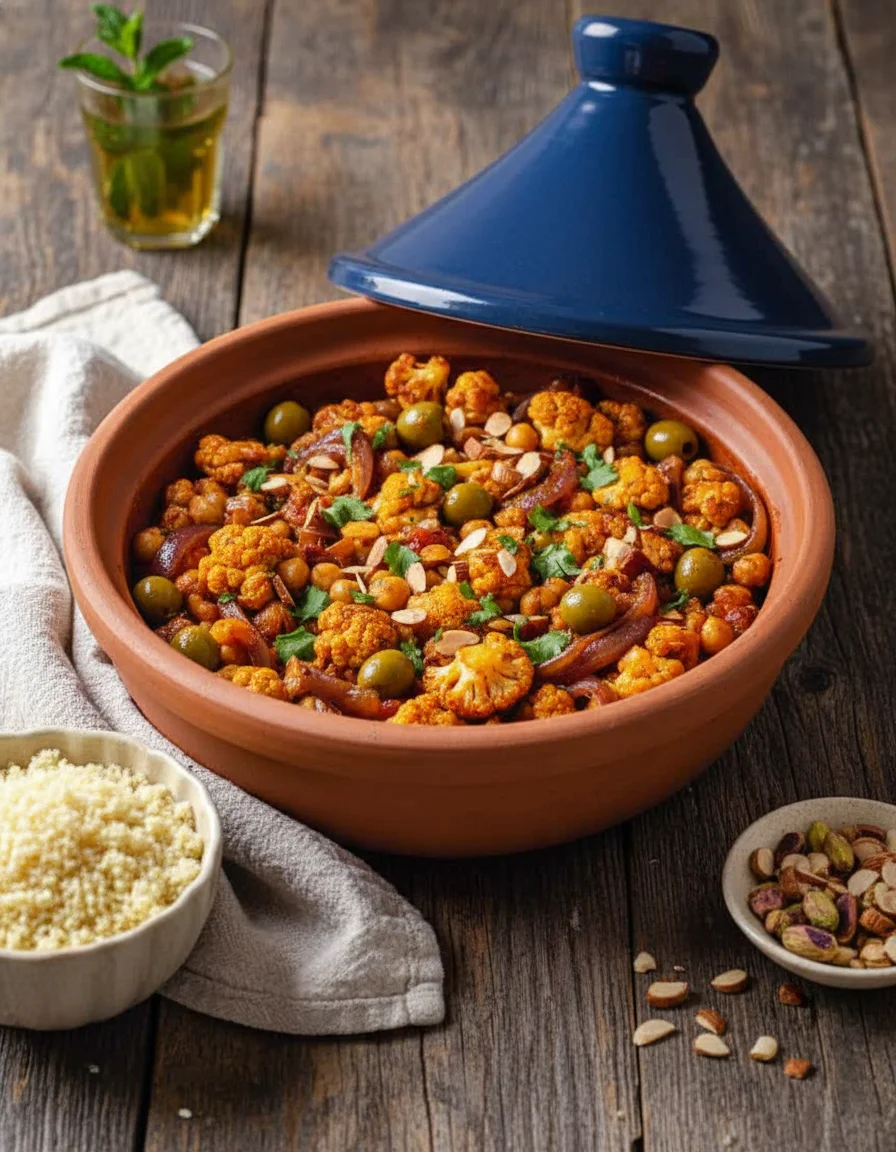
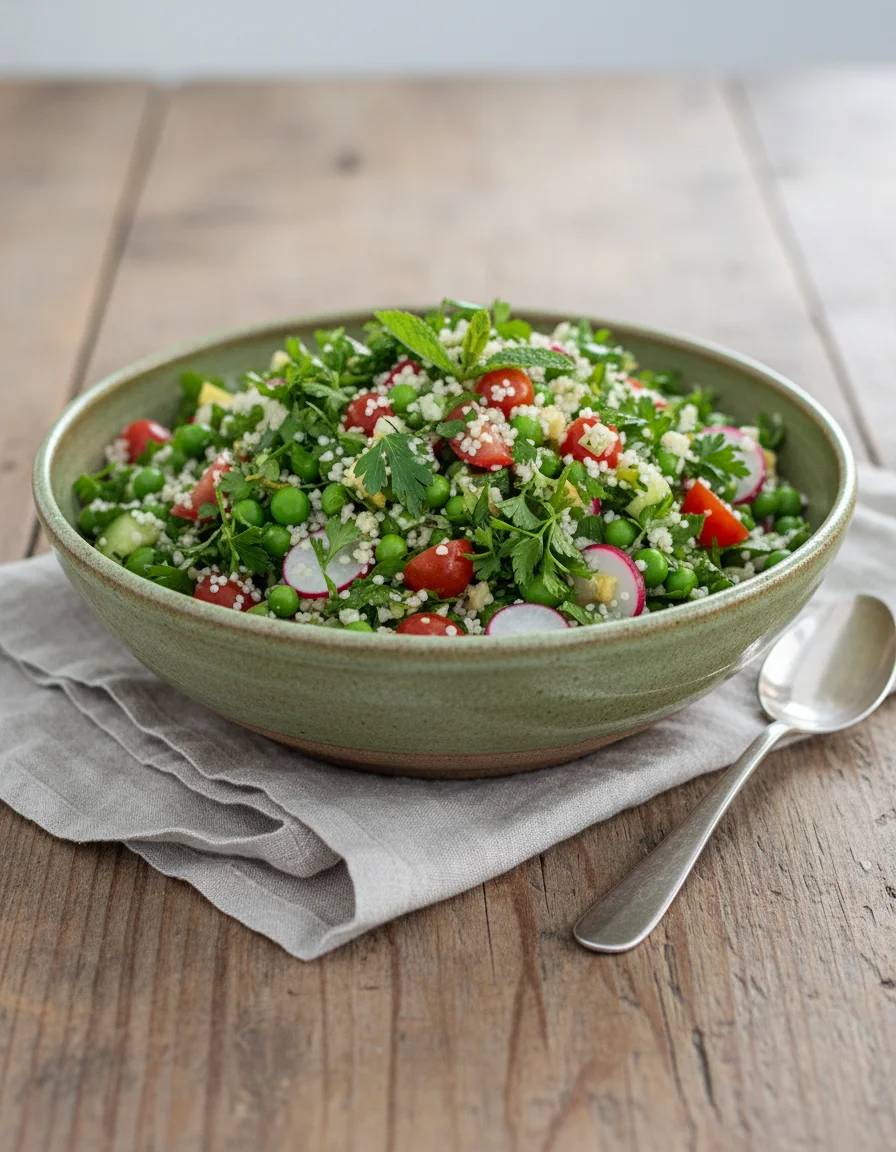
couscous Recipes
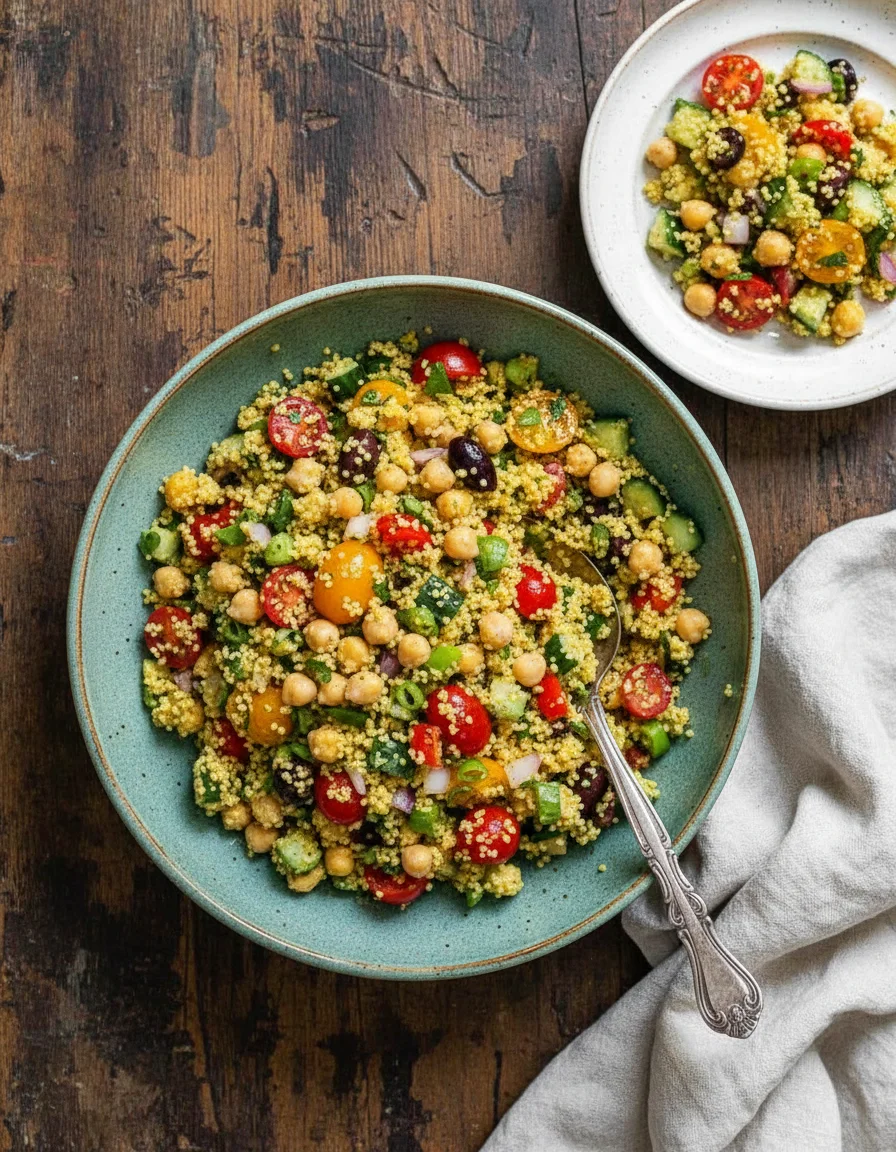
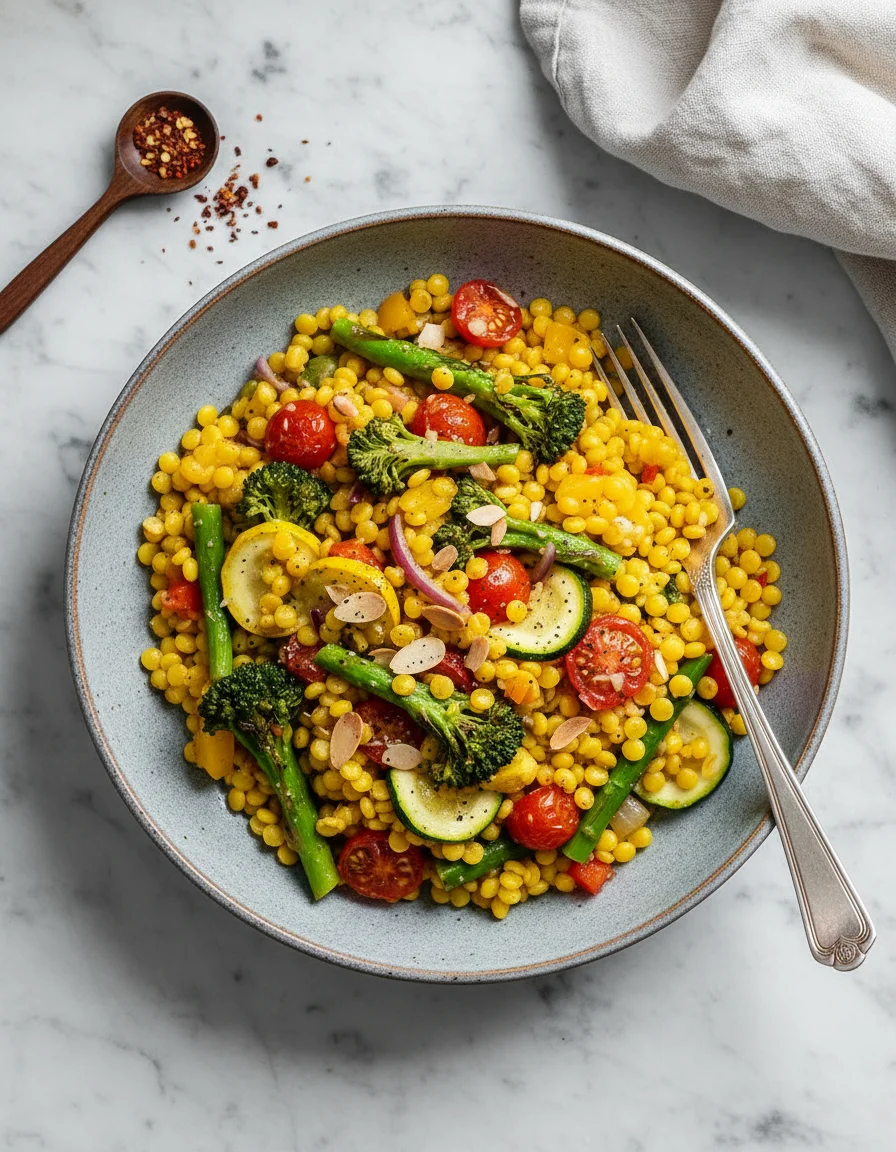
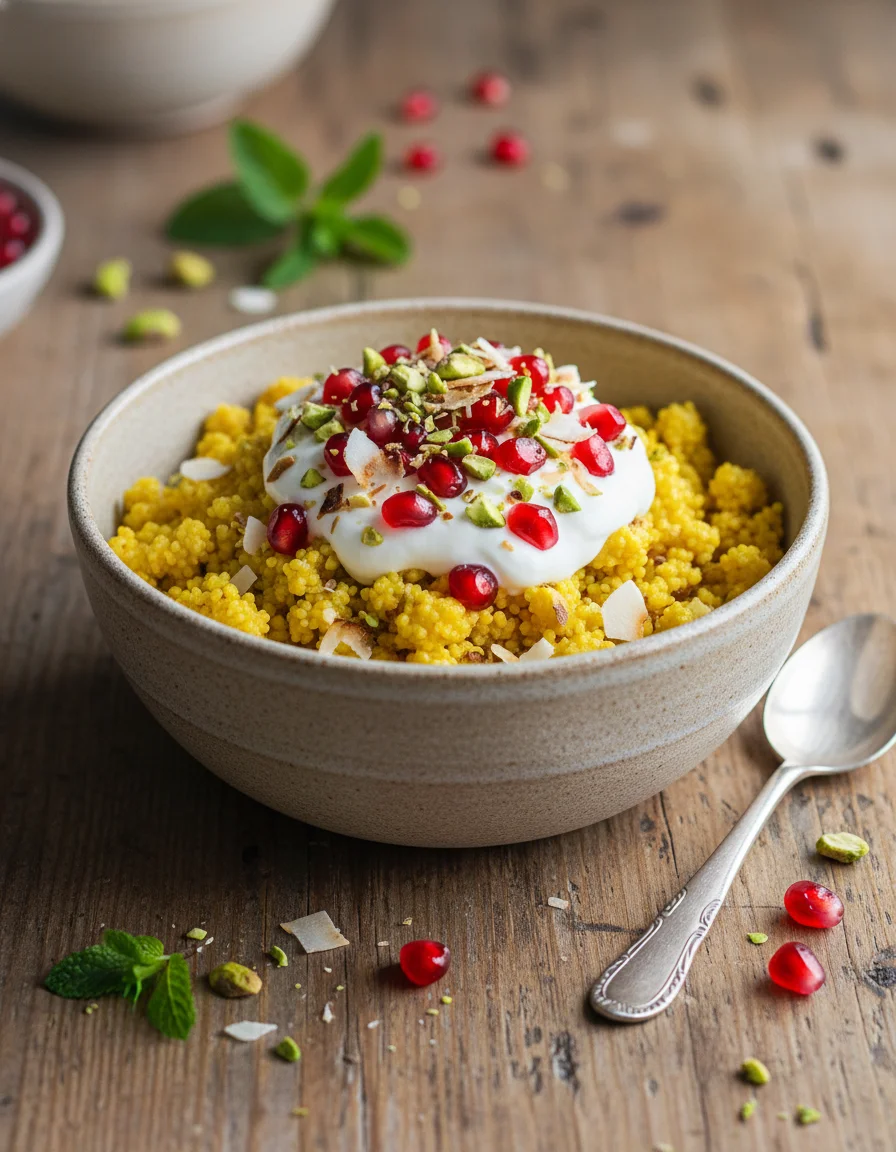



Showing 11 of 11 recipes