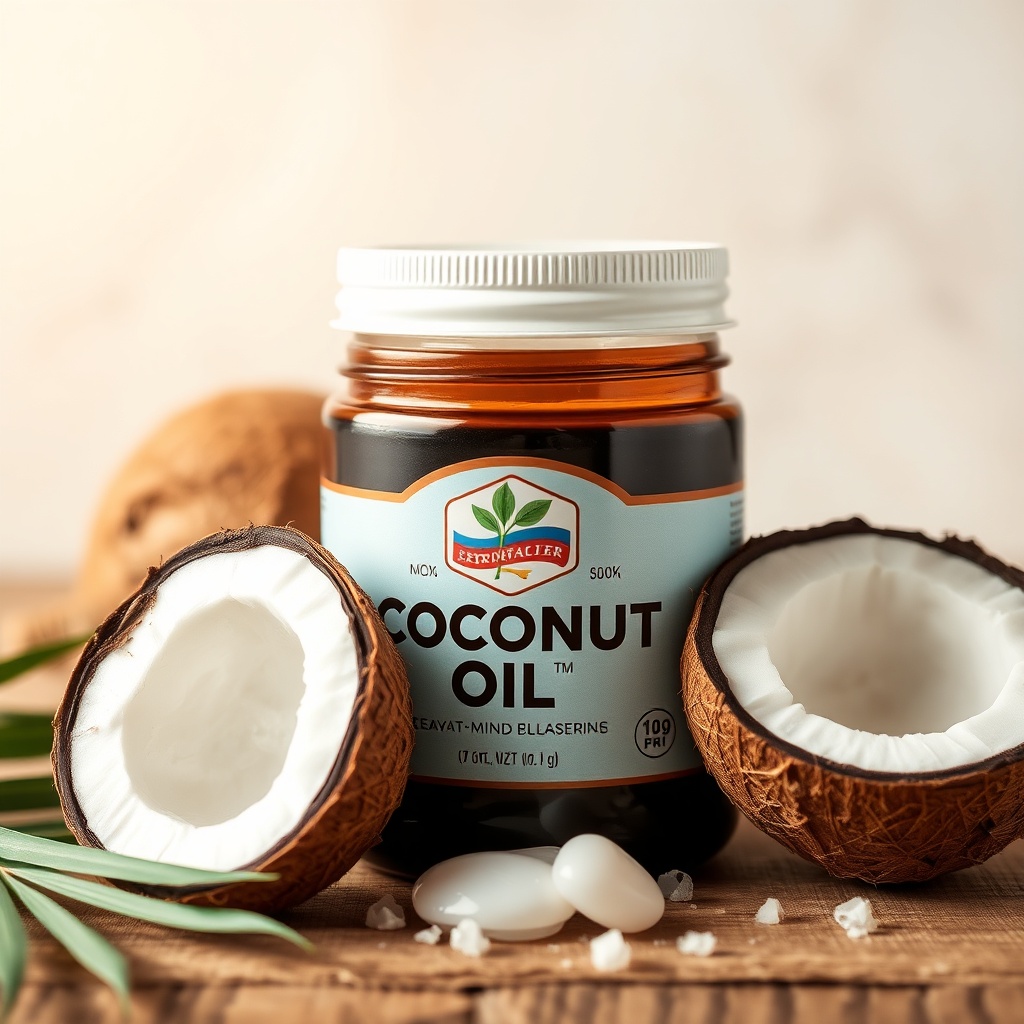
243+ Best Vegan Coconut Oil Recipes (Healthy & Easy)
Discover the incredible versatility of coconut oil in vegan cooking! Explore 243+ healthy and easy recipes, from baking to stir-frying, and learn about its bene
About coconut oil
Welcome to the versatile world of coconut oil, a staple in many vegan kitchens! Revered for its unique properties and delightful aroma, coconut oil is a plant-based fat that has earned its place as a go-to ingredient for a vast array of vegan dishes. Whether you're whipping up a creamy curry, baking a fluffy cake, or simply sautéing your favorite veggies, coconut oil brings a distinct flavor profile and textural richness that elevates your cooking.
Health Benefits for a Vegan Diet
Coconut oil offers several notable benefits, particularly for those on a vegan diet. It's a fantastic source of medium-chain triglycerides (MCTs), which are fats metabolized differently than long-chain triglycerides. MCTs are readily converted into energy, making them a quick fuel source for the body and brain. This can be especially beneficial for sustaining energy levels throughout the day. Furthermore, coconut oil is rich in lauric acid, a fatty acid known for its potential antimicrobial and anti-inflammatory properties, supporting overall wellness. As a plant-based fat, it's naturally cholesterol-free, aligning perfectly with a heart-healthy vegan lifestyle. Its satisfying richness also helps with satiety, keeping you feeling full longer.
Selecting the Best Coconut Oil
Choosing the right coconut oil can make a difference in your dishes. For most culinary applications, look for "virgin" or "extra virgin" coconut oil. These varieties are minimally processed, retaining more of their natural coconut flavor and aroma, as well as their beneficial nutrients. If you prefer a neutral taste, "refined" coconut oil is a good option, as it has a higher smoke point and a very subtle flavor, making it suitable for high-heat cooking where you don't want a coconut essence. Always opt for organic, cold-pressed, and non-hydrogenated options to ensure you're getting a high-quality product free from unwanted chemicals and trans fats.
Storage Tips to Keep it Fresh
Storing coconut oil correctly is key to maintaining its quality and extending its shelf life. Coconut oil is unique because it's solid at room temperature (below 76°F or 24°C) and turns liquid when it gets warmer. Store it in a cool, dark place away from direct sunlight, such as a pantry or cupboard. There's no need to refrigerate it, as this can make it too hard and difficult to work with, though it won't spoil it. Always keep it in a well-sealed, airtight container to prevent oxidation and to protect it from absorbing other odors. Properly stored, coconut oil can last for up to two years, often even longer.
Versatility in Vegan Cooking
From sweet to savory, coconut oil's versatility knows no bounds in vegan cuisine. It's excellent for baking, providing moisture and a delicate texture to cookies, cakes, and muffins. Use it for sautéing vegetables, frying plant-based proteins, or as a base for flavorful curries and stir-fries. It also works wonderfully in raw vegan desserts, helping to firm up cheesecakes and energy bars when chilled. Its ability to solidify makes it a great binding agent, and its distinct flavor can lend an exotic touch to many dishes, making it an indispensable ingredient for any vegan cook.
Vegan Substitutions
Plant-based alternatives for coconut oil in your recipes
| Original Ingredient | Replace with | Vegan Alternative | Notes |
|---|---|---|---|
| Butter (dairy) | Coconut oil | Use a 1:1 ratio in most baking and cooking applications. Be aware that unrefined coconut oil will impart a distinct coconut flavor. For a neutral flavor, opt for refined coconut oil. |
Substitution ratios may vary by recipe. Start with a 1:1 ratio and adjust to taste.
Frequently Asked Questions
Coconut oil has a melting point of around 76°F (24°C), meaning it's solid in cooler temperatures and liquid when warm. For baking, you can melt it gently on the stove or in the microwave if a recipe calls for liquid oil, or use it solid like butter for creaming. For sautéing or frying, simply add it to a warm pan and allow it to melt before adding other ingredients. Refined coconut oil has a higher smoke point (around 400°F/204°C) than virgin coconut oil (around 350°F/177°C), making refined better for high-heat cooking.
coconut oil Recipes
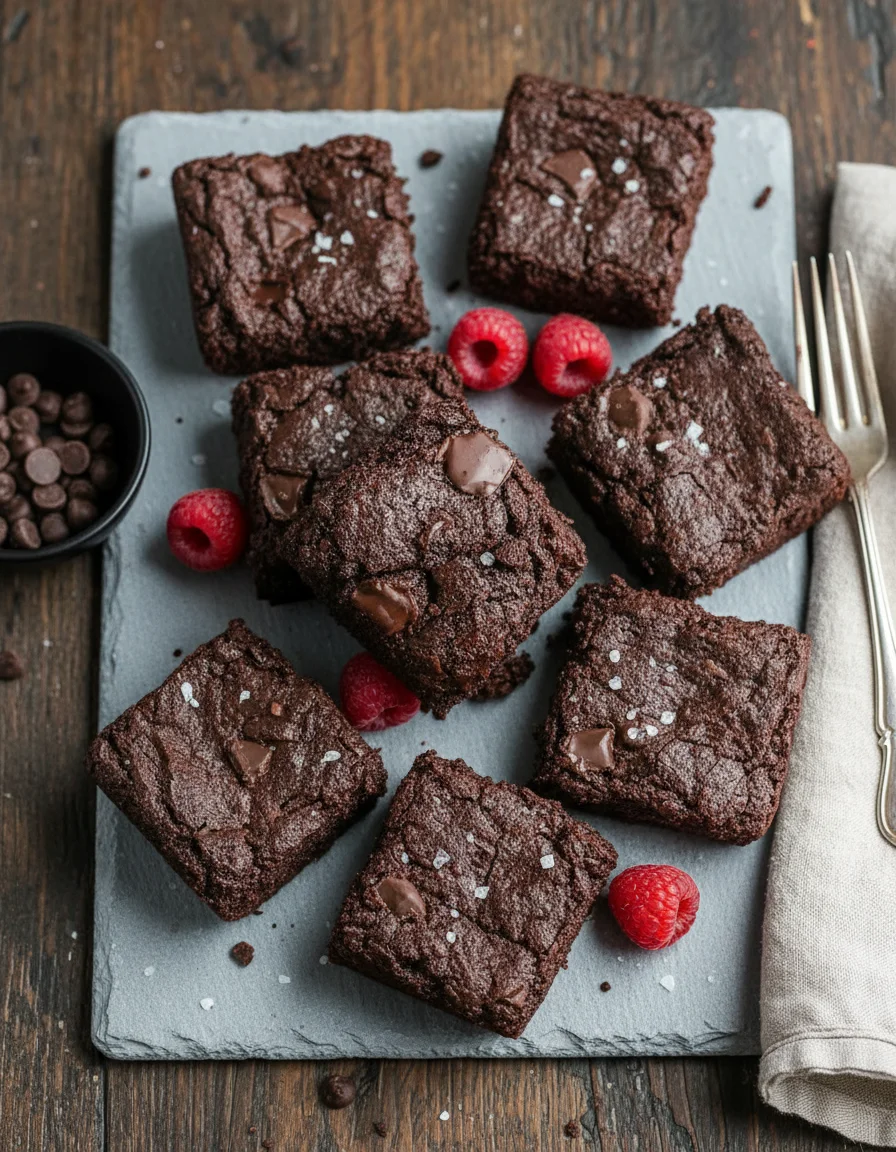
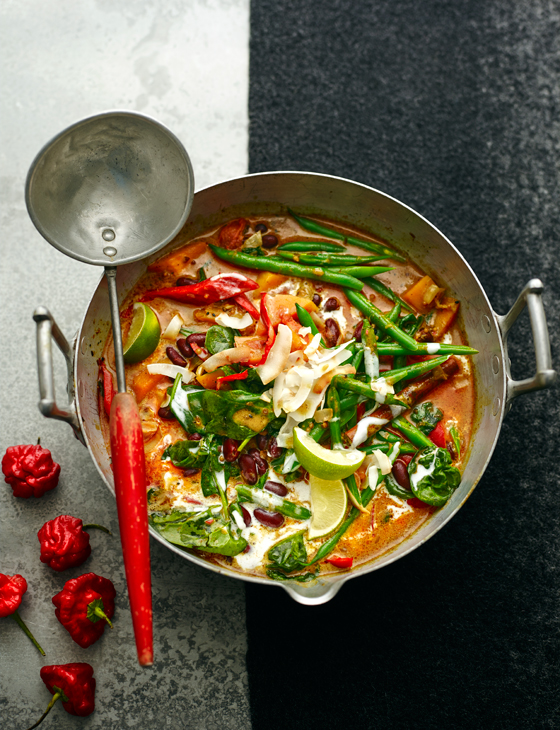
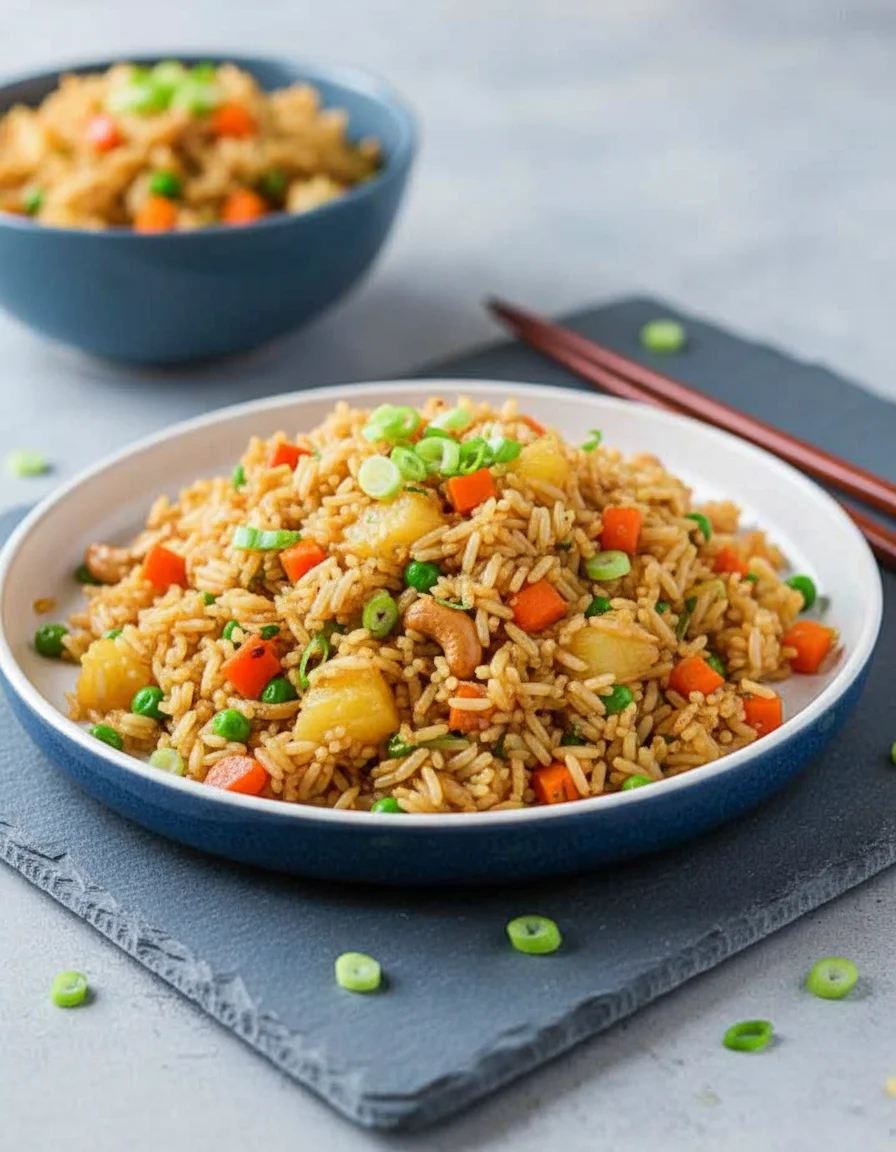

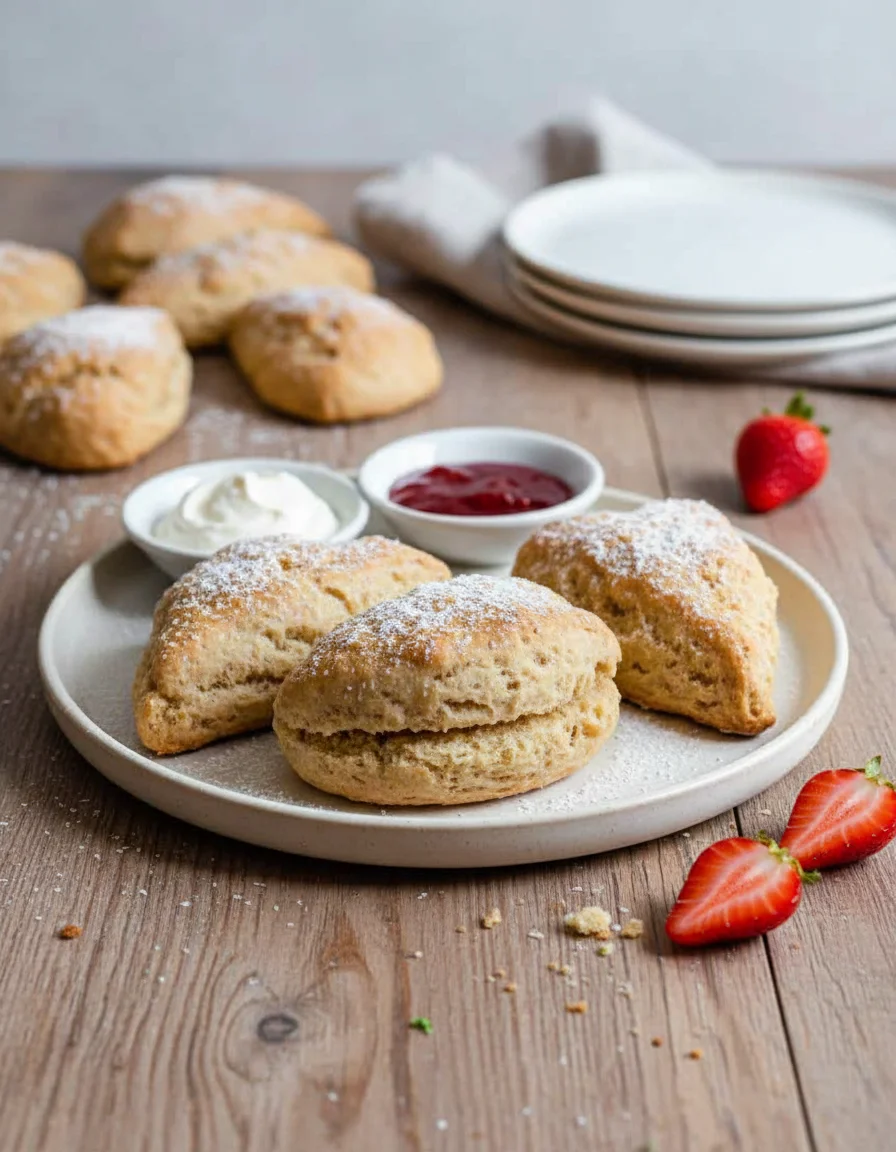
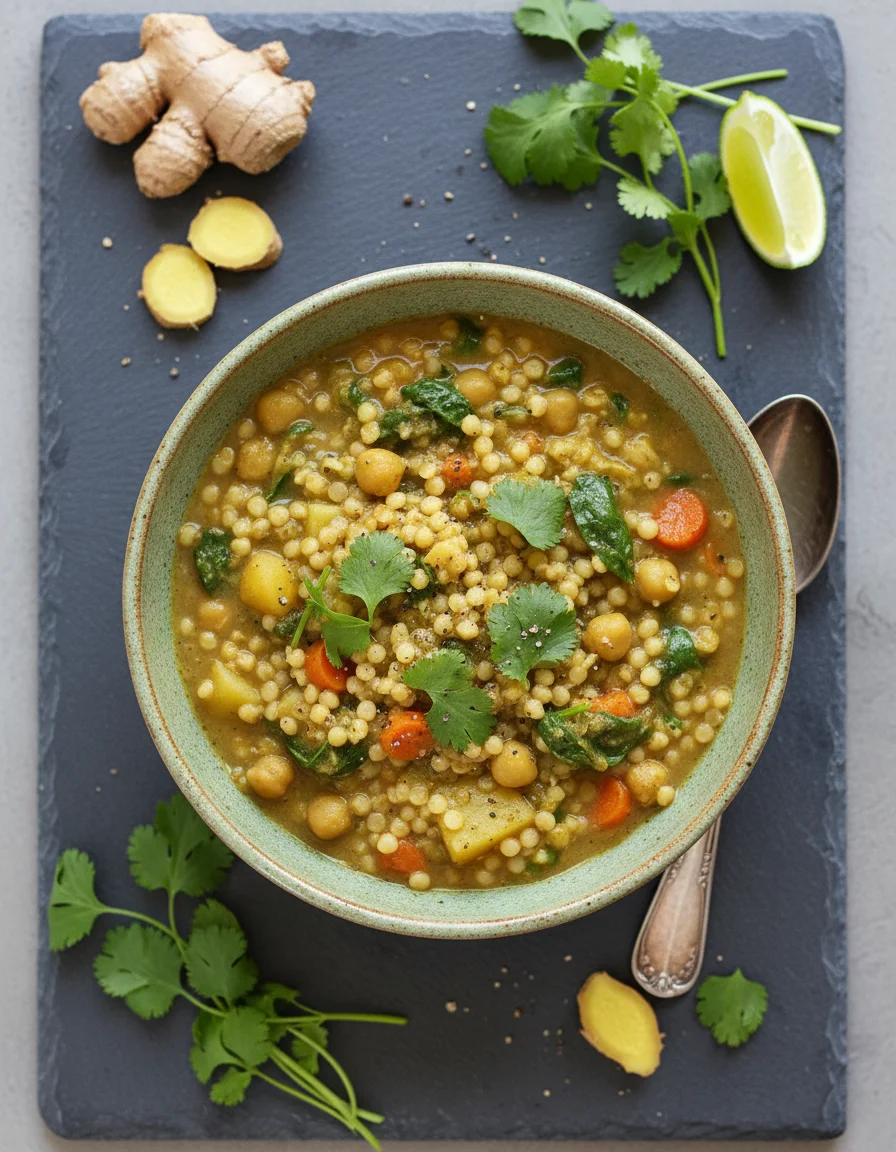

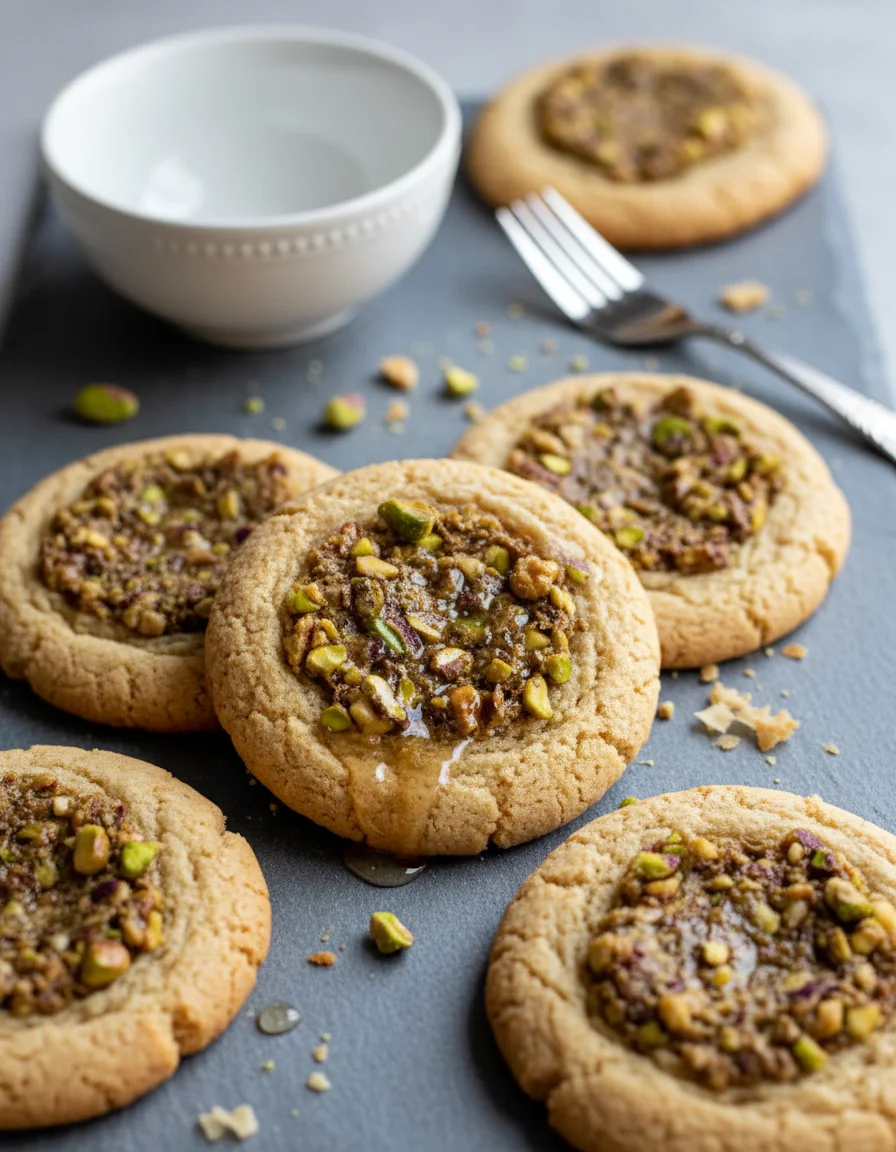
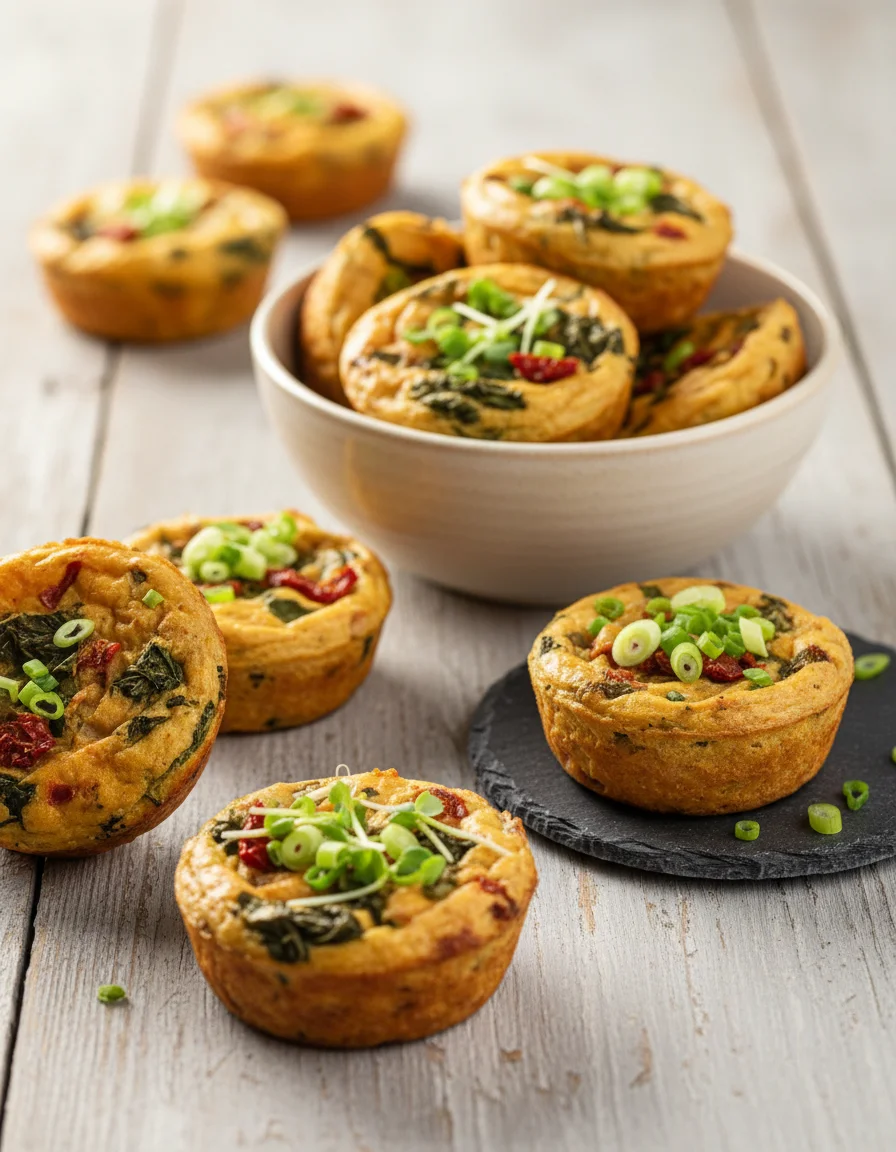


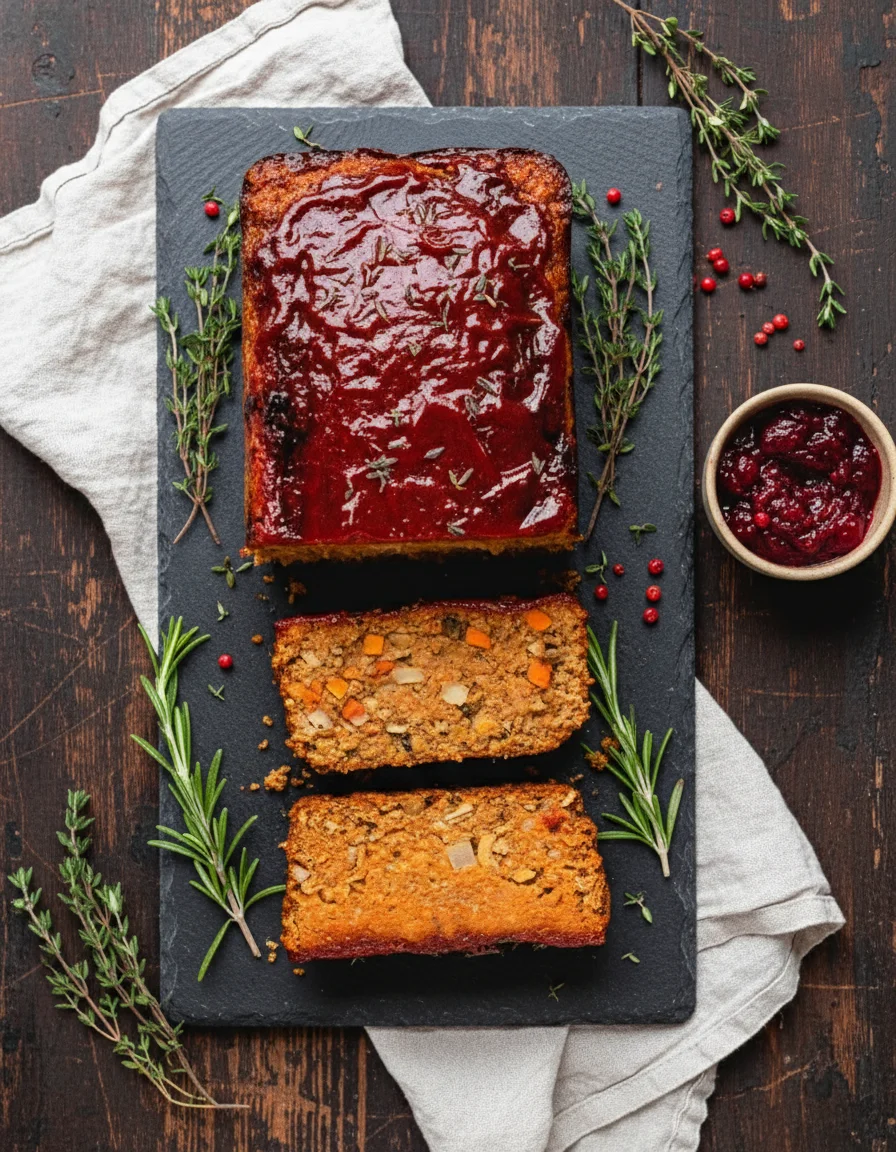
Showing 20 of 262 recipes