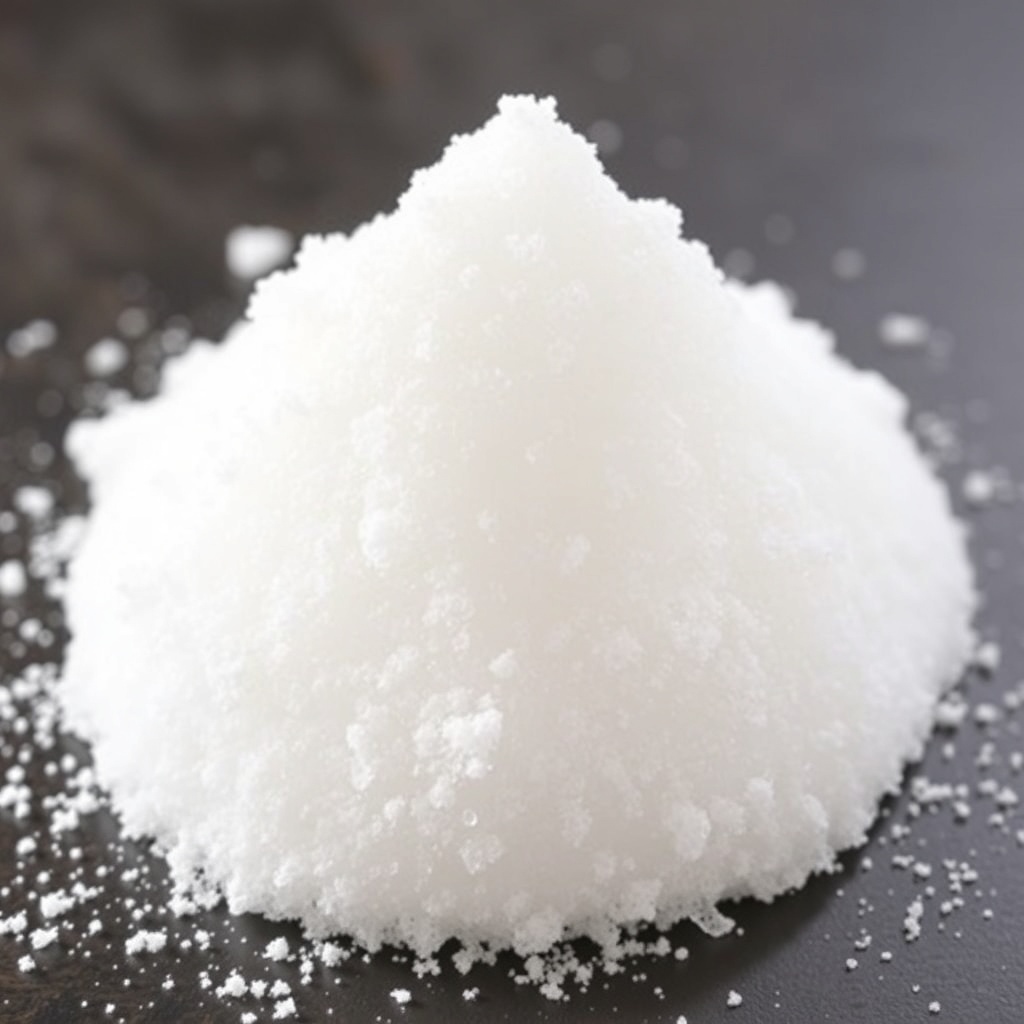
Vegan Sugar Guide: 116+ Sweet & Plant-Based Recipes
Navigating vegan sugar? Discover which sugars are plant-based, how to use them, and explore over 116 delicious vegan sweet treats and dishes. Sweeten your life,
About sugar
Sugar is a fundamental ingredient in countless recipes, from decadent desserts to savory sauces, bringing balance, flavor, and texture. For vegans, however, selecting sugar isn't always as straightforward as it seems. While sugar itself is derived from plants (sugar cane or sugar beets), its processing can sometimes involve animal products, making it a nuanced topic in the plant-based world. But fear not! This guide will demystify vegan sugar, helping you make informed choices and confidently create delicious, compassionate dishes.
The Role of Sweetness in Vegan Cooking
Beyond simply adding sweetness, sugar plays several crucial roles in vegan cuisine. It helps with browning and caramelization, contributes to the texture of baked goods, acts as a preservative in jams and preserves, and can balance the acidity or bitterness in savory dishes. Understanding the different types of vegan-friendly sugars and sweeteners allows for incredible versatility in your plant-based kitchen, ensuring your creations are perfectly balanced and delightfully sweet.
Health Considerations & Vegan Sweeteners
While often enjoyed in moderation, some vegan sweeteners offer additional nutritional benefits compared to highly refined white sugar. For instance, natural sweeteners like maple syrup, agave nectar, and date sugar retain some minerals and antioxidants. Whole food sweeteners like dates or fruit purées offer fiber, vitamins, and minerals. When choosing your sweetener, consider the overall nutritional profile of your dish and opt for less processed options where possible to add sweetness alongside other beneficial compounds.
Selecting Vegan-Friendly Sugar
The key to selecting vegan sugar lies in understanding its processing. Many conventional granulated sugars are refined using bone char (charred animal bones) to achieve a bright white color. To ensure your sugar is vegan, look for products explicitly labeled 'vegan', 'unrefined', 'organic', or 'bone char-free'. Cane sugar processed using bone char is the primary concern; beet sugar, raw cane sugar, coconut sugar, date sugar, maple syrup, and agave nectar are generally considered vegan as they don't typically undergo bone char filtration. Always check labels or opt for certified organic options, which often preclude bone char use.
Storage Tips for Sweeteners
Proper storage ensures your sugars and sweeteners remain fresh and free from contaminants. Granulated sugars (white, brown, coconut) should be stored in airtight containers in a cool, dry place away from direct sunlight. This prevents clumping (for brown sugar, add a slice of bread or a terra cotta disk to keep it soft) and keeps out moisture and pests. Liquid sweeteners like maple syrup and agave nectar are best stored in their original sealed containers in a cool, dark pantry. Once opened, some natural syrups, especially those without preservatives, may benefit from refrigeration, so always check the product's specific instructions. Stored correctly, most sugars and syrups have a very long shelf life, essentially lasting indefinitely.
Frequently Asked Questions
The vegan status of sugar is a common concern. While sugar is derived from plants (sugar cane or sugar beets), some conventional white and brown cane sugars are processed using bone char, which is charred animal bone, to whiten and filter them. This means they are not considered vegan. However, many sugars ARE vegan! You can look for sugars explicitly labeled 'vegan,' 'organic,' or 'unrefined.' Beet sugar, coconut sugar, date sugar, maple syrup, agave nectar, and most liquid sweeteners are typically vegan as they don't use bone char in their processing. Always check product labels, look for certifications, or choose brands that confirm their sugar is bone char-free.
sugar Recipes
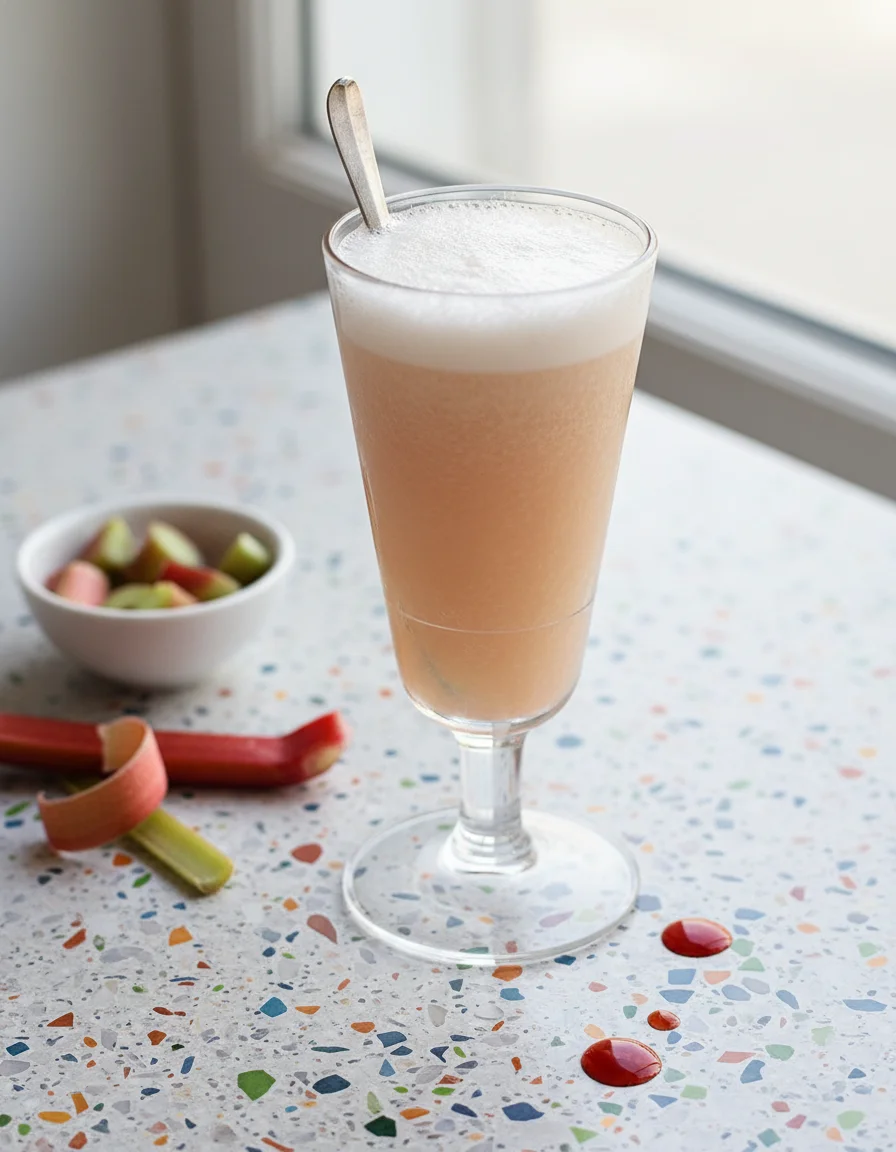

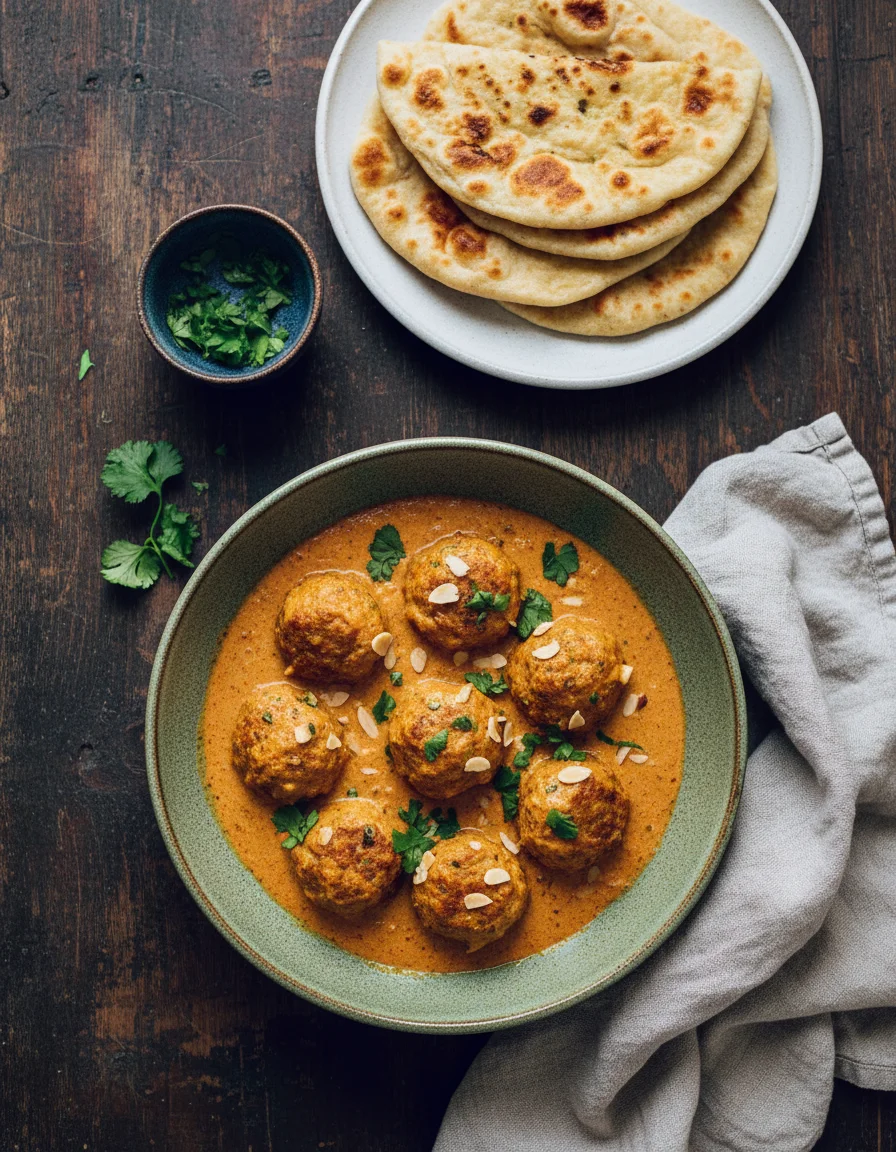
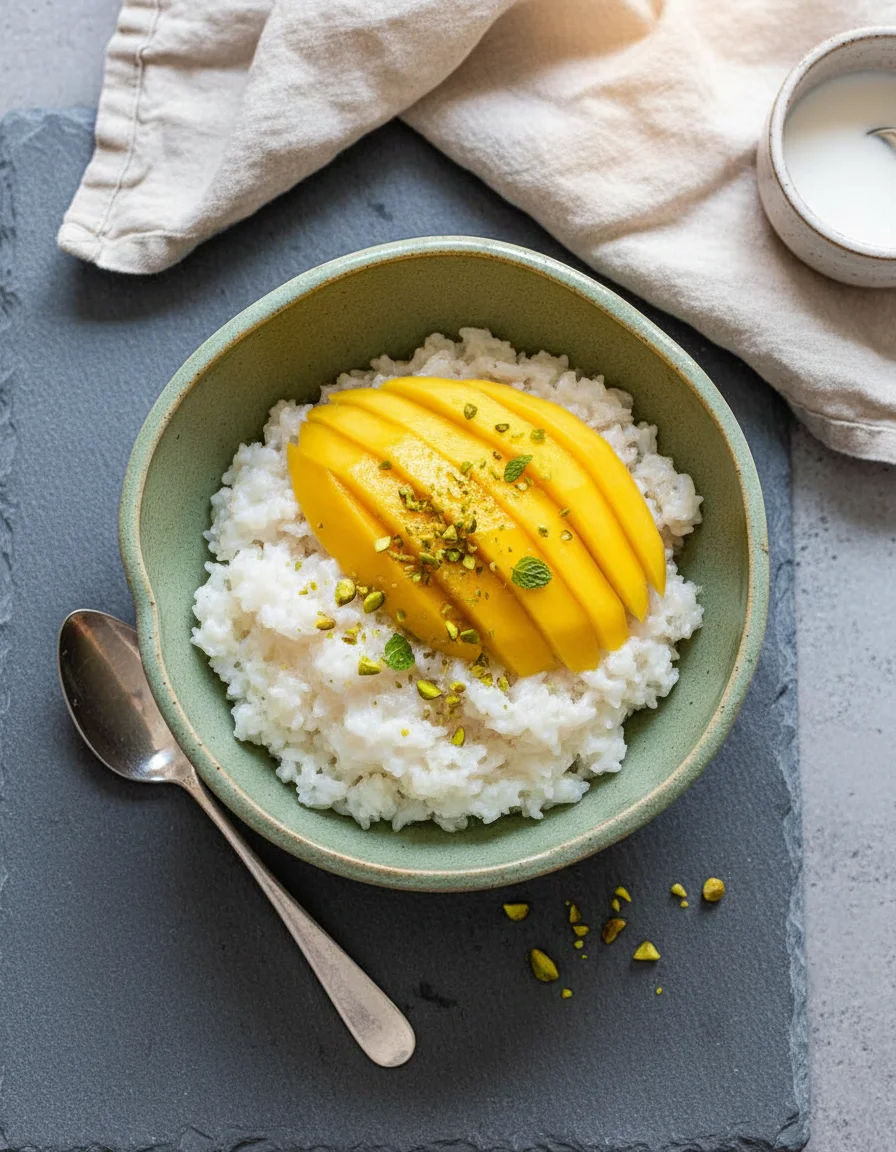


Showing 20 of 203 recipes