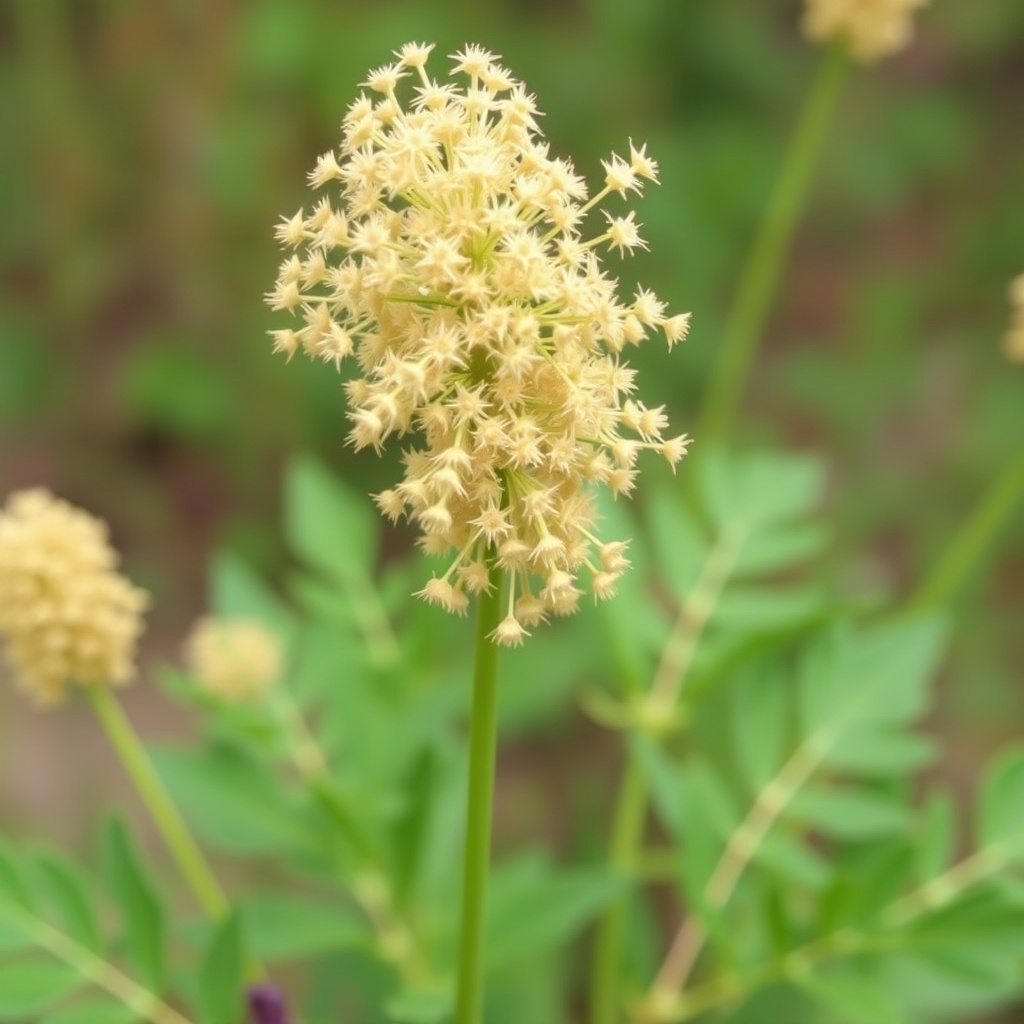
9+ Best Vegan Fenugreek Recipes (Healthy & Flavorful)
Unlock the unique flavor of fenugreek in vegan cooking! Discover 9+ healthy and delicious recipes, from curries to roasted veggies, and learn how to select, sto
About fenugreek
Welcome to the wonderful world of fenugreek, also known as 'methi' in many parts of the world! This incredibly versatile ingredient is a staple in various cuisines, particularly Indian, Middle Eastern, and North African, and it holds a special place in vegan cooking. Whether you're familiar with its distinct aromatic seeds or its vibrant green leaves, fenugreek adds a unique depth of flavor – a slightly bitter, nutty, and subtly sweet profile reminiscent of maple syrup when toasted. It's an ingredient that truly transforms dishes, bringing warmth and complexity to everything from hearty curries and stews to flavorful flatbreads and roasted vegetables. As more people embrace plant-based diets, fenugreek stands out as a powerful herb and spice, offering both culinary delight and impressive nutritional benefits.
Health Benefits of Fenugreek for Vegans
Fenugreek is a nutritional powerhouse, making it an excellent addition to any vegan diet. It's particularly renowned for its rich fiber and protein content, both crucial for satiety, digestive health, and muscle maintenance. Per 100 grams, fenugreek boasts a robust 23g of protein, making it a stellar plant-based protein source for those looking to diversify their protein intake beyond legumes. Its impressive fiber content of 24.6g per 100g supports healthy digestion, helps regulate blood sugar levels, and contributes to a feeling of fullness. Beyond macronutrients, fenugreek is packed with essential minerals. It's an outstanding source of iron (33.53mg per 100g), vital for energy and red blood cell production, especially important for vegans who need to carefully monitor their iron intake. You'll also find significant amounts of magnesium (191mg), potassium (770mg), phosphorus (296mg), and manganese (1.228mg), all contributing to overall health, bone strength, and electrolyte balance. Furthermore, fenugreek contains a good array of B vitamins like thiamin, riboflavin, niacin, and B-6, supporting metabolic functions and nerve health. Its antioxidant properties also contribute to reducing inflammation and promoting well-being.
How to Select Fenugreek
- Fenugreek Seeds: Look for whole, uniform, reddish-brown seeds. They should be firm, not brittle, and have a strong, sweet, and slightly bitter aroma. Avoid seeds that look broken, dusty, or lack a distinctive smell, as these may be old.
- Ground Fenugreek: When buying fenugreek powder (often called methi powder), ensure it's in a well-sealed package to retain its potency. Freshly ground powder will always be more aromatic, so consider buying whole seeds and grinding them yourself for the best flavor.
- Fresh Fenugreek Leaves (Methi): Choose vibrant green bunches with crisp leaves. Avoid any leaves that are yellowing, wilting, or have dark spots, as these are signs of age or spoilage. The stems should be firm.
Storage Tips for Fenugreek
- Fenugreek Seeds: Store whole fenugreek seeds in an airtight container in a cool, dark, and dry place, away from direct sunlight and heat. Stored properly, they can retain their flavor and potency for up to one year or even longer.
- Ground Fenugreek: Fenugreek powder loses its aroma and flavor more quickly than whole seeds. Keep it in an airtight jar in a cool, dark pantry. It's best used within 6-12 months for optimal flavor.
- Fresh Fenugreek Leaves: To keep fresh methi leaves crisp, wrap them loosely in a damp paper towel and place them in a perforated plastic bag or an airtight container in the refrigerator. They will typically stay fresh for 3-5 days. For longer storage, you can chop and freeze them in small portions.
Frequently Asked Questions
Fenugreek seeds are commonly used whole in tempering (tadka) or dry-roasted and ground into a powder for curries, stews, and spice blends. When tempering, they release a nutty aroma. Fresh fenugreek leaves (methi) can be added directly to dishes like dals, curries (e.g., Aloo Methi, Methi Dal), or sautéed with other vegetables. They have a slightly bitter taste that mellows with cooking.
fenugreek Recipes
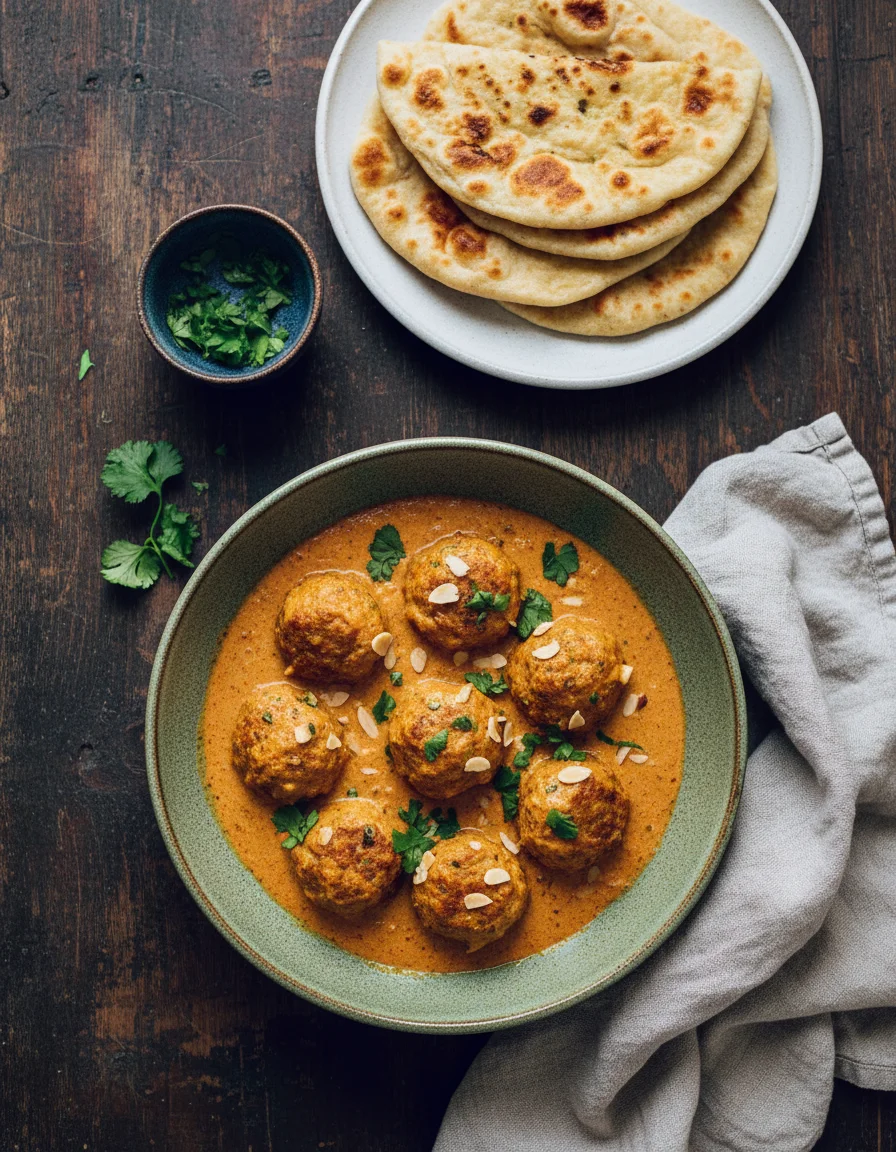
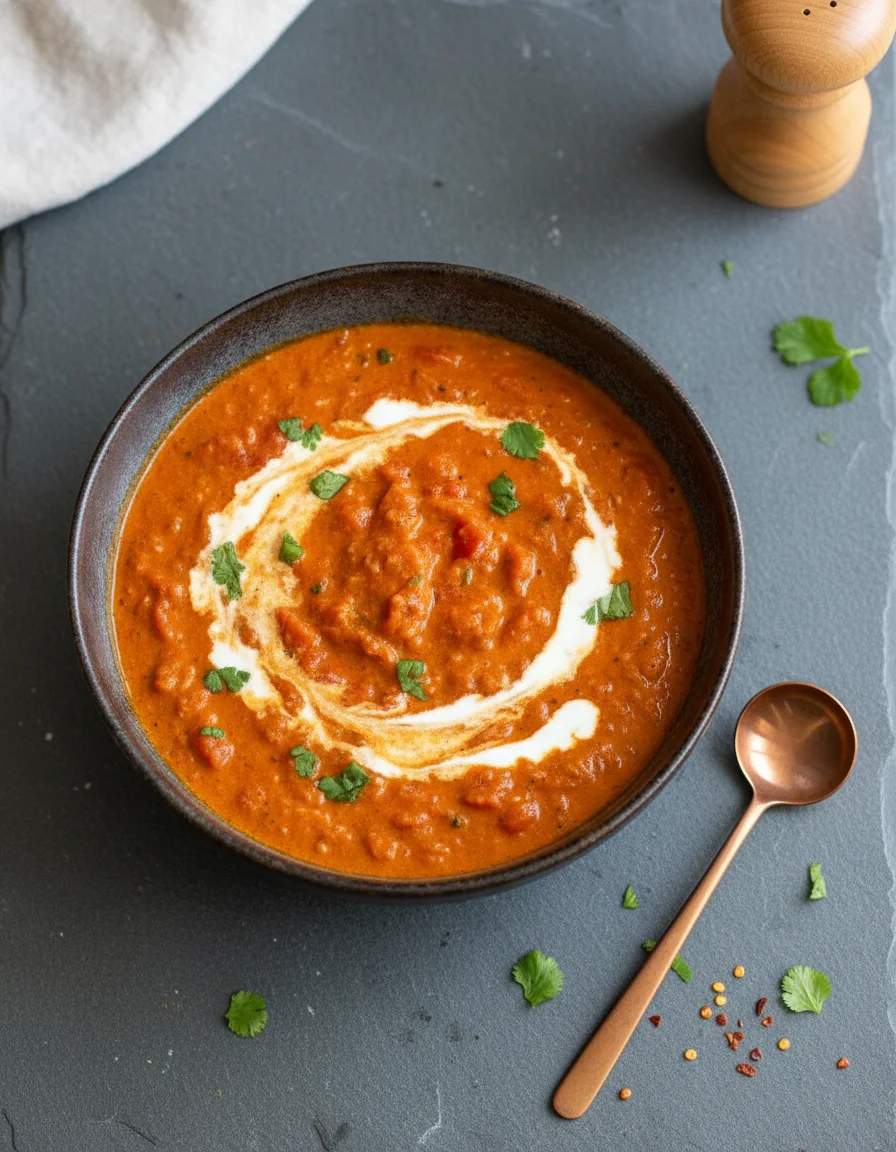
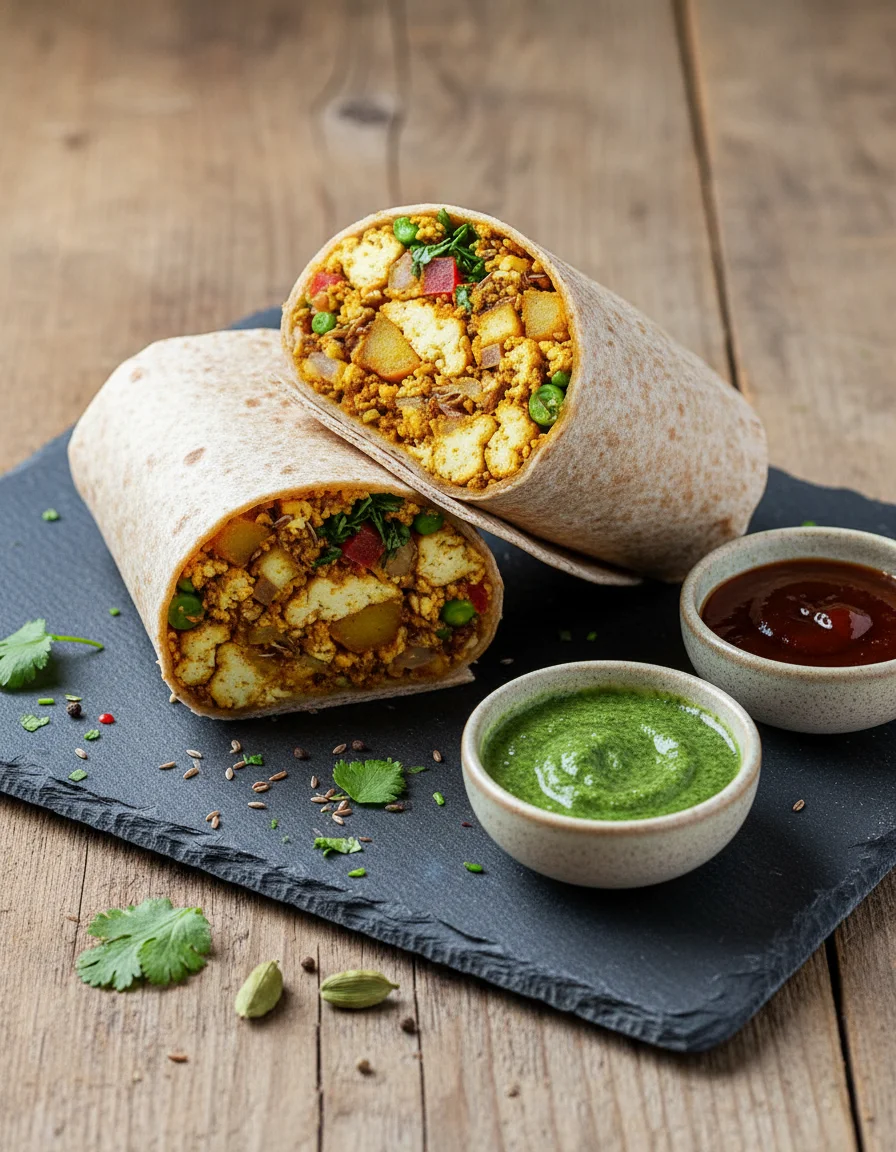





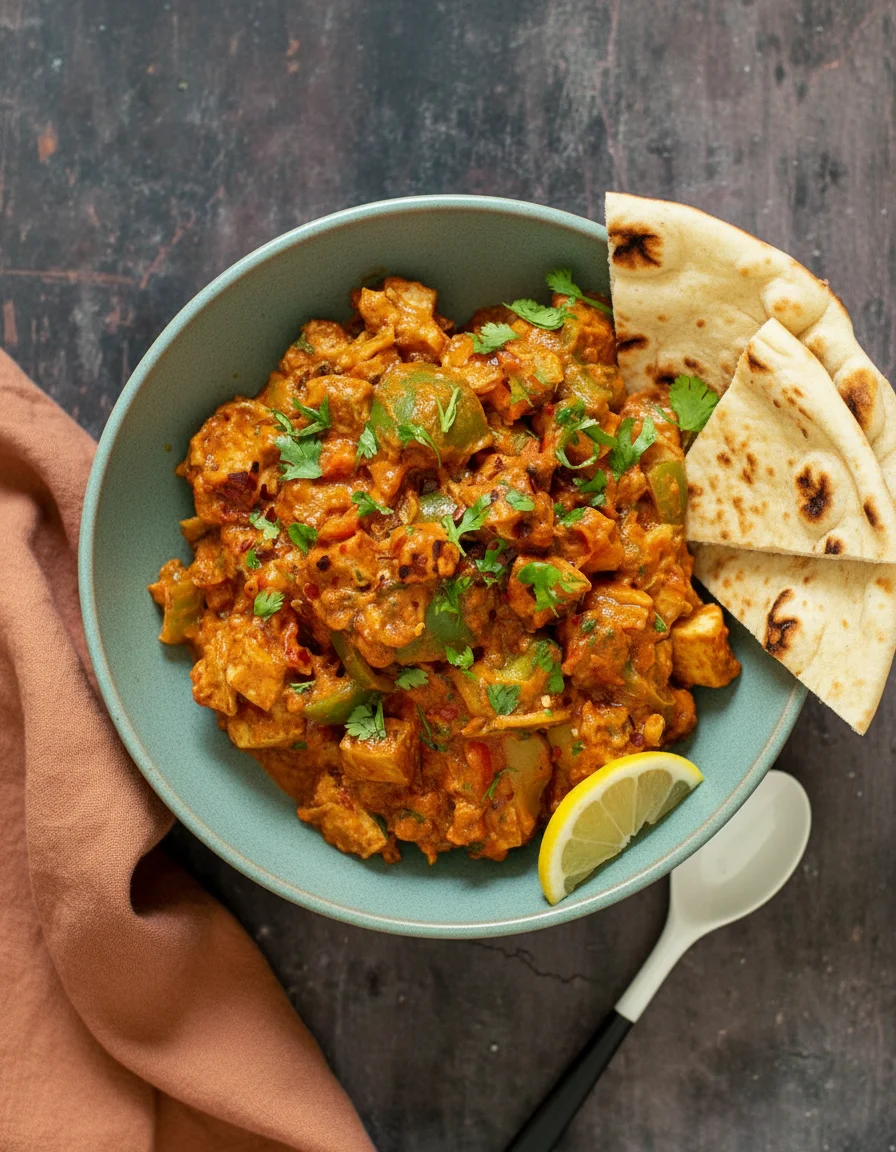


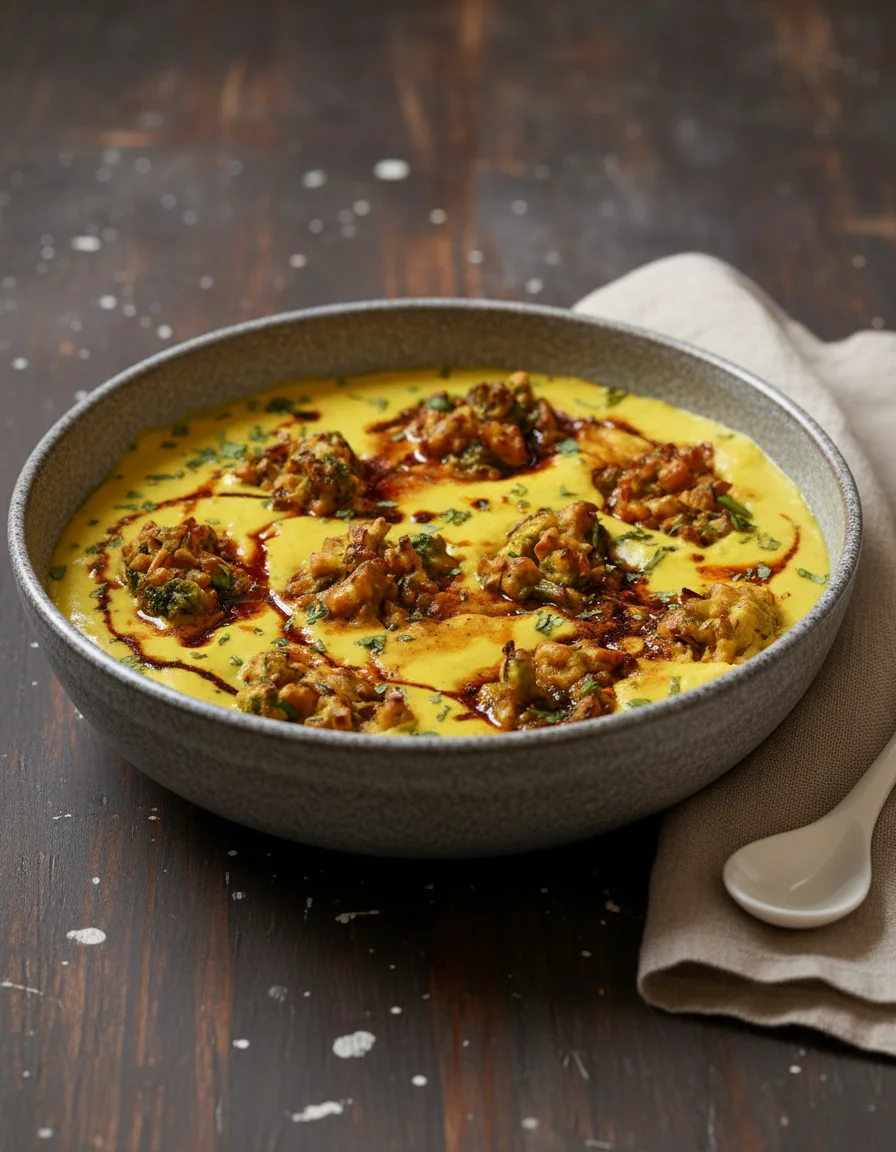
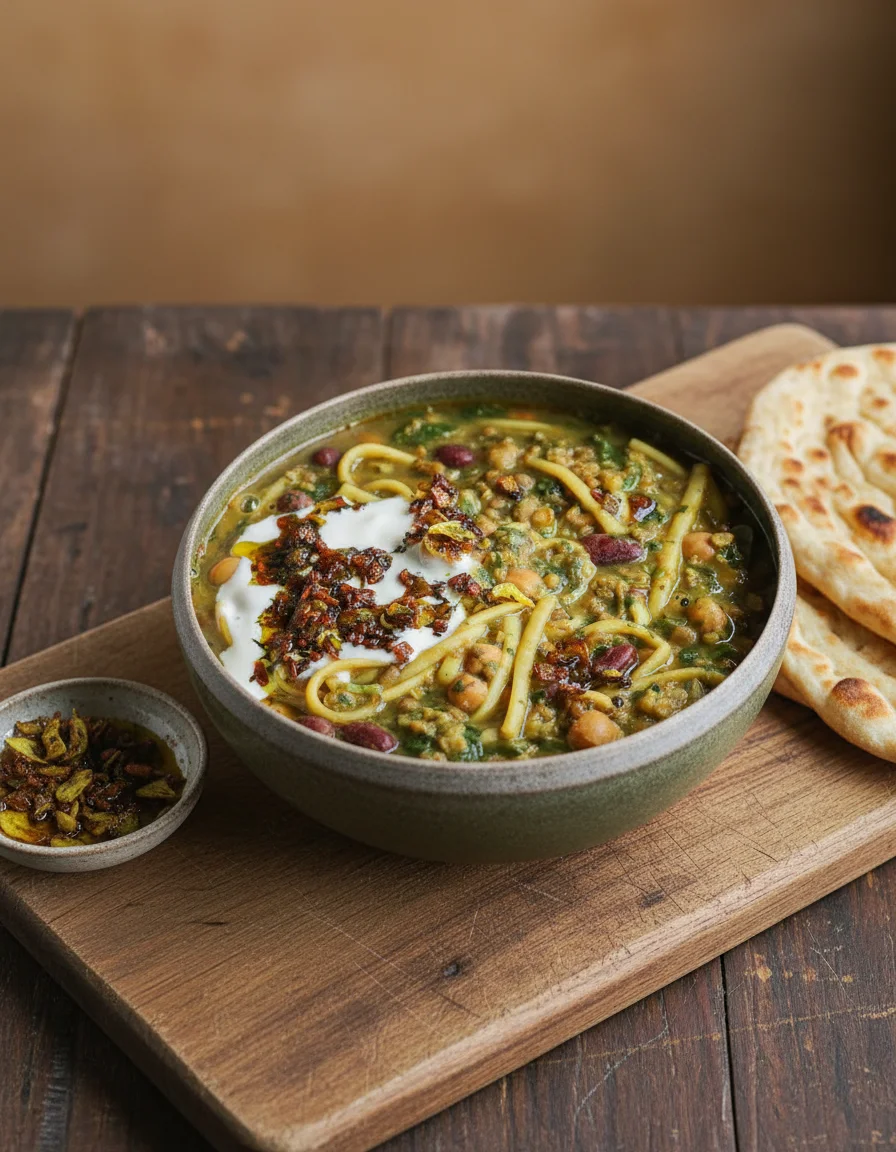
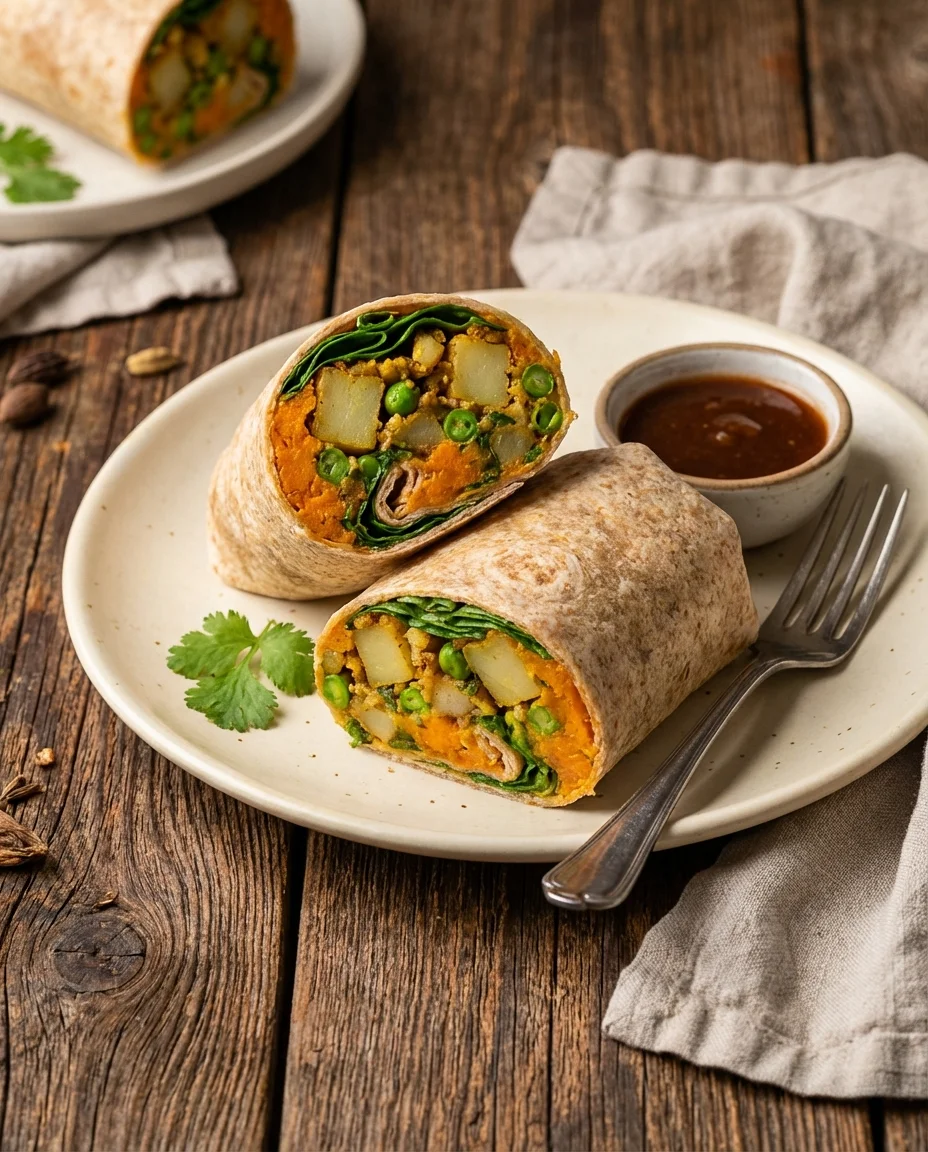
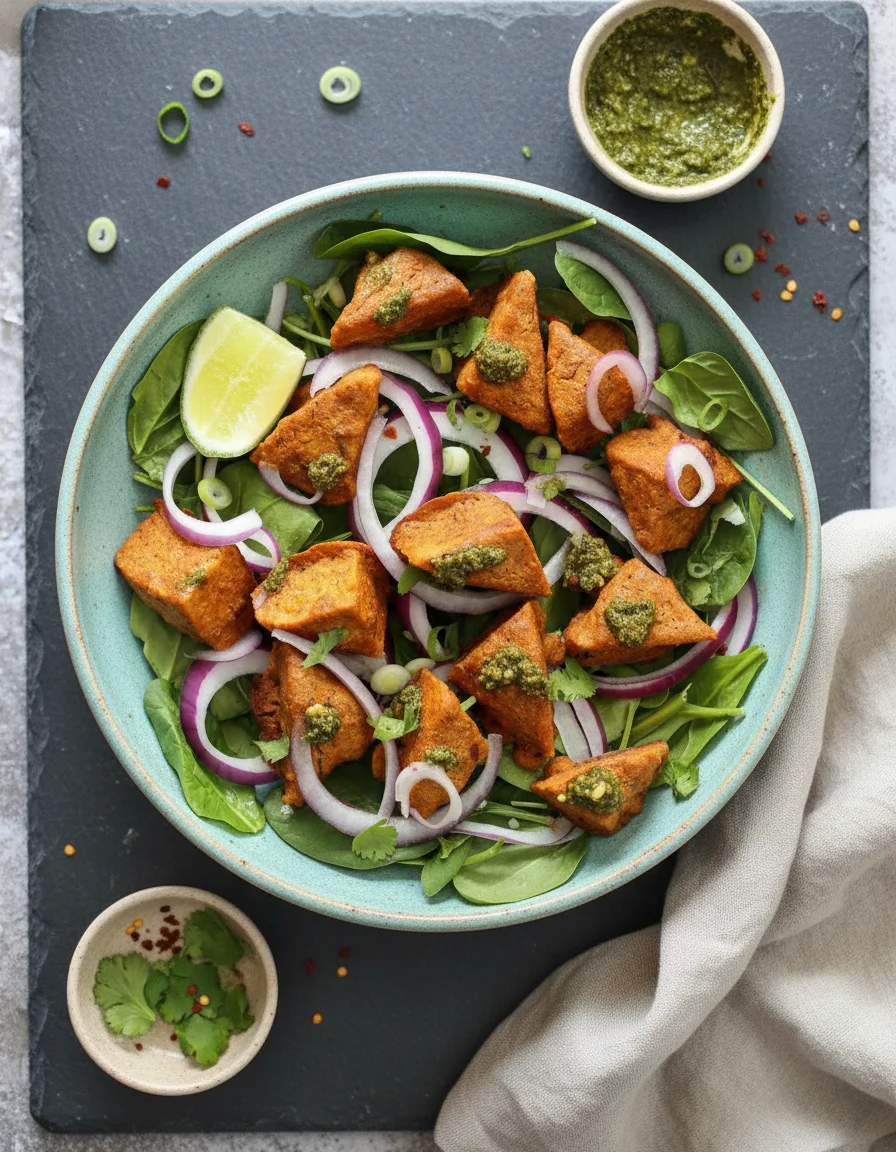
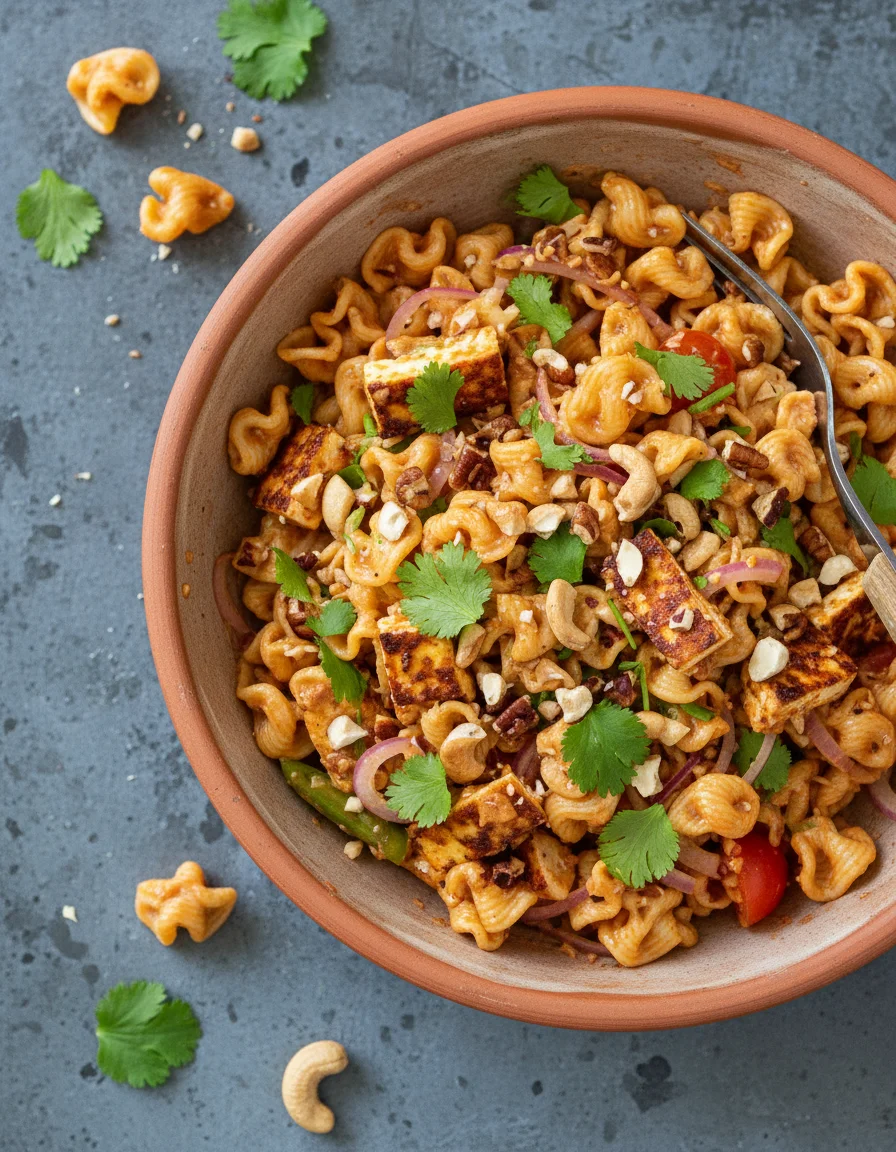
Showing 20 of 24 recipes