16+ Best Vegan Curry Leaves Recipes (Healthy & Easy)
Discover the vibrant flavor of curry leaves! Explore 16+ healthy and easy vegan curry recipes, from aromatic dals to flavorful stir-fries, and learn their amazi
About curry leaves
Welcome to the World of Curry Leaves!
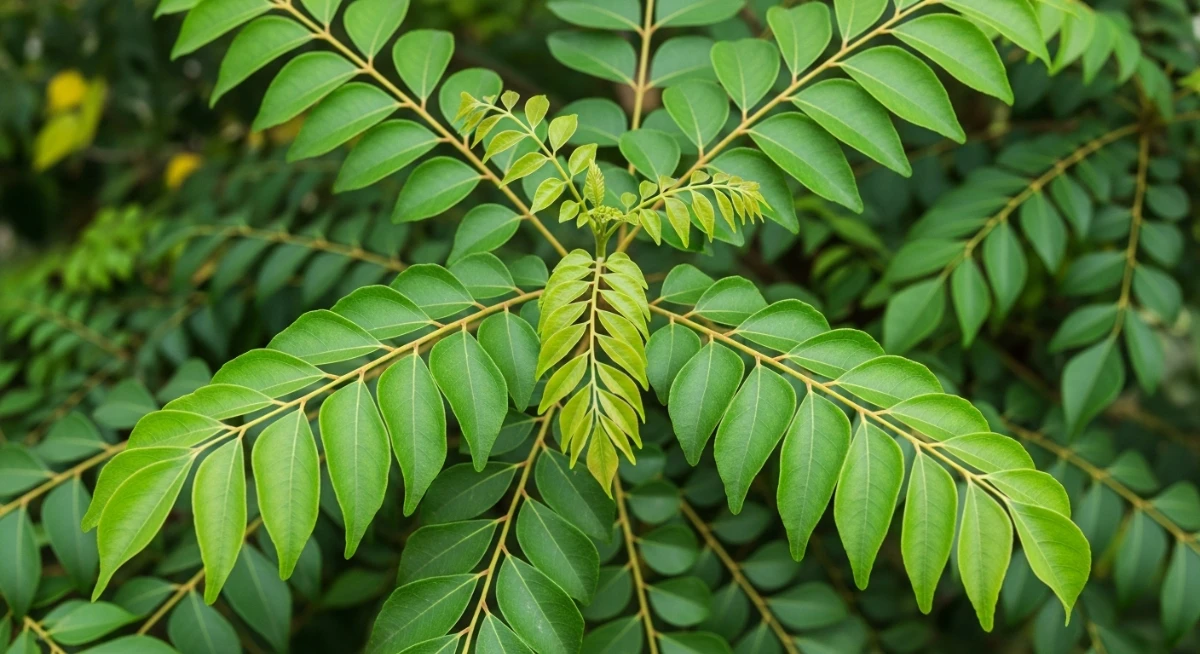
Step into the aromatic world of curry leaves, an indispensable herb in South Indian and Sri Lankan cuisine that brings an unparalleled depth of flavor to any dish. These glossy, vibrant green leaves come from the curry tree (Murraya koenigii) and are distinct from curry powder. While they share a name, curry leaves offer a fresh, nutty, slightly citrusy, and uniquely piquant aroma that transforms simple ingredients into culinary masterpieces. For vegans, curry leaves are a fantastic way to elevate plant-based dishes, adding complexity and a touch of authenticity to everything from comforting dals to crispy stir-fries and fragrant rice preparations. If you're looking to infuse your vegan cooking with exotic, robust flavors, fresh curry leaves are your secret weapon.
Health Benefits: A Tiny Leaf Packed with Power
Beyond their incredible flavor, curry leaves are a nutritional powerhouse, making them a superb addition to a plant-based diet. Based on available data (per 100g, noting typical usage is much less), they are a good source of:
- Plant-Based Protein: Contributing to your daily protein intake, essential for muscle repair and overall body function.
- Dietary Fiber: Supporting digestive health and promoting satiety.
- Vitamins: Rich in Vitamin C, an antioxidant crucial for immune support, and a significant source of Vitamin A, vital for vision and skin health. They also provide B vitamins like Thiamin, Riboflavin, Niacin, and B-6, important for energy metabolism.
- Minerals: Offering Calcium for bone health, Iron for oxygen transport, Potassium for blood pressure regulation, and Magnesium for muscle and nerve function.
These leaves are also known for their antioxidant properties, which help combat oxidative stress and promote overall well-being. Incorporating curry leaves regularly into your vegan meals is a delicious way to boost your nutrient intake naturally.
Selection Tips: Picking the Freshest Leaves
To get the most out of your curry leaves, always opt for fresh when possible. When selecting:
- Look for vibrant green color: The leaves should be deep green and shiny, not dull or yellowed.
- Check for firm texture: They should be crisp, not wilted, bruised, or dried out.
- Smell the aroma: Fresh curry leaves have a distinct, strong, slightly pungent, and citrusy aroma. Avoid any that smell off or have no scent.
- Buy in small batches: Unless you cook with them very frequently, buy only what you expect to use within a week or two, as their freshness is key to flavor.
Storage Tips: Keeping Them Fresh and Flavorful
Proper storage is essential to maintain the unique aroma and flavor of curry leaves:
- Refrigeration (Short-Term): Wrap fresh curry leaves in a damp paper towel and place them in an airtight container or a resealable plastic bag. Store them in the crisper drawer of your refrigerator. They should stay fresh for up to 1-2 weeks.
- Freezing (Long-Term): For longer storage, you can freeze curry leaves. Wash and thoroughly dry the leaves. You can either freeze them whole on a baking sheet and then transfer to a freezer-safe bag, or store them with a tablespoon of oil in an airtight container or ice cube tray (for single servings). They can last for several months in the freezer.
- Drying: While fresh is best, you can air-dry curry leaves. Spread them in a single layer on a tray in a well-ventilated area away from direct sunlight. Once completely dry and brittle, store them in an airtight container. Dried curry leaves retain some flavor but are less potent than fresh.
With these tips, you're ready to harness the incredible flavor and health benefits of curry leaves in your next vegan culinary adventure!
Frequently Asked Questions
Curry leaves are most commonly used in a process called 'tempering' or 'tadka' in Indian cuisine. This involves heating oil (or vegan butter) and frying spices like mustard seeds, cumin seeds, and curry leaves until fragrant. This aromatic mixture is then poured over dals, curries, rice dishes, or vegetable stir-fries to infuse them with flavor. You can also add them directly to stews or soups during cooking, removing them before serving if desired.
curry leaves Recipes
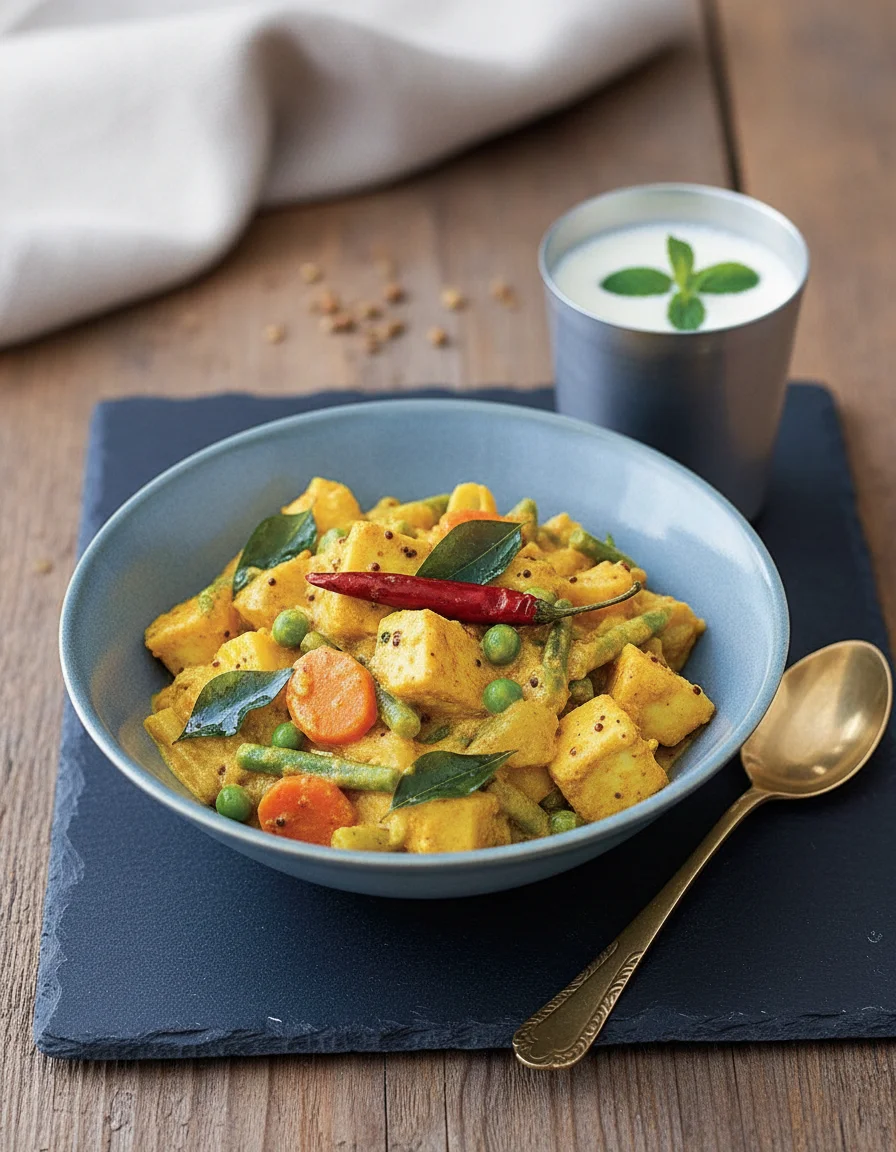
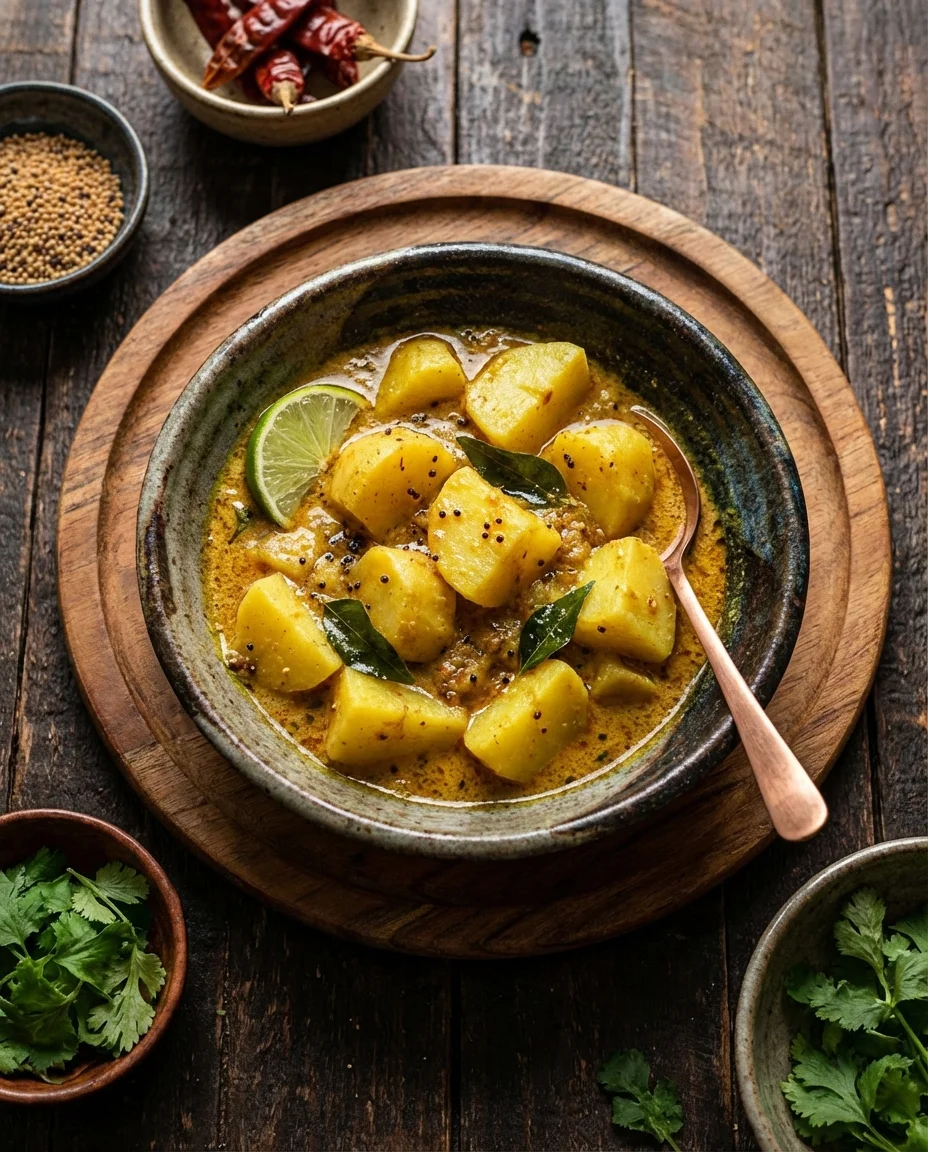


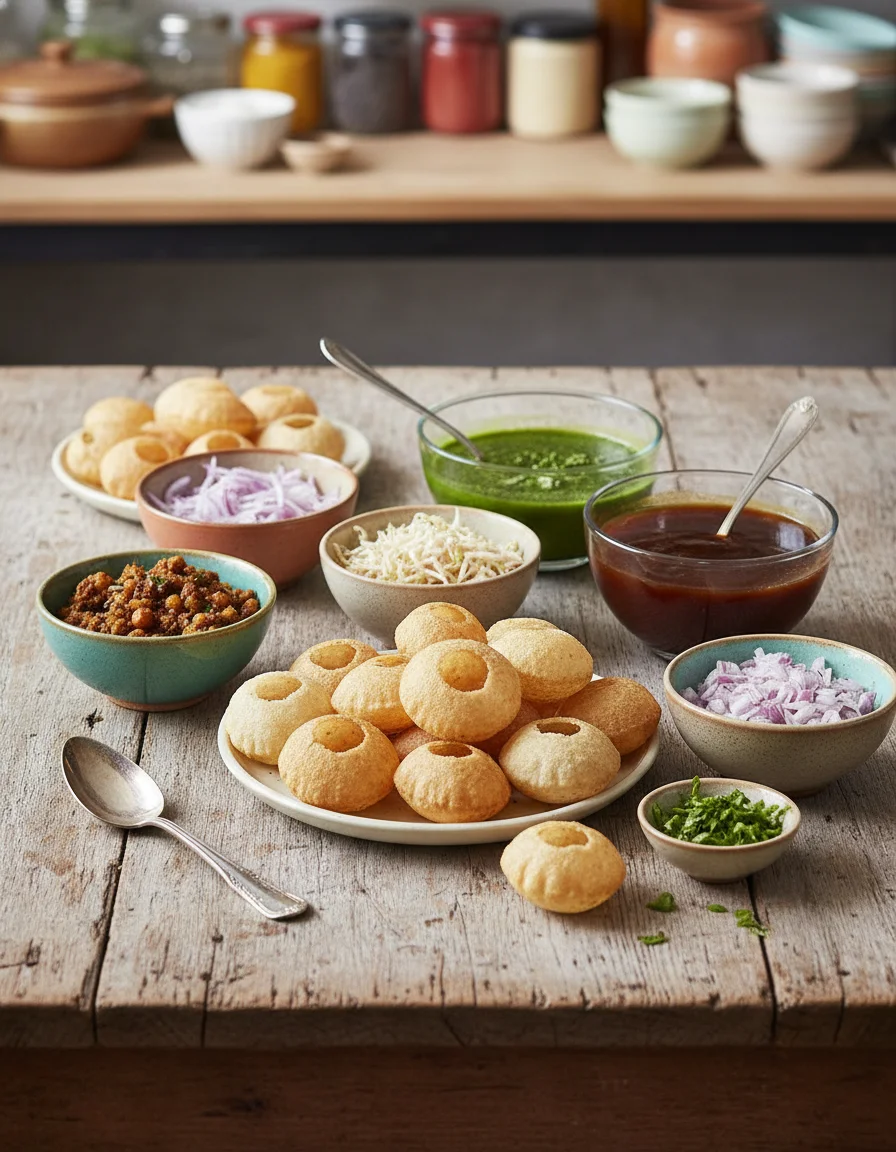







Showing 20 of 20 recipes