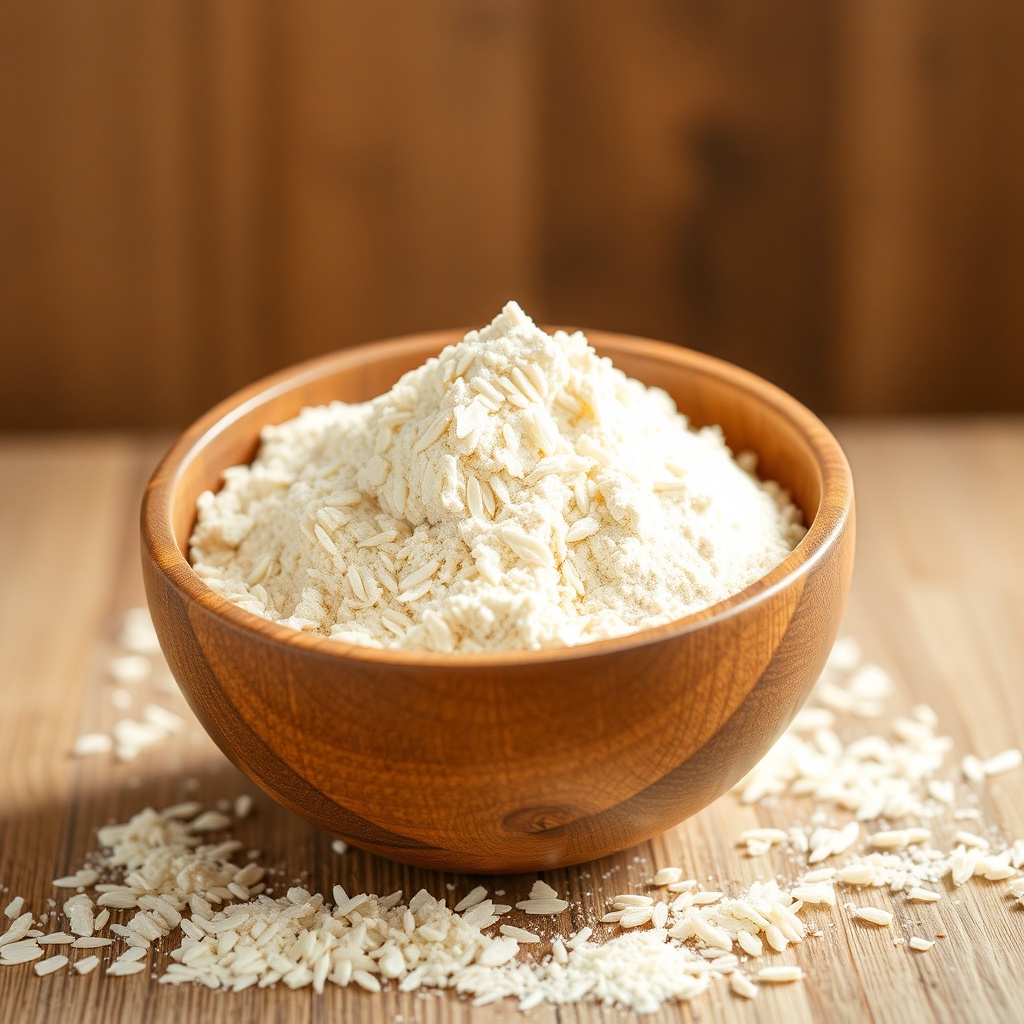
Brown Rice Flour Recipes: Healthy & Gluten-Free Vegan Baking Essentials
Discover the versatility of brown rice flour in vegan baking! Learn its health benefits, selection, storage tips, and find delicious gluten-free recipes.
About brown rice flour
Welcome to the World of Brown Rice Flour!
Brown rice flour is a cornerstone in many vegan and gluten-free kitchens, offering a nutritious alternative to traditional wheat flours. Made from finely ground whole grain brown rice, it retains the bran and germ, giving it a slightly nutty flavor and a wealth of nutrients often missing in refined flours. Its mild taste and fine texture make it incredibly versatile, perfect for everything from delicate pastries to hearty savory dishes. If you're looking to enhance your vegan cooking with a healthy, gluten-free option, brown rice flour is an indispensable pantry staple.
Health Benefits of Brown Rice Flour for Vegans
Beyond its culinary versatility, brown rice flour boasts an impressive nutritional profile, especially beneficial for those on a vegan diet. It's an excellent source of dietary fiber (4.6g per 100g), which aids digestion, promotes gut health, and helps maintain stable blood sugar levels. For vegans, it contributes to satiety and overall digestive wellness. It also provides plant-based protein (7.23g per 100g), supporting muscle maintenance and repair. Rich in essential minerals, brown rice flour offers significant amounts of Magnesium (112mg), Phosphorus (337mg), and Manganese (4.013mg) per 100g serving. Magnesium is crucial for nerve and muscle function, phosphorus for bone health, and manganese acts as a powerful antioxidant. Furthermore, it's a good source of B vitamins, including Thiamin (0.443mg) and Niacin (6.34mg), vital for energy metabolism. Its natural gluten-free status makes it an ideal choice for individuals with celiac disease or gluten sensitivities, allowing them to enjoy a wider range of baked goods and meals without compromise.
Selecting the Best Brown Rice Flour
When choosing brown rice flour, prioritize quality to ensure the best results in your cooking. Look for brands that specify "whole grain brown rice flour," ensuring you're getting the full nutritional benefits of the grain. Opt for organic varieties if possible, to avoid pesticides and other chemicals. Check the packaging for freshness dates; flour can go rancid over time due to its oil content. A finely milled flour will generally yield a smoother texture in baked goods. Avoid any flour with a strong, off-putting smell, which could indicate rancidity. Purchasing from stores with high turnover rates often guarantees fresher products.
Optimal Storage for Freshness
Proper storage is key to extending the shelf life and preserving the freshness of brown rice flour. Due to its higher oil content compared to white rice flour or refined wheat flour, brown rice flour is more susceptible to rancidity. Always store it in an airtight container to protect it from moisture, air, and pantry pests. A cool, dark pantry or cupboard is suitable for short-term storage (up to 3-6 months). For longer periods, especially in warmer climates, refrigerating or freezing brown rice flour is highly recommended. In the refrigerator, it can last up to a year, and in the freezer, it can last even longer. Before using, allow refrigerated or frozen flour to come to room temperature to prevent condensation, which can affect texture.
Versatility in Vegan Cooking
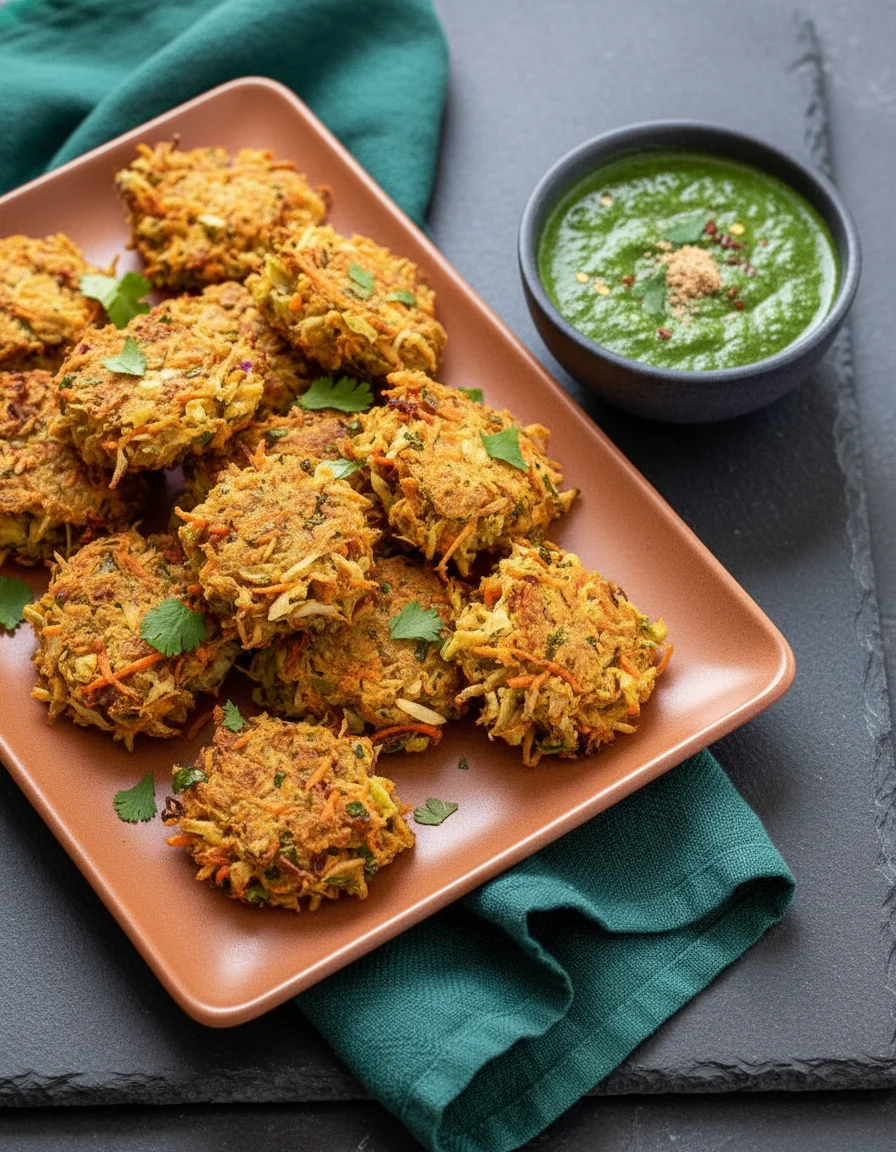
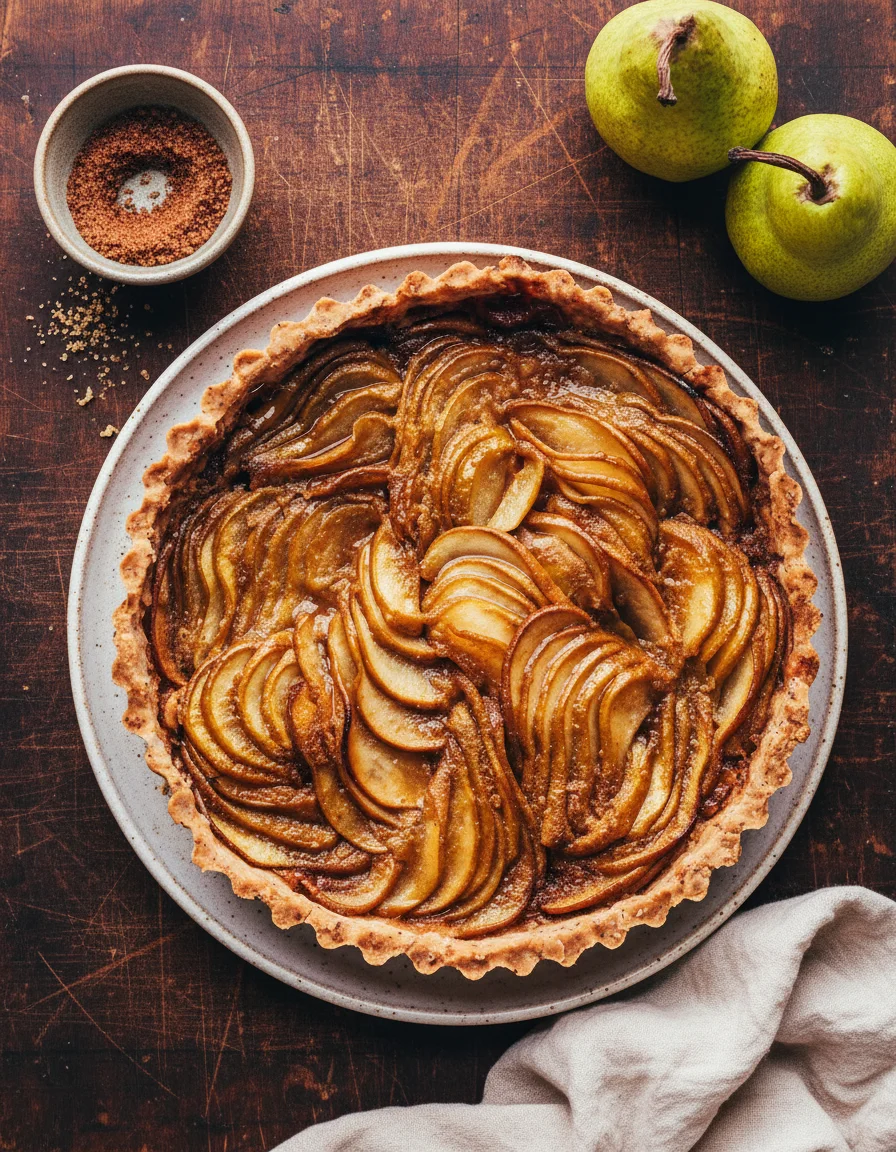
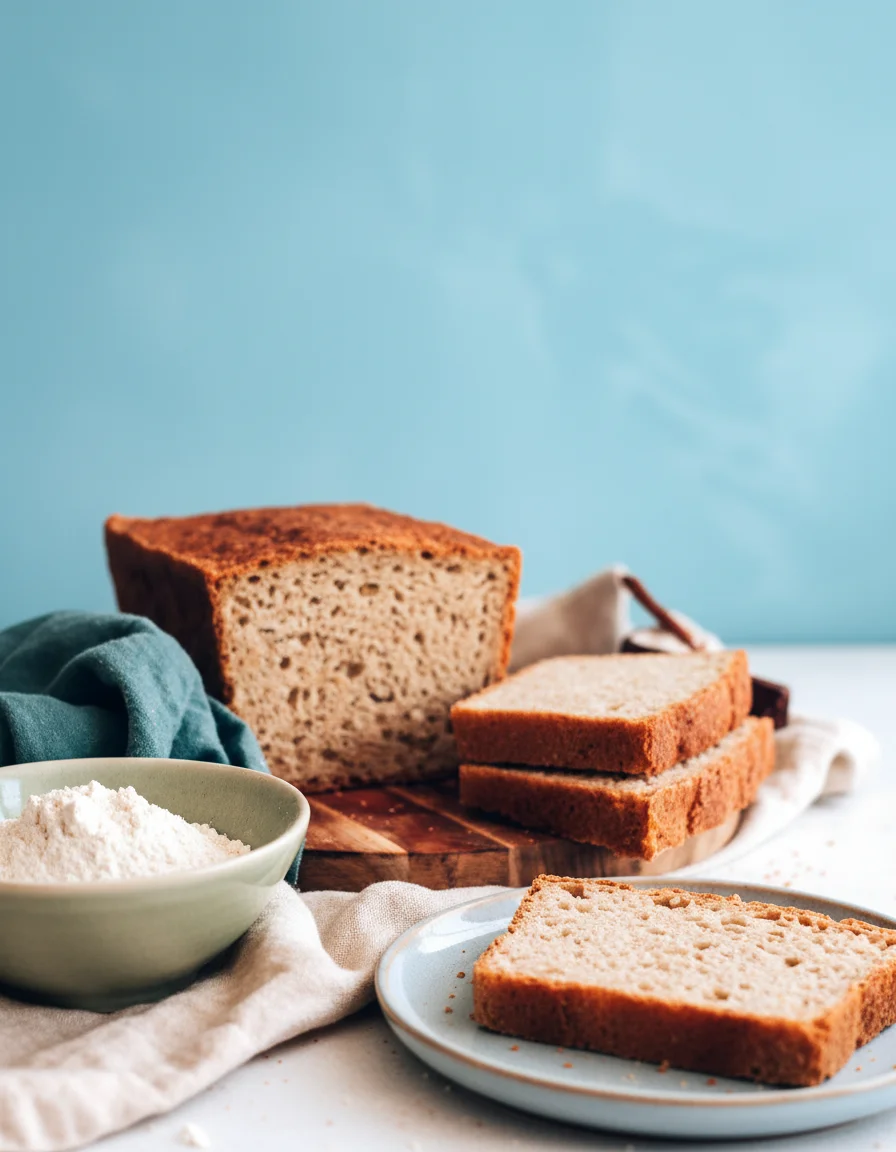
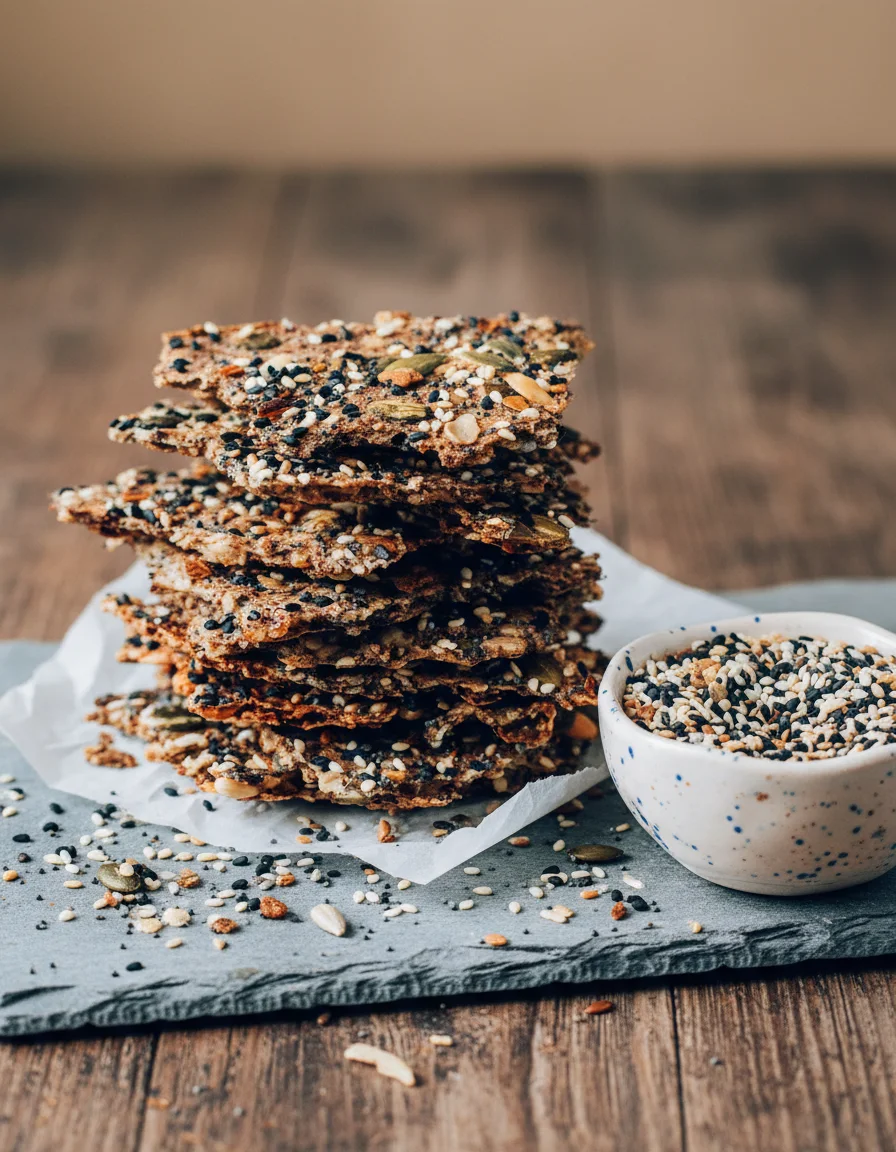
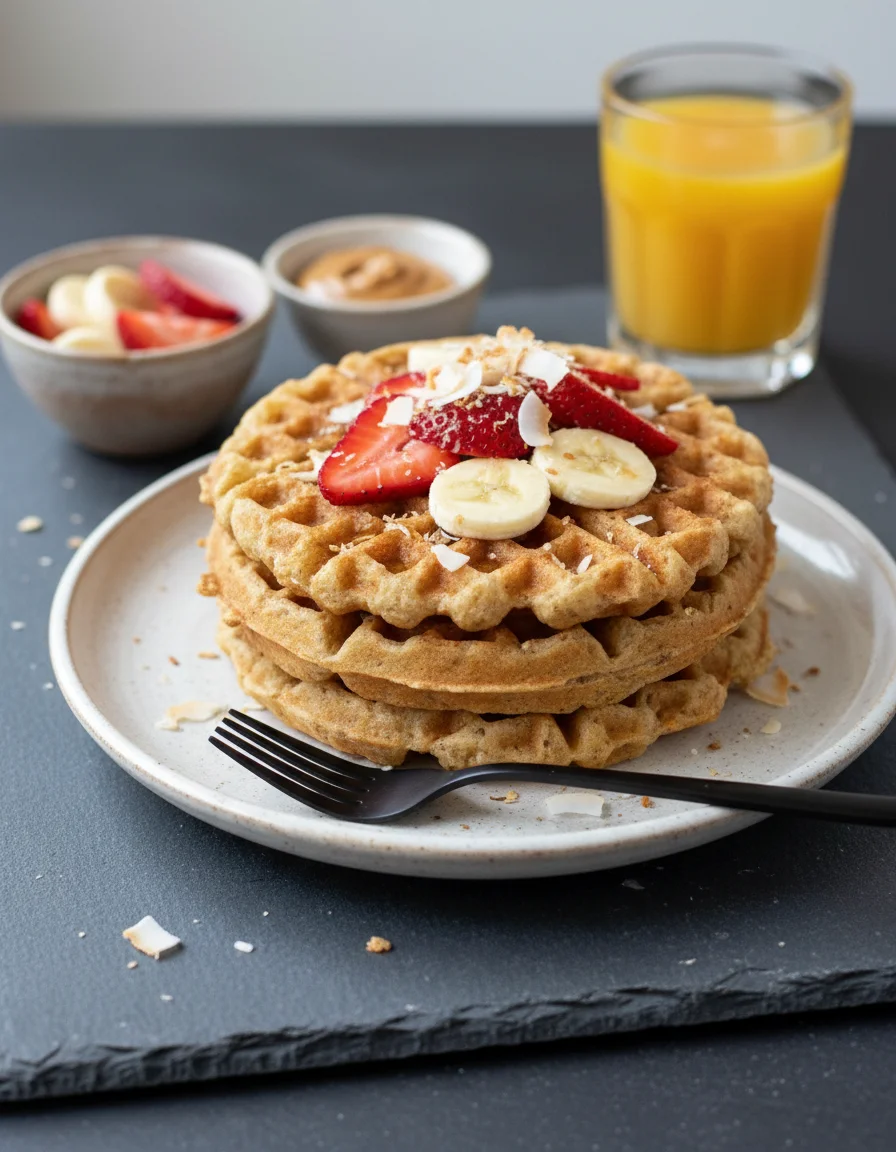
Brown rice flour is incredibly versatile in vegan cuisine. It's a staple for gluten-free baking, adding a light, crisp texture to cookies, crackers, and pie crusts. It can be used as a thickener for gravies, sauces, and soups, providing a smooth consistency without lumps. Furthermore, it makes an excellent coating for fried vegetables or tofu, creating a delightfully crispy exterior. From pancakes and muffins to savory fritters and breads, brown rice flour opens up a world of delicious, wholesome vegan possibilities.
Frequently Asked Questions
Brown rice flour is incredibly versatile for vegan and gluten-free recipes. In baking, it's often combined with other gluten-free flours (like tapioca starch or potato starch) to achieve a balanced texture in cakes, cookies, and breads. It also works wonderfully as a thickener for vegan gravies, sauces, and soups, or as a crispy coating for tofu and vegetables before frying or baking.
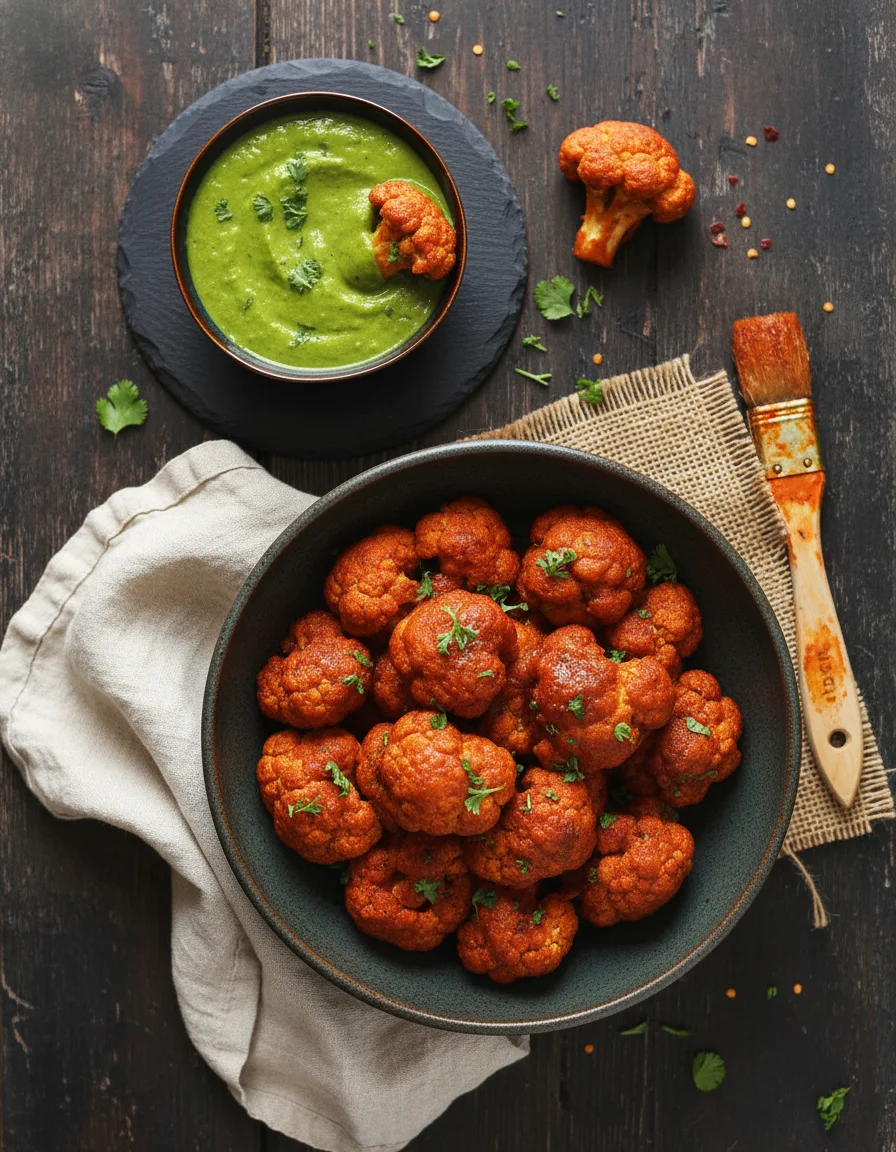
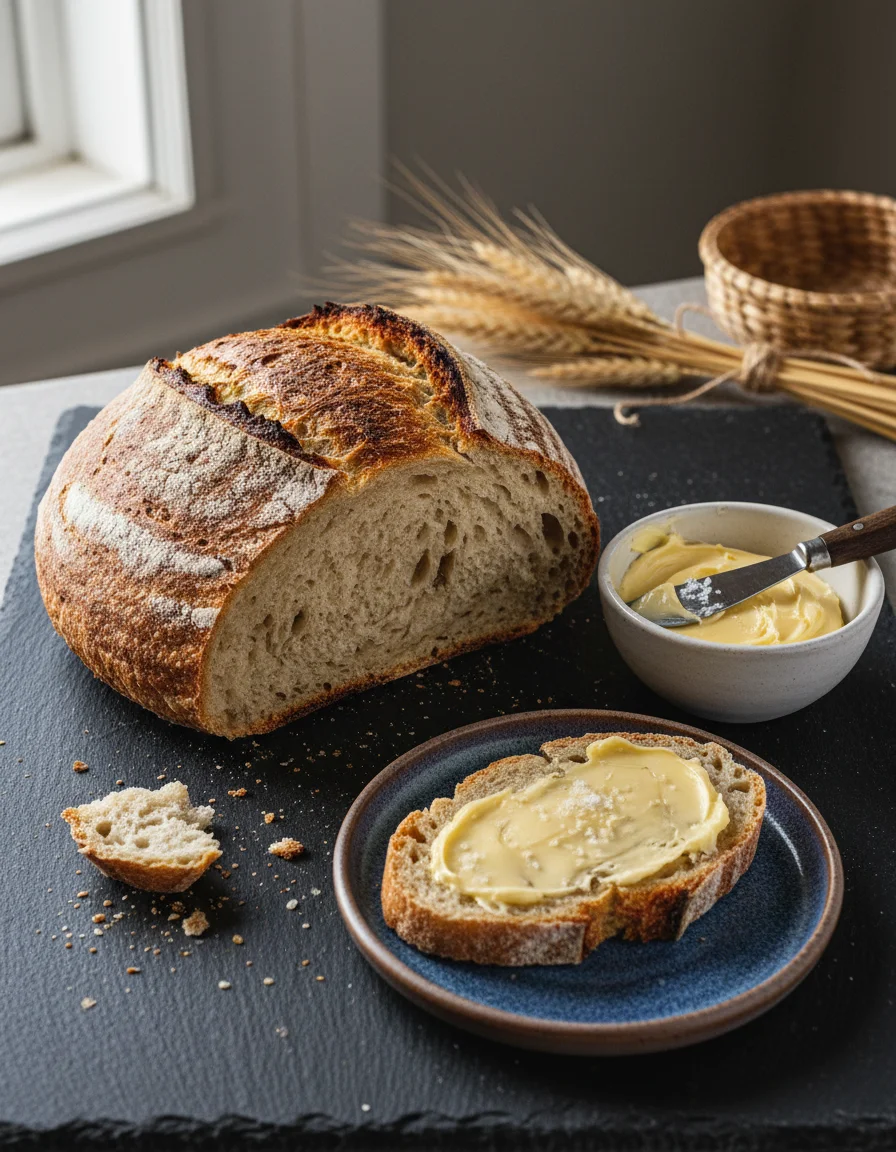
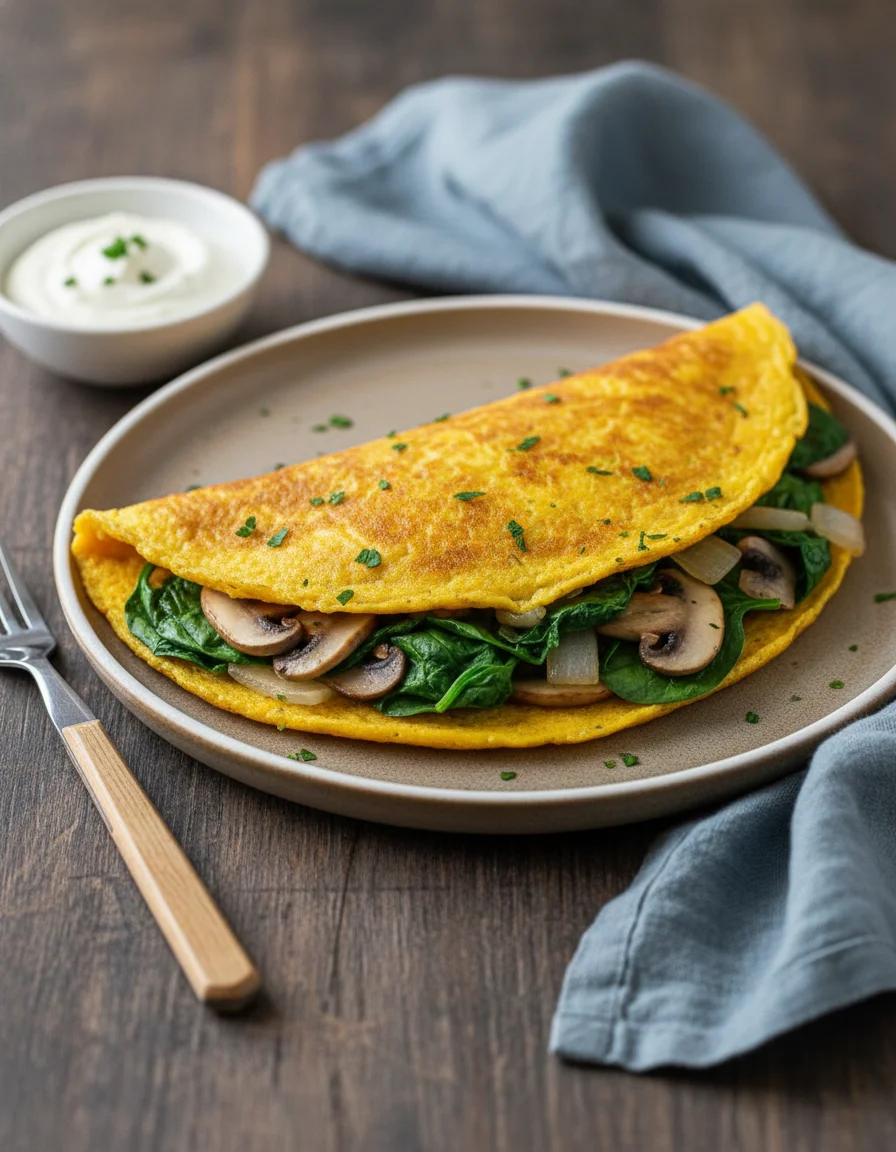
brown rice flour Recipes



Showing 14 of 14 recipes