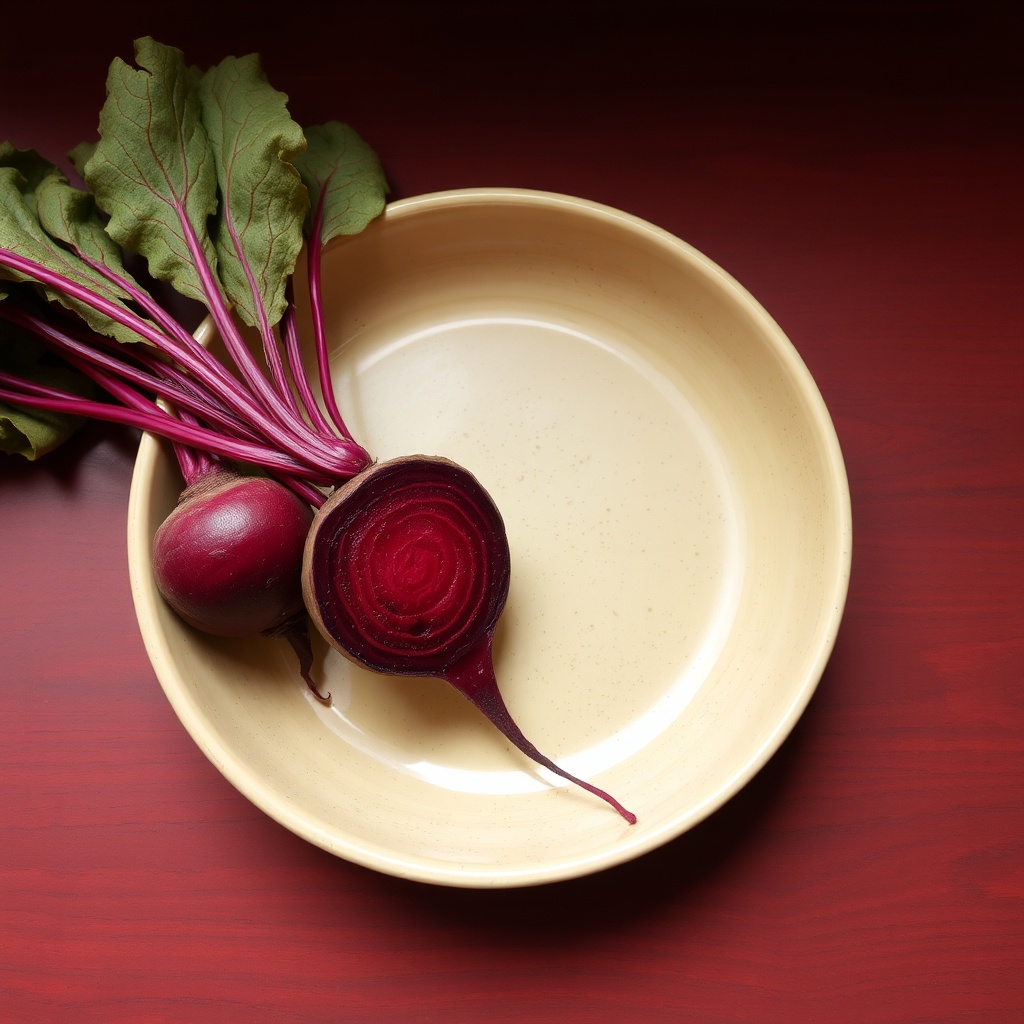
6+ Best Vegan Beetroot Recipes (Healthy & Easy)
Discover the vibrant world of vegan beetroot recipes! Learn how to select, store, and cook this nutritious root vegetable for delicious, healthy meals.
About beetroot
Welcome to the wonderful world of beetroot, a vibrant root vegetable that’s a true hero in vegan cuisine! Known for its striking ruby-red hue and earthy-sweet flavor, beetroot (or simply "beets") is incredibly versatile. Whether you're roasting it until tender, blending it into a creamy soup, or adding its fresh crunch to a salad, beetroot brings both stunning color and significant nutritional benefits to your plate.
Health Benefits of Beetroot for Vegans
For those following a plant-based diet, beetroot is a nutritional powerhouse. It’s an excellent source of essential vitamins and minerals, helping to ensure a well-rounded diet.
- Rich in Folate: With approximately 109 µg per serving (1 cup raw), beetroot is a fantastic source of folate, crucial for cell growth and function.
- Potassium Powerhouse: Boasting 325 mg of potassium per cup, beetroot supports healthy blood pressure and fluid balance, vital for overall well-being.
- Fiber-Filled: Providing 2.8 grams of dietary fiber, beetroot promotes digestive health and helps maintain satiety.
- Antioxidant Rich: Beetroot gets its distinctive color from betalains, powerful antioxidants with anti-inflammatory properties that help protect your cells from damage.
- Natural Nitrates: These compounds convert into nitric oxide in the body, which can help improve blood flow and lower blood pressure, making beetroot a popular choice for athletes and those looking to support cardiovascular health.
- Essential Minerals: Beetroot also provides valuable iron (0.8 mg per cup), magnesium, phosphorus, and vitamin C, all important for energy, bone health, and immune function.
How to Select the Best Beetroot
Choosing fresh, quality beetroot is key to delicious dishes. Look for firm, smooth beets that are free from soft spots, blemishes, or cuts. If the greens are still attached, they should be fresh, crisp, and vibrant, not wilted or yellowing. Smaller beets tend to be more tender and sweeter, while larger ones can sometimes be a bit woodier, though still flavorful when cooked properly.
Storing Beetroot to Keep it Fresh
Proper storage ensures your beetroot stays fresh and flavorful for longer. If your beets come with greens attached, remove them immediately (but don't discard them – they're edible and delicious!). Store the greens separately in a plastic bag in the refrigerator for up to 2-3 days. The beetroot roots themselves should be stored unwashed in a cool, dark place or in a perforated plastic bag in the refrigerator's crisper drawer. Stored this way, they can last for 2-4 weeks. Cooked beetroot can be stored in an airtight container in the fridge for 3-5 days.
From vibrant salads to hearty roasts and even sweet treats, beetroot's unique flavor profile and impressive nutritional benefits make it an indispensable ingredient in any vegan kitchen. Get ready to explore its delicious potential!
Frequently Asked Questions
Start by washing the beetroot thoroughly under cold water. If the skin is tender and thin (especially with younger beets), you can often leave it on for roasting or boiling, as it will soften and add nutrients. For a smoother texture or if the skin is tougher, peel it using a vegetable peeler. You can then chop, slice, or grate it according to your recipe.
beetroot Recipes


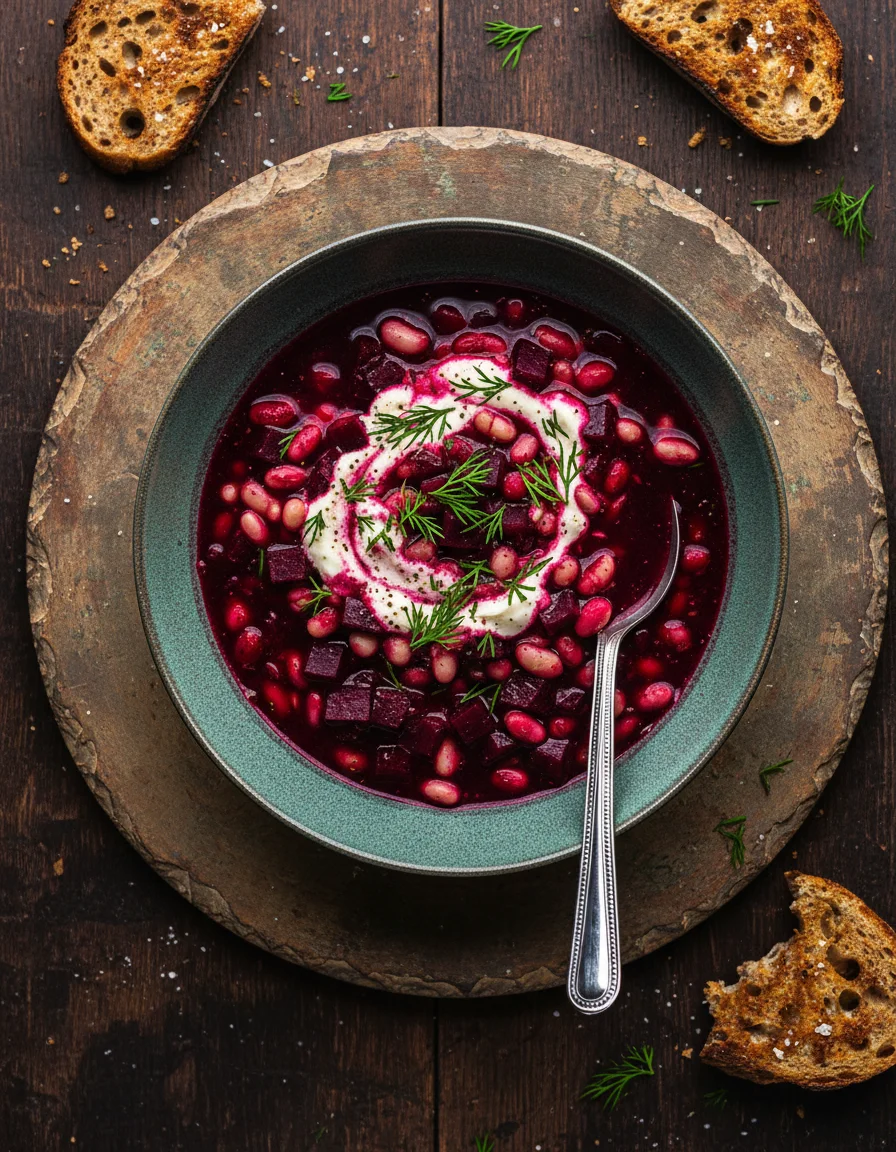
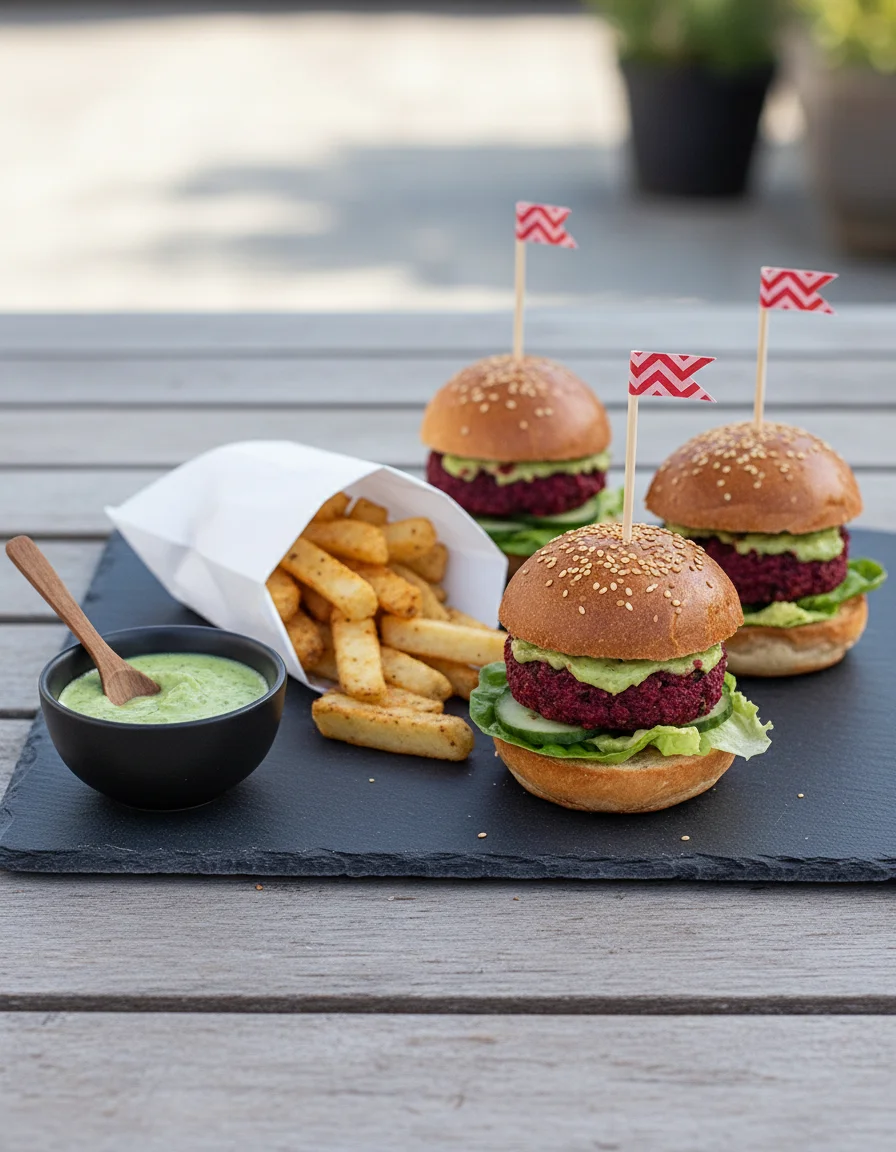
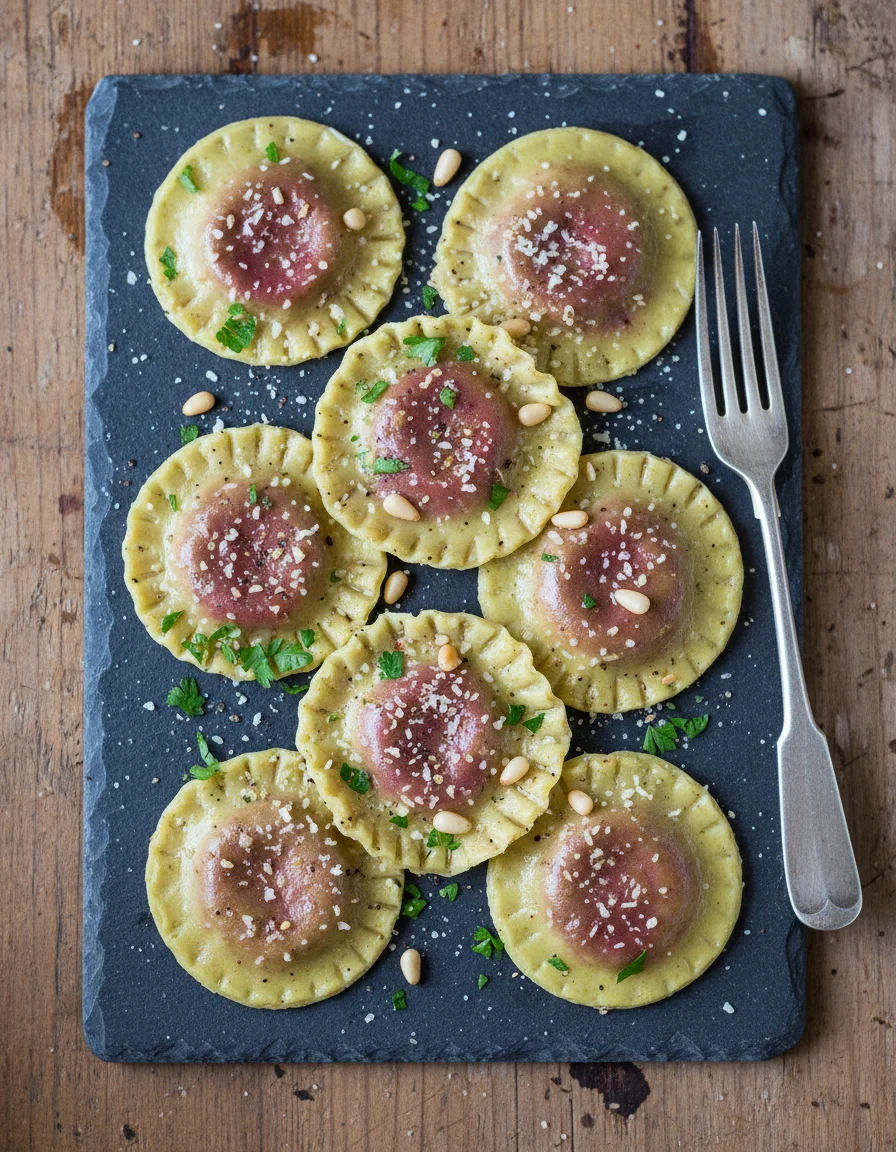
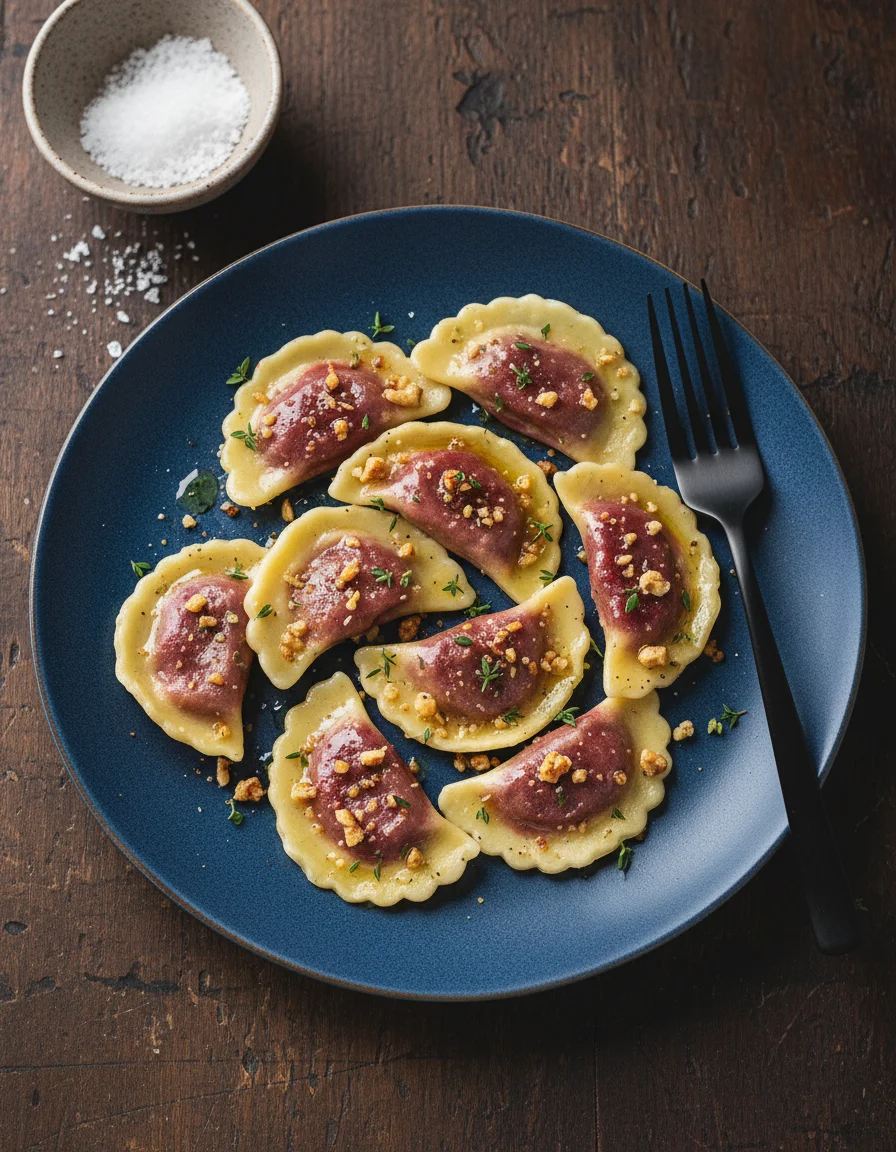

Showing 10 of 10 recipes