9+ Best Vegan Beans Recipes (Healthy & Easy)
Discover the versatility of vegan beans! From hearty stews to vibrant salads, explore delicious, healthy, and easy plant-based recipes to nourish your body.
About beans
Beans are a cornerstone of vegan cuisine, cherished for their incredible versatility, affordability, and outstanding nutritional profile. More than just a humble pantry staple, beans are a powerhouse of plant-based goodness, making them an essential ingredient for anyone embracing a plant-forward lifestyle. Whether you're simmering a comforting chili, crafting a vibrant salad, or blending a creamy dip, beans bring a unique texture and a wealth of health benefits to your table.
Health Benefits of Beans
Beans, including varieties like green beans, black beans, kidney beans, chickpeas, and lentils, are nutritional superstars. The provided data for raw green beans highlights just some of their incredible offerings:
- Excellent Source of Plant-Based Protein: Crucial for muscle repair, growth, and overall body function, beans offer a substantial amount of protein, making them a fantastic alternative to meat. Green beans alone provide 1.83g of protein per 100g.
- Rich in Fiber: With 2.7g of dietary fiber per 100g in green beans, these legumes are fantastic for digestive health. Fiber aids in satiety, helps regulate blood sugar levels, and supports a healthy gut microbiome.
- Packed with Vitamins & Minerals: Beans are a treasure trove of essential micronutrients. Green beans boast Vitamin C (12.2mg), Vitamin K (43µg), and Vitamin A (207µg RAE), alongside B-vitamins like Folate (33µg) and B-6 (0.141mg). They also provide vital minerals such as Iron (1.03mg), Magnesium (25mg), Potassium (211mg), and Manganese (0.216mg), which are crucial for energy production, bone health, and immune function.
- Low in Fat and Cholesterol-Free: Naturally low in fat and completely free of cholesterol, beans contribute to heart health and help maintain healthy weight.
How to Select the Best Beans
- Fresh Beans (e.g., Green Beans): Look for beans that are firm, vibrant in color, and snap easily when bent. Avoid any with blemishes, soft spots, or a dull appearance.
- Canned Beans: Choose cans that are free from dents or bulges, which can indicate spoilage. Opt for low-sodium or no-salt-added varieties whenever possible, or rinse them thoroughly before use to reduce sodium content.
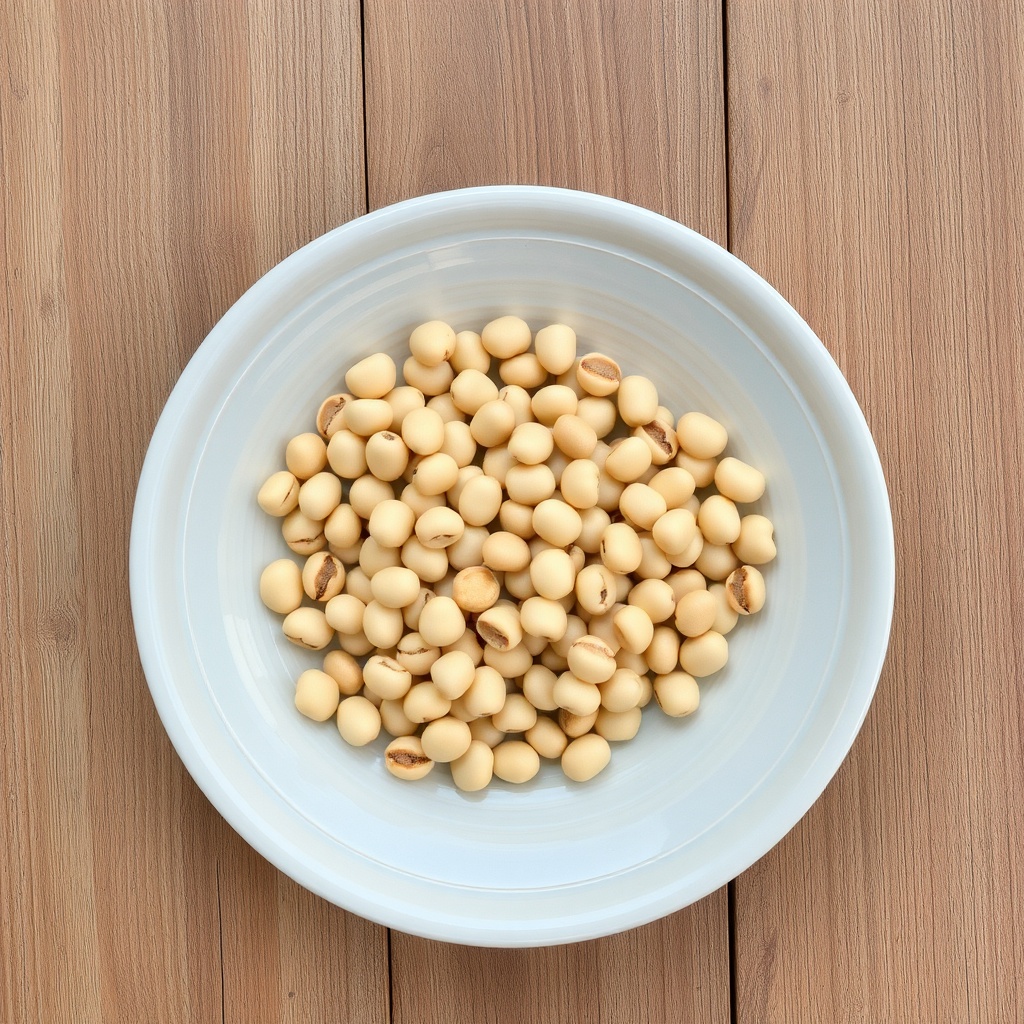
- Dried Beans: Select dried beans that are uniform in color and size, free from cracks, debris, or insect damage. Purchase from stores with good turnover to ensure freshness.
Storage Tips for Maximum Freshness
- Fresh Beans: Store fresh beans unwashed in a perforated plastic bag in the refrigerator's crisper drawer for up to 5-7 days. Wash them just before use.
- Canned Beans: Unopened cans can be stored in a cool, dry pantry for 1-2 years (check the 'best by' date). Once opened, transfer unused beans to an airtight container, cover with fresh water, and refrigerate for up to 3-4 days.
- Dried Beans: Keep dried beans in an airtight container in a cool, dark, dry place. They can last for 1-2 years, though older beans may require longer cooking times.
From their humble beginnings to starring roles in countless vegan dishes, beans are an indispensable ingredient. Dive into the world of beans and discover how these incredible legumes can elevate your vegan cooking!
Vegan Substitutions
Plant-based alternatives for beans in your recipes
| Original Ingredient | Replace with | Vegan Alternative | Notes |
|---|---|---|---|
| Ground Meat (Beef, Turkey, Pork) | Black Beans, Lentils, or Crumbled Tofu | For chili, tacos, burgers, or bolognese. Use 1 can drained black beans or 1 cup cooked lentils for approximately 1 lb of ground meat. Mash black beans slightly for a meatier texture. | |
| Chicken | Chickpeas (Garbanzo Beans) | Excellent in curries, salads, and wraps. Roasted chickpeas can replace crispy chicken pieces. Use about 1-2 cans of chickpeas per chicken breast equivalent. |
Substitution ratios may vary by recipe. Start with a 1:1 ratio and adjust to taste.
Frequently Asked Questions
For most dried beans (excluding lentils and split peas), it's recommended to soak them first. Rinse the beans thoroughly, then soak them in plenty of cold water for 8-12 hours, or overnight. Alternatively, use a quick-soak method by boiling beans for 2-3 minutes, then removing from heat and letting them stand in the hot water for 1-4 hours. Drain and rinse the soaked beans before cooking them in fresh water until tender.
beans Recipes


Showing 12 of 12 recipes