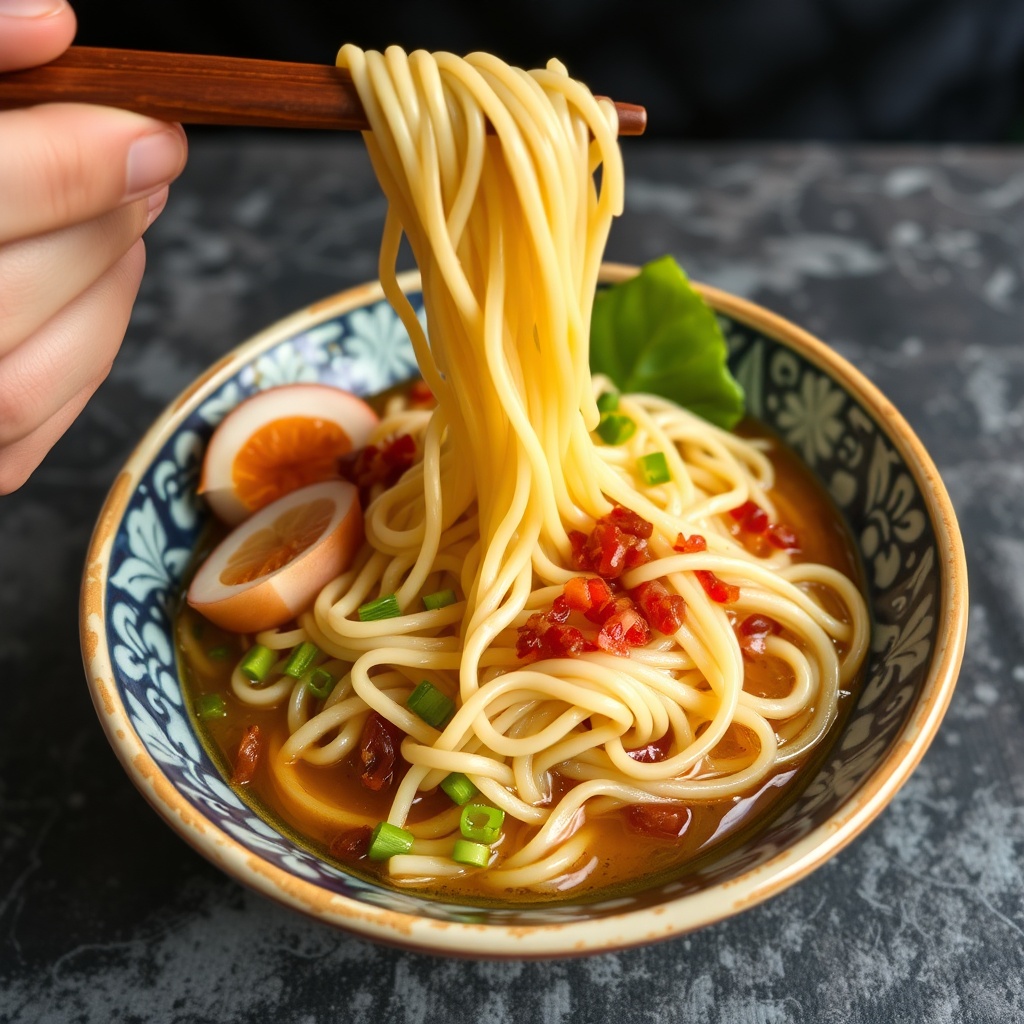
9+ Best Vegan Udon Noodle Recipes (Healthy & Easy)
Craving chewy, satisfying udon noodles? Discover our collection of 9+ delicious and healthy vegan udon noodle recipes, from savory stir-fries to comforting soup
About udon noodles
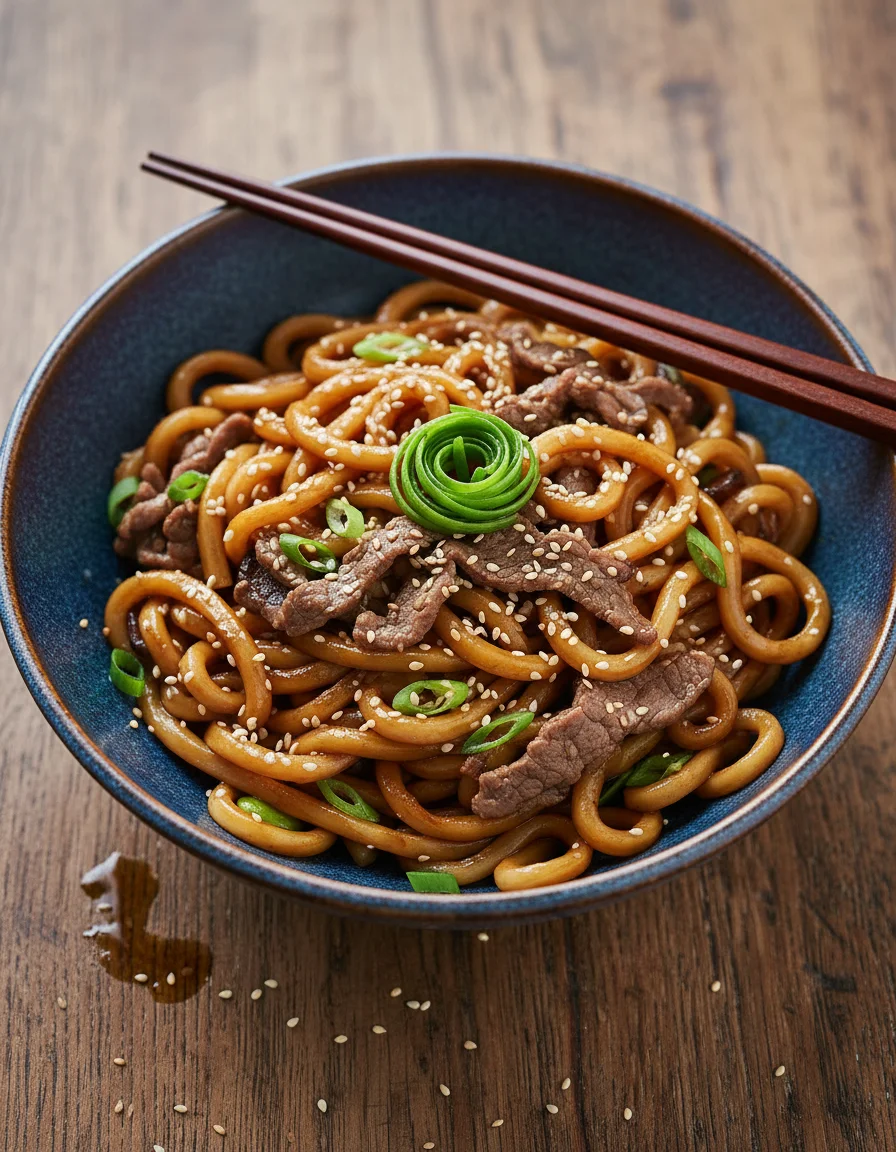
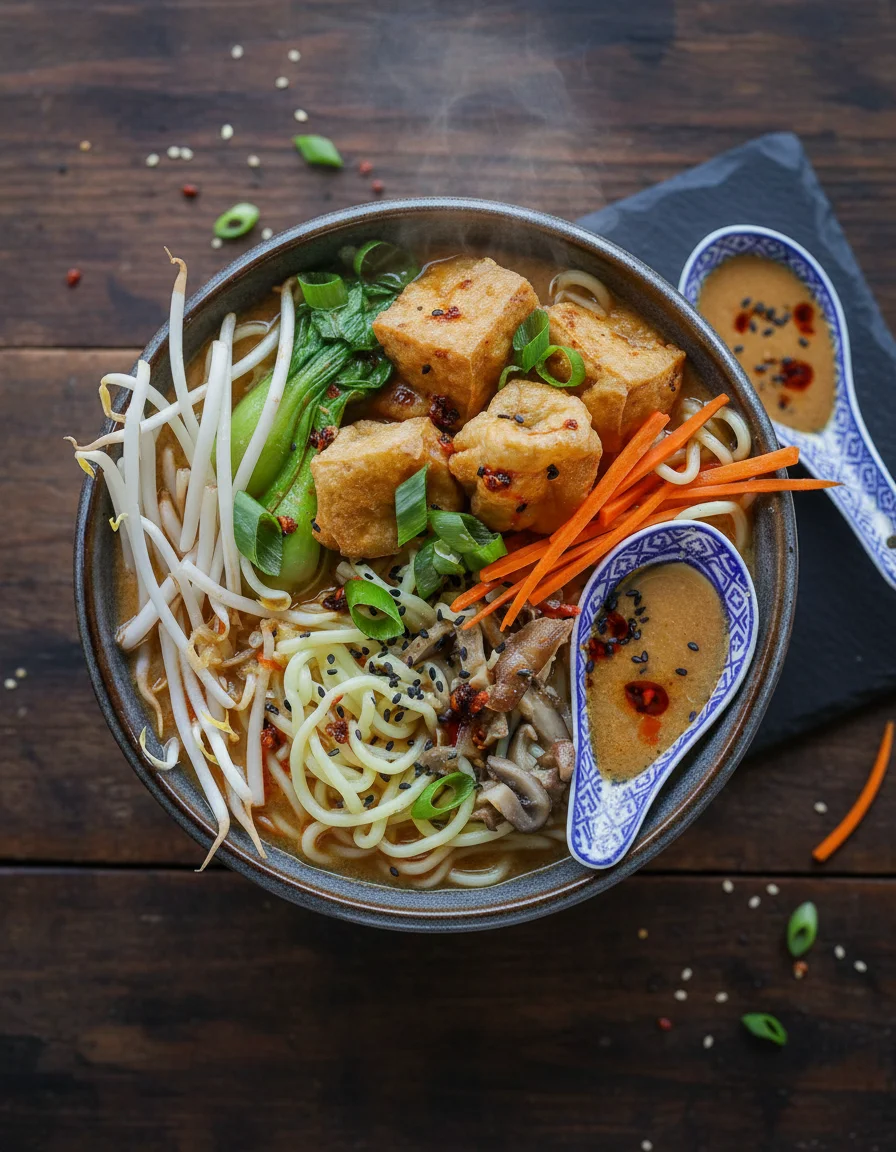
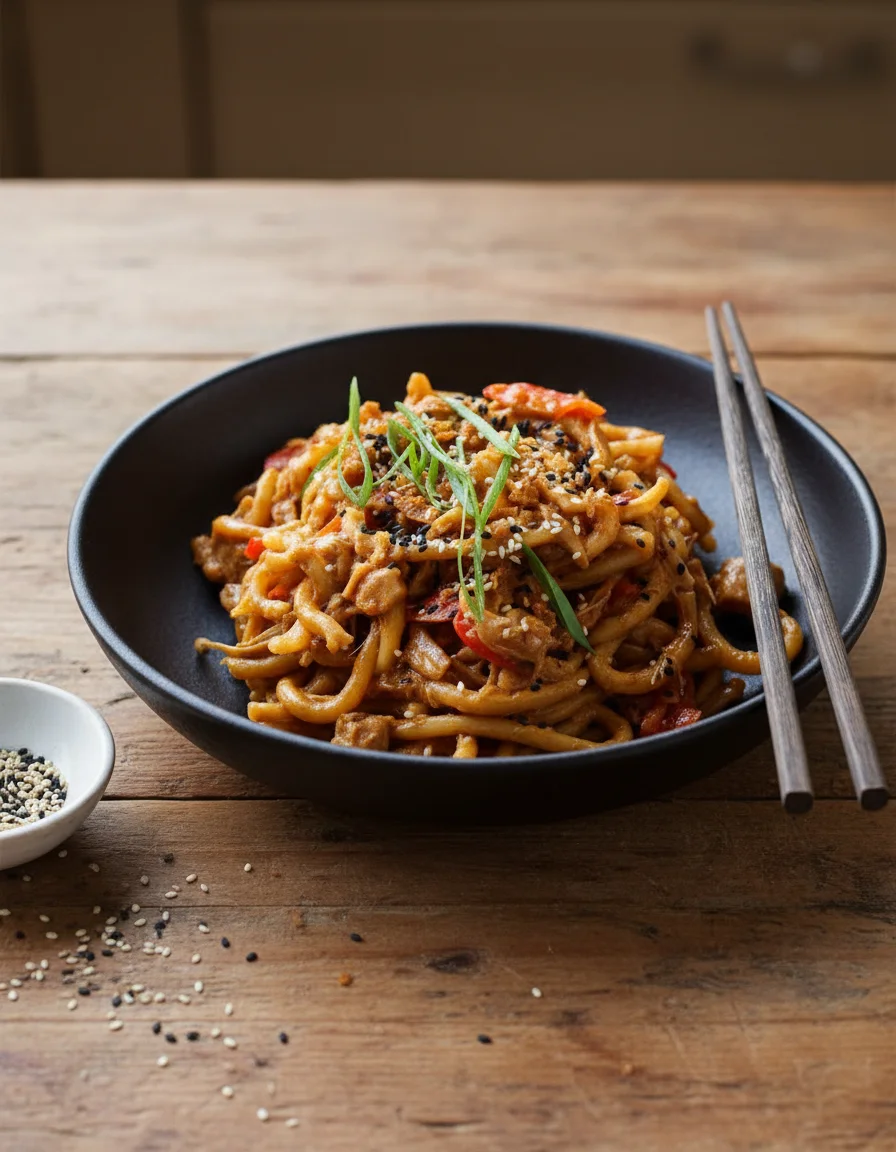
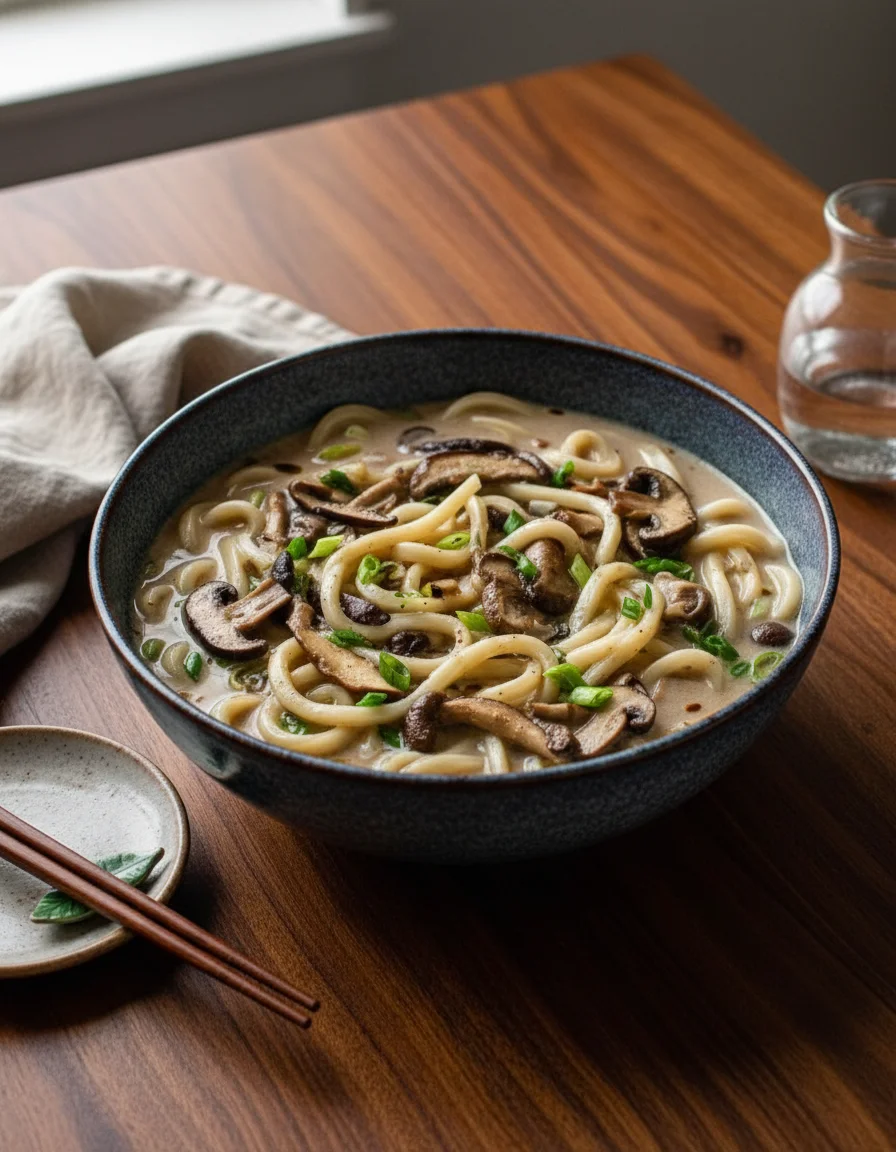
Udon noodles, with their distinctive thick, chewy texture, are a beloved staple in Japanese cuisine and a fantastic foundation for countless vegan dishes. Made primarily from wheat flour, water, and salt, these hearty noodles absorb flavors beautifully, making them incredibly versatile. Whether you're simmering them in a rich broth, tossing them in a vibrant stir-fry, or chilling them in a refreshing salad, udon noodles bring a delightful substance and satisfaction to any meal.
Health Benefits of Udon Noodles (for a Vegan Diet)
- Plant-Based Protein: Udon noodles offer a good source of plant-based protein, with approximately 7.14 grams per 150-gram serving. This contributes to muscle maintenance and overall satiety, which is essential for a balanced vegan diet.
- Energy-Boosting Carbohydrates: As a primary source of complex carbohydrates (around 37.86 grams per 150-gram serving), udon noodles provide sustained energy, fueling your body and brain throughout the day.
- Dietary Fiber: With about 1.8 grams of dietary fiber per serving, udon noodles aid in digestive health, promoting regularity and contributing to a feeling of fullness.
- Iron Content: Udon noodles provide approximately 2.57 mg of iron per 150-gram serving. Iron is a crucial mineral, especially in vegan diets, supporting oxygen transport and preventing fatigue.
- Low in Fat: They are naturally low in total fat (about 1.79 grams per serving) and contain no saturated fat, making them a heart-healthy choice when paired with wholesome plant-based ingredients.
Selection Tips for Udon Noodles
When choosing udon, you'll typically find them in two main forms:
- Dried Udon: Found in the pasta or international foods aisle, these are shelf-stable and convenient. Look for brands with minimal ingredients—ideally just wheat flour, water, and salt. Avoid those with unnecessary additives or preservatives.
- Fresh/Pre-cooked Udon: Often sold in vacuum-sealed packages in the refrigerated section, these cook much faster. While most fresh udon are vegan, always double-check the ingredient list to ensure no eggs have been added, though this is rare. Look for plump, firm noodles.
Storage Tips for Udon Noodles
- Dried Udon: Store unopened packages in a cool, dry pantry away from direct sunlight. They can last for up to two years or until the best-by date.
- Fresh/Pre-cooked Udon: Keep unopened packages in the refrigerator and consume by the expiration date. Once opened, use within a day or two.
- Cooked Udon: If you have leftovers, allow them to cool completely, then transfer them to an airtight container. Store in the refrigerator for up to 3-4 days. For best texture, gently reheat in a pan with a splash of water or broth, or briefly microwave. Avoid overcooking when reheating.
Frequently Asked Questions
For dried udon, bring a large pot of water to a rolling boil. Add the noodles and cook according to package directions, typically 8-10 minutes, until al dente. For fresh or pre-cooked udon, simply blanch them in boiling water for 1-2 minutes to loosen and heat through. Drain well before adding to your dish.
udon noodles Recipes

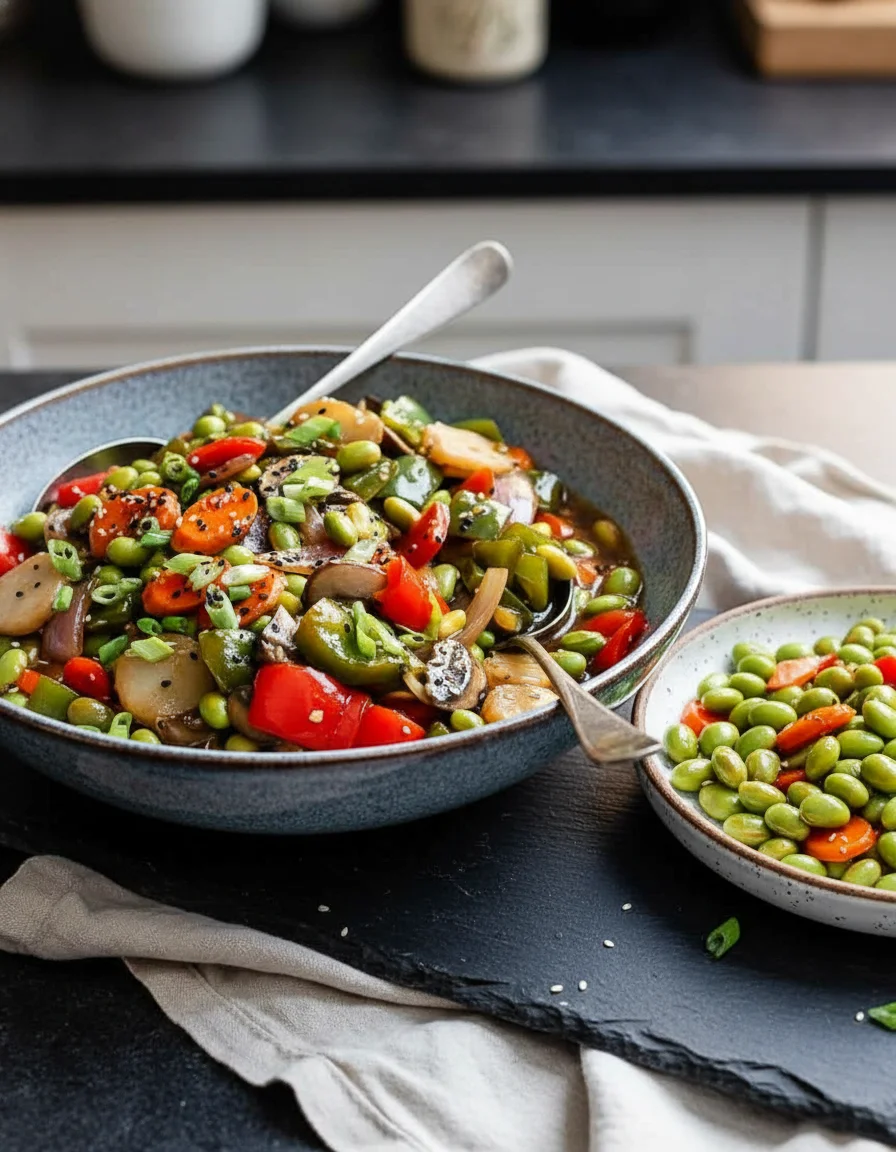
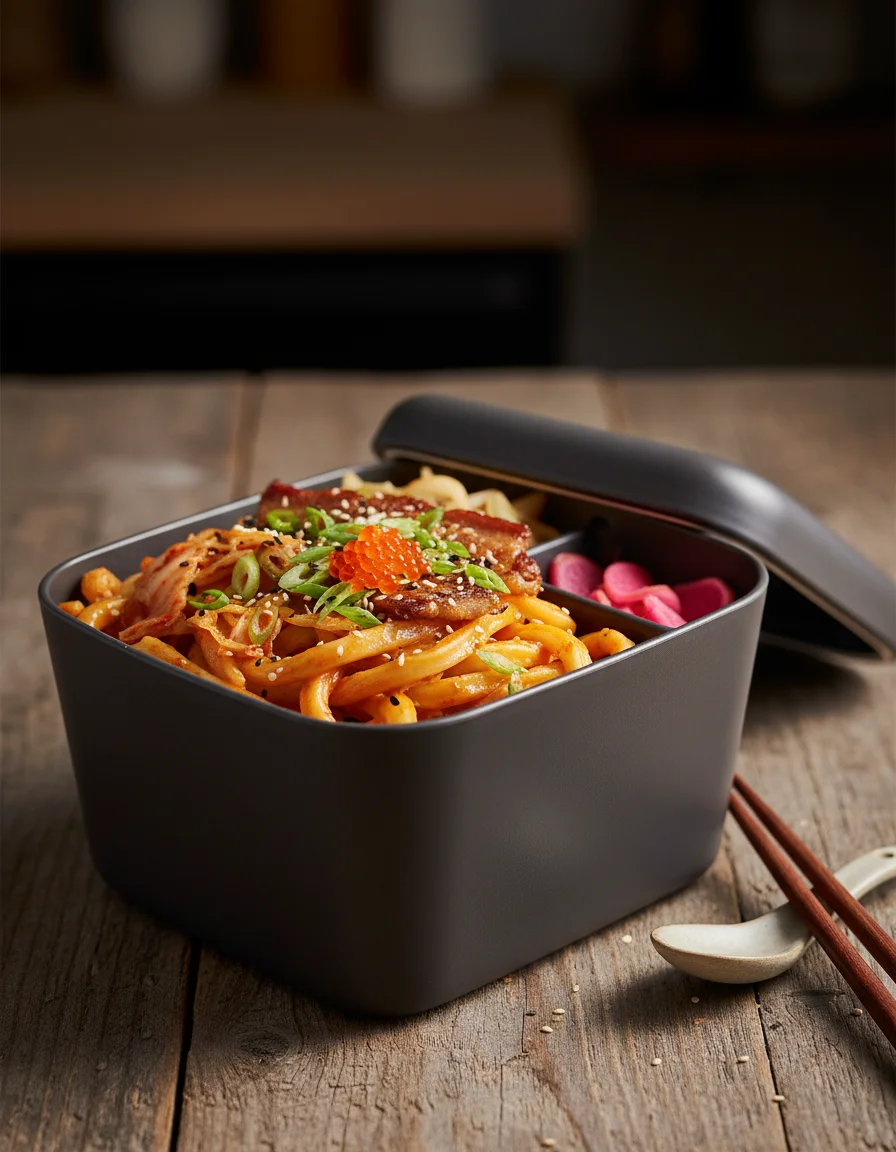
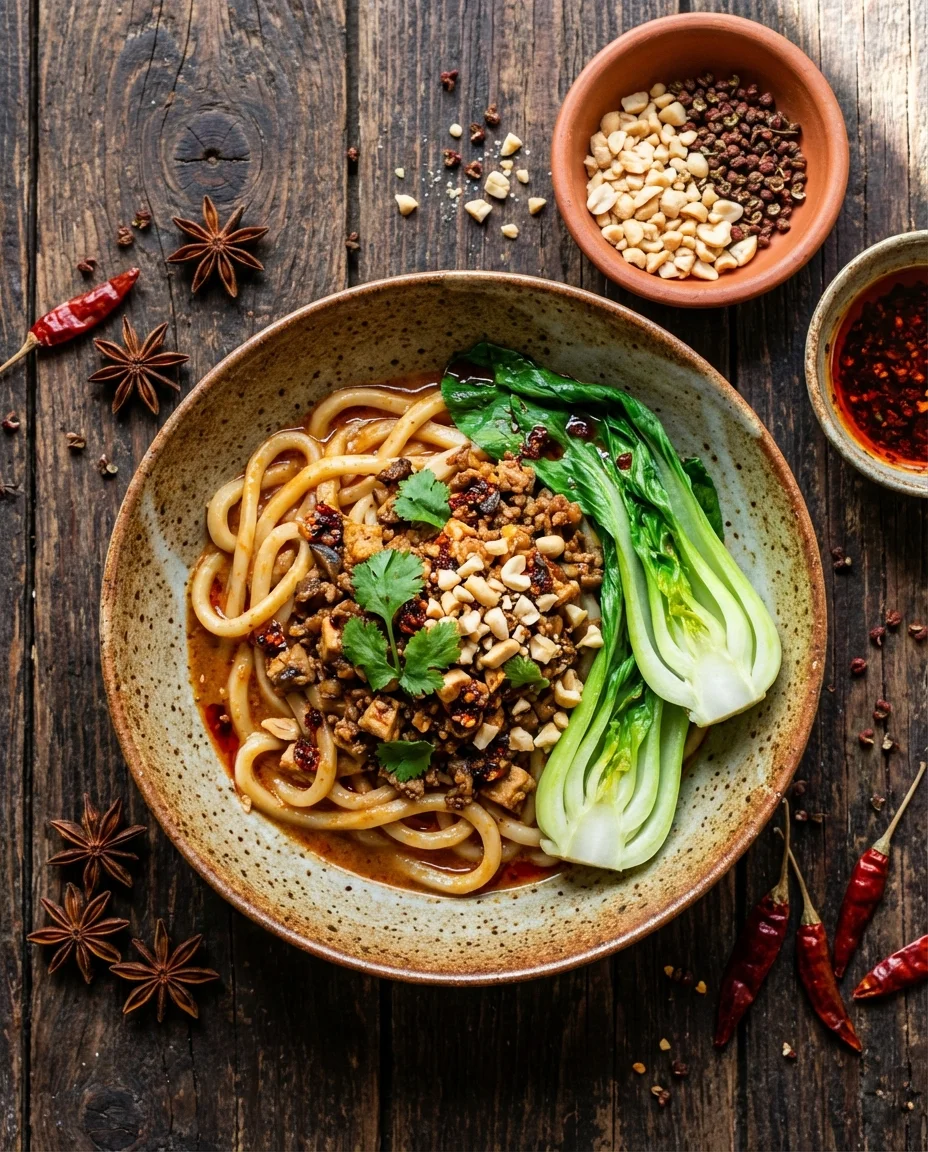




Showing 19 of 19 recipes