7+ Best Vegan Nigella Seeds Recipes (Healthy & Flavorful)
Discover the unique, aromatic flavor of nigella seeds in 7+ healthy and easy vegan recipes. Learn about benefits, how to use, and store these versatile seeds.
About nigella seeds
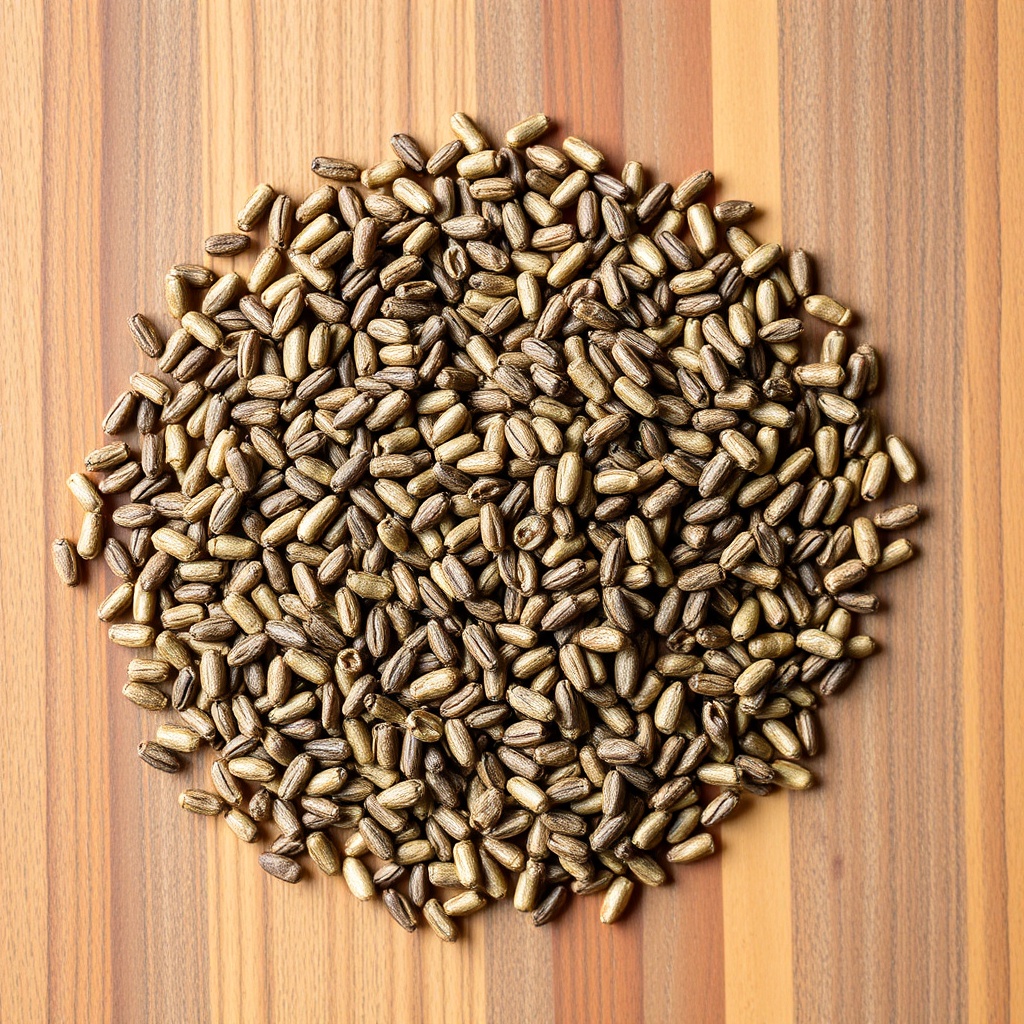
Unlock a world of aromatic flavor with nigella seeds, often known as black cumin or kalonji. These tiny, jet-black seeds pack a distinctive punch, offering a complex taste profile that's often described as a blend of onion, oregano, and black pepper, with a subtle bitterness. A staple in Indian, Middle Eastern, and North African cuisines, nigella seeds are more than just a spice; they're a culinary secret weapon for elevating a wide array of vegan dishes, from rustic breads and vibrant curries to crispy roasted vegetables and flavorful lentil stews. If you're looking to add depth and an exotic twist to your plant-based cooking, nigella seeds are an absolute must-try.
Health Benefits of Nigella Seeds for Vegans
Nigella seeds are not just delicious; they're also a nutritional powerhouse, making them a fantastic addition to any vegan diet. They are a great source of plant-based protein (15.8g per 100g) and boast an impressive amount of dietary fiber (39.8g per 100g), which is crucial for digestive health and satiety. For vegans, ensuring adequate intake of certain minerals can be a focus, and nigella seeds deliver robustly. They are an excellent source of calcium (1196mg per 100g), iron (18.54mg per 100g), magnesium (385mg per 100g), and potassium (1694mg per 100g). These minerals are vital for bone health, energy production, muscle function, and maintaining electrolyte balance. Furthermore, nigella seeds contain beneficial fatty acids, including monounsaturated and polyunsaturated fats, and a good range of B vitamins, all contributing to overall wellness and a well-rounded plant-based nutritional intake. Their antioxidant properties are also celebrated for supporting cellular health.
How to Select and Store Nigella Seeds
When selecting nigella seeds, look for whole, uniformly black seeds that are dry and free from clumps or any signs of moisture. They should have a subtle, peppery aroma. Purchasing them from a reputable spice merchant or a store with high turnover ensures freshness. Avoid seeds that look dusty, pale, or have an off smell, as these indicate staleness.
Proper storage is key to preserving their potent flavor and beneficial properties. Always store nigella seeds in an airtight container to protect them from air and moisture. Keep them in a cool, dark place, such as a pantry or spice cabinet, away from direct sunlight and heat. Stored correctly, whole nigella seeds can maintain their freshness and flavor for up to one to two years. For best results and maximum aroma, it's recommended to lightly toast them whole or grind them just before use.
Versatility in Vegan Cooking
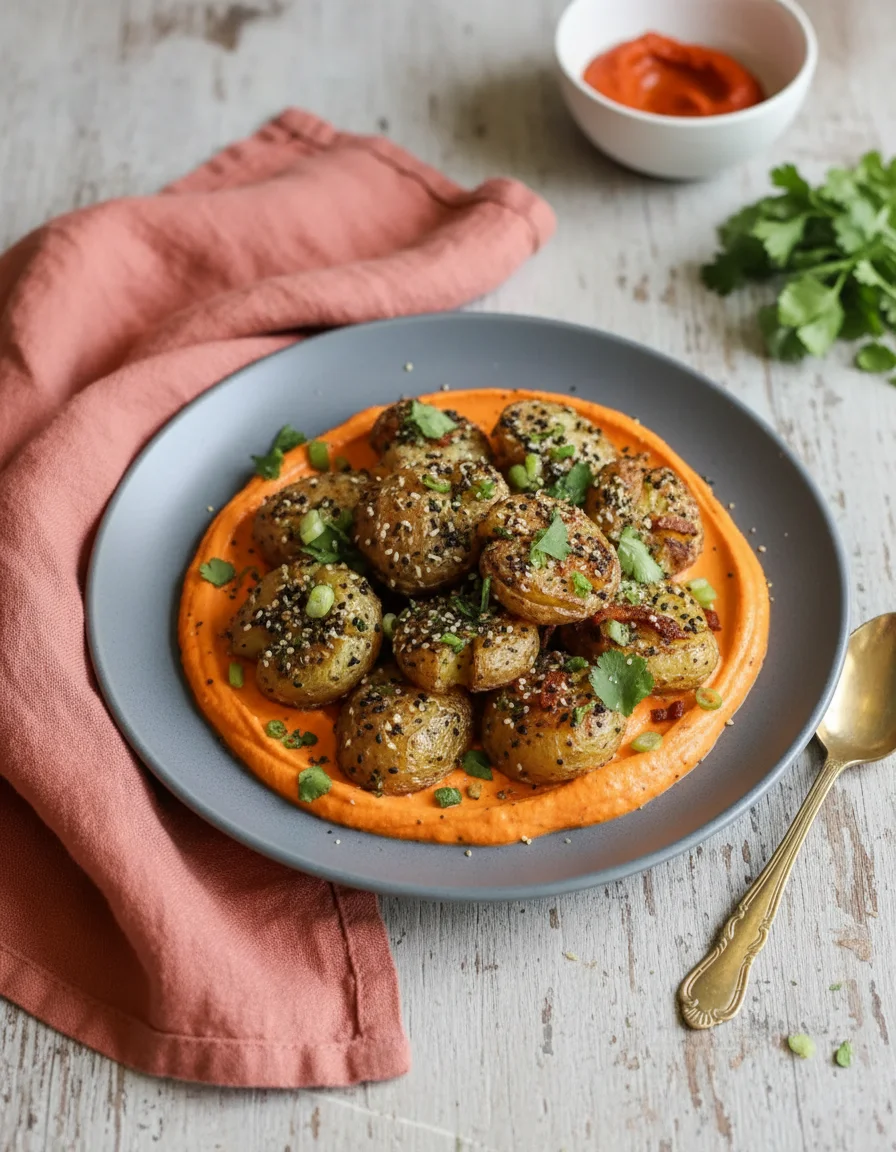
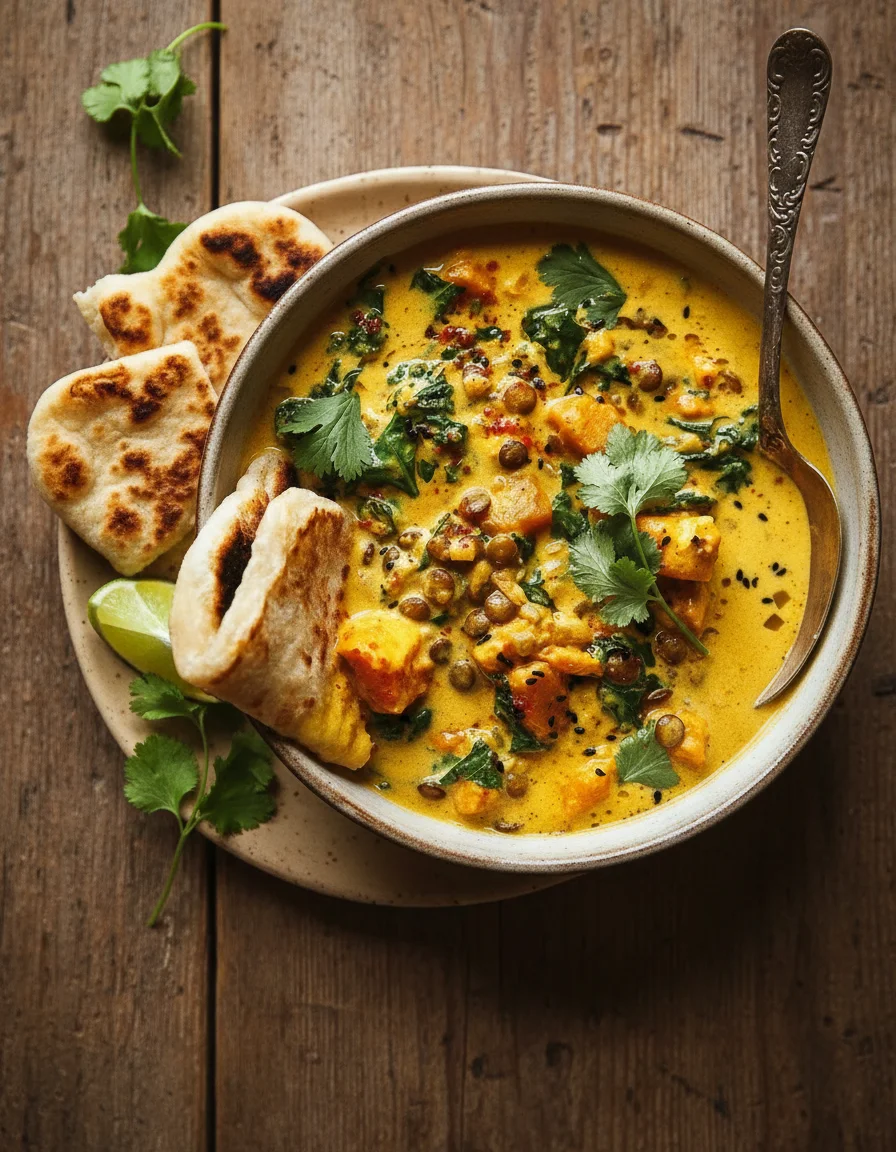
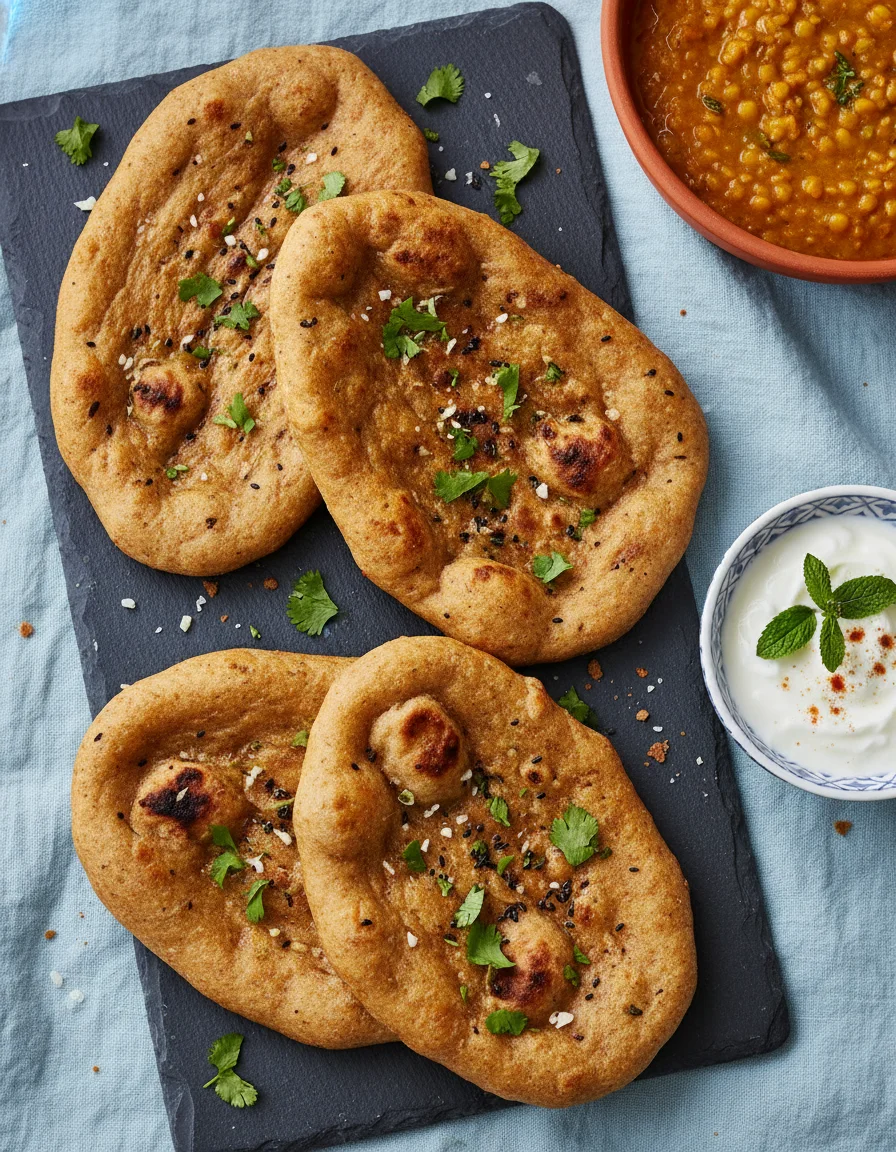
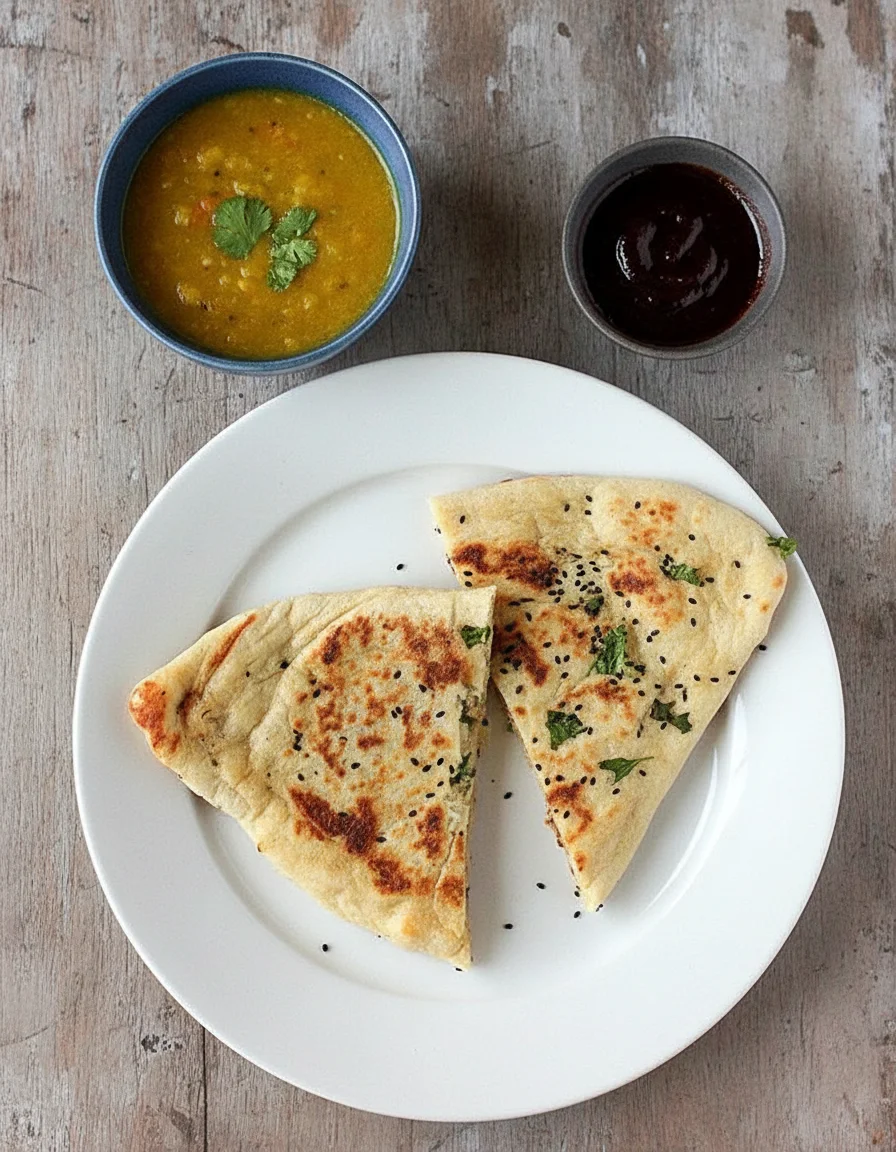
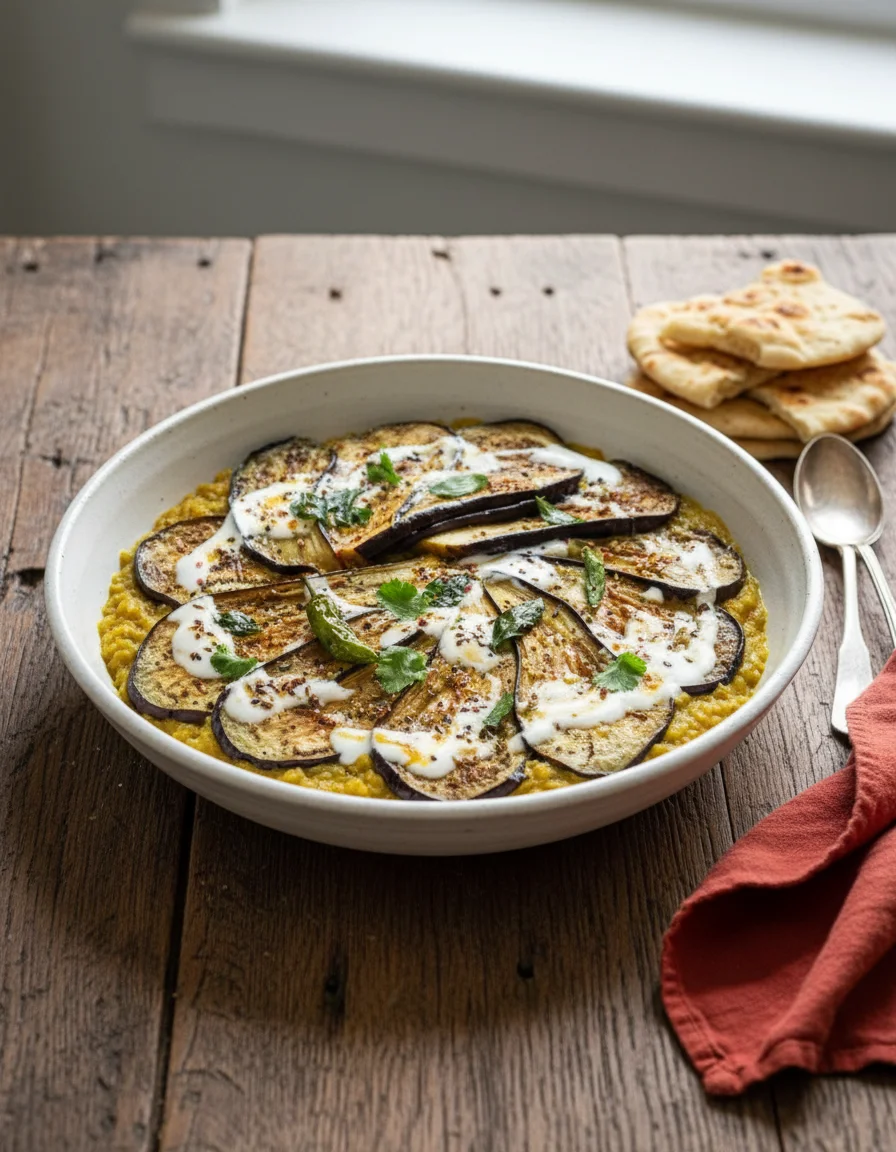
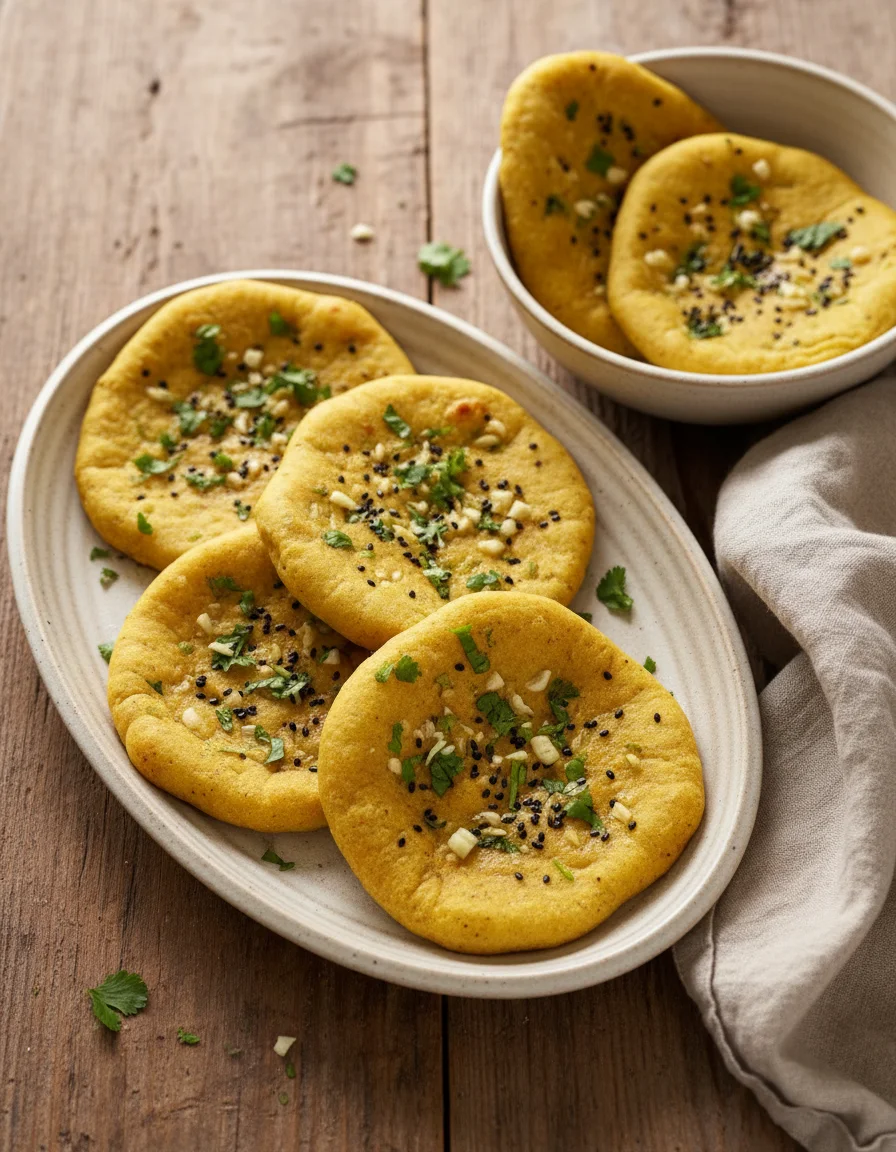
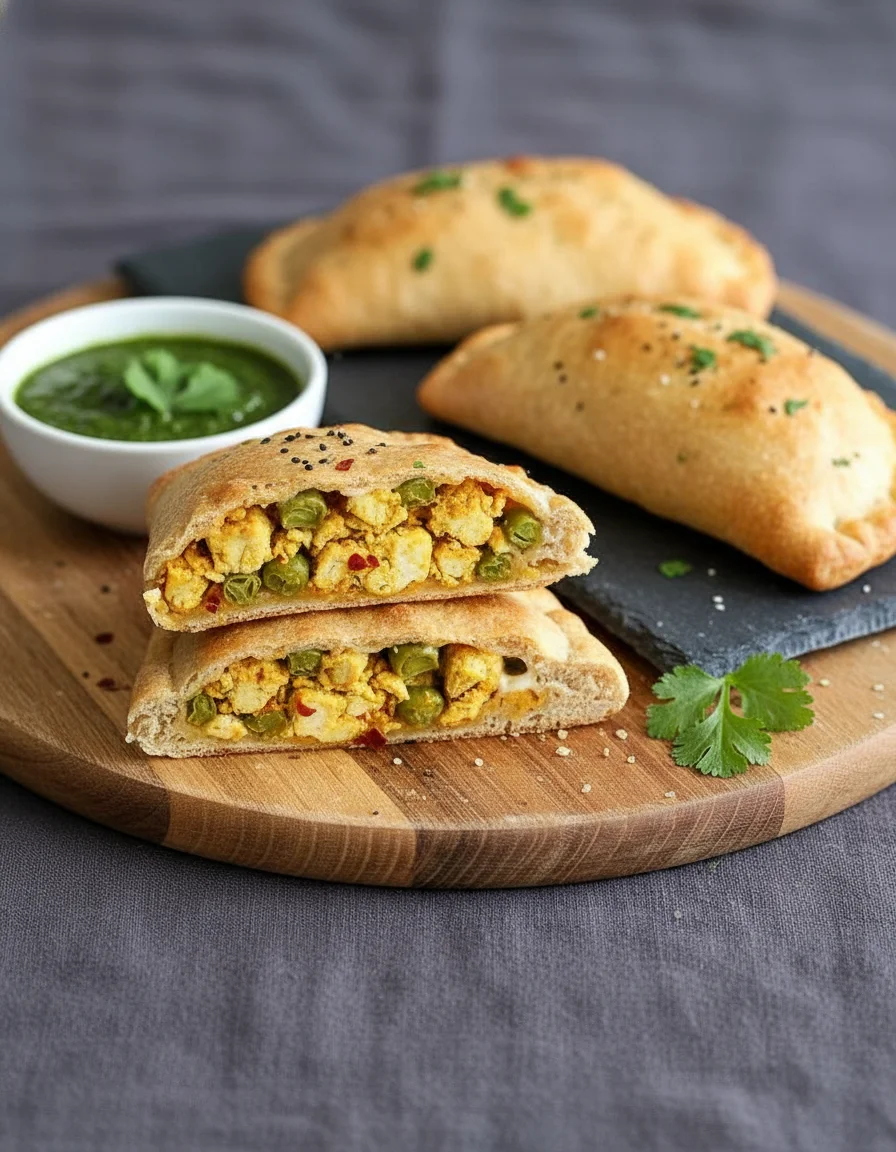
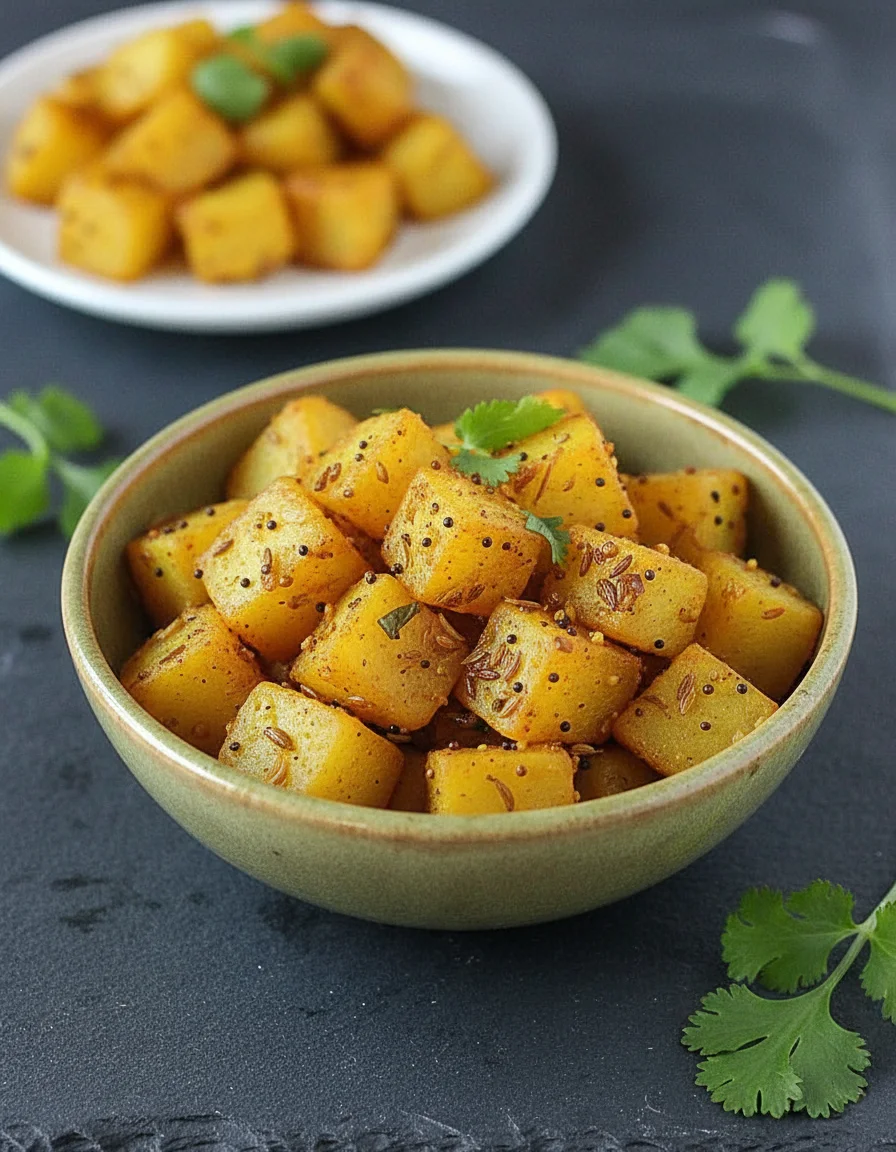
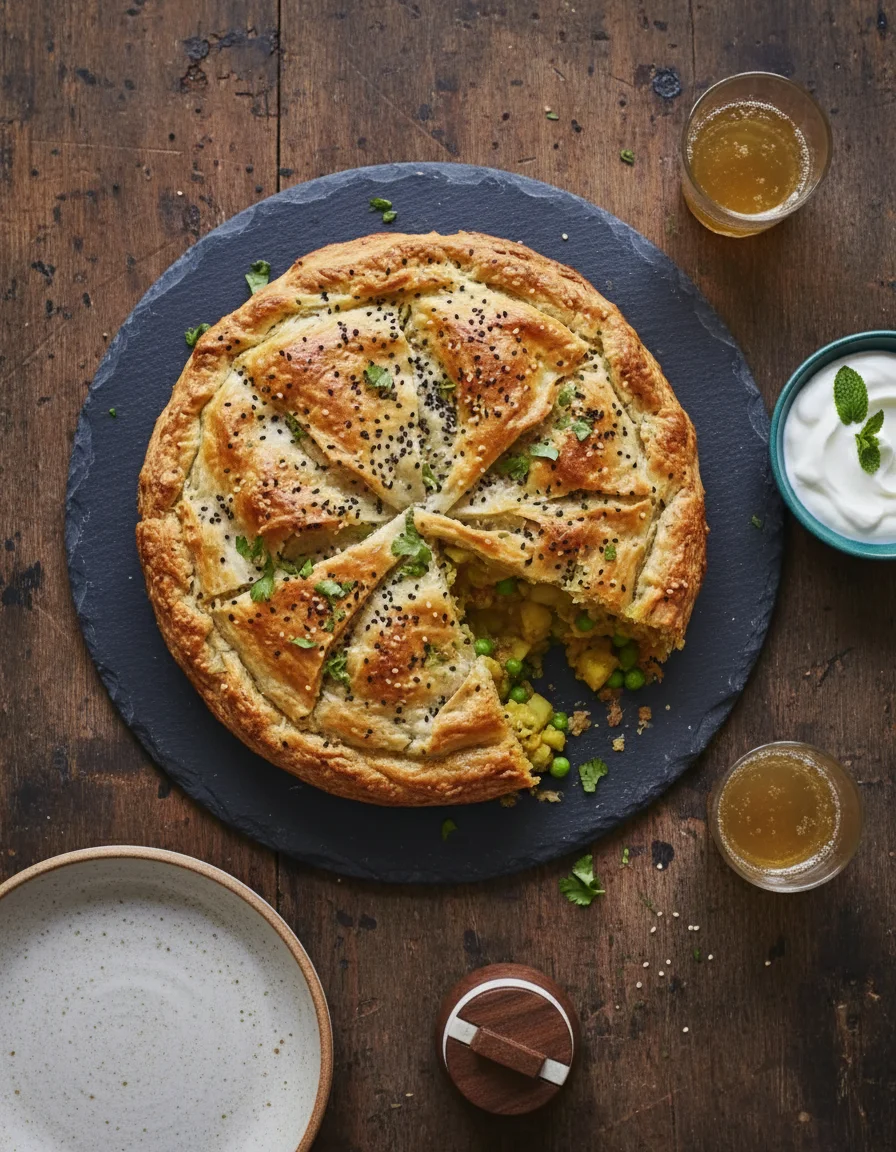
Nigella seeds truly shine in vegan cuisine due to their unique flavor profile that can complement a wide range of dishes without overwhelming them. They're traditionally sprinkled over naan bread and bagels, but their use extends far beyond. Try incorporating them into vegan curries, lentil dals, vegetable sautés, potato dishes, or even roasted root vegetables for an unexpected layer of flavor. They also work wonderfully in savory pastry fillings, marinades for tofu or tempeh, or as a garnish for dips like hummus. Their slightly bitter and oniony notes can mimic some of the savory depth often sought in non-vegan dishes, making them an invaluable spice for creating satisfying and complex plant-based meals.
Frequently Asked Questions
Nigella seeds are best when lightly toasted before use to unlock their full aromatic potential. You can dry-roast them in a pan over medium heat for 1-2 minutes until fragrant, being careful not to burn them. They can then be added whole to curries, stews, vegetable dishes, or sprinkled over breads and salads. For a more intense flavor, you can lightly crush them after toasting or grind them into a powder for spice blends.
nigella seeds Recipes



Showing 13 of 13 recipes