12+ Best Vegan Mustard Seeds Recipes (Healthy & Easy)
Unlock the potent flavor of mustard seeds in your vegan kitchen! Discover our best plant-based recipes, from curries to roasted veggies, for healthy, aromatic d
About mustard seeds
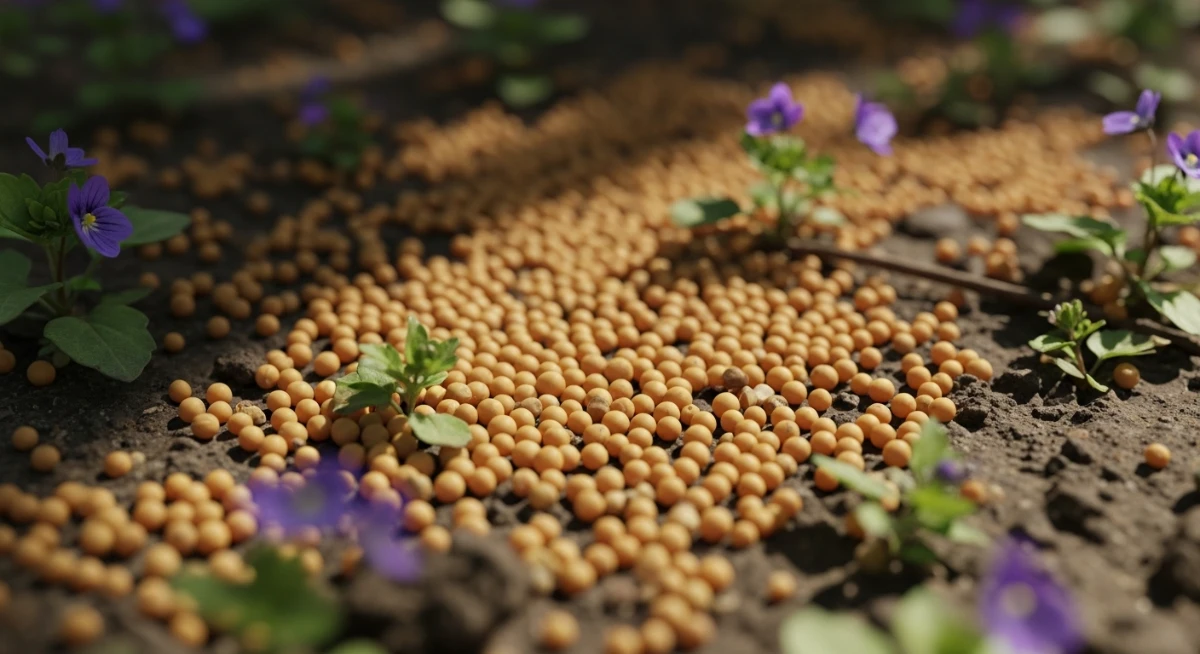
Mustard seeds, those tiny powerhouses of pungent, peppery flavor, are an essential ingredient in vegan cooking across many global cuisines. From the fiery tempering in Indian dals and curries to the tangy crunch in pickles and salad dressings, these versatile seeds elevate dishes with their distinct aromatic profile. Available in various colors — yellow, brown, and black — each type offers a slightly different intensity, but all share that characteristic zesty kick that brightens up plant-based meals.
Unlocking the Health Benefits of Mustard Seeds
Beyond their incredible flavor, mustard seeds are a nutritional boon, especially for those on a vegan diet. They are a fantastic source of plant-based protein, providing a significant boost to your daily intake. Rich in dietary fiber, they aid digestion and promote gut health. Furthermore, mustard seeds are packed with healthy fats, including monounsaturated and polyunsaturated fatty acids, which are beneficial for heart health.
- Minerals: They are an excellent source of essential minerals like magnesium (crucial for muscle and nerve function), phosphorus (bone health), potassium (blood pressure regulation), iron (energy and oxygen transport), zinc (immune support), manganese, and selenium (powerful antioxidants).
- Vitamins: Mustard seeds contribute a good amount of B vitamins (Thiamin, Riboflavin, Niacin, B6, Folate) vital for energy metabolism, as well as Vitamin E, Vitamin C, and Vitamin K.
- Antioxidants: The seeds contain glucosinolates and isothiocyanates, compounds known for their anti-inflammatory and antioxidant properties, which may offer protective health benefits.
Incorporating mustard seeds into your vegan cooking not only adds incredible flavor but also boosts the nutritional value of your meals, making them a true superfood for plant-based eaters.
Selecting and Storing Your Mustard Seeds
Choosing high-quality mustard seeds ensures the best flavor and potency in your dishes. Look for whole, unbroken seeds that have a vibrant, consistent color. Avoid any signs of clumping, moisture, or a dusty appearance, which could indicate old age or improper storage. Fresh mustard seeds will have a subtle, earthy aroma even before toasting.
Proper storage is key to maintaining their pungent flavor. Store whole mustard seeds in an airtight container in a cool, dark, and dry place, away from direct sunlight and heat. A pantry or cupboard is ideal. When stored correctly, whole mustard seeds can retain their potency for up to 1-2 years. Ground mustard, however, loses its flavor much more quickly, typically within 6-12 months, as its surface area is exposed to air. For best results, it’s always recommended to toast and grind whole seeds just before use to unleash their freshest, most intense flavor.
Whether you're tempering them in hot oil for an aromatic base, grinding them into a paste for marinades, or simply sprinkling them for a peppery crunch, mustard seeds are an indispensable ingredient that brings depth, warmth, and a touch of magic to a wide array of vegan recipes.
Frequently Asked Questions
Mustard seeds truly shine when their flavors are awakened. The most common method is "tempering" or "tarka," where whole seeds are heated in a little oil until they pop and release their aroma. This is a foundational step in many Indian and South Asian vegan dishes, adding a nutty, pungent base. You can also toast them dry in a pan for a few minutes until fragrant, then grind them for spice blends, rubs, or homemade mustards. Whole seeds can be added directly to pickles, dressings, or roasted vegetables for texture and a burst of flavor.
mustard seeds Recipes

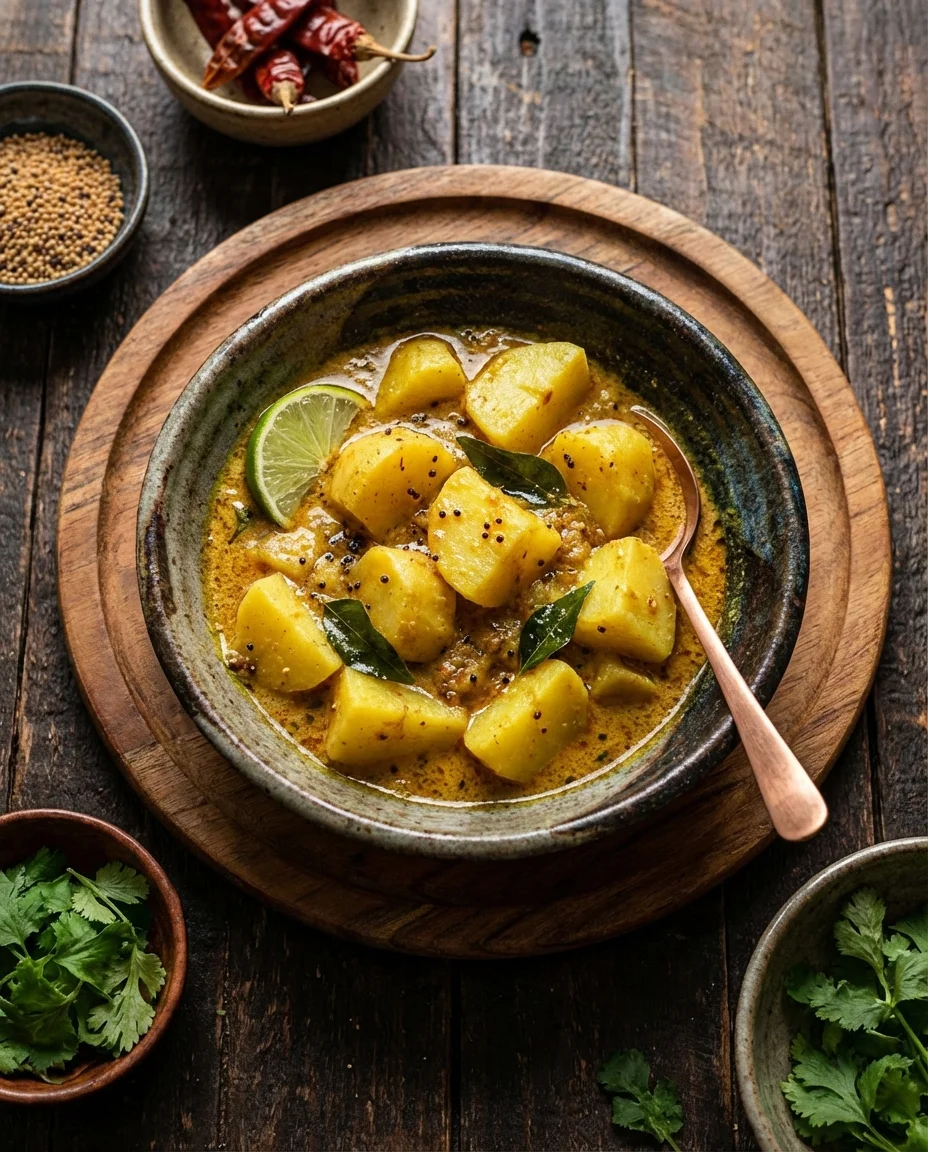

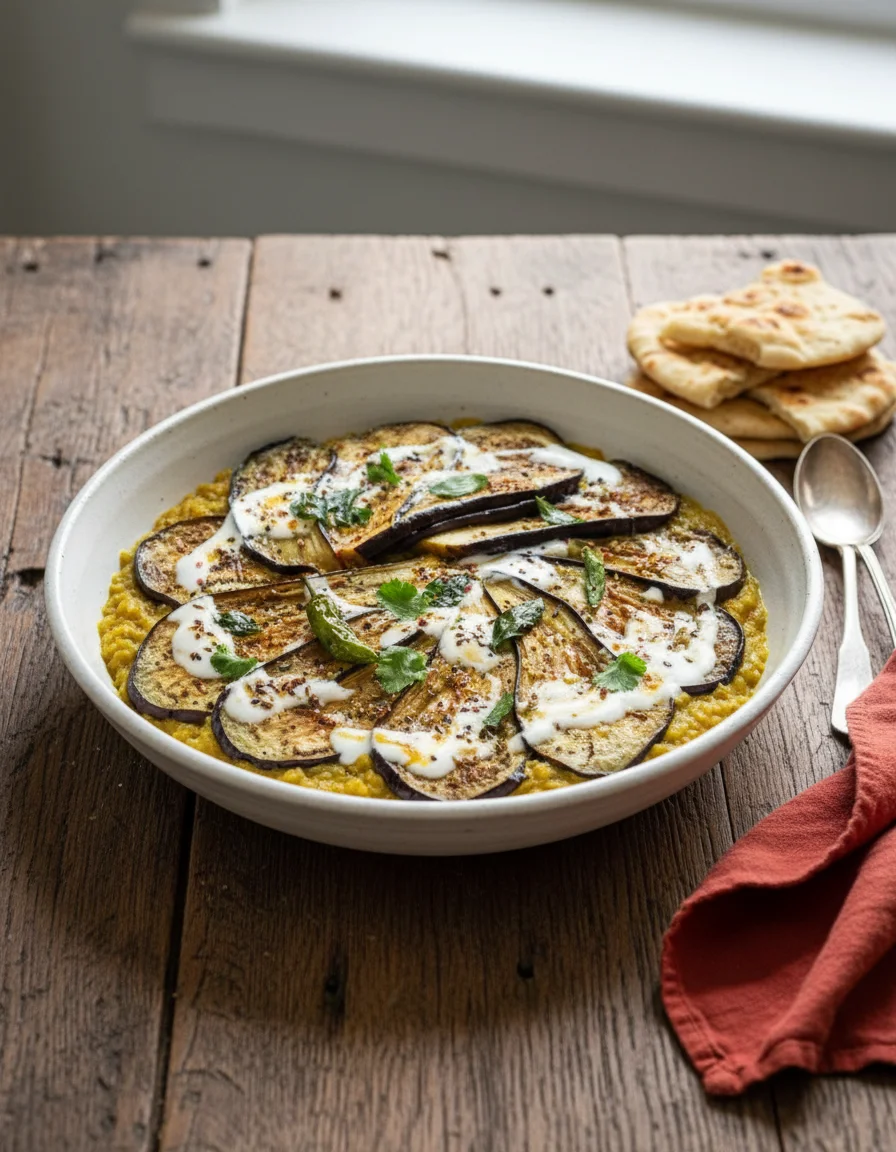
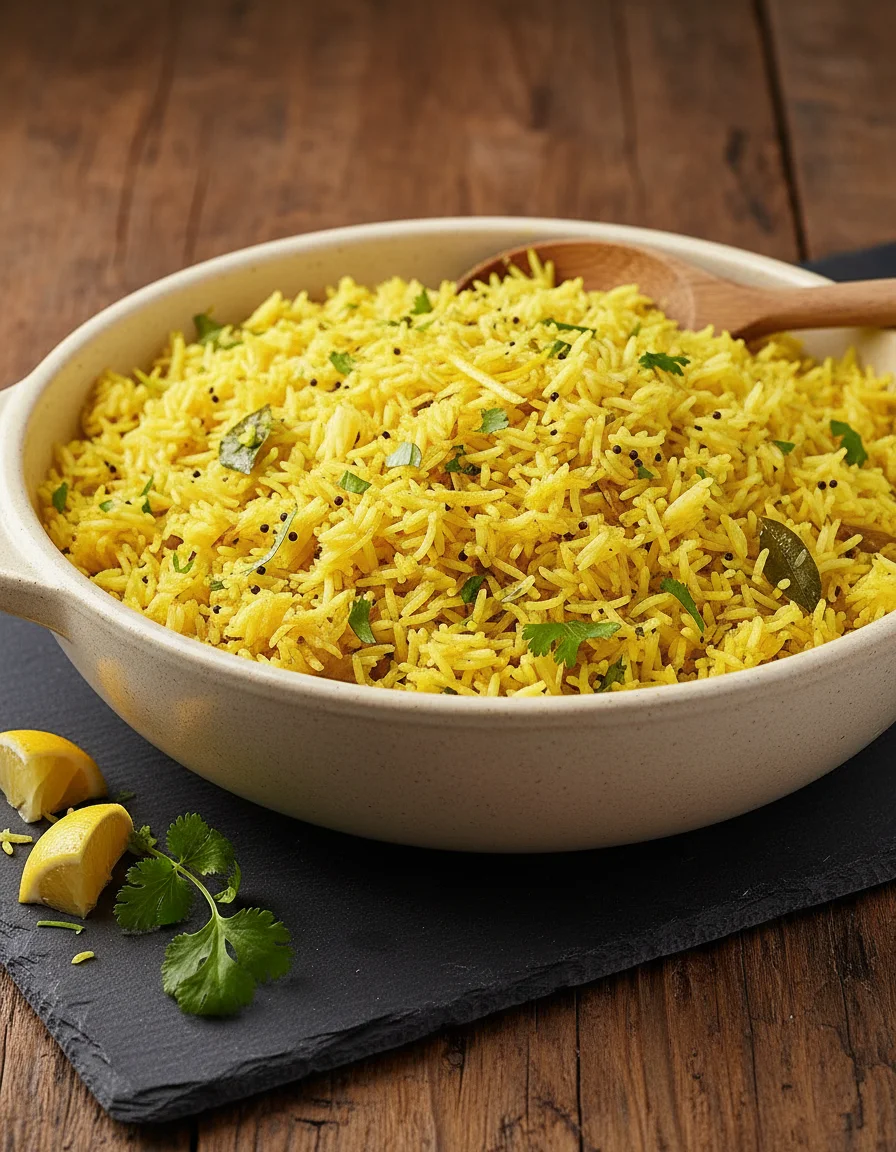
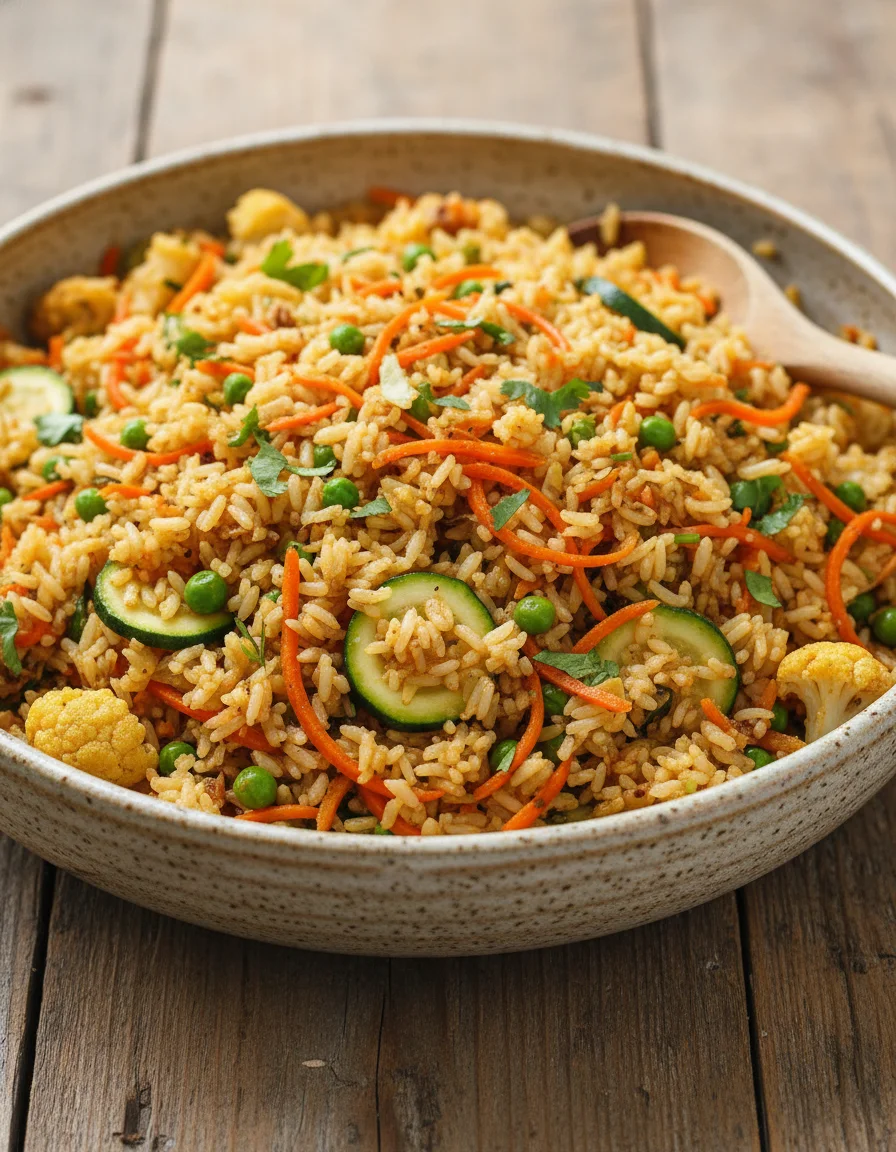


Showing 18 of 18 recipes