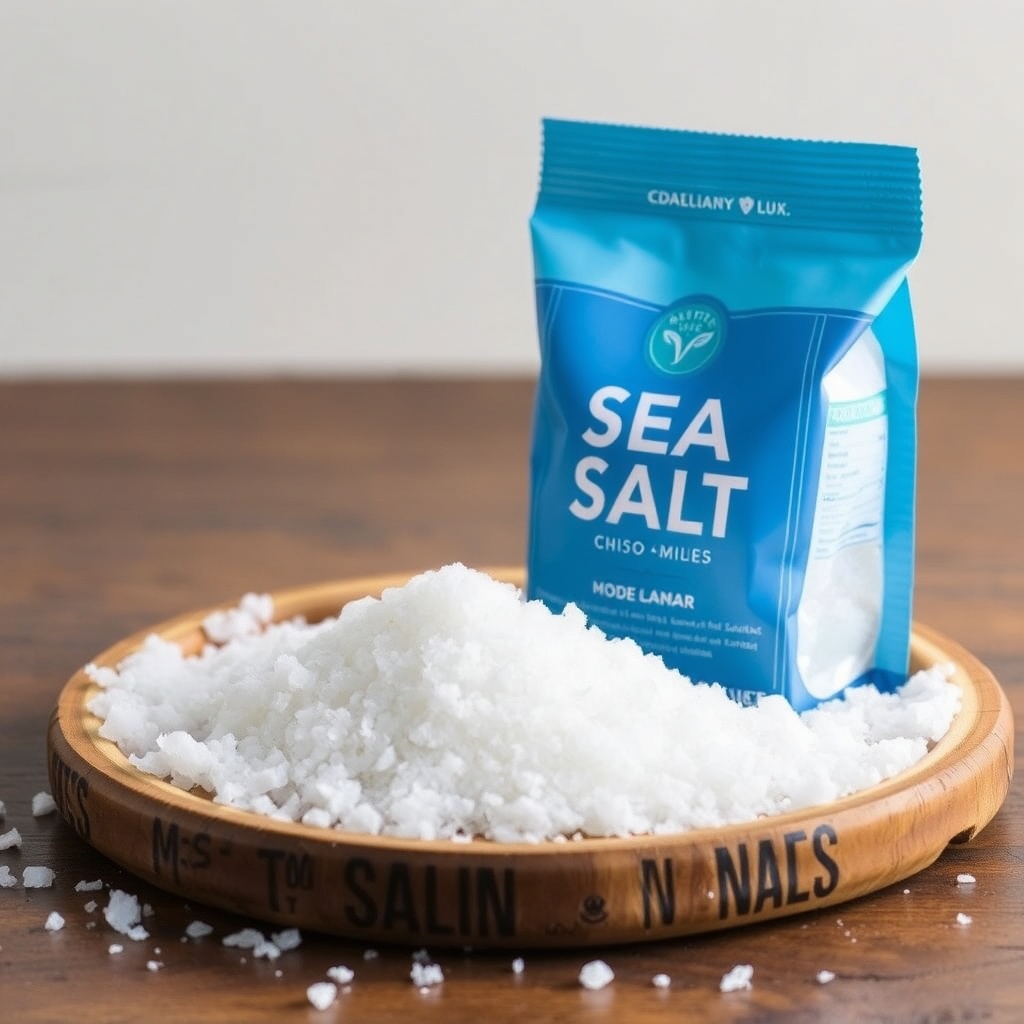
Master Vegan Cooking: Elevate Flavor with Coarse Sea Salt Recipes
Unlock the secret to incredible vegan flavor with coarse sea salt. Discover how this essential ingredient enhances everything from savory mains to sweet treats.
About coarse sea salt
Welcome to the world of coarse sea salt – an indispensable ingredient that elevates vegan cooking from good to gourmet! Far more than just a seasoning, coarse sea salt brings a delightful texture, nuanced flavor, and essential minerals to your plant-based dishes. Unlike highly refined table salt, coarse sea salt is typically harvested from evaporated seawater, retaining trace minerals that contribute to its complex taste and often a satisfying crunch. For the vegan kitchen, it's a game-changer, intensifying the natural flavors of vegetables, legumes, grains, and even plant-based desserts, ensuring your meals are always vibrant and full of character.
Health Benefits of Coarse Sea Salt in a Vegan Diet
While all salt should be consumed in moderation, coarse sea salt can offer a slightly different nutritional profile compared to its refined counterparts. Because it's less processed, coarse sea salt often contains trace minerals like potassium, magnesium, and calcium, which are naturally present in seawater. These minerals, in addition to sodium, play crucial roles as electrolytes in the body, supporting hydration, nerve function, and muscle contractions – all important for an active vegan lifestyle. By enhancing the inherent flavors of plant-based ingredients, coarse sea salt allows you to savor your healthy meals more fully, making nutrient-dense foods even more appealing. It's about smart seasoning that contributes to overall well-being, not just taste.
Selecting the Best Coarse Sea Salt
- Look for Unrefined: Choose brands that specify "unrefined" or "all-natural" to ensure you're getting salt with its beneficial trace minerals intact. Avoid those with anti-caking agents or added iodine, unless specifically desired.
- Consider Origin: Different regions produce salts with distinct flavors and mineral compositions. Popular choices include Celtic sea salt (moist, briny), Himalayan pink salt (mineral-rich, slightly sweet), and Fleur de Sel (delicate, flaky finishing salt). Experiment to find your favorite!
- Check for Purity: Reputable brands will often provide information on their sourcing and harvesting methods, assuring a clean, high-quality product free from microplastics or pollutants.
Storing Coarse Sea Salt for Optimal Freshness
Proper storage is key to maintaining the quality and texture of your coarse sea salt. Because it can absorb moisture from the air, causing it to clump, follow these simple tips:
- Airtight Container: Always store coarse sea salt in an airtight container, such as a glass jar with a tight-fitting lid or a ceramic salt cellar. This protects it from humidity.
- Cool, Dry Place: Keep your salt in a pantry or cupboard, away from direct sunlight, heat, and moisture sources like stovetops or sinks.
- Avoid Contamination: Use a clean, dry spoon or pinch with dry fingers to avoid introducing moisture or other contaminants into your salt supply.
From seasoning hearty stews and roasting vegetables to curing tofu and even enhancing vegan caramels, coarse sea salt is an essential companion in any vegan kitchen. Its versatility, coupled with its ability to bring out the best in plant-based ingredients, makes it a pantry staple you'll reach for daily.
Frequently Asked Questions
Coarse sea salt typically has larger crystals and a less refined profile than table salt, often retaining trace minerals from seawater. In vegan cooking, its larger crystals provide a pleasant textural crunch and a more complex, nuanced flavor, enhancing the natural taste of plant-based ingredients without the harshness sometimes associated with highly refined table salt. It's often preferred for finishing dishes.
coarse sea salt Recipes









Showing 13 of 13 recipes