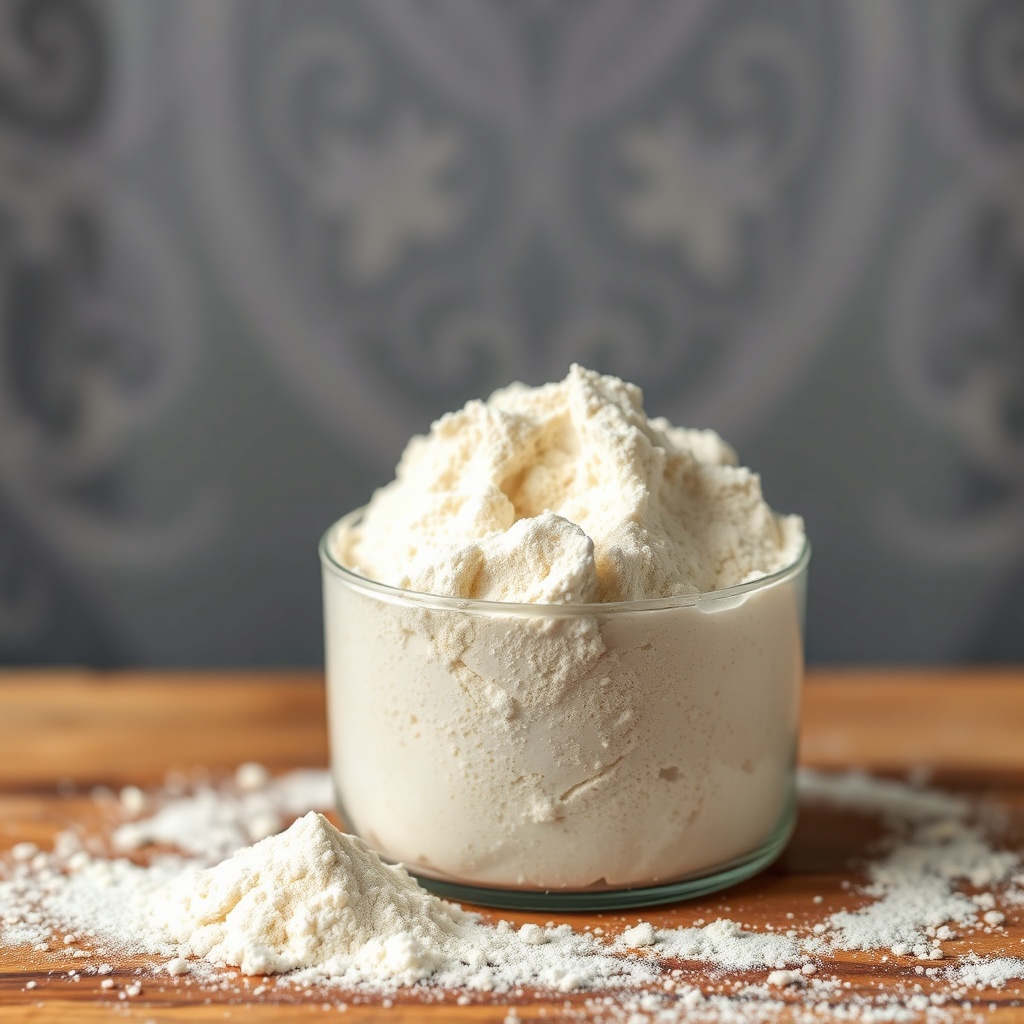
Vegan Bread Flour: Ultimate Guide, Recipes & Benefits (Plant-Based Baking)
Unlock perfect vegan loaves and bakes with bread flour! Discover its high protein benefits, expert selection tips, storage, and delicious plant-based recipes.
About bread flour
Welcome to the world of vegan baking, where achieving that perfect chewy crust and airy crumb often comes down to one essential ingredient: bread flour. Distinct from all-purpose flour, bread flour boasts a higher protein content, typically ranging from 12-14%. This higher protein translates directly to a stronger gluten network, which is crucial for capturing the carbon dioxide released by yeast, giving your vegan breads, pizza doughs, and bagels their signature structure and chew.
Health Benefits for Vegans
For those following a plant-based diet, bread flour is a valuable dietary component. Here's why:
- Excellent Source of Plant-Based Protein: With approximately 10 grams of protein per cup (133g), bread flour contributes significantly to your daily protein intake, essential for muscle repair and growth without relying on animal products.
- Good for Digestive Health: Containing about 3.3 grams of dietary fiber per cup, bread flour aids in digestion, promotes gut health, and helps maintain regularity.
- Rich in Essential Minerals: It provides important minerals like iron (5mg/cup) which is vital for oxygen transport in the blood, and potassium (100mg/cup) important for blood pressure regulation, both of which are key nutrients to monitor in a vegan diet. It also offers some calcium (17mg/cup).
- Sustained Energy: As a complex carbohydrate (76.67g per cup), bread flour provides a steady release of energy, keeping you feeling full and energized for longer periods.
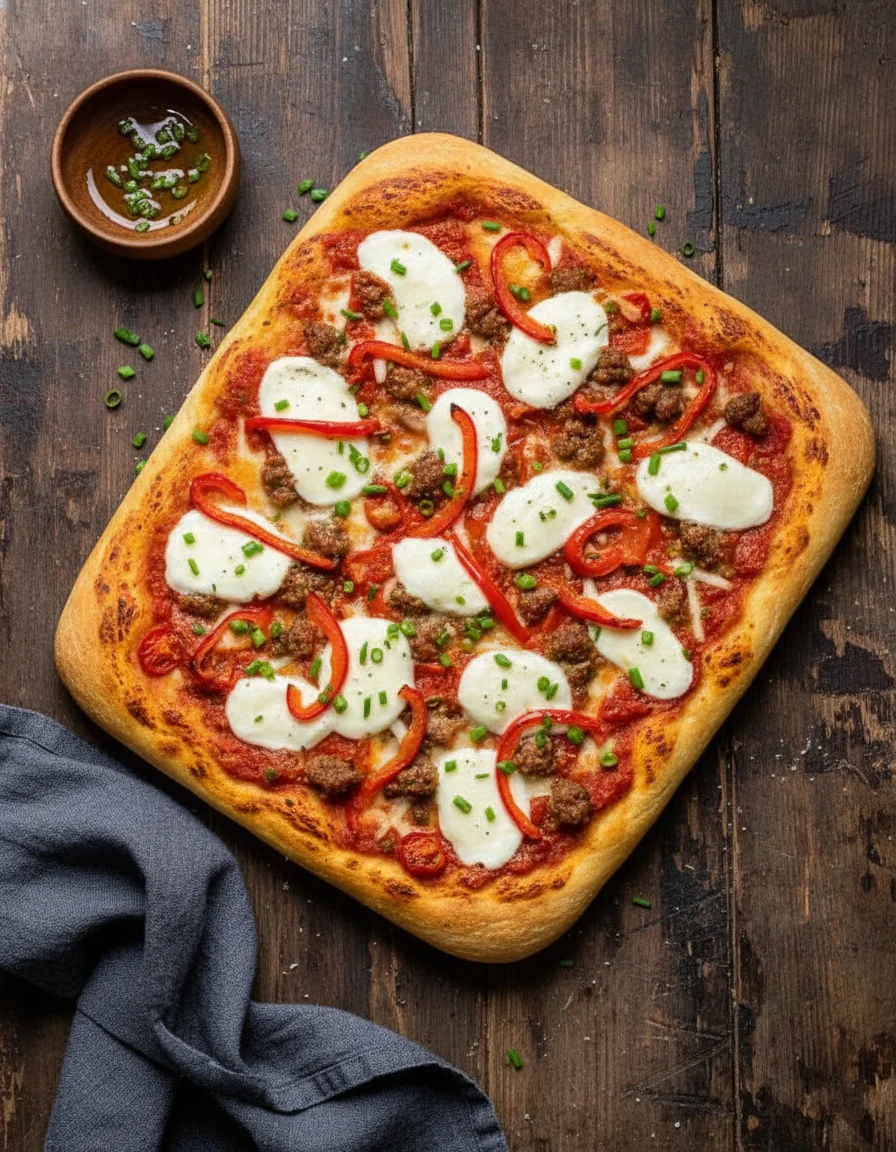
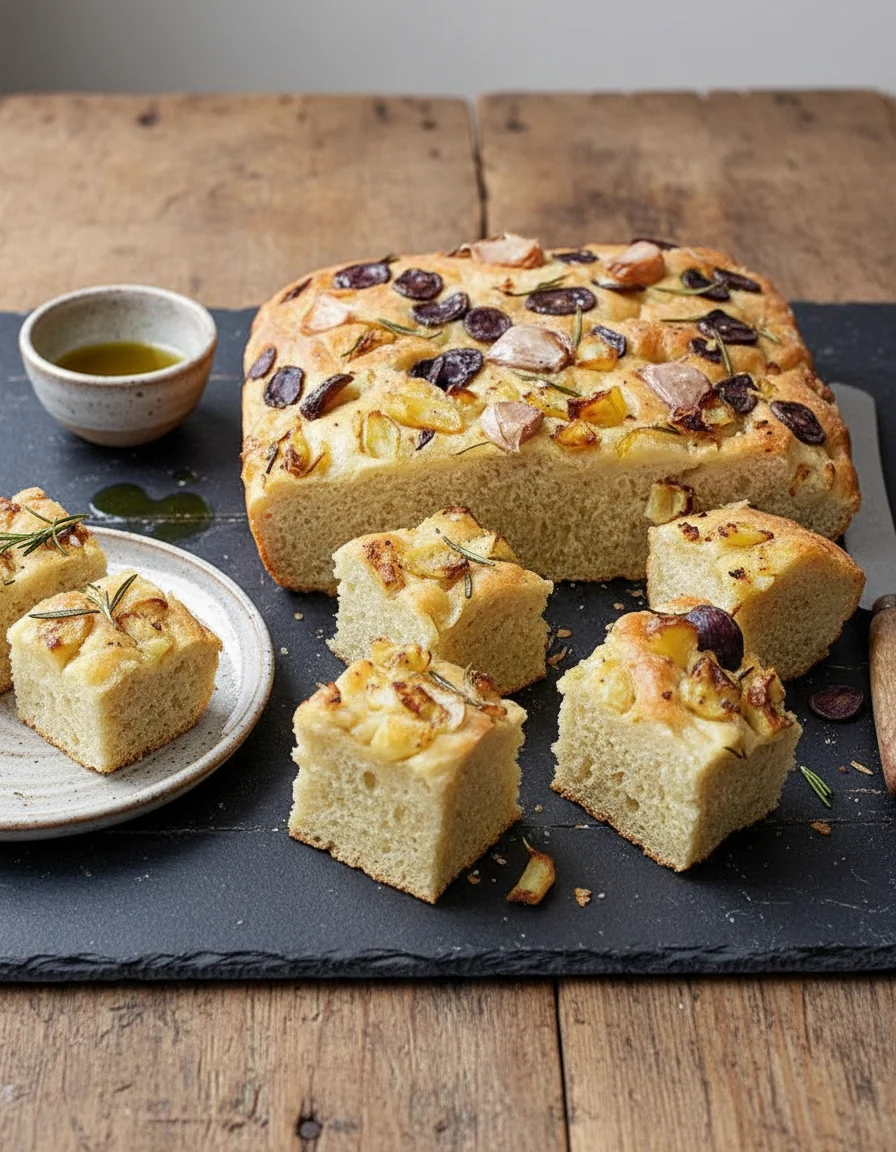
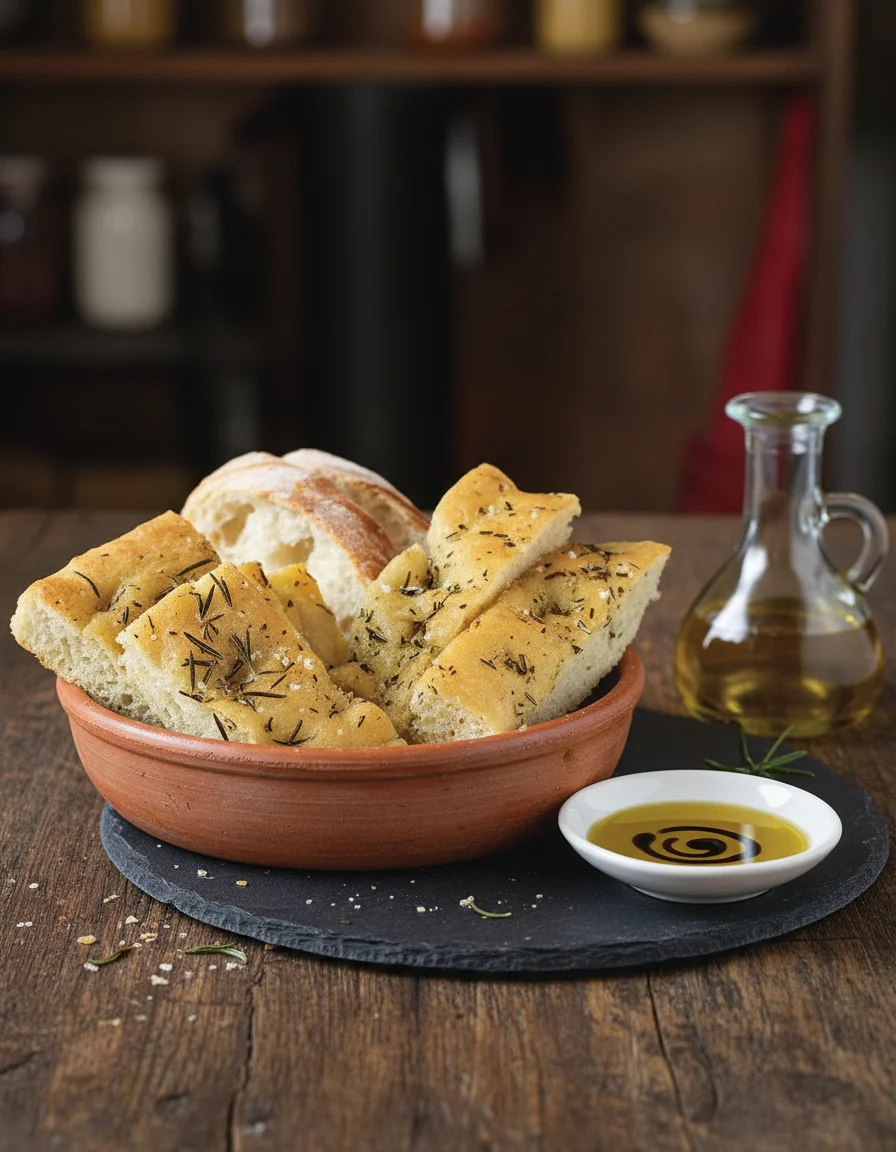
Its robust nature makes it incredibly versatile in the vegan kitchen, not just for traditional bread, but also for chewy pretzels, crispy focaccia, and even some denser cakes where a strong structure is desired.
Selection Tips
When choosing bread flour, opt for unbleached varieties. Bleached flours undergo chemical treatment that can strip away some nutrients and affect flavor. Look for brands that specify a protein content of 12-14% for optimal gluten development. Organic options can offer added peace of mind regarding processing and pesticide use.
Storage Tips
To keep your bread flour fresh and prevent it from going rancid or attracting pests, proper storage is key:
- Airtight Container: Transfer the flour from its original bag into an airtight container (glass, plastic, or ceramic) with a tight-fitting lid.
- Cool, Dark, Dry Place: Store the container in a pantry or cupboard away from direct sunlight, heat, and moisture.
- Refrigeration/Freezing for Longevity: For longer storage, especially in warmer climates or if you buy in bulk, you can store bread flour in the refrigerator for up to 6 months or in the freezer for up to 1 year. This significantly extends its shelf life and protects it from spoilage.
With its superior gluten-forming capabilities and nutritional benefits, bread flour is an indispensable staple for any vegan baker looking to create delicious, satisfying, and wholesome baked goods.
Frequently Asked Questions
Most plain bread flour, being milled wheat, is inherently vegan. However, vigilance is advised for certain brands or types. Some flours may contain L-cysteine, an amino acid sometimes used as a dough conditioner, which can be derived from animal sources (like duck feathers or human hair) or synthetically/via fermentation (vegan). Additionally, vitamin fortification (e.g., Vitamin D3 from lanolin) or the rare use of animal-derived emulsifiers in processing could make a flour non-vegan. To ensure your bread flour is vegan, look for products labeled 'unbleached,' 'organic,' or explicitly 'vegan.' Always check the ingredient list for L-cysteine (unless specified as vegan) or any other animal-derived additives, especially in enriched or commercially processed flours.
bread flour Recipes

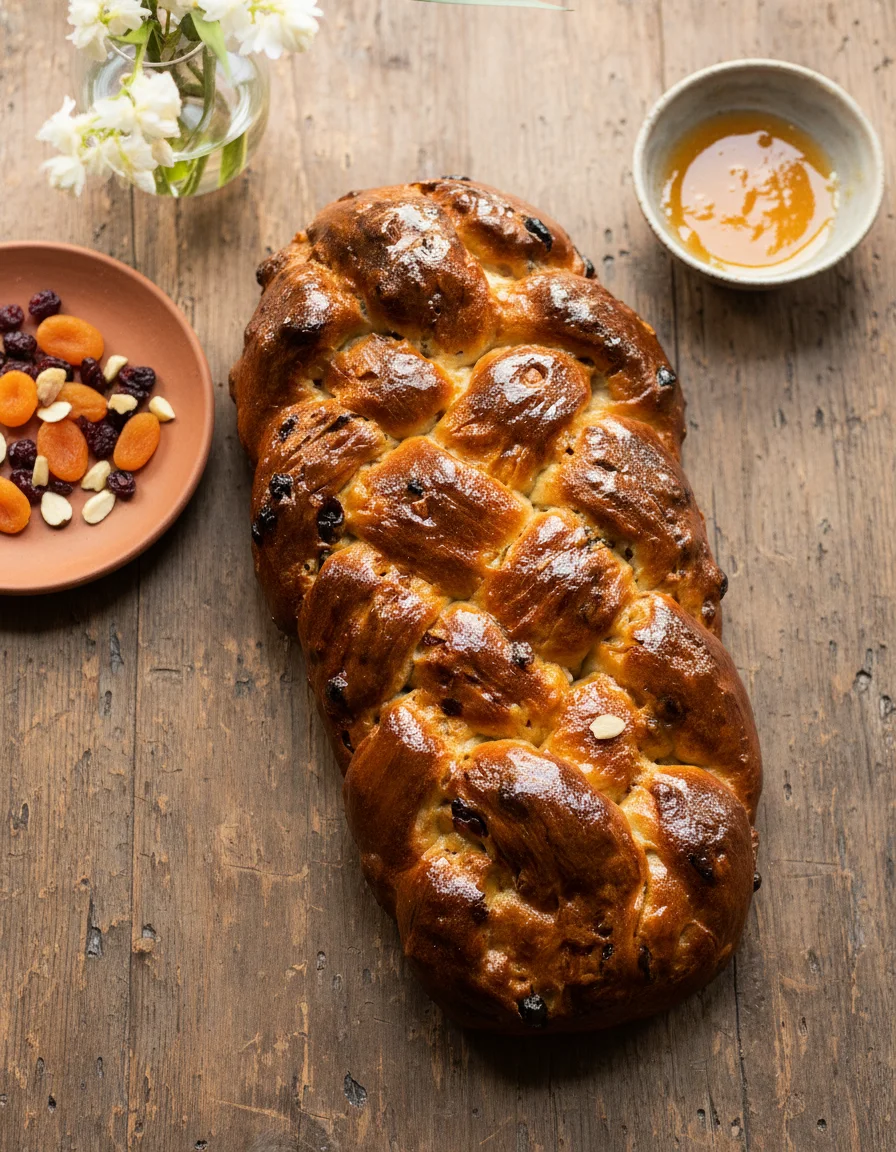
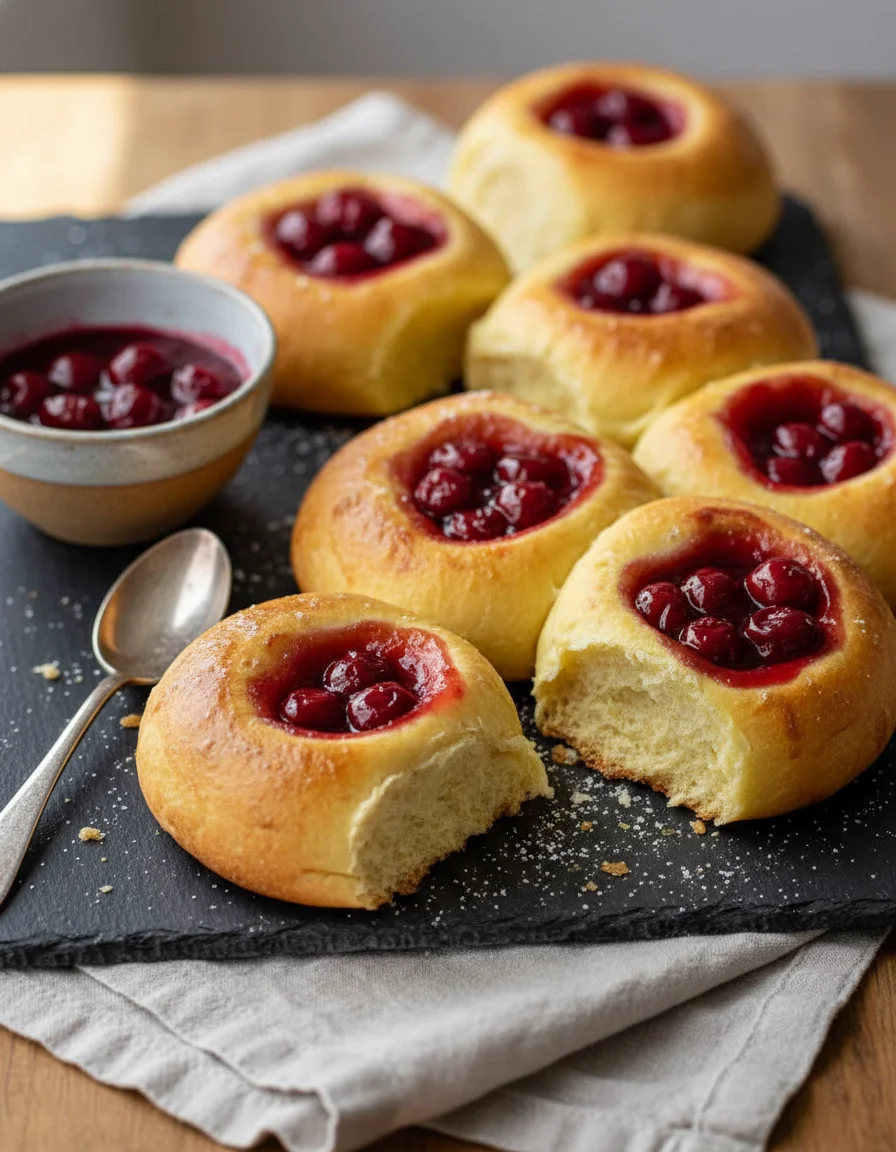
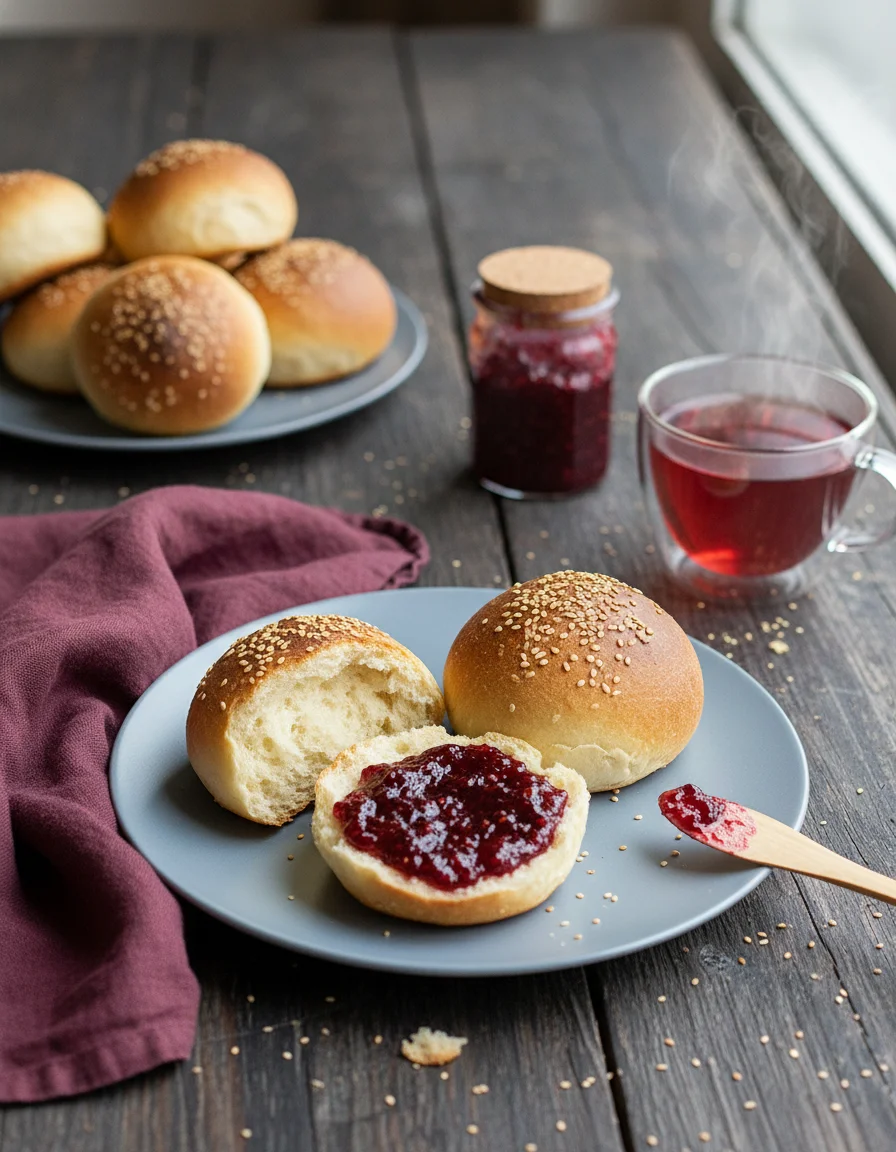
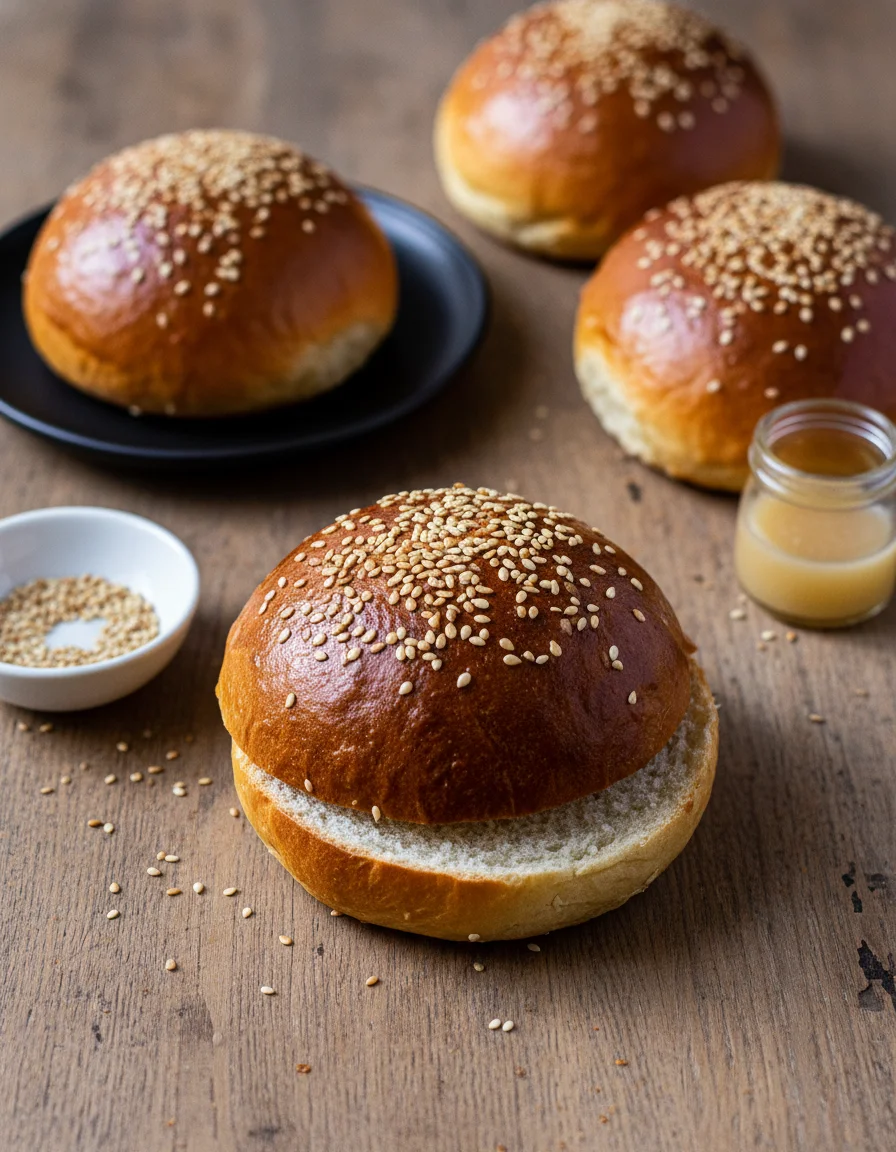
Showing 20 of 22 recipes