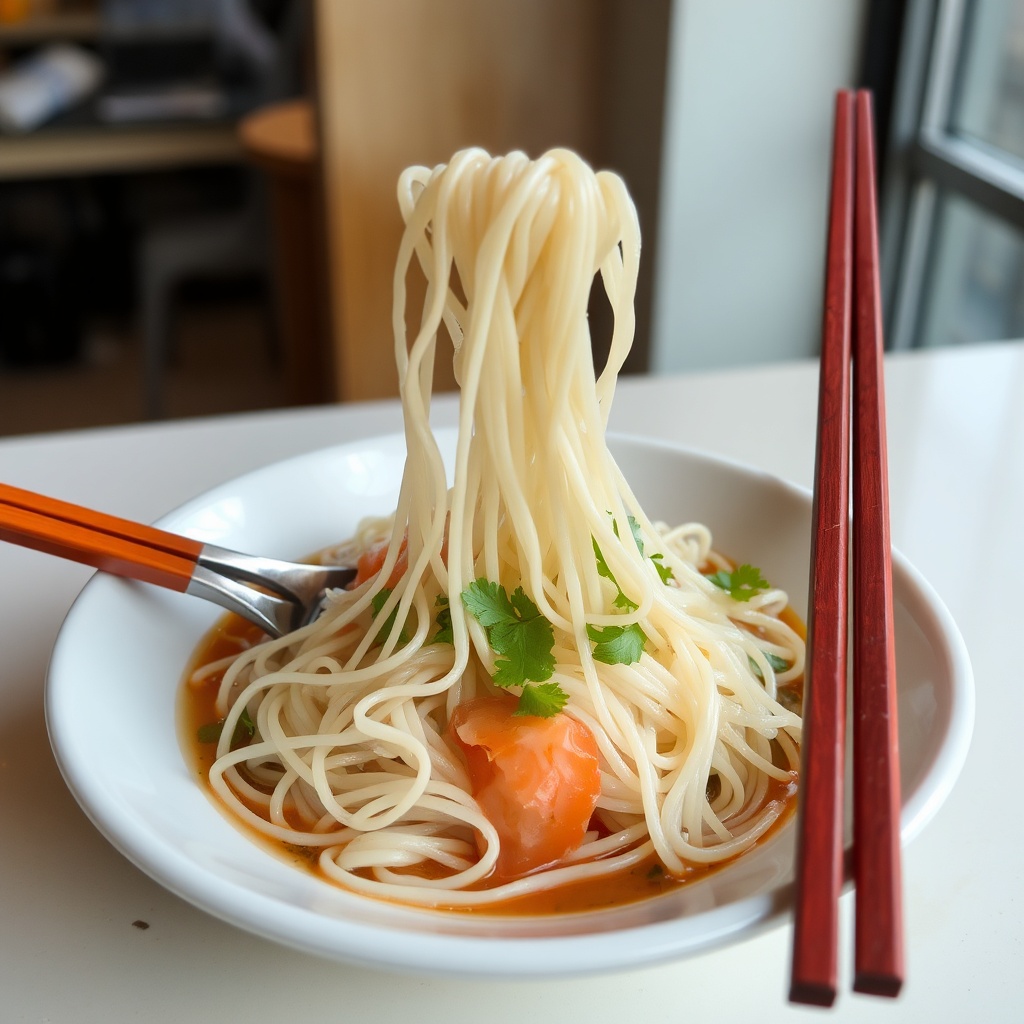
5+ Best Vegan Vermicelli Recipes (Healthy & Easy)
Discover delicious and healthy vegan vermicelli recipes! Perfect for quick meals, these versatile noodles shine in stir-fries, soups, and salads. Get cooking in
About vermicelli
Welcome to the World of Vermicelli!
Vermicelli, a delightful and versatile staple in countless vegan kitchens, refers to thin noodles, most commonly made from rice or wheat. Known for their quick-cooking nature and delicate texture, vermicelli noodles seamlessly integrate into a wide array of dishes, from comforting soups and vibrant stir-fries to refreshing salads and crispy spring rolls. Whether you’re a seasoned vegan chef or just beginning your plant-based journey, vermicelli offers an easy and delicious way to bulk up meals and explore new flavors from around the globe.
Its neutral flavor profile makes it an excellent canvas for absorbing the rich tastes of your chosen sauces and spices, ensuring every bite is packed with deliciousness. Plus, with options like rice vermicelli, it’s a naturally gluten-free choice for those with dietary restrictions. Let’s dive into what makes this humble noodle such a powerhouse ingredient!
Health Benefits of Vermicelli in a Vegan Diet
Beyond its culinary appeal, vermicelli offers several nutritional advantages, particularly within a vegan diet:
- Sustained Energy: With approximately 75g of carbohydrates per serving, vermicelli is an excellent source of complex carbohydrates, providing sustained energy to fuel your day without the jitters associated with simple sugars.
- Plant-Based Protein: Boasting around 12.5g of protein per serving, vermicelli contributes significantly to your daily protein intake, essential for muscle repair, growth, and overall bodily functions, especially for those relying on plant-based sources.
- Dietary Fiber: Each serving contains about 3.6g of dietary fiber, promoting healthy digestion, aiding in satiety, and supporting gut health.
- Essential Minerals: Vermicelli is a notable source of Iron (approximately 3.21mg per serving), a crucial mineral often needing careful attention in vegan diets for energy production and oxygen transport. It also offers Potassium (196mg), vital for heart health and fluid balance.
- B Vitamins: Provides essential B vitamins like Thiamin (1mg), Riboflavin (0.375mg), and Niacin (5.893mg), which play key roles in metabolism and converting food into energy.
- Low Fat: Naturally low in total fat (around 1.79g) and free of saturated and monounsaturated fats, it’s a heart-healthy option.
Selecting the Best Vermicelli
Choosing the right vermicelli can enhance your cooking experience:
- Type Matters: Rice vermicelli (often translucent or milky white when dry) is delicate and often used in salads, spring rolls, and light soups. Wheat vermicelli (typically yellowish and more opaque) has a slightly chewier texture, great for stir-fries and heartier dishes.
- Ingredient Check: Always read the label. High-quality vermicelli should contain minimal ingredients—primarily rice flour and water, or wheat flour and water. Ensure no unwanted additives, and for gluten-free diets, confirm it's 100% rice vermicelli.
- Packaging Integrity: Look for securely sealed packages without any tears or signs of moisture or damage, which could compromise the quality of the noodles.
Proper Storage for Freshness
To keep your vermicelli at its best, proper storage is key:
- Unopened Dry Vermicelli: Store in a cool, dry, dark place, such as a pantry or cupboard. It can last for 2-3 years, or even longer past its best-by date if stored correctly, due to its low moisture content.
- Opened Dry Vermicelli: Once opened, transfer any unused noodles to an airtight container or a resealable bag. This prevents moisture absorption, which can make them brittle or prone to spoilage, and keeps pests away. It will maintain quality for 6-12 months.
- Cooked Vermicelli: Leftover cooked vermicelli should be refrigerated in an airtight container within two hours of cooking. It will stay fresh for 3-4 days. While you can freeze cooked vermicelli for up to 1-2 months, be aware that its texture may become slightly softer or more brittle upon thawing.
Unleash Versatility in Your Vegan Kitchen
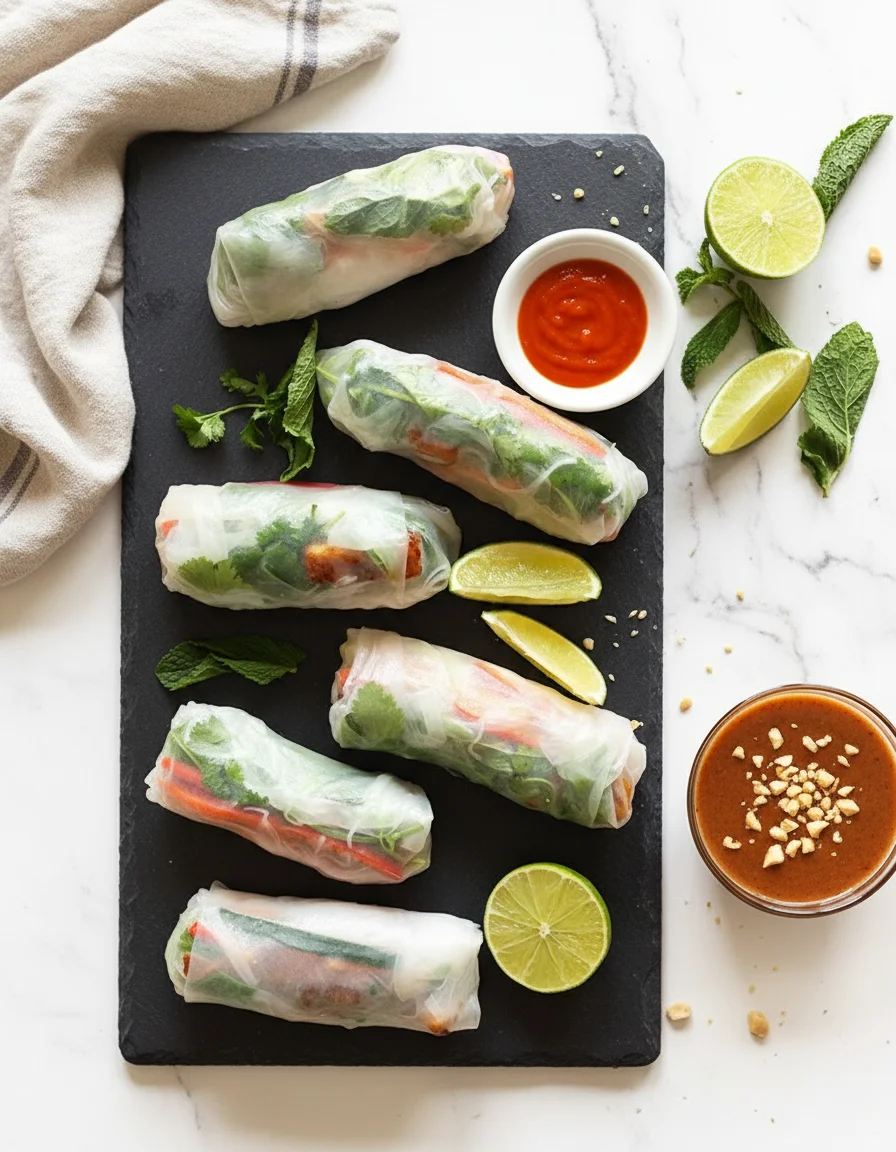
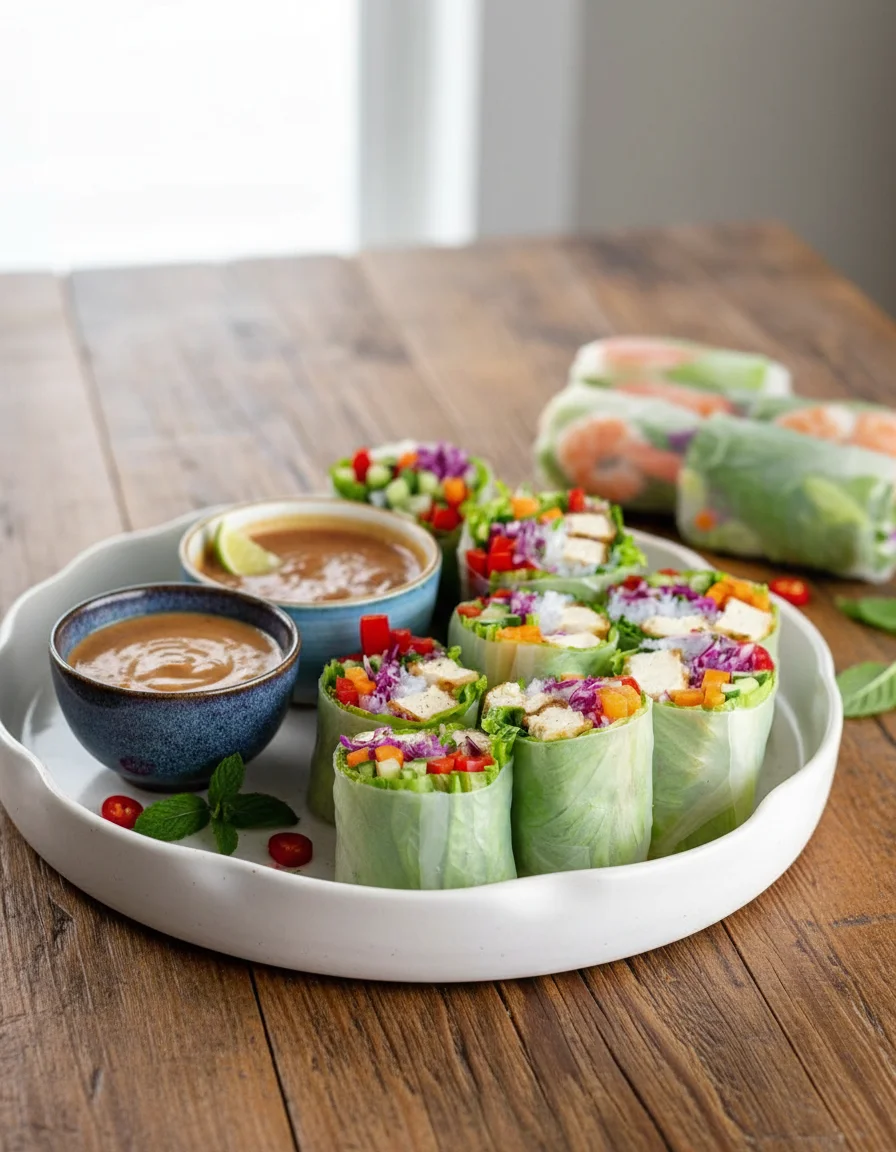
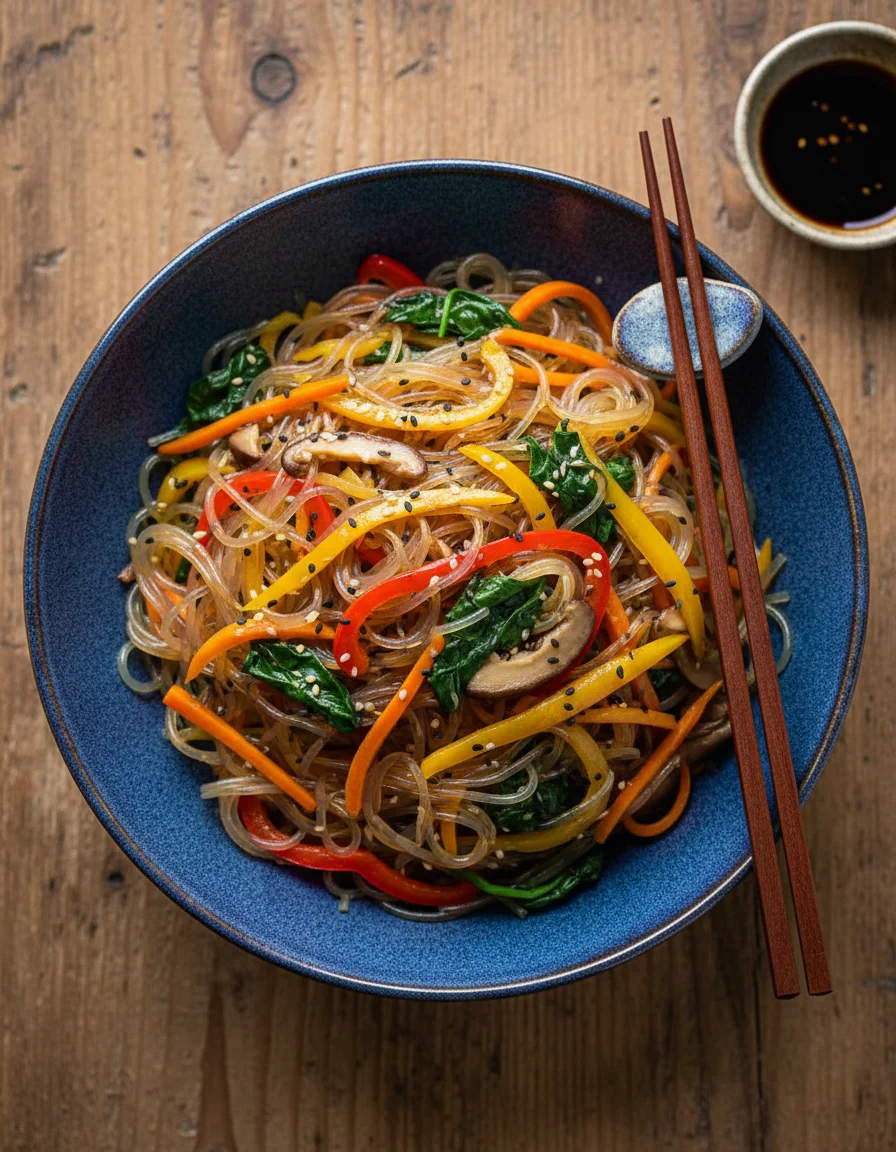
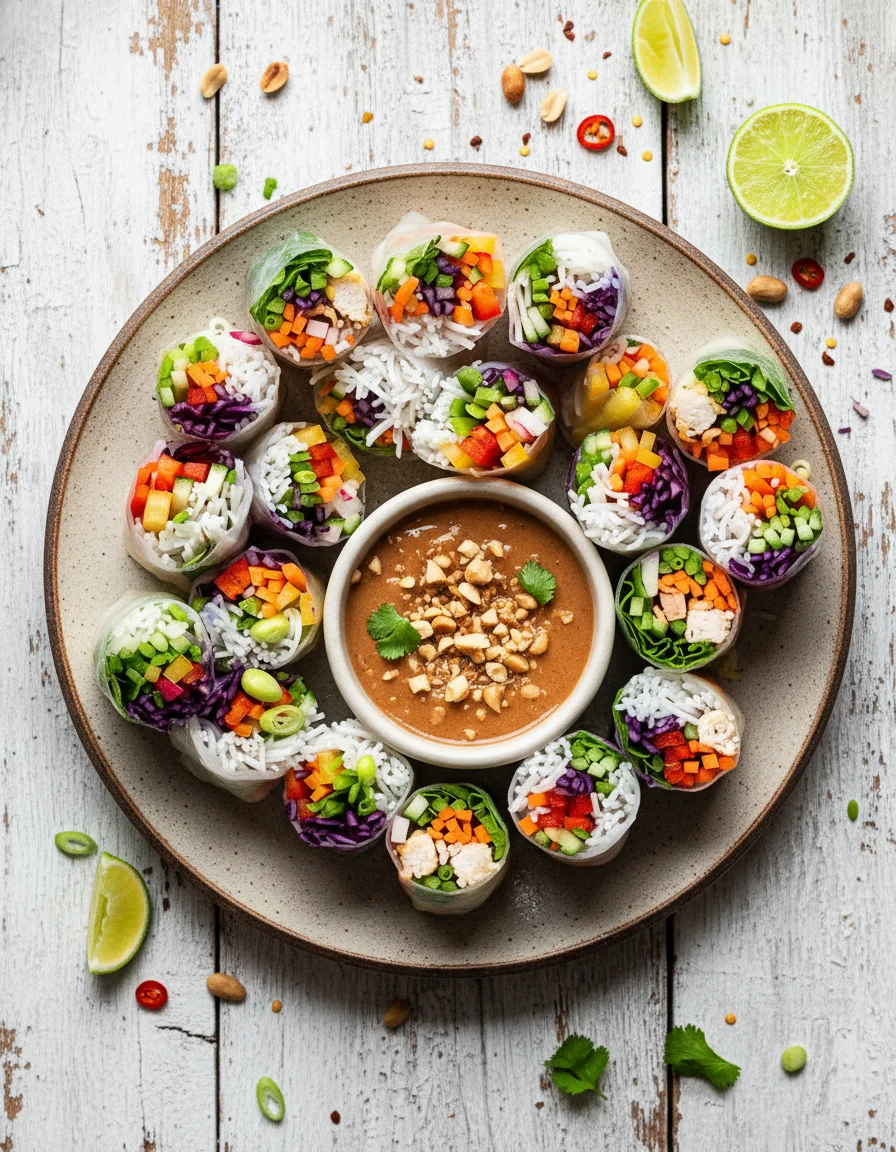
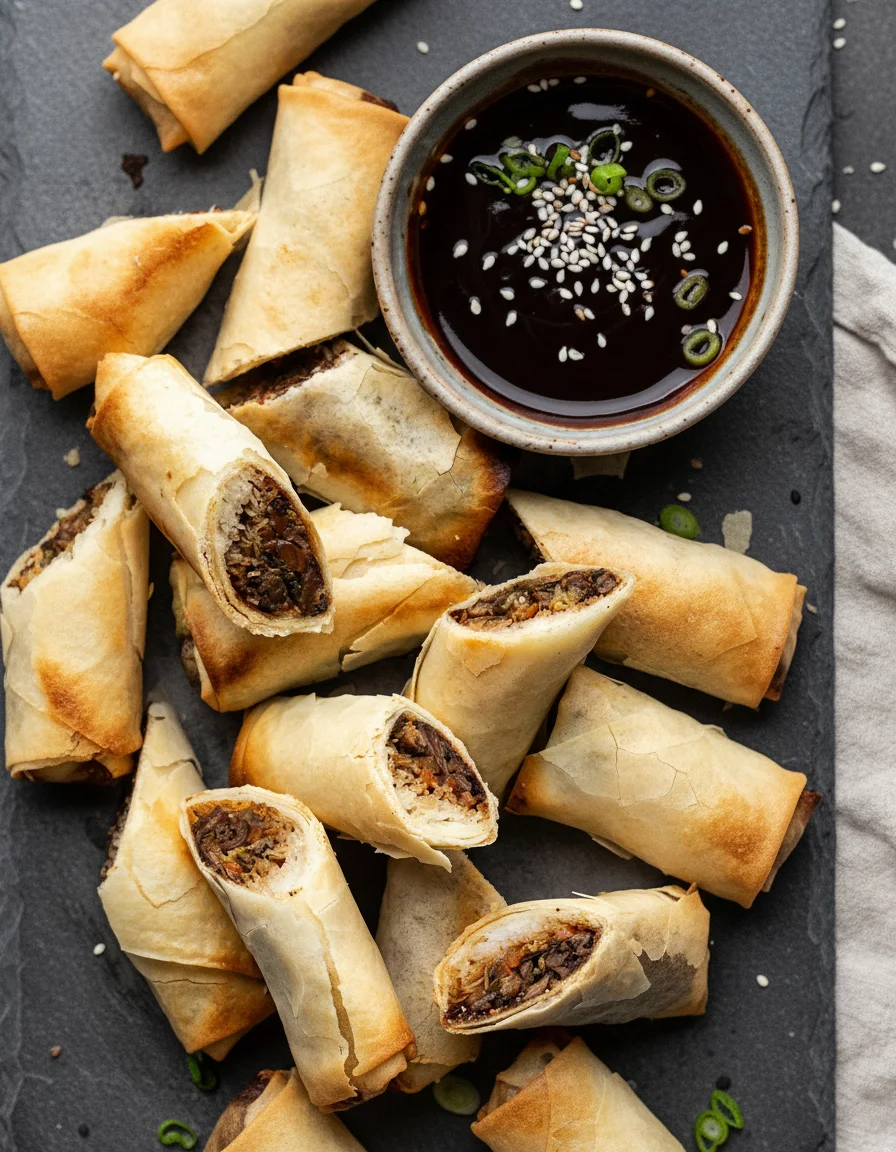
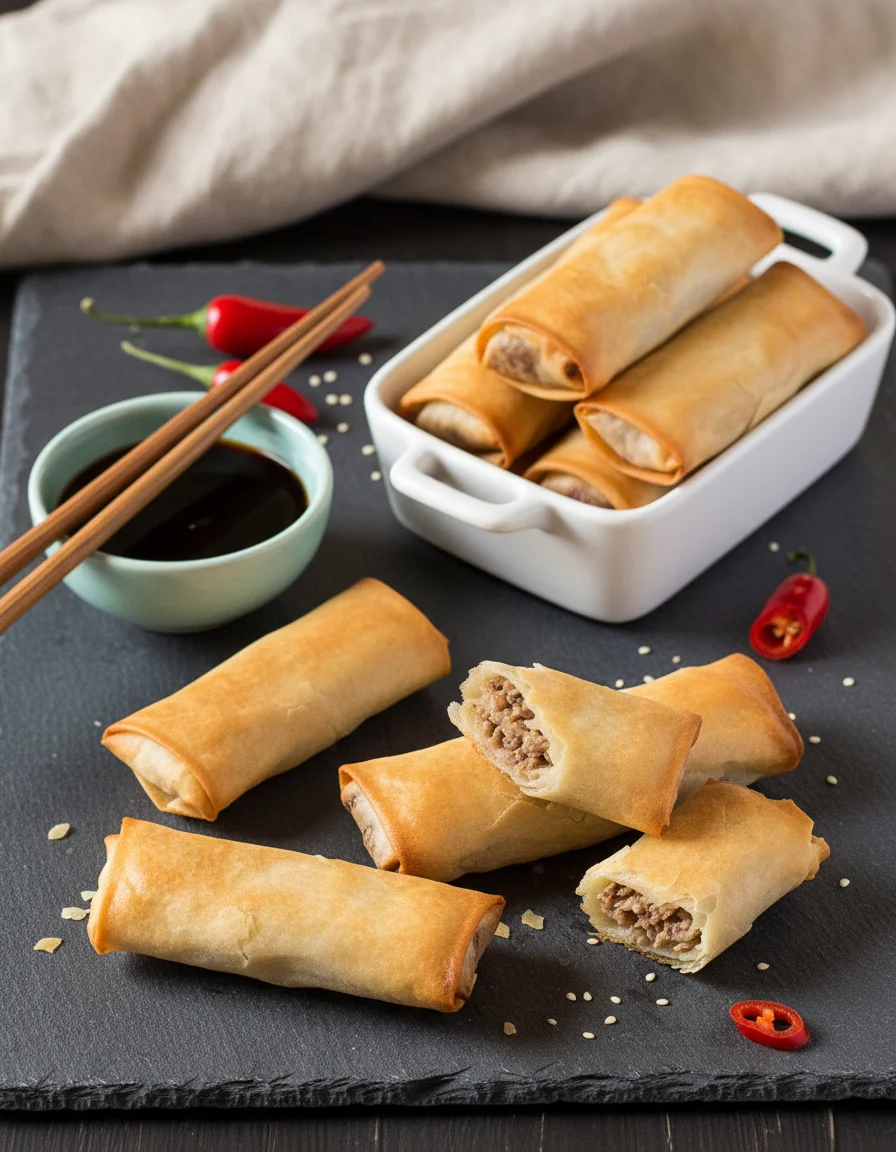
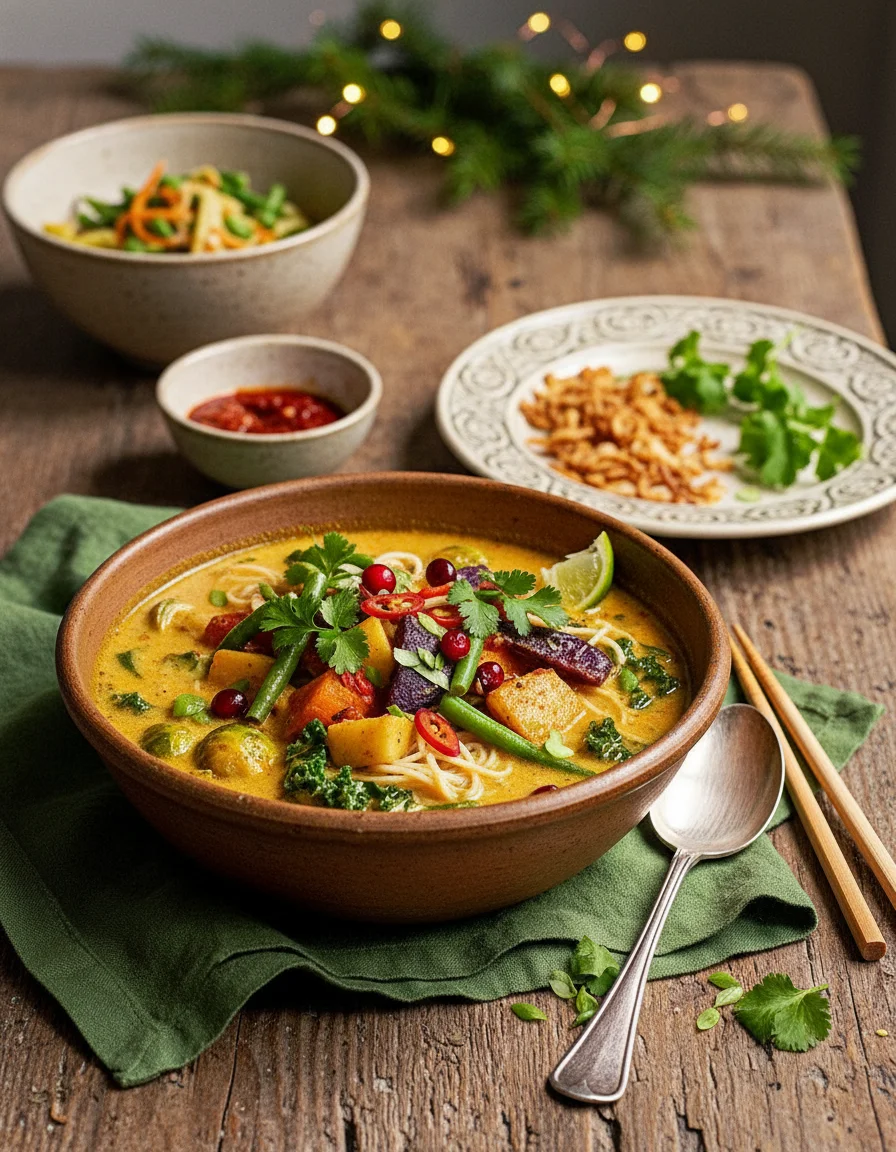
Vermicelli's adaptability knows no bounds in vegan cooking. Use it as a base for vibrant Vietnamese-inspired noodle bowls, toss it into a quick weeknight stir-fry with your favorite vegetables and tofu, or add it to a flavorful broth for a comforting soup. It's also fantastic in cold noodle salads, adding substance and a satisfying chew. Experiment with different sauces and ingredients to discover endless delicious possibilities!
Frequently Asked Questions
Cooking vermicelli is quick and easy! For most types, you can either boil or soak them. For boiling, bring a pot of water to a rolling boil, add the dry noodles, and cook for 2-5 minutes, or until tender but still slightly firm (al dente). For very thin rice vermicelli, soaking is often preferred: place noodles in a bowl, cover with hot (but not boiling) water, and let sit for 5-10 minutes until softened, or use cold water for 20-30 minutes. Always check the specific package instructions, as cooking times can vary by thickness and type.
vermicelli Recipes
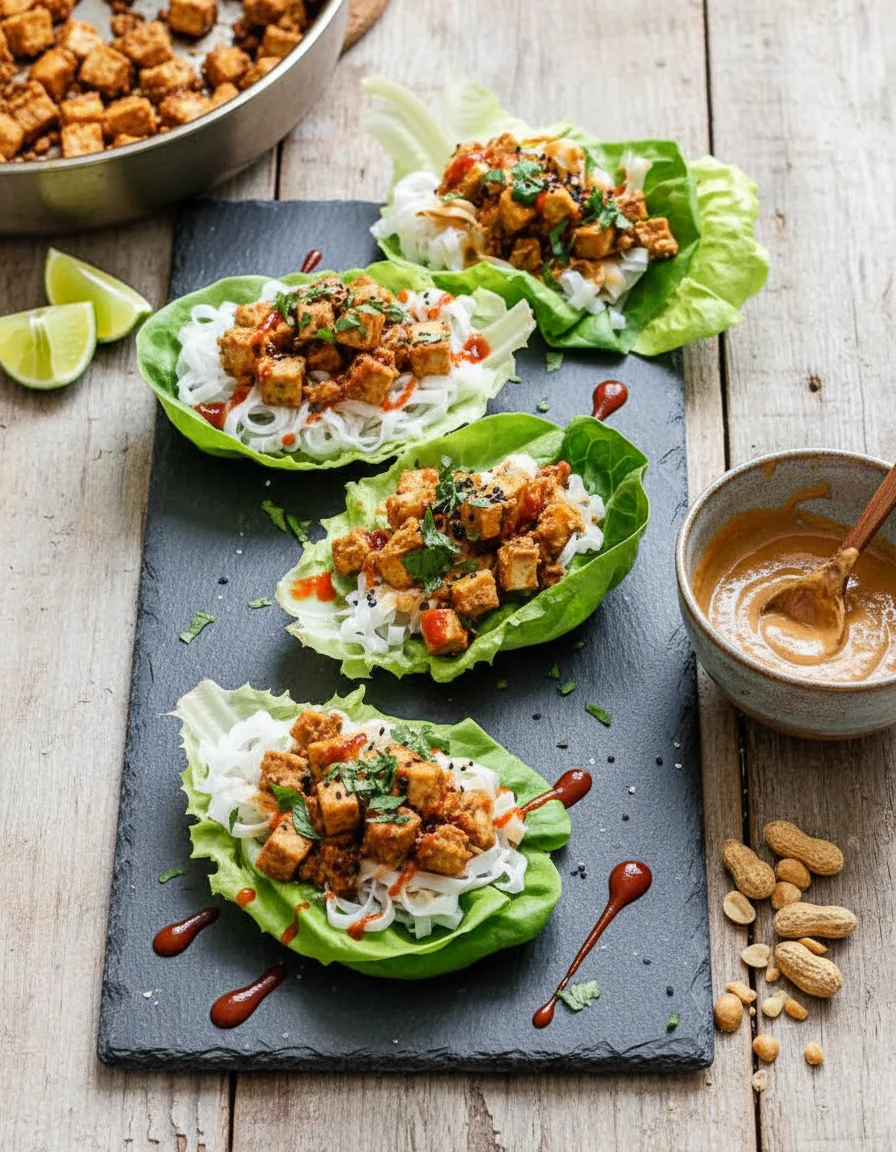


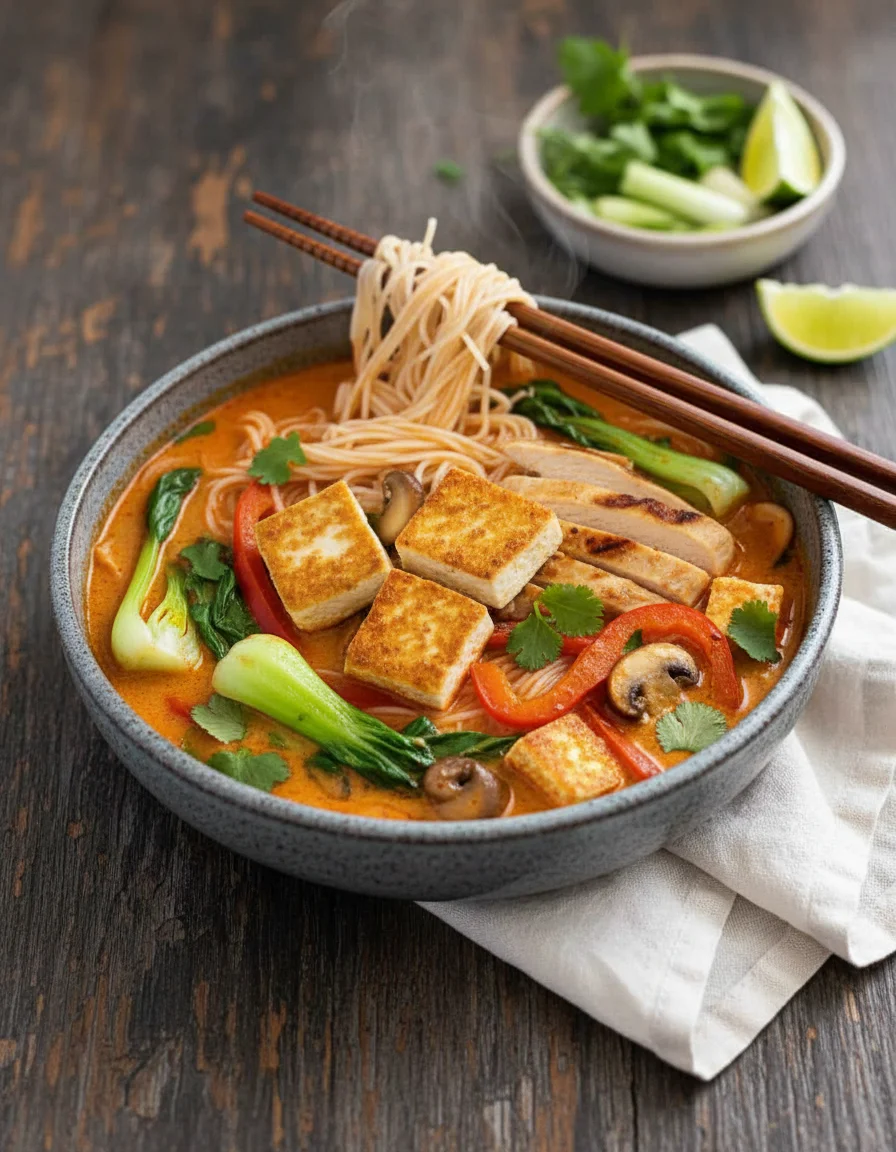

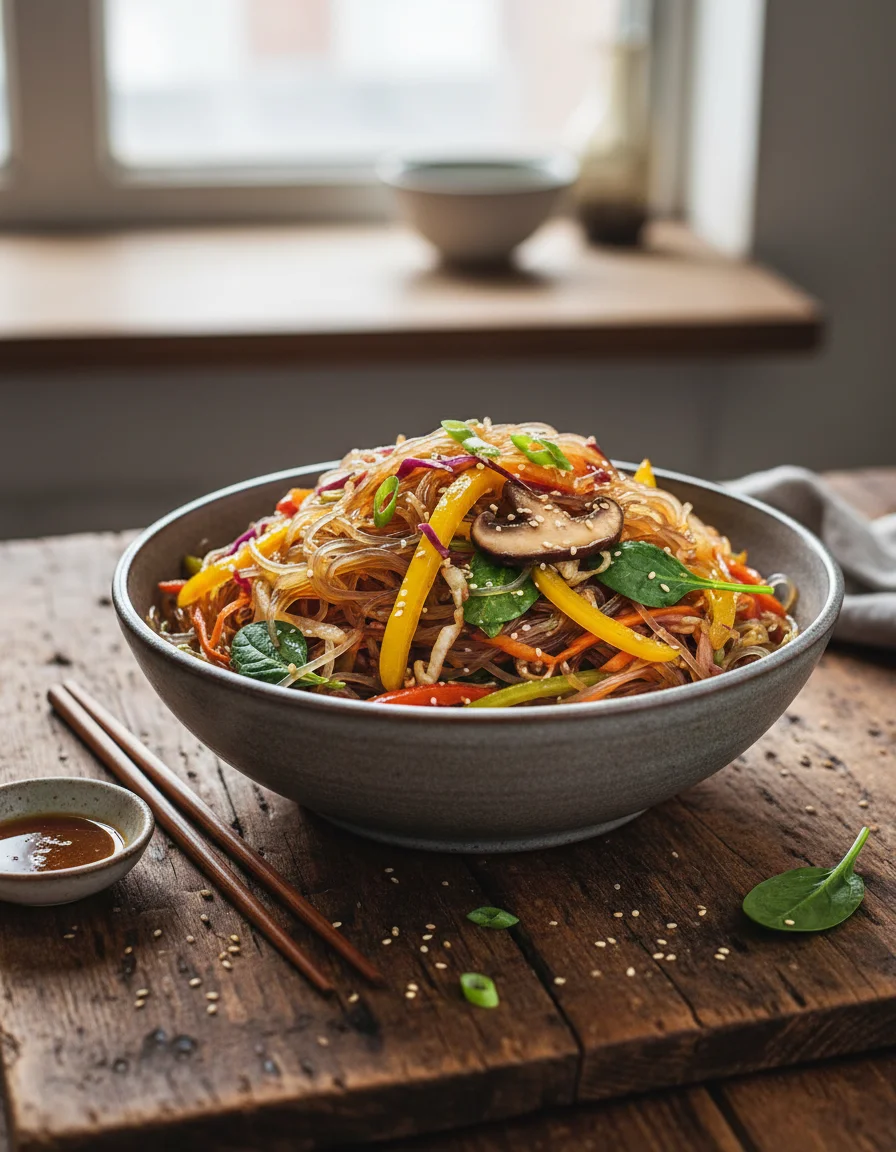
Showing 14 of 14 recipes